
REVIEW · SINGAPORE BIKE TOURS
Singapore: Food and Bike Tour: Katong District
Come hungry, leave happily stuffed. This four-hour ride through Katong links eight local delicacies with colorful shophouses, Peranakan culture, and a breezy stretch of East Coast Beach. I like the way the tour gives you more than a meal: you also get a look at how Singapore developed and how food reflects its mixed society. I also like the small group size, capped at eight people, which gives guides such as James, Jojo, Han, and Derrick room to answer questions and adjust the pace.
The main consideration is the cycling. You need to be a competent rider in an urban area, and the tour runs rain or shine. Singapore can be hot, so sunscreen, water, and an empty stomach are not optional extras. At $94 per person, the price is fair if you want a full meal, bicycle rental, guide, and local context in one outing, but this is not the right pick if you prefer a quiet seated food tour.
Key points at a glance
- Eight or more local tastings: Expect specialties such as putu piring, Katong laksa, bak chang, Hainanese chicken rice, and curry puffs.
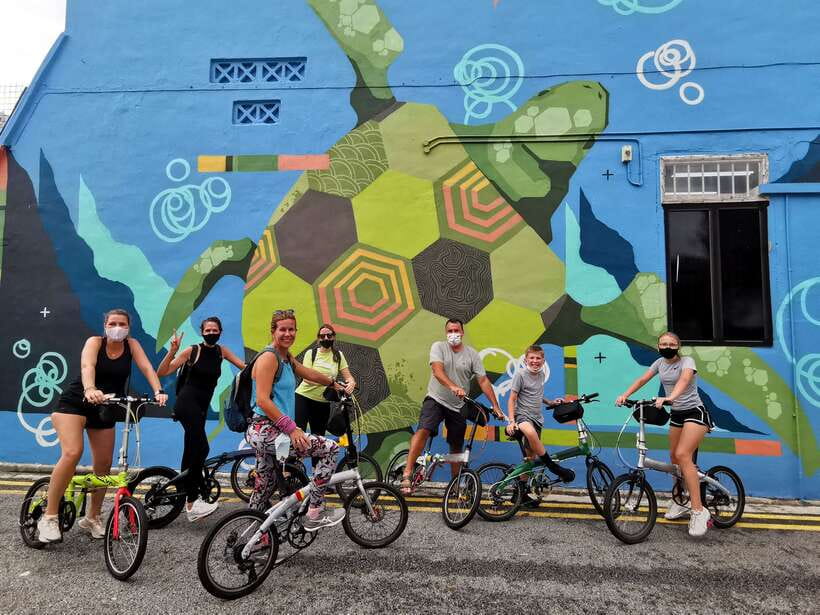
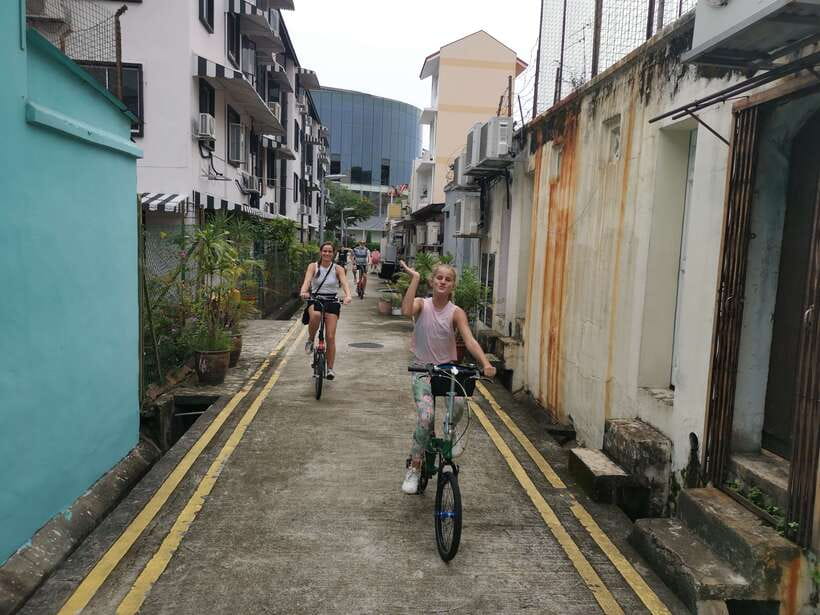
- Katong by bicycle: You see more of the district than you would on foot, while keeping the ride relaxed enough for many beginner cyclists.
- Peranakan culture: The tour explains the local community closely linked with Katong and points out colorful two-story shophouses.
- Food with context: Stops are tied to Singapore’s social development, daily life, housing, and mixed cultural identity.
- East Coast finale: The route ends with time to relax beside the beach before cycling back to Dakota MRT.
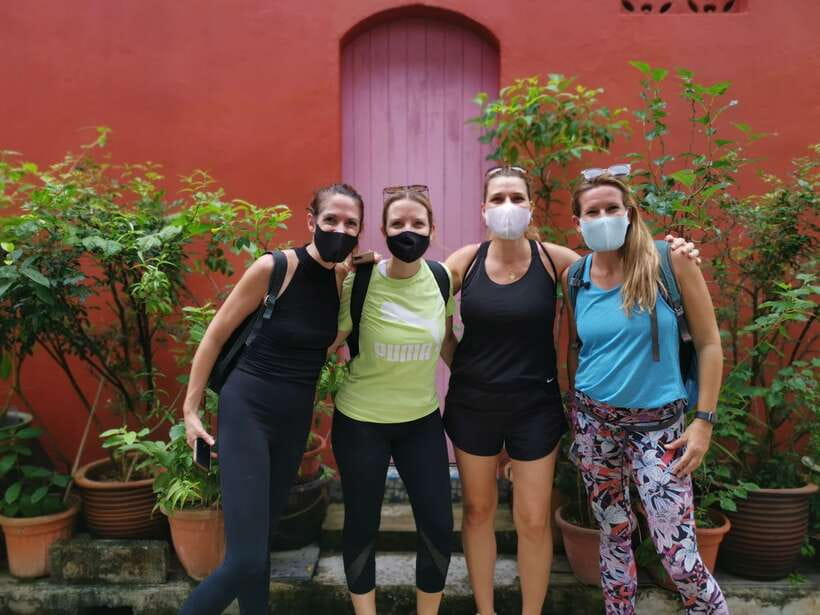
- Small-group feel: With no more than eight people, the guide can offer personal help and handle questions well.
Why Katong makes a good food tour setting
Katong gives you a useful change of pace from Singapore’s best-known central sights. The district is associated with Peranakan culture, and the tour uses its food, architecture, and streets to explain how different communities shaped local life.
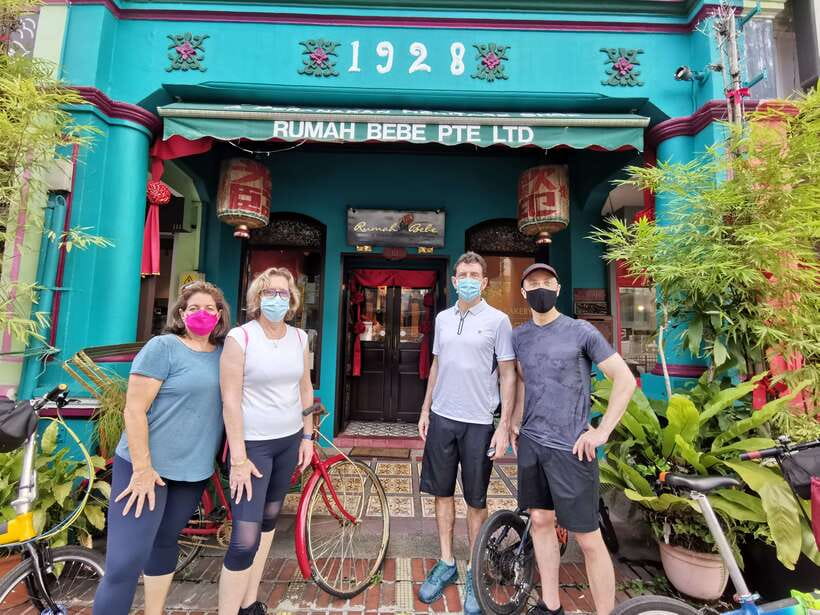
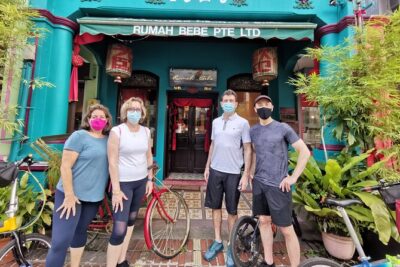
The colorful two-story shophouses are a natural part of the ride. They provide good photo stops and help turn the area into more than a series of anonymous eating places. You are not simply moving from one plate to the next. The guide connects the buildings and neighborhoods with Singapore’s growth over the years.
That broader view is one of the tour’s strongest features. Guides have answered questions about daily life, government policies, housing, education, health care, and the way a mixed society functions. If you enjoy learning how a city works, you can get much more from this experience than a list of dishes.
At the same time, the focus stays practical and local. You are eating food that reflects Singaporean life, not sitting through a formal lecture. The balance works well: ride, taste, listen, ask questions, and move on before the heat becomes too much.
More Food Bike Tours in the world:
- Versailles Palace Bike Tour with Market & Marie-Antoinette hamlet
★ 5.0 · 2,680 reviews - Madrid: 3 h. Guided Highlights Bike Tour with Optional Tapas
★ 4.9 · 1,623 reviews - Rome: Appian Way & Aqueducts E-Bike Tour (Catacombs & Food)
★ 4.9 · 1,498 reviews
Meeting at Dakota MRT and getting on the road
The tour begins at Exit B of Dakota MRT Station and returns to the same place. That is a simple meeting point, especially if you are staying elsewhere in Singapore and plan to use the train.
Once the bicycles are ready, expect the ride to take place in an urban setting. You should already feel comfortable riding a bicycle, steering around other people, and following a guide through city streets. The experience is not aimed at complete non-riders, and it is not suitable for people with mobility impairments.
The pace has been described as relaxed and manageable for beginners who can already ride. That distinction matters. You do not need to be a serious cyclist, but you do need basic confidence on a bike. The guide’s attention can go only so far in a group, even a small one.
The tour accepts children from age eight, provided they meet the riding requirements. Anyone under 120 centimeters tall cannot join. For families, the relaxed pace and food variety can work well, but you should think honestly about each child’s cycling ability and heat tolerance.
Eight tastes that make the ride worthwhile
The food is the main reason to book this tour, and the range is broad. You are promised at least eight local delicacies, with examples including putu piring, Katong laksa, bak chang, Hainanese chicken rice, and curry puffs.
Putu piring gives you a taste of a traditional sweet. Katong laksa brings the district’s own name into the meal, while bak chang shows another side of Singapore’s food traditions. Hainanese chicken rice is a familiar national favorite, and the curry puff provides a compact, savory snack that is easy to enjoy between rides.
The exact selection can vary, so you should treat the listed foods as examples rather than a guaranteed fixed menu. The food stops are substantial enough that many people finish completely full. One participant counted ten courses, and another said the portions were enough to make a full morning meal.
That is why I would not eat breakfast before meeting the group. The advice to arrive hungry is serious. You might think small tasting portions will leave room for later, but the combined amount can be considerable.
You also receive a drink. Bicycle rental, the food, the drink, and a local guide are included in the $94 price. You pay separately only for items not included in the package, such as tour insurance.
What the food tells you about Singapore
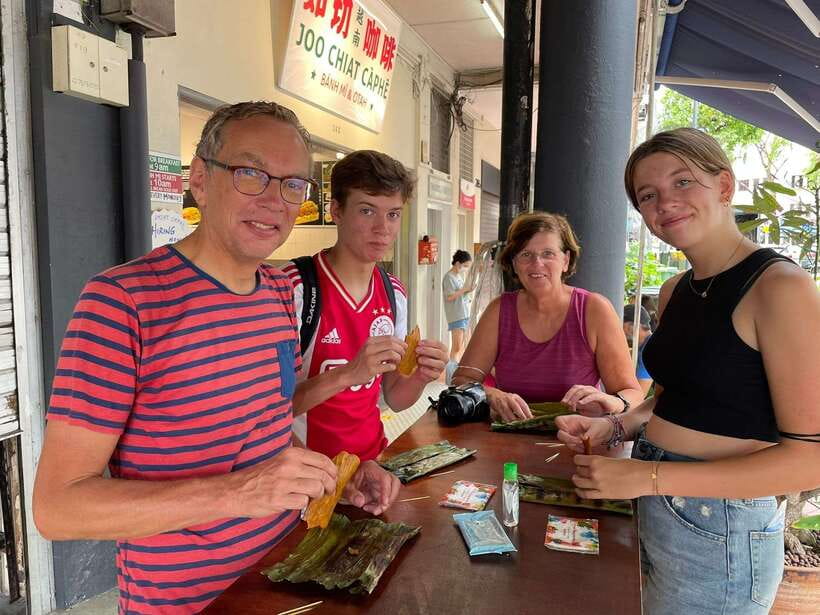
A good food tour explains not just what is on the plate, but why it belongs in the city. This experience uses local dishes to show how Singapore’s food culture grew from different communities and traditions.
The Peranakan section is especially useful in Katong. The tour introduces you to this distinctive local group and explains its connection with the district. Food, architecture, and community identity fit together here, so the cultural information should feel connected to what you are seeing rather than added as a detached history lesson.
The strongest guides also go beyond food. James has been praised for explaining Singapore’s past and present with humor and care. Hans and Han have handled wide-ranging questions about housing, public policy, and everyday life. Derrick has been noted for being prepared and considerate, especially with families.
That range can shape your day. If you ask only where to eat, you will still get a satisfying meal. If you ask how Singapore changed, why housing matters, or how different groups live together, the ride can become a thoughtful introduction to the country.
More Food Experiences in the world:
- Rome by Night – Ebike Small Group Tour – Food and Wine (Option)
★ 5.0 · 1,275 reviews - Rome by Night: E-bike Small Group Tour -Food & Wine (Option)
★ 4.9 · 1,233 reviews - Bangkok: Must-Try Hidden Bike & Food Experience
★ 4.9 · 613 reviews - Appian Way & Aqueducts small group e-bike tour(catacombs & food)
★ 5.0 · 531 reviews
Cycling past shophouses and toward East Coast Beach
The bicycle gives you a wider view than a restaurant crawl. You move between food stops through Katong, pause for photographs, and see the district as a connected place.
The shophouses are an important visual part of the route. Their color and two-story form make them easy to photograph, but the real value is that they help you understand the district’s character. The guide can explain how the neighborhood fits into Singapore’s development while you are standing in it.
Near the end, the route reaches East Coast Beach. This is a welcome change after several food stops and urban riding. You get time to relax and enjoy the coastal setting before turning back toward Dakota MRT.
The beach section also gives the tour a pleasant shape. It starts with the city, moves through food and culture, then opens out beside the water before returning to the meeting point. You are not spending four hours on a bicycle without a pause, but the day is still active.
Rain is part of the deal. The ride operates rain or shine. Some guides have carried rain ponchos, wipes, and bandages, which is reassuring, but you should still dress for Singapore’s conditions. Bring sunscreen and water, and consider light clothing that dries quickly.
The guides make a large difference
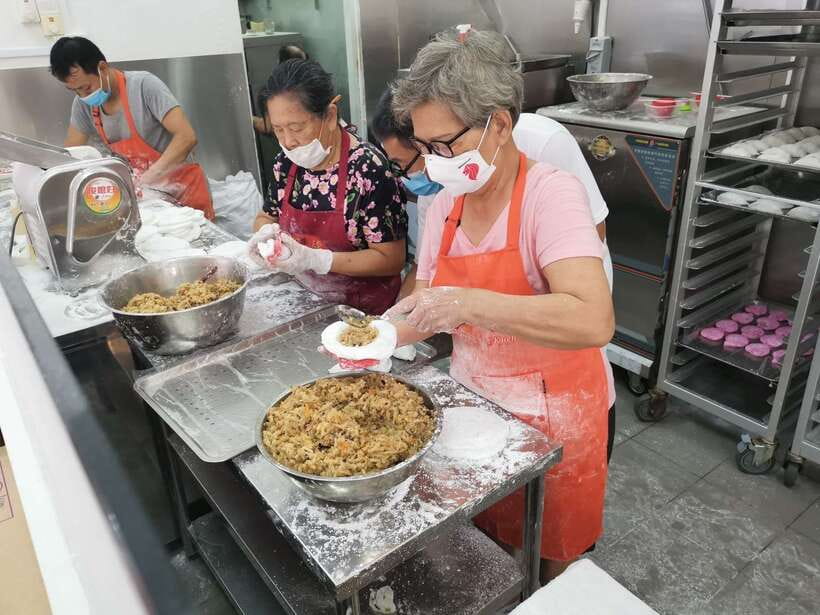
The food is important, but the guide can determine whether the tour feels ordinary or special. The highest praise has gone to guides who combine local knowledge with warmth, humor, and practical care.
James has been singled out for setting an excellent pace, explaining Singapore clearly, and handling unexpected problems calmly. One person with a scraped leg received help with disinfecting wipes and bandages. Jojo has been praised for giving a strong account of Katong’s food and past, while Fred’s enthusiasm for food helped make unfamiliar dishes more approachable.
Wyman has been described as entertaining and informative, and Han has received praise for explaining both food and Singaporean history. Derrick has been especially popular with families because he was prepared, considerate, and able to keep children enjoying the ride despite the heat.
Guide assignments can change, so you should not book solely to meet one particular person. Still, the pattern is clear: the guides are expected to do more than point out restaurants. They answer questions, watch the group, and help keep the ride comfortable.
The small group limit of eight matters here. It makes it easier to hear explanations, ask about ingredients, and get assistance if rain or a minor cycling mishap interrupts the day.
Is $94 a good value?
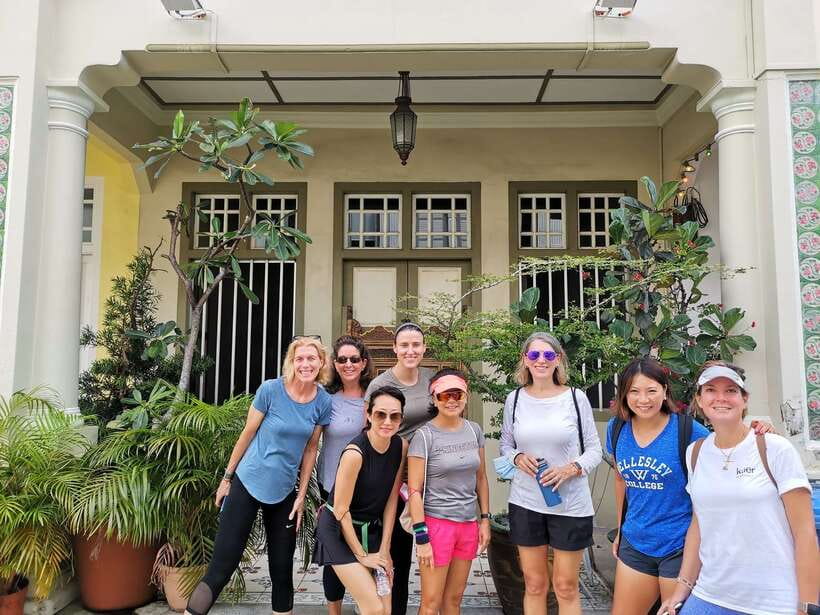
At $94 per person, this is not the cheapest way to eat in Singapore. You could buy individual hawker dishes for much less. The price makes more sense when you count everything together: bicycle rental, guide, at least eight food tastings, a drink, transport between stops, cultural explanations, and the East Coast ride.
I see it as a combined food tour and neighborhood introduction. If you want only lunch, the cost will feel high. If you want to taste widely without planning a route, find the food yourself, or work out how to cycle between locations, the package is more convincing.
You also save time. A local guide has already chosen the stops and arranged the sequence. You can concentrate on eating and listening instead of checking maps or deciding what to order next.
The strongest value comes if you are new to Singapore or want to understand more than the central tourist areas. You get food, architecture, local identity, and a look at Singapore’s development in one half-day outing.
Who should book this experience?
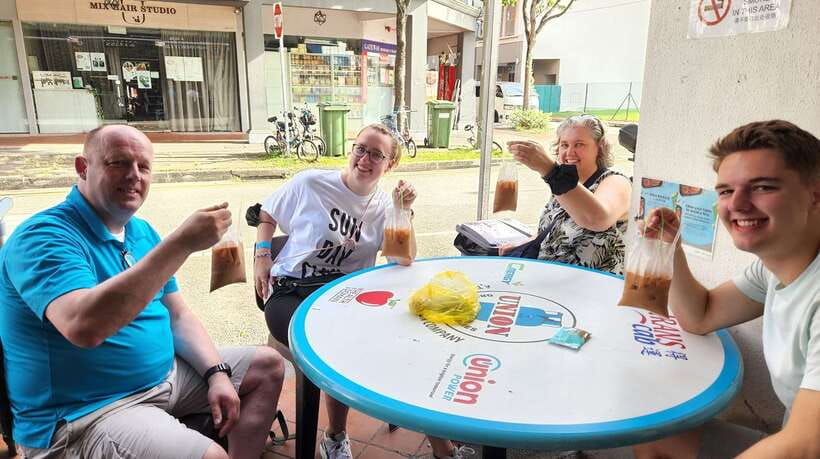
I would recommend it to food-focused visitors who also like moving around. It suits couples, families with capable riders age eight and above, and solo visitors who enjoy a small group rather than a large coach.
It is also a good fit for people who want to ask questions. The guides have handled subjects far beyond food, including housing, social policy, daily life, and the country’s mixed society. You can keep the conversation light, or use the chance to learn how Singapore developed.
You should think twice if you dislike cycling in urban areas, struggle in heat, or want a predictable weather plan. The tour runs rain or shine, and the food arrives across several stops rather than in one long, relaxed restaurant sitting.
The ride is described as laid back, but that does not mean passive. You need to pedal for four hours, manage the conditions, and keep up with the group. Bring sunscreen and water, and leave room in your stomach.
Final call: book it if food and place matter equally
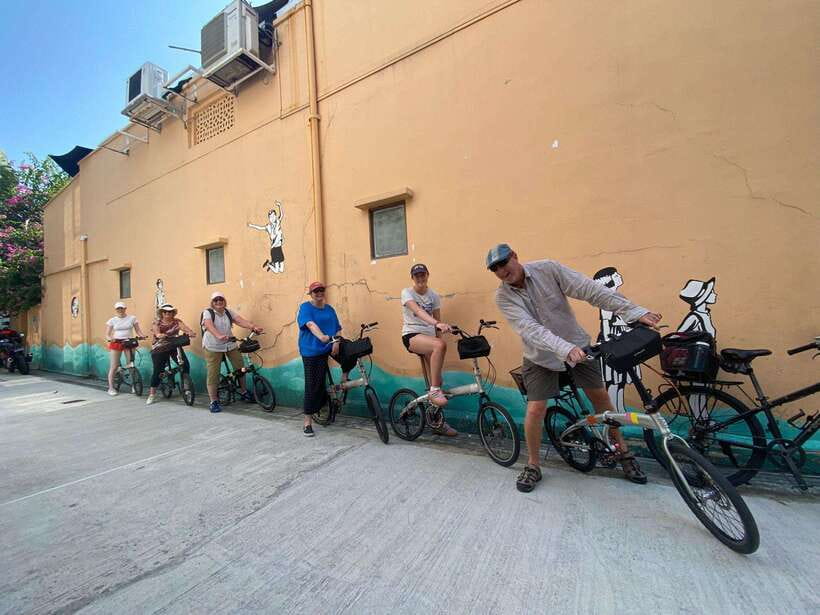
I would book this tour if I wanted a first taste of Katong, a broad sample of Singaporean food, and a useful introduction to Peranakan culture. The combination is unusually practical: you eat enough to make the $94 worthwhile, see the area by bicycle, and finish at East Coast Beach.
Book it especially if you like guides who explain how a city works, not just where to take a photograph. Skip it if you want a short food stop, dislike bikes, or need an indoor plan for uncertain weather.
The key tip is simple: arrive very hungry. With eight or more dishes, a drink, and four hours of riding, this is a full experience rather than a light snack outing.
FAQ
Where does the Singapore Food and Bike Tour begin?
Meet the guide at Exit B of Dakota MRT Station.
Where does the tour finish?
The tour returns to Dakota MRT Exit B after cycling through Katong and visiting East Coast Beach.
How long does the tour last?
The experience lasts four hours.
How many food tastings are included?
At least eight local delicacies and a drink are included. Examples include putu piring, Katong laksa, bak chang, Hainanese chicken rice, and curry puffs.
Is bicycle rental included?
Yes. Bicycle rental is included in the tour price.
What languages are available?
The tour is offered in English and Chinese.
What is the minimum age?
The minimum age is eight years old. Participants must also be at least 120 centimeters tall and able to ride competently in an urban area.
What should I bring?
Bring sunscreen and water. The tour runs rain or shine, so you should also be prepared for wet weather.
Newly added rides around the world
- Half-Day Lanna Countryside Cycling Tour in Chiang Mai★ 4.5 · 24 reviews
- Full-day E-bike Countryside and Nam Phrae (flat-hilly, GUIDED)★ 5.0 · 11 reviews
- Full-Day Hike and Bike Tour from Chiang Mai★ 5.0 · 14 reviews
- Experience The Real Chiang Mai by Bike★ 4.5 · 36 reviews
- Half-Day Colors of Chiang Mai Biking Tour★ 5.0 · 105 reviews
- FIELDS OF GOLD Mountain Biking Tour Chiang Mai★ 5.0 · 18 reviews
- Chiang Mai City Culture Half-Day Cycling Tour★ 4.5 · 15 reviews
- Chiang Mai Night Bike Tour★ 5.0 · 69 reviews
Singapore Bike Tours, compared.
Historical Singapore Bike Tour on Full-Sized Bicycles
Read our review →
Browse the lists this tour appears in