
REVIEW · NORWAY BIKE TOURS
Geiranger: Sky to Fjord Downhill Biking Adventure
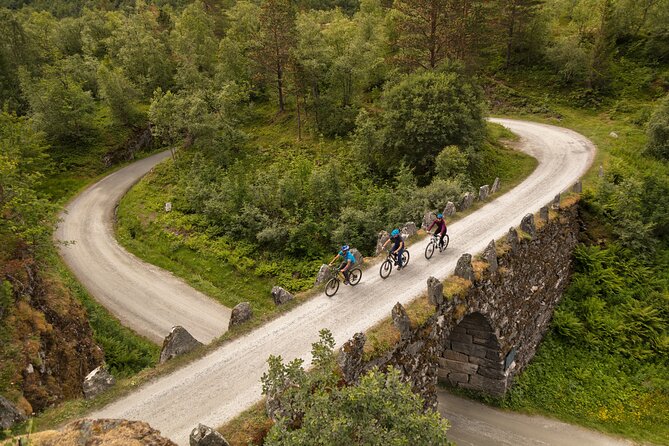
The road down is the real attraction. From high Djupvatn Lake, at 1,030 meters above sea level, you coast 16 kilometers toward Geiranger through mountain scenery, waterfalls, valleys, and famous viewpoints. I like that the uphill transport is handled for you, leaving your energy for the ride and the views.
I also like the freedom of an unguided descent. You can stop for photos, set your own pace, and take time at places such as Flydalsjuvet. The main concern is the road itself: it has no dedicated bike path or shoulder in places, and large buses may pass close by. Equipment quality has also been uneven, so check your bike and helmet before setting off.
Key Points To Know
- Start at 1,030 meters: An air-conditioned vehicle carries you from Geiranger to Djupvatn Lake, so the ride begins with a long downhill run rather than a hard climb.
- Cover 16 kilometers: Most of the route is a manageable coast downhill, with one short uphill section reported along the way.
- Ride without a guide: You receive instructions and route advice at the start, then continue independently.
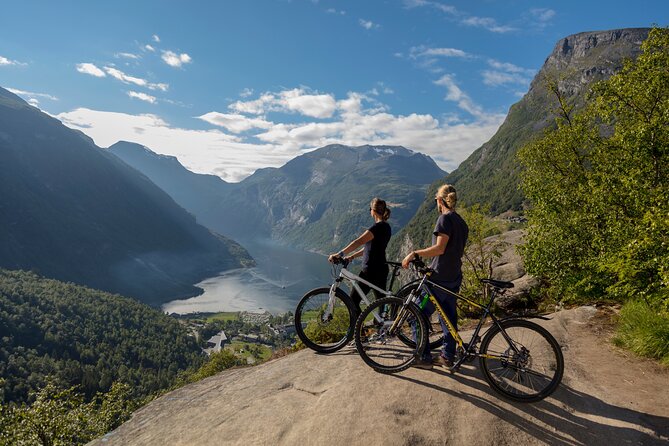
- Stop at classic viewpoints: Blåfjell, Kvandalls waterfall, Opplenskedalen Valley, Knuten, and Flydalsjuvet give the ride plenty of natural pauses.
- Small-group setup: The activity accepts a maximum of six people, which keeps the transport and equipment handoff fairly simple.
- Check the brakes first: A past equipment complaint described sticky brakes, poor seat adjustment, worn safety gear, and a loose kickstand. A quick inspection is worth your time.
From Geirangervegen 10 to Djupvatn Lake
You meet at Geirangervegen 10 in Geiranger. The activity lasts about two and a half hours, including the drive uphill, equipment handoff, ride, and return to the same meeting point.
The vehicle ride is more than a transfer. It takes you from the fjord village up into the high country, and you get to watch the road change as the elevation rises. The supplied vehicle is air-conditioned, a useful feature if the day is warm or if you are carrying extra layers and camera gear.
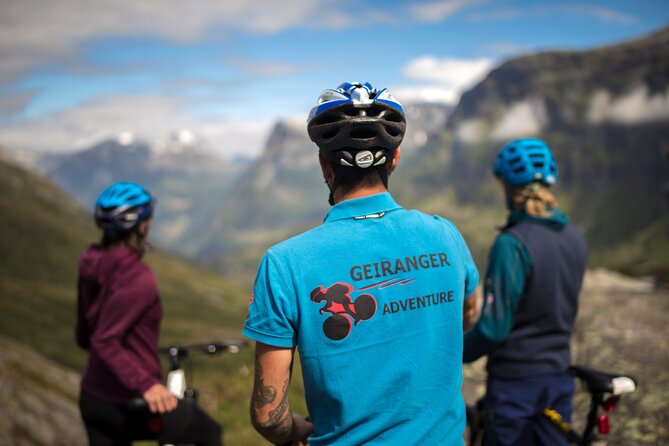
The group is limited to six people. That matters here because the start is practical rather than ceremonial. You need to receive a bike, helmet, gloves, and visibility vest, then listen to technical and safety advice before heading off. A small group should make that process less crowded.
The exact drive time is not provided, and the activity can begin late. One rider reported a start about 20 minutes behind schedule. If you are fitting this into a tight cruise-day plan, leave some breathing room before your next obligation.
At Djupvatn Lake, you are at 1,030 meters above sea level. This is the high point of the ride and the place where the real work begins for the operator, not for you. The vehicle has done the climbing. You now have a long route downhill toward Geiranger.
More Mountain Bike Tours in Norway:
- Mountain Bike – Voss Forest
★ 5.0 · 35 reviews - Geiranger Fjord: Downhill Self-Guided Bike Tour
★ 4.5 · 30 reviews - Mountain Bike – Voss Storålsen
★ 5.0 · 13 reviews
Getting Ready With the Bike
Excursions.no provides the bike, helmet, bicycle gloves, and visibility vest. Those inclusions help keep the price from climbing further, especially if you are visiting Norway without your own cycling kit.
The setup deserves your attention. Before you roll away, check that the seat height suits you, the brakes engage cleanly, the tires look sound, and the kickstand stays folded. One poor experience involved bikes that had not been sized properly, tires with little tread, sticky brakes, a loose kickstand, and helmets that were difficult to adjust.
That complaint does not match the many positive comments about good, easy-to-handle bikes, but it gives you a useful habit: do not be shy about asking for a replacement or adjustment before leaving. A downhill ride is not the place to discover that your brake lever needs too much force.
The equipment handoff is also the moment to clarify what to do if you have a mechanical problem. The ride is unguided, and you may not have mobile service at the top. Ask for the operator’s phone number before you start and save it in your phone. The supplied information does not specify a repair vehicle or roadside support, so a clear plan is sensible.
The First Kilometers: An Easy Coast With Real Road Traffic
The attraction is not technical mountain biking. It is a controlled road descent through some of Norway’s most dramatic scenery. If you are comfortable riding a bicycle and can manage braking on a downhill road, the route should feel accessible. The required fitness level is moderate, not extreme.
One rider in their late sixties found the route easy to handle. Another less experienced cyclist worried beforehand, then found the descent mostly a simple coast. That is encouraging, but you still need to ride within your ability. A downhill road can build speed quickly, and the absence of a guide means you are responsible for choosing a safe pace.
The main caution is traffic. The road does not have a bike path or shoulder throughout, and buses can pass close to cyclists. Some drivers are accommodating, but you should not treat that as a guarantee. Keep to the side when safe, brake early, and do not stop in a blind bend for a photograph.
This is the central tradeoff of the activity. The same road that gives you the dramatic route into Geiranger also carries regular vehicles. If you want a fully separated cycling path, this is not the right choice. If you can accept sharing the road and paying close attention, the setting is hard to beat.
Blåfjell and Kvandalls Waterfall
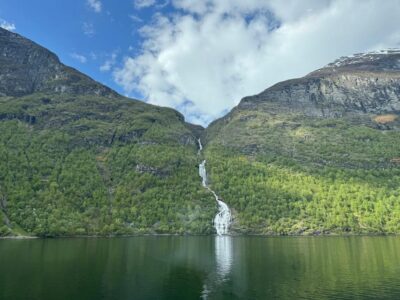
The first viewpoints bring you into the mountain scenery gradually. At the foot of Blåfjell, the road gives you a chance to stop and take in the high rock walls and open views around the route.
Kvandalls waterfall adds movement to the scenery. Waterfalls are easy to appreciate from a bus window, but stopping with a bicycle gives you a little more control over the moment. You can pause, take photographs, and continue when you are ready instead of following a fixed group schedule.
The weather will shape this part of the ride. On a clear day, you get sharp views of the mountains and fjord. In rain or low cloud, the route can feel moodier and more enclosed. The activity requires good weather, and poor conditions can lead to a different date or a full refund.
Do not assume that a scenic stop means a long break with a guide explaining every feature. The activity is self-paced and unguided after the equipment briefing. You receive route advice, but you are largely making your own decisions.
A few more rides around Norway worth a look
- Oslo: 3-Hour Highlights Bike Tour
★ 4.8 · 1,609 reviews - Oslo Highlights Bike Tour
★ 5.0 · 979 reviews - The Grand Oslo Ride: E-bike Experience
★ 4.4 · 185 reviews - The Grand Oslo Ride: E-bike Experience
★ 4.5 · 146 reviews
Opplenskedalen Valley and the Short Uphill
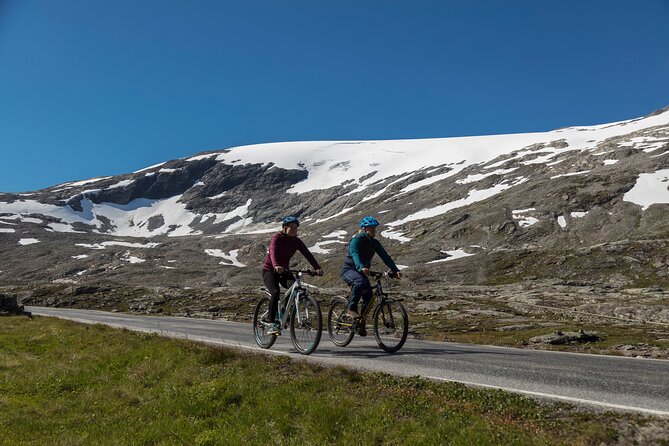
The route continues through Opplenskedalen Valley, where the scenery changes from high mountain road to a more layered view of valleys, slopes, and settlement. This is where the ride feels less like a single steep drop and more like a journey through several types of Norwegian scenery.
Most of the route is downhill, but one short uphill section has been reported. It is minor enough that some riders simply walked the bike. This detail matters because the word downhill can create the wrong expectation. You will not pedal hard for miles, but you should be ready for a brief effort.
The freedom to stop is one of the strongest parts of the format. You are not chasing a guide or waiting for a group at every bend. You can take photographs, look for flowers and waterfalls, or simply pause to regain confidence before the next descent.
That freedom also removes some support. A guided bike ride gives you a person to point out sights, manage traffic decisions, and help with mechanical problems. Here, you gain independence but give up that safety net.
Knuten and the Run Toward Flydalsjuvet
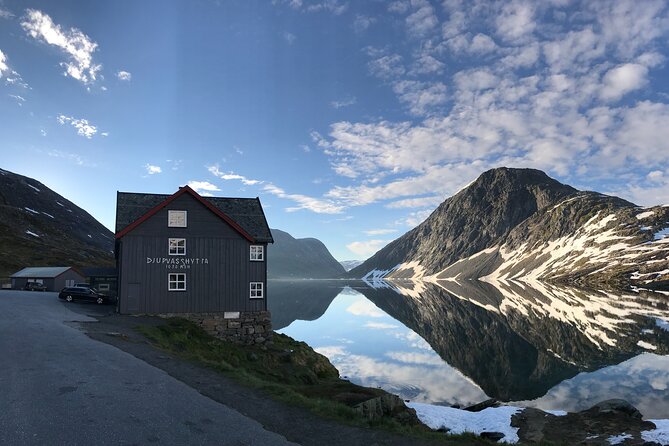
Knuten is another notable point along the road. The supplied route information identifies it as one of the main places to stop, though it does not promise a formal guided presentation. Think of it as a scenic pause built into your ride rather than a scheduled lecture.
The final highlight is Flydalsjuvet, the best-known viewpoint on the route. It is the place most likely to anchor your photographs and memories of the day. From here, the road and the surrounding fjord scenery come together in the way many people picture when they think of Geiranger.
The activity lists Flydalsjuvet as its itinerary stop, while the ride description also names Blåfjell, Kvandalls waterfall, Opplenskedalen Valley, and Knuten. Treat the whole route as the attraction. The exact amount of time at each point depends on your pace, stops, traffic, and weather.
You may be tempted to rush because the ride feels easy. Resist that. The best use of this format is to coast carefully, stop often, and leave enough time to enjoy the scenery rather than treating the route like a timed race.
How Much Is the Downhill Ride Worth?
The listed price is $160.09 per person. That is a serious price for an activity lasting about two and a half hours, especially since there is no guide accompanying you on the descent.
You are paying for more than bike rental. The price includes the uphill vehicle transfer, the bike, helmet, gloves, and visibility vest, along with the convenience of starting high above Geiranger. You also get access to a route that would require substantial effort to reach by bicycle on your own.
Still, the value depends on what you want. If you want a guided cycling tour with commentary, mechanical support, and a structured schedule, the cost may feel high. One person described the activity as expensive because the operator delivered the group to the top and then left them to ride independently.
If you value scenery, personal freedom, and a memorable shore excursion, the price is easier to justify. Several riders treated it as one of the best days of their cruise, and the small group limit helps make the transfer more personal than a large coach excursion.
The price also looks better if you would otherwise spend the day looking at the road from a bus. You are not just seeing the fjord. You are moving through it under your own control, with the wind, road, and changing views in front of you.
Who Will Enjoy This Most?
I would recommend this for a confident recreational cyclist who enjoys scenic roads and can manage downhill braking. You do not need to be an athlete, and the ride is not presented as a technical test, but you should feel comfortable sharing a road with vehicles.
It suits independent people who like to choose their own stops. You can ride at your own speed, take photographs when you want, and even spend extra time at a viewpoint rather than following a guide’s whistle.
It is also a good option for a mixed-ability couple. A stronger rider can go at a relaxed pace, while a less experienced rider can take the descent slowly and walk the short uphill section. The reported experience of a first-time or less confident cyclist suggests that the route is approachable when handled carefully.
I would hesitate to recommend it if you dislike traffic, feel nervous on downhill roads, or expect close personal supervision. The absence of a guide is not a small detail. Once you leave Djupvatn, you are responsible for navigation, pace, stopping, and basic road awareness.
Practical Advice Before You Roll Away
Wear clothing that works in changing mountain weather. The tour supplies gloves and a visibility vest, but the supplied information does not say that warm or waterproof clothing is included.
Keep your phone charged and save the operator’s contact number before leaving the vehicle. Mobile service may not be available at the top, and one rider had trouble accessing email when trying to find assistance information.
Take photographs only from safe stopping places. Do not block the road or stop just beyond a bend. The large buses mentioned in the route warnings make good judgment more important than getting one extra picture.
Give yourself time to inspect the bike. Confirm the seat height, test both brakes, check that the kickstand is secure, and make sure the helmet strap fits. If something feels wrong, ask the staff to correct it before you begin.
The tour is offered in English, and confirmation is provided when you book. It is available through mobile ticketing and begins and ends at the Geiranger meeting point.
Cancellation is free if you cancel at least 24 hours before the local start time. Changes or cancellations inside that window are not accepted for a refund. Since good weather is required, a weather cancellation offers either another date or a full refund.
Should You Book the Geiranger Downhill Bike Ride?
Book it if you want spectacular scenery with a little adrenaline, and you are comfortable riding independently on a public mountain road. The route, the downhill format, the flexible stops, and Flydalsjuvet make this a memorable way to see Geiranger.
Think twice if you want a fully guided tour or if $160.09 feels steep for a short, self-directed activity. Also, inspect the equipment carefully and ask clear questions before leaving the top.
For the right cyclist, this is a strong shore excursion: easy enough for moderate fitness, exciting without demanding technical skill, and packed with views that are difficult to appreciate from inside a bus.
FAQ
Where does the bike ride start?
The activity begins at Geirangervegen 10, 6216 Geiranger, Norway. The vehicle then carries you to Djupvatn Lake, 1,030 meters above sea level, where the downhill ride starts.
How long does the activity last?
The total experience lasts approximately two hours and 30 minutes.
How far do you ride?
The downhill route covers about 16 kilometers.
Is a guide present during the bike ride?
No. The descent takes place without a guide. The staff provide technical and safety instructions before you leave, then you ride independently.
What equipment is included?
The activity includes a bicycle, helmet, bicycle gloves, and visibility vest. An air-conditioned vehicle transfer is also included.
Is the ride suitable for beginners?
A moderate fitness level is required. The route is mainly downhill, though one short uphill section may require some pedaling or walking. You should also feel comfortable riding on a road used by vehicles.
What are the main viewpoints along the route?
The route includes viewpoints near Blåfjell, Kvandalls waterfall, Opplenskedalen Valley, Knuten, and Flydalsjuvet.
What happens if the weather is poor?
The experience requires good weather. If it is canceled because of poor conditions, you will be offered another date or a full refund. You can also cancel for a full refund if you do so at least 24 hours before the start time.
Newly added rides around Norway
- Premium eBike rental★ 5.0 · 18 reviews
- Mountain Bike – Voss Forest★ 5.0 · 35 reviews
- Mountain Bike – Voss Storålsen★ 5.0 · 13 reviews
- E-bike And Hiking Tour In Ålesund★ 5.0 · 47 reviews
- Oslo: Winter Highlights 3-Hour Bike Tour★ 4.9 · 46 reviews
- Olden: Guided e-bike tour★ 4.8 · 38 reviews
- Guided E-Bike Tour in Haugesund: city, vikings, Rising Tides★ 4.6 · 47 reviews
- Geiranger Fjord: Downhill Self-Guided Bike Tour★ 4.5 · 30 reviews
Norway Bike Tours, compared.
Guided E-Bike Tour in Haugesund: city, vikings, Rising Tides
Read our review →
Browse the lists this tour appears in