
REVIEW · VIETNAM BIKE TOURS
Can Tho Countryside Bike Tour with Fruit Garden Visit
Slow roads reveal more. This small-group bike tour gives you a close look at Can Tho’s rural side, with fruit tasting, village paths, a historic banyan tree, and a family-run cacao farm. I like the gentle pace and the chance to see ordinary Delta life rather than only the better-known floating market. I also like that the group is limited to six people, which should make it easier to ask questions and stop for photos.
The main point to consider is timing. The tour starts at 1:45 pm and lasts about four to five hours, so you will be cycling in the afternoon heat before reaching the cooler end-of-day light. It is currently available for adults only, and the route depends on good weather.
Key details at a glance
- Seasonal fruit tasting: Explore Ba Láng Eco Garden and try fruits grown in the Mekong Delta.
- A remarkable old banyan: See the Gian Gua Historical Relic, where tangled trunks carry reminders of past conflicts.
- Cacao grown since the 1960s: Visit Muoi Cuong Cacao Farm and learn how local cacao becomes chocolate.
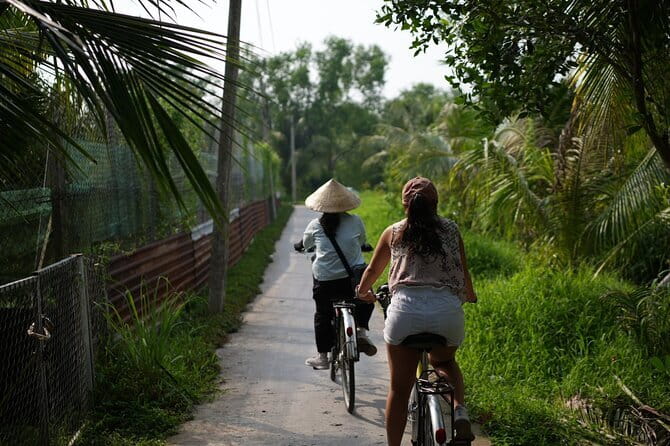
- Quiet village cycling: Ride along canals, rice fields, small roads, traditional homes, and a seedling-growing village.
- Small group size: The maximum is six people, a useful limit for a relaxed ride and personal guiding.
- Afternoon into sunset: The 1:45 pm departure leaves room for soft evening light on the return route.
Why this Can Tho bike tour feels different
Can Tho is often treated as a base for an early boat trip to Cai Rang Floating Market. That is worthwhile, but it shows only one slice of the Mekong Delta. This cycling tour takes you away from the water traffic and into the countryside around the city.
You ride at ground level, where the details are easier to notice. Rice fields, canals, family homes, garden plants, and small local roads pass slowly enough for you to stop and ask questions. That pace matters. From a bus or a fast motorbike, rural life can blur into scenery. On a bicycle, you have time to see how the countryside is arranged.
The route is also more varied than a simple countryside ride. You are not just pedaling from one viewpoint to the next. The fruit garden gives you a taste of local produce, the ancient tree adds a strong historical note, and the cacao farm shows a working agricultural tradition that has been part of the area since the 1960s.
I would not choose this outing for a demanding athletic challenge. The route is described as good and manageable, and the overall mood is leisurely. It is better suited to someone who likes to keep moving but wants plenty of time for conversation, photos, and short stops.
More Countryside Bike Tours in Vietnam
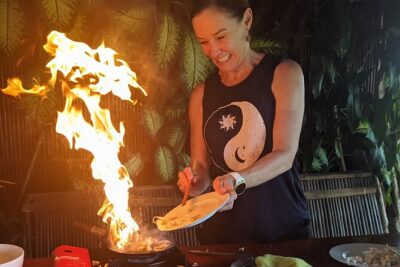
- Cai Be Mekong Delta Tour: Cooking Class, Cycling & Craft Villages
★ 5.0 · 1,881 reviews - Mekong Day Trip Explore Village Bicycle CookingClass Group 12 Pax
★ 5.0 · 705 reviews - Hoi An Countryside Bike Cycling Tour with Basket Boat and lunch
★ 5.0 · 325 reviews
Starting at Vincom Plaza Xuân Khánh
The meeting point is Vincom Plaza Xuân Khánh at 209 Đường 30 Tháng 4, Xuân Khánh, Ninh Kiều, Cần Thơ. The start time is 1:45 pm, and the ride returns to this same meeting point.
That central start is helpful if you are staying in Can Tho and want a clearly defined place to begin. You should allow enough time to find the shopping center and meet the guide before departure. Since this is a bike tour rather than a coach excursion, arriving late could be more troublesome than on a large group outing.
The group limit of six is one of the strongest practical features. A small group can pause beside a garden or village lane without creating much fuss. It also gives you a better chance to ask about fruit, farming, local customs, and the places along the route.
Guides may vary. Nhung receives especially warm praise for her friendly manner, local knowledge, and ability to adjust the ride to weather and personal preferences. Jason is noted for speaking English well, while Nga also led a pleasant countryside outing. The exact guide is not guaranteed, but the experience appears to rely heavily on having a personable local guide.
Tasting the Mekong Delta at Ba Láng Eco Garden
The first stop is Vườn Sinh Thái Ba Láng, a tropical fruit garden. You can spend up to 40 minutes exploring and tasting seasonal fruit. The full listed time for this first section is about one hour and ten minutes, which includes the garden visit and the transition toward the next stop.
This is a good opening because fruit is easier to understand when you see it growing. Rather than simply being handed a plate of unfamiliar produce, you can look at the plants and ask how the fruits fit into local farming life. One of the useful features here is the chance to try fruits you may have passed in Vietnamese markets without knowing what they were.
Season matters. The garden offers seasonal fruit, so the exact tasting selection will change. That is part of the appeal, but it also means you should not expect a fixed menu of particular fruits.
I like this stop because it is hands-on without being staged as a major attraction. The garden is family-run, and the visit connects directly with the food traditions of the Delta. If you enjoy learning through taste, this may be one of the most rewarding parts of the afternoon.
Afterward, you cycle for about 30 minutes toward the Gian Gua Historical Relic. The route passes rice fields, traditional homes, and quiet village roads. The ride is not presented as a race, and you should have opportunities to take pictures and ask questions along the way.
Meeting the old banyan at Gian Gua
The Gian Gua Historical Relic centers on a massive ancient banyan tree. Its trunks and branches twist together into a striking form, making it an unusual stop even if you have already seen banyan trees elsewhere in Vietnam.
The tree is more than a natural curiosity. It carries marks from past conflicts, including bomb fragments and bullet damage. That gives the stop a more serious tone than the fruit garden. You are looking at a living part of the countryside that has witnessed decades of local history.
The scheduled visit lasts about 55 minutes, with no separate admission charge. That is enough time to walk around the tree, take photographs, and hear the guide explain its importance. I would expect the guide to be especially useful here because the physical sight alone cannot tell you why the tree became a historical relic.
This is also a good pause in the cycling rhythm. After the open roads and garden visit, you get time to stand still and take in a single place. The contrast helps the afternoon feel like a series of connected stories rather than one long bike ride.
You should keep your expectations sensible. This is not a major museum or a large war memorial with extensive displays. Its impact comes from the tree itself and the stories connected to it. If you prefer local places with a strong sense of place, it should hold your attention. If you want a polished historical exhibition, it may feel modest.
Same handlebars, a completely different route:
- Ninh Binh Day Trip: Hoa Lu-Trang An/Tam Coc-Mua Cave-Cycling-Boat
★ 5.0 · 1,886 reviews - Cat Ba: Lan Ha, HaLong bay full day- biking, kayaking, lunch
★ 4.8 · 1,166 reviews - From Hanoi: Hoa Lu & Tam Coc with Buffet lunch & Cycling
★ 4.4 · 616 reviews - Hoi An: Morning Countryside Tour by Bike
★ 4.8 · 303 reviews
From cacao pod to chocolate at Muoi Cuong Farm
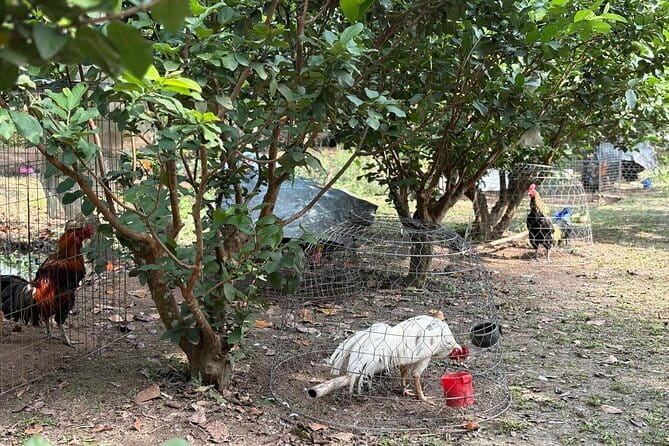
The next major stop is Muoi Cuong Cacao Farm, a family-run farm where cacao has been cultivated since the 1960s. You spend about 40 minutes exploring the garden and learning about traditional chocolate-making methods. The full listed time for this section is about one hour and ten minutes.
This is the most distinctive stop on the route. Cacao is not the first crop most people associate with the Mekong Delta, so the visit adds something you are unlikely to get from a standard city tour. You learn how the farm handles cacao and get to sample fresh cacao products, including chocolate.
I especially like the link between the garden and the tasting. You see the source, hear about the traditional process, and then taste the result. That simple sequence makes the chocolate more memorable than a shop tasting would be.
The farm is family-run, which gives the visit a personal scale. It is not described as a large factory tour, so you should expect a direct introduction to local production rather than a highly technical industrial presentation. The guide can help fill in the details and explain what you are seeing.
The cacao farm also gives you a useful reason to choose this tour over a basic bike ride. Cycling through rural scenery is pleasant, but the farm adds substance. You come away with an understanding of one local product and the people who continue to make it in a traditional way.
The return ride through canals and seedling villages
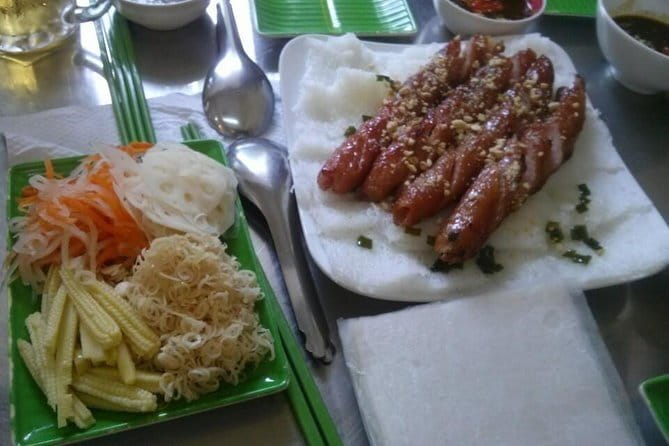
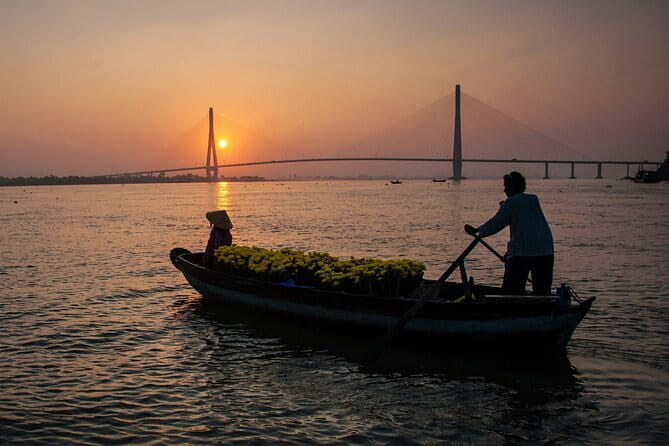
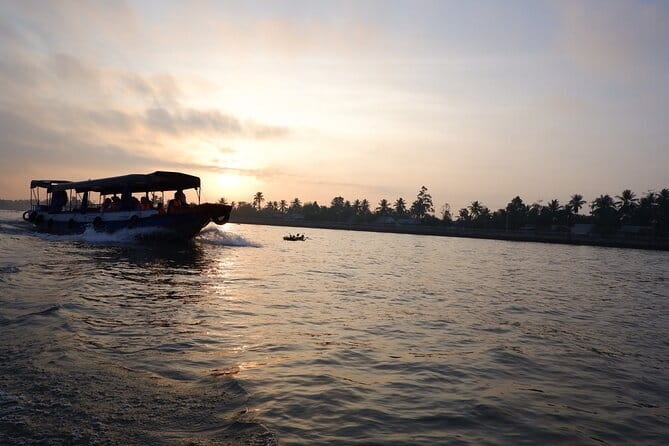
After the cacao visit, the route continues along a scenic riverside stretch. It passes through a seedling village before returning to the meeting point. The tour description frames this part of the ride around the golden light of late afternoon and sunset.
The exact quality of the evening light will depend on weather and the time of year. Still, the timing is well chosen. A 1:45 pm start gives you the hotter part of the day for the earlier cycling and aims to place the final stretch closer to sunset.
The route through canals and small villages is where the tour feels most connected to daily life. You are not only visiting named attractions. You are seeing the spaces between them, including homes, fields, waterways, and plant nurseries.
The seedling village is a useful final stop in the sense that it brings you back to agriculture. Fruit, cacao, rice, and seedlings are not separate tourist themes. They are parts of the working countryside around Can Tho. The cycling route helps you see those connections.
The return ride should suit you if you enjoy motion with a view. It may be less appealing if you want to finish with a long sit-down meal or a formal sunset viewpoint, neither of which is included in the stated program.
How difficult is the cycling?
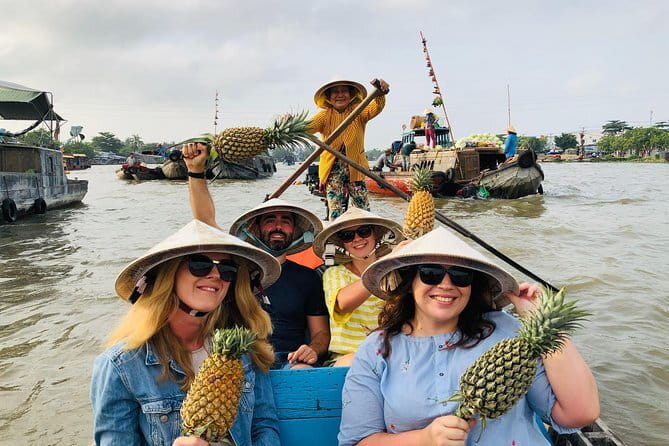
The available information describes the roads as good and suitable for people who like to move, without being tough. The ride is also described as leisurely and suitable for a broad range of cycling abilities.
That does not mean you should treat it as effortless. The tour lasts four to five hours, and afternoon heat can affect how comfortable you feel. You should be ready for sustained time on a bicycle, even though the pace is relaxed and the stops break up the riding.
The route includes small roads, canals, village areas, and countryside paths. It is not described as a mountain ride or a technical cycling route. If you are comfortable with ordinary recreational cycling, the available details suggest this should be within reach.
The tour is currently for adults only. Most people can participate, but the provider does not give detailed information about bicycle models, helmets, saddle adjustments, or assistance during the ride. If any of those points are important to you, ask before booking.
Guide quality and the value of a small group
The guide can make a real difference here because many of the best moments depend on explanation. A fruit garden needs context, the banyan tree needs its story, and cacao production is more interesting when someone shows how the process works.
Nhung is singled out for her enthusiasm, local understanding, and ability to answer questions. She is also praised for allowing time for pictures and for adapting the ride to the weather. Jason is a good choice if English communication is your main concern, though the guide assignment is not promised in advance.
The maximum group size is six. That is small enough to feel personal without making this a private tour. You can likely ask questions without waiting behind a crowd, and the guide can keep the group together on village roads more easily.
At $30 per person, I consider the price fair for what is included: roughly half a day of guided cycling, a fruit garden visit, fruit tasting, a historical site, a cacao farm, chocolate or cacao samples, and the local interpretation tying it all together. The value is strongest if you care about the guide and the rural access. If you only want to rent a bicycle and ride independently, the price will feel less compelling.
Who should book this experience?
I would recommend this tour to adults who want a quieter side of Can Tho and enjoy active sightseeing. It suits people who prefer small roads, farms, local stories, and food experiences to large attractions.
It is a particularly good fit if you have already planned a floating market visit and want a different view of the Mekong Delta. The two outings complement each other: one focuses on river commerce, while this one focuses on countryside roads and agriculture.
You should think twice if you dislike afternoon heat, are uncomfortable spending several hours on a bicycle, or want a tightly scheduled sightseeing program with no weather risk. The route is relaxed, but it is still an outdoor activity.
The tour requires good weather. If poor conditions force a cancellation, you can choose another date or receive a full refund. For your own cancellation, you need to cancel at least 24 hours before the start time for a full refund. Changes or cancellations within 24 hours are not refunded.
Final verdict: a gentle, worthwhile rural ride
I would choose the Can Tho Countryside Bike Tour for its combination of quiet roads and meaningful stops. The ancient banyan gives the afternoon a sense of place, while the fruit garden and cacao farm make the ride useful as well as scenic.
The best reason to book is the balance. You get exercise, food, local agriculture, history, and a small group without packing the day too tightly. Book it if you want to see how the countryside around Can Tho works. Skip it if you want a strenuous ride, a fully indoor activity, or a guaranteed named guide.
FAQ
How much does the Can Tho countryside bike tour cost?
The tour costs $30 per person.
How long does the tour last?
The experience lasts approximately four to five hours.
What time does the tour start?
The tour starts at 1:45 pm.
Where does the tour begin?
It begins at Vincom Plaza Xuân Khánh, 209 Đường 30 Tháng 4, Xuân Khánh, Ninh Kiều, Cần Thơ, Vietnam.
Where does the tour finish?
The activity returns to the same meeting point at Vincom Plaza Xuân Khánh.
Is the tour available for children?
At present, the tour is available for adults only.
What is the maximum group size?
The maximum group size is six people.
What places are included in the route?
The route includes Ba Láng Eco Garden, the Gian Gua Historical Relic, and Muoi Cuong Cacao Farm. It also includes countryside roads, canals, rice fields, traditional homes, a riverside stretch, and a seedling village.
What happens if the weather is poor?
The experience requires good weather. If it is canceled because of poor weather, you can choose a different date or receive a full refund.
Newly added rides around Vietnam
- Rural Can Tho Biking Trail★ 5.0 · 31 reviews
- Full-Day Experience in Mekong Cycling and Authentic Home Cooking★ 5.0 · 89 reviews
- Can Tho: Cycling in Village-Fruit Garden-Experience Local Ferry★ 5.0 · 24 reviews
- Hoi An: Rural Cycling Tour to Village with Basket Boat Ride★ 5.0 · 174 reviews
- Rural Cycle, Market Tour, Basket Boat & Organic Farm Cooking★ 5.0 · 64 reviews
- Ninh Binh E-bike Tour: Tam Coc Rural Life, Bich Dong & Dundj★ 4.5 · 34 reviews
- Ninh Binh: Lan Ha Bay 2D 1N cruises- bike tour, kayak, meals★ 4.8 · 19 reviews
- Ninh Binh E-Bike Tour – Tam Coc Secret Landscapes★ 5.0 · 41 reviews
Vietnam Bike Tours, compared.
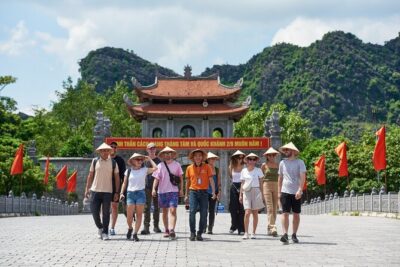
Ninh Binh Day Trip: Hoa Lu-Trang An/Tam Coc-Mua Cave-Cycling-Boat
Read our review →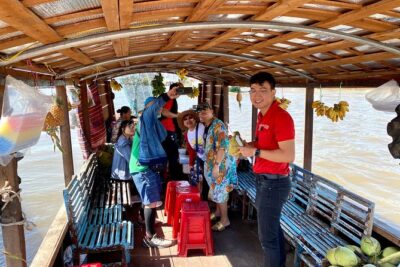
Cai Be Mekong Delta Tour: Cooking Class, Cycling & Craft Villages
Read our review →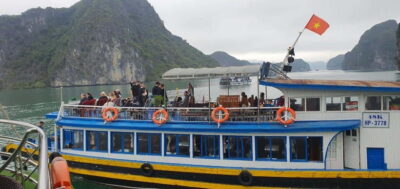
Cat Ba: Lan Ha, HaLong bay full day- biking, kayaking, lunch
Read our review →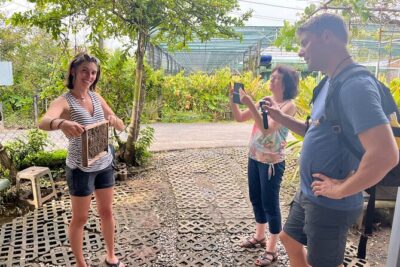
Mekong Day Trip Explore Village Bicycle CookingClass Group 12 Pax
Read our review →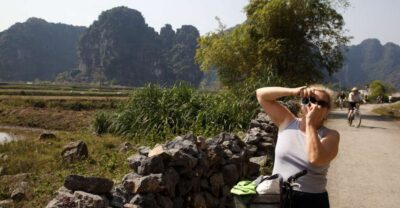
Hoi An Countryside Bike Cycling Tour with Basket Boat and lunch
Read our review →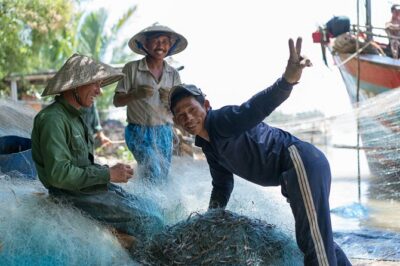
Browse the lists this tour appears in