
REVIEW · NEW ORLEANS BIKE TOURS
New Orleans Creole Odyssey Small-Group Bike Tour
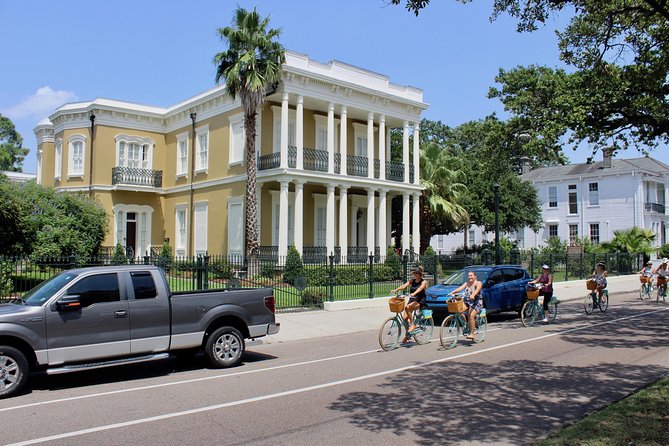
New Orleans reveals itself beyond Bourbon Street. This three-hour ride links the French Quarter with Faubourg Marigny, Mid-City, City Park, St. Louis Cemetery No. 3, and Bayou St. John, giving you a useful look at the city’s Creole roots and everyday neighborhoods. I especially like the flat route and the chance to reach places many first-time visitors miss, including City Park and Congo Square. The main catch is the basic one-speed bicycle, which may feel less polished than the bikes used on some other city tours.
I also like the small group, capped at 10 people, because that gives your guide room to answer questions and adjust the pace. Guides such as Eric and Gomez have earned praise for their warmth, clear storytelling, and love of New Orleans. Still, you need a good level of fitness, and the tour does not suit anyone under 13 or shorter than 4 feet 11 inches.
Key points at a glance
- A ride beyond the French Quarter: Follow a route through Faubourg Marigny, Mid-City, and other areas that many short-stay visitors never reach.
- Flat terrain with a full three-hour schedule: The route is easy in terms of hills, but the length and warm weather still call for decent stamina.
- A strong mix of city history and local geography: Learn about Creole culture, cemetery customs, jazz, Native American routes, French settlement, and New Orleans neighborhoods.
- City Park adds breathing room: The ride includes a stop at the park’s Cafe du Monde for a 10-minute break.
- Small groups keep the guide accessible: A maximum of 10 people makes it easier to hear the commentary and ask questions.
- Simple equipment, practical clothing: A bicycle, helmet, and bottled water are included, but you need closed-toed shoes or secure sandals.
Why this bike tour is a smart way to see New Orleans
New Orleans is easy to experience in small pieces. You can spend hours in the French Quarter, listen to music on Frenchmen Street, and still leave without a clear sense of how the city fits together. This tour solves that problem by using a bicycle to connect several distinct areas in one outing.
The route is flat and described as leisurely, so you are not facing serious hills or technical riding. That matters in New Orleans, where the bigger challenge is usually heat, humidity, traffic, and the sheer length of the ride. You cover ground without spending half the day in a vehicle.
I like the balance between movement and stops. You are not simply pedaling past buildings while a guide talks. The ride pauses at cemeteries, parks, historic neighborhoods, and waterways, giving you time to listen and take in the setting.
The tour costs $55 per person. For that price, you receive the bicycle, helmet, bottled water, and a professional guide for about three hours. I consider that fair value if you want both transportation and interpretation. A self-guided rental may cost less, but it will not give you the same historical context or a planned route through several neighborhoods.
A few more rides around the USA worth a look
- NYC: Central Park Bike Rentals
★ 4.2 · 2,528 reviews - Red Rock Canyon eBike Half-Day Tour
★ 5.0 · 1,870 reviews - NYC: Central Park Bike Rental
★ 4.1 · 1,651 reviews
Starting at 626 North Rampart Street
The meeting point is Flambeaux Bicycle Tours at 626 N Rampart St., just outside the main French Quarter area. The shop is near public transportation, and Twelfth Night Coffee sits next door if you want coffee or a pastry before the ride.
You will receive your bicycle and helmet at the shop before setting out. The equipment is functional rather than fancy. One rider described the bicycle as a one-speed model with an old-fashioned seat and a somewhat primitive feel. That is useful information if you are accustomed to sleek multi-gear rental bikes.
The route does not require gear changes for hills, since it is flat. Still, take a few minutes to make sure the seat feels right before leaving. A poor seat adjustment can make a three-hour ride harder than it needs to be.
Closed-toed shoes are preferred. Flip-flops and loose slippers are not allowed because they can slip from the pedals. Secure sandals with heel straps are acceptable. Dress for the weather, and remember that New Orleans heat can make a moderate ride feel more demanding.
French Quarter beginnings and the old city
The first section uses the French Quarter as a starting point rather than the entire focus of the tour. You stop to see the oldest building in the city, then move toward the wider story of New Orleans.
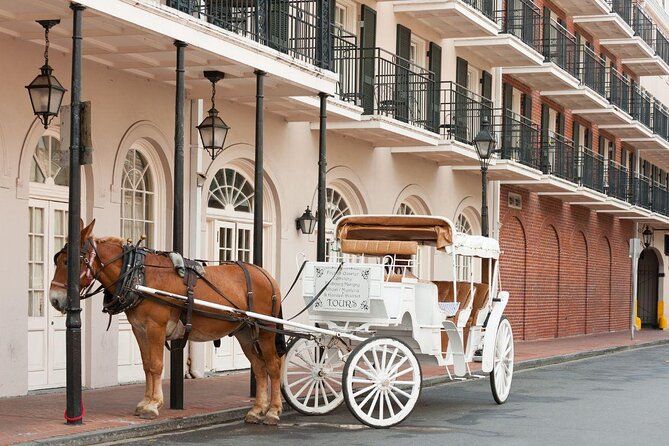
That approach works well. The French Quarter is the city’s best-known district, but a short visit there can reduce New Orleans to balconies, cocktails, and postcard architecture. The guide helps place the quarter within the city’s larger Creole story before you leave its familiar streets.
The opening stop is brief, about 15 minutes in the French Quarter, so do not expect a full architectural tour. Think of it as a point of orientation. You get a historical anchor, then the bicycle takes you into areas where the city feels less arranged for sightseeing.
Faubourg Marigny and the music connection
The ride includes Faubourg Marigny, with time around Frenchmen Street. This area is closely tied to New Orleans music and local culture, and the stop helps explain why the city’s sound developed in particular neighborhoods rather than in some abstract musical vacuum.
The tour also reaches Congo Square, another important cultural stop. Here, the guide discusses the origins of jazz and the site’s sacred importance. This is one of the most meaningful parts of the route because it connects music with place, memory, and community.
I would pay close attention during these stops. The value is not just seeing a street where clubs operate today. You are learning how New Orleans culture grew from many communities and traditions. The guide’s delivery matters here, and Eric and Gomez have both been praised for making the history clear and engaging. Gomez also guides in two languages, which may help bilingual groups.
Same handlebars, a completely different route:
- Central Park Bike Rental
★ 4.7 · 1,509 reviews - Austin Biker Gang E-Bike Tour
★ 5.0 · 1,399 reviews - Asheville Historic Downtown Guided Electric Bike Tour with Scenic Views
★ 5.0 · 1,234 reviews - Siesta Key Electric Bike Sunset Tour
★ 5.0 · 1,075 reviews
Two hours through Mid-City
Mid-City takes up the largest part of the tour, roughly two hours of the schedule. This is where the ride shifts from quick highlights to a broader look at New Orleans away from the main tourist corridor.
You pass through leafy areas and oak-lined avenues, with the bicycle providing a close-up view that a bus cannot match. The point is not to race from attraction to attraction. It is to notice how neighborhoods change as you move away from the French Quarter.
Mid-City also gives you a better sense of the city’s geography. The tour heads toward the edge of town and the waterways that shaped early travel and settlement. That makes the ride useful for your later sightseeing because you begin to understand distances and district boundaries instead of viewing each place as an isolated stop.
The two-hour section does require stamina. The route is flat, but flat does not mean effortless. You are still riding for a substantial part of the three-hour experience, often in weather that can be hot. I would choose this tour early in a New Orleans visit, when you are more likely to have the energy for it and can use the guide’s orientation for the rest of your trip.
St. Louis Cemetery No. 3 and New Orleans burial customs
The stop at St. Louis Cemetery No. 3 lasts about 20 minutes. This gives you time to learn about local burial practices and the district’s above-ground cemetery traditions.
Cemeteries in New Orleans are not simply quiet spaces filled with old stones. They also reflect the city’s environment, religious traditions, family structures, and relationship with the dead. A guided visit is particularly helpful because the meaning of the tombs and burial customs is not always obvious from a casual walk.
The stop is short, so you should expect an introduction rather than an exhaustive cemetery study. That is probably the right balance on a bike tour. You get context and a chance to look closely, then continue toward City Park.
City Park and a Cafe du Monde pause
City Park is one of the route’s strongest rewards. You ride through the city’s largest urban park and stop at its Cafe du Monde location for about 10 minutes.
That pause breaks up the ride at a useful point. You can rest, get a drink or snack if you choose, and enjoy a change from streets and buildings. Food and drinks are not included, so budget separately if you want something from the cafe.
The park also gives the tour a different rhythm. After the tighter urban sections, the open green setting offers room to breathe. One especially positive account of the tour singled out City Park as a favorite part, and I can see why. It adds variety without requiring a separate trip across town.
Do not confuse the cafe stop with a full meal break. Ten minutes goes quickly, and the tour continues afterward. If you need coffee before departure, Twelfth Night Coffee next to the shop may be more convenient.
Bayou St. John and the city’s waterways
The ride continues to Bayou St. John, a natural and historic waterway used by Native Americans and early French settlers. This is where the tour’s geography lesson becomes especially clear.
New Orleans was shaped by water. Bayou St. John helped connect the city with routes beyond the immediate settlement, and seeing it in person makes that fact easier to understand than reading about it on a plaque. The waterway also gives you a quieter setting after the traffic and music districts.
The stop lasts about 15 minutes. You will have time to take in the surroundings and hear the historical explanation, but this is not a long waterfront break. The appeal is the connection between nature, transportation, settlement, and the city’s growth.
Congo Square and the final ride back
Congo Square is the final major cultural stop before the return to the shop. The guide discusses the origins of jazz and the sacred role of the location.
This stop rounds out the tour well. The earlier sections introduce neighborhood history, burial practices, and waterways. Congo Square brings the focus back to music and cultural memory, two subjects that shape the way many people think about New Orleans.
The tour then returns to Flambeaux Bicycle Tours, with the full experience lasting about three hours. The schedule includes several short stops, but most of your time is spent riding. That is a good fit if you want an active overview rather than a slow walking tour.
What the guides add to the experience
The guide can make or break a city bike tour, especially when the route includes serious historical subjects. Eric has received strong praise for his friendly manner, strong city knowledge, and obvious affection for New Orleans. His style appears to suit people who want history delivered with personality rather than a dry list of dates.
Gomez has also been praised for answering questions and guiding in both English and Spanish. That is a practical advantage for bilingual groups and for anyone who prefers to hear local history in Spanish.
The best comments about the guides focus on two things: they make the information easy to follow, and they remain engaged with the group. One account even noted that Gomez extended the outing so the group could see everything properly. You should not assume every tour will run long, since the advertised duration is approximately three hours, but the example suggests a guide who cares about the quality of the experience.
Who should book, and who should think twice
I would recommend this tour to first-time visitors who want more than the French Quarter. It suits adults, older teenagers, and families with active children. The minimum age is 13, and everyone must be taller than 4 feet 11 inches.
You should have a strong level of physical fitness. The lack of hills makes the route approachable, but you still need to pedal for much of three hours. If you dislike cycling in warm weather or want a mostly seated sightseeing experience, choose a walking or vehicle-based option instead.
The tour is also a good choice if you enjoy history, music, geography, and neighborhood views in equal measure. It is less suitable if your main goal is a technical bike ride, high-end equipment, or a deep visit inside individual attractions.
The group limit of 10 is a real plus. A small group usually makes it easier to hear the guide, ask questions, and keep the ride together. It also gives the experience a more personal feel than a large vehicle tour.
Booking details worth knowing before you go
Confirmation is provided at booking, and the tour uses a mobile ticket. Free cancellation is available if you cancel at least 24 hours before the start time. Changes or cancellations made inside that window are not accepted for a refund.
The experience depends on good weather. If poor weather causes the operator to cancel, you will be offered another date or a full refund. Since the tour is outdoors and lasts three hours, check the forecast before choosing your clothing and plan.
Gratuities, food, and drinks are not included. The bicycle, helmet, guide, and bottled water are included, which keeps the $55 price easy to understand.
Should you book the New Orleans Creole Odyssey?
I would book this tour if you want a practical introduction to New Orleans that reaches beyond the French Quarter. The route covers music, cemeteries, parks, waterways, and residential districts in one morning or afternoon, and the flat terrain keeps the ride manageable for people with solid stamina.
The strongest reasons to choose it are the small group, the city-wide route, and guides such as Eric and Gomez, who bring warmth and clear explanations to the history. The main compromises are the basic one-speed bicycle, the required fitness level, and the possibility of hot riding conditions.
For $55, this is a good-value choice for active visitors. Bring secure footwear, dress for the weather, arrive ready to pedal, and treat the ride as your city orientation. If you do, you will leave with a clearer sense of how New Orleans connects its neighborhoods, waterways, music, and Creole past.
FAQ
How long is the New Orleans Creole Odyssey bike tour?
The tour lasts approximately three hours.
Where does the bike tour begin?
It begins at Flambeaux Bicycle Tours, located at 626 N Rampart St., New Orleans, Louisiana 70116.
What is included in the tour price?
The price includes a professional guide, bicycle use, helmet use, and bottled water.
What age and height requirements apply?
Participants must be at least 13 years old and taller than 4 feet 11 inches.
What should I wear for the bike tour?
Dress for the weather and wear closed-toed shoes if possible. Flip-flops and loose slippers are prohibited. Sandals with heel straps are an acceptable alternative.
Can I cancel the tour for a full refund?
Yes. You can cancel at least 24 hours before the experience start time for a full refund. If poor weather causes the operator to cancel, you will be offered another date or a full refund.
Newly added rides around the USA
- Private North County San Diego Electric Bike and Hike Tour★ 5.0 · 10 reviews
- 1 Day Electric Bike Rental in Solana Beach★ 5.0 · 11 reviews
- Local Guided Electric Bike Tour from Solana Beach to Encinitas★ 5.0 · 51 reviews
- Carlsbad 3-Hour Electric Bike Rental★ 4.5 · 46 reviews
- Hourly Electric Bike Rental in Solana Beach★ 5.0 · 24 reviews
- Luxury Guided Electric Bike Tour to Downtown Encinitas★ 5.0 · 18 reviews
- Wine Country Half-Day Bike Tour from Solvang – w/o Lunch★ 5.0 · 12 reviews
- Waterfront Ride: Outer Harbor History Bike Tour★ 5.0 · 15 reviews
New Orleans Bike Tours, compared.
New Orleans French Quarter and Garden District Bike Tour
Read our review →
Creole New Orleans Electric Bike Tour (ages 16 & up)
Read our review →
New Orleans History and Sightseeing Small-Group Bike Tour
Read our review →
New Orleans: Garden District and French Quarter Bike Tour
Read our review →
Browse the lists this tour appears in