

REVIEW · CAPE TOWN BIKE TOURS
Cape Town: Cultural Cycling Tour
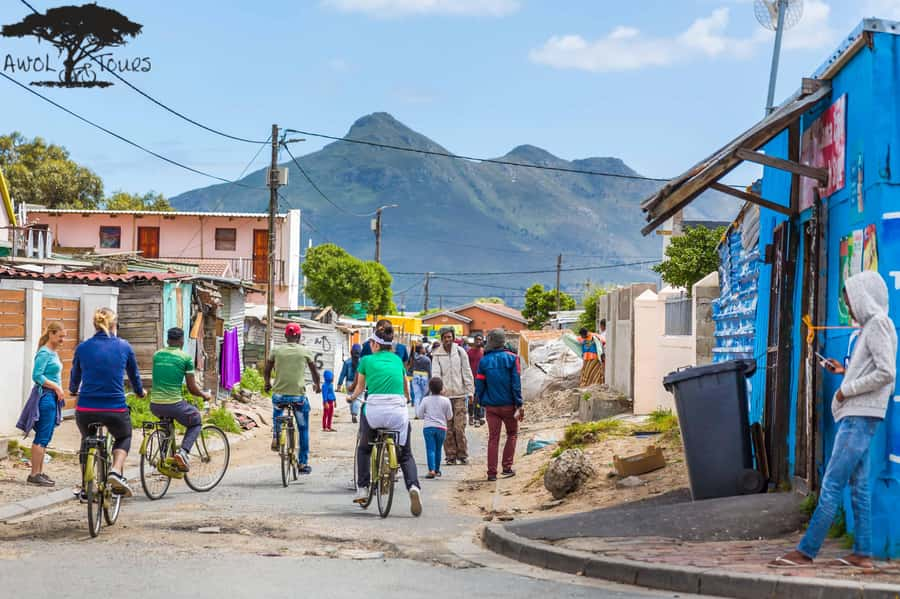
Township life is best met at street level. This four-hour cycling tour through Masiphumelele gives you a direct, respectful way to see daily life in a Cape Town township. I like the small group limit of eight, and I like that the tour supports the Songezo cycling academy and Masicorp rather than treating the community as a backdrop.
I also appreciate the chance to share food in a local setting and speak with a Xhosa guide about customs, work, education, and faith. The main consideration is that this is not a polished sightseeing ride. Some stops may feel uncomfortable, and the tour is not suitable for wheelchair users or people with mobility impairments.
Five things to know before you ride
- The tour begins at a real community campus: You start at Masicorp’s Chasmay Road Campus, which also shares space with the Songezo Youth Cycling academy.
- You ride a traditional Dutch bicycle: The old-fashioned bikes suit the relaxed pace and give the outing a local, unfussy feel.
- The Sangoma visit is a major highlight: You may meet traditional healers and dance with them while learning about an important part of Xhosa culture.
- The itinerary changes with the day: A crèche visit is available during school time, and Sundays may include a local gospel church service.
- Your money has a clear local purpose: Ten percent of the tour proceeds goes directly to Masicorp, which supports education in the community.
Starting at Masicorp and the Songezo cycling academy
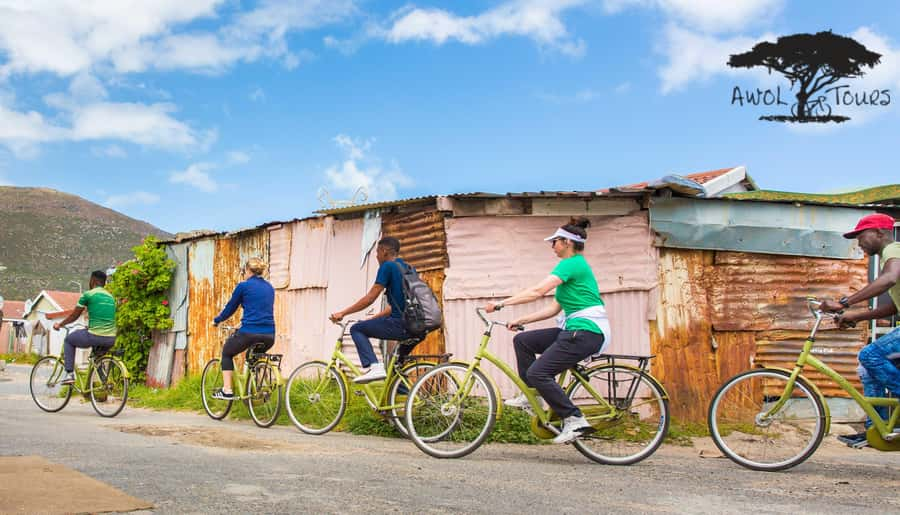
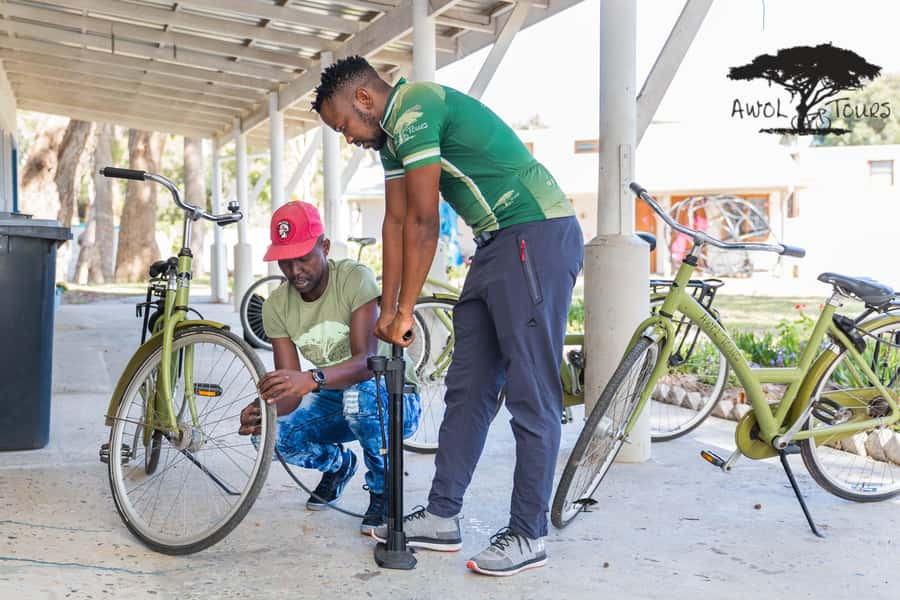
Your meeting point is Masicorp’s Chasmay Road Campus in Masiphumelele. This is more than a parking area and a place to collect a bicycle. The campus shares a workshop with the Songezo Youth Cycling academy, so you might see young cyclists from the township training before your ride begins.
That opening gives the tour useful context. You are not simply passing through Masiphumelele for photographs. The bicycle itself connects to a local project that encourages young people to take up cycling, with Songezo Jim described as South Africa’s first Black South African cyclist. His work now helps inspire other young cyclists in the community.
The tour lasts four hours, long enough for several stops without turning into an all-day commitment. A group of no more than eight people should make it easier to hear your guide, ask direct questions, and avoid the feel of a large convoy.
You receive an old-fashioned Dutch bicycle and ride with a local English-speaking Xhosa guide. Wear comfortable shoes, and leave high heels and jewelry at home. The instructions also ask you not to bring food, and you should not hand sweets or treats to children. The local partner prefers support to go through registered charities.
A few more rides around South Africa worth a look
- Stellenbosch: Historical Bike Tour & Wine Tasting
★ 4.9 · 248 reviews - Cape Town City Cycling Tour
★ 5.0 · 199 reviews - Cape Town: Guided Bike Tour
★ 4.9 · 193 reviews
Riding through Masiphumelele with a local guide
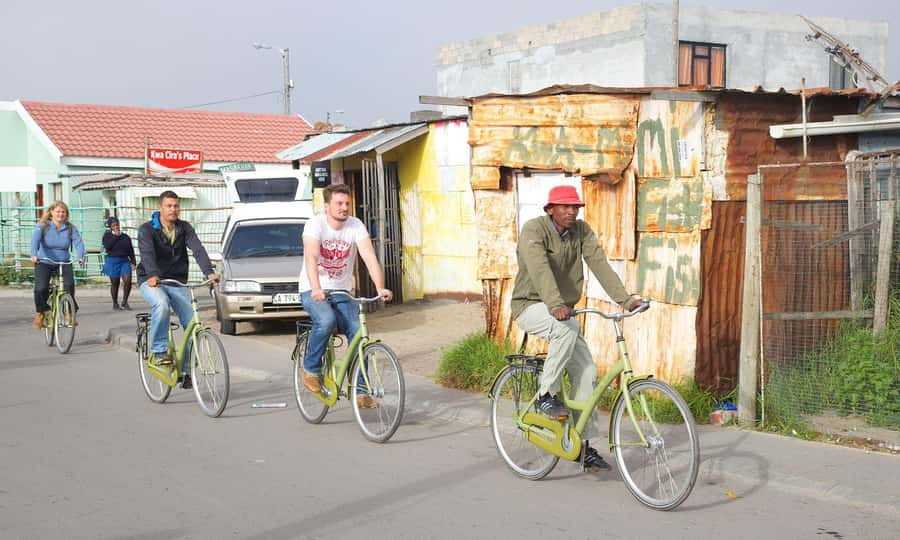
The heart of the outing is the ride itself. Your guide takes you through the township and explains local Xhosa customs along the way. The value is not speed or scenery. It is the chance to ask questions as you move through places where people live, work, study, worship, and build small businesses.
You visit a local library, entrepreneurs, and small businesses. These stops help you look beyond the usual outsider picture of a township. A library shows the role of education and access to information. Local businesses show how people create income and services close to home. Small stops like these can be more revealing than a list of landmarks.
The ride also brings serious contrasts into view. One review described the outing as impressive but uncomfortable, with a strong awareness of economic privilege and inequality. That reaction is worth taking seriously. You may enjoy the warmth of the welcome and still feel uneasy about seeing hardship as part of a holiday activity.
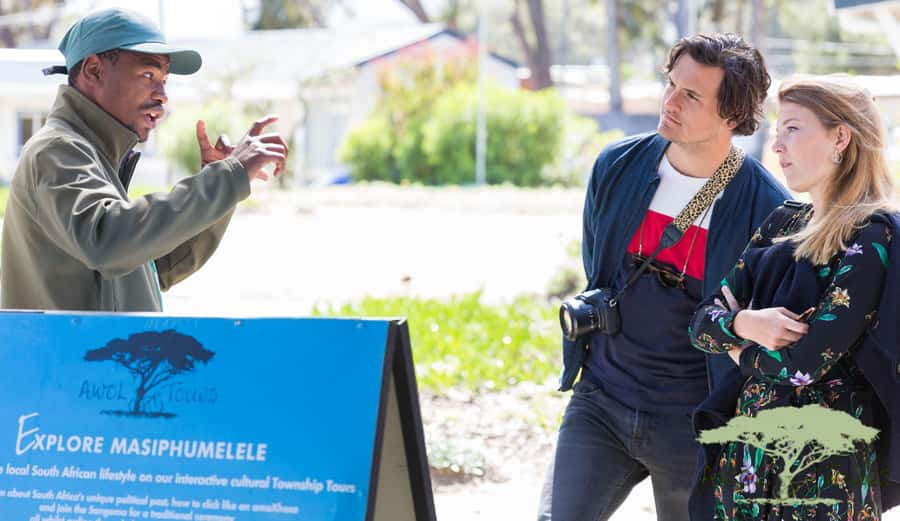
A good guide makes the difference here. The tour is built around conversation, so you should feel free to ask careful questions rather than simply observe. Lutho received particular praise in the available feedback. If Lutho is leading your departure, you may be in for a particularly strong guiding experience, although guides can vary by date.
Meeting traditional healers and learning through movement
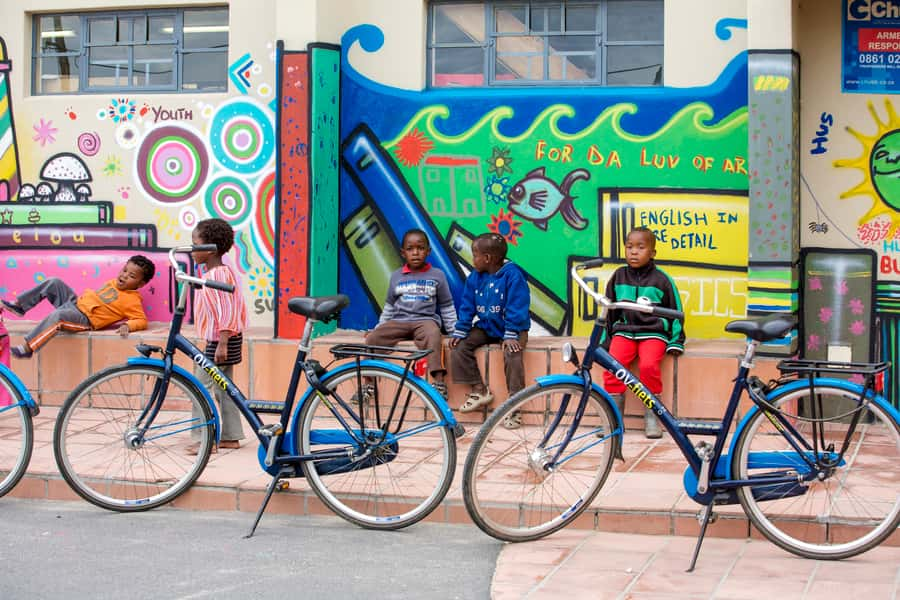
The Sangoma visit is one of the most distinctive parts of the morning. Sangomas are traditional healers, and the stop introduces you to a form of belief and care that may be unfamiliar if your background is mainly Western.
You are not just given a short explanation and sent on your way. The highlights include dancing with the Sangomas, which makes this a participatory stop rather than a formal lecture. It can also feel more personal and exposed than a standard museum visit, so bring an open mind and follow the guide’s lead.
This part of the tour works best if you treat it with respect. It is not a performance arranged only for photographs. You are entering a cultural setting connected to real beliefs and community life. Your guide can help explain what you are seeing and answer questions about Xhosa customs.
The visit may be especially meaningful for people who want cultural contact rather than a checklist of attractions. It is less suitable for anyone who prefers a tightly controlled sightseeing program with little room for unfamiliar or emotional moments.
The school and crèche visit depends on the calendar
During school time, the tour may include a local crèche. This means the stop is closed on weekends and school holidays, so you should not assume it will be part of every departure.
The crèche gives you a look at early education under difficult conditions. Part of the tour proceeds helps improve its facilities, adding a practical purpose to the visit. You may come away with a clearer idea of how much work local teachers do with limited resources.
Still, this is a sensitive stop. A school or crèche should not be treated like an attraction, and the guidance about not giving children sweets matters. The better approach is to listen, follow instructions, and let the local organization decide how outside support should work.
If this stop is important to you, confirm the timing when you book. A weekday during the school term offers a better chance of including it, but the supplied information does not promise it on every school-day tour.
Same handlebars, a completely different route:
- Soweto: Bike Tour with a Local Tour Guide
★ 4.7 · 114 reviews - Franschhoek: E-Bike Guided Winery Tour
★ 4.6 · 96 reviews - Stellenbosch: Wine Farm E-Bike Guided Tour
★ 4.6 · 88 reviews - Cape Town: E-Bike City Tour
★ 4.8 · 76 reviews
A Sunday gospel service and the question of timing
On Sundays, the route may include a visit to a local gospel church. One of the strongest pieces of feedback praised the church service above all else, so this can be a standout addition for the right visitor.
A gospel service offers a different window into township life than the library, businesses, or cycling academy. It brings faith, music, and community gathering into the day. The word could matters here, though. The church visit is a possible Sunday inclusion, not a guaranteed feature for every departure.
If you are choosing between dates, Sunday may appeal to you if religious life and music are a major part of your interest. If you want the crèche, Sunday is not the right choice because that stop is closed on weekends.
African lunch in a home or restaurant
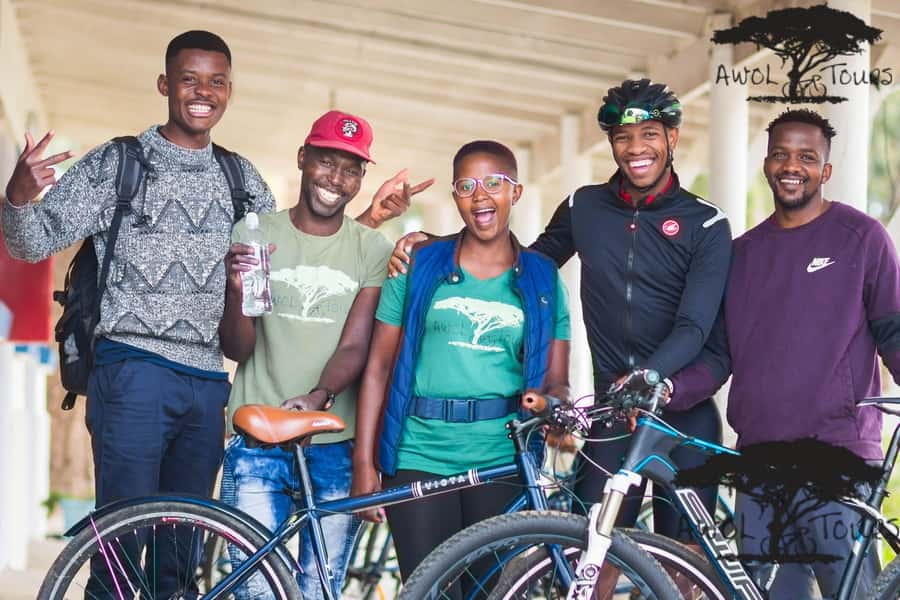
Food is included, and lunch takes place either at an African restaurant or in the home of a local woman who regularly hosts tour groups. She prepares an authentic African tea or lunch for the occasion.
The home option is likely to feel more personal, while the restaurant option may be simpler and more consistent. You cannot assume which setting you will receive, so keep your expectations flexible. Either way, the meal gives the tour a needed social pause after the ride and creates another chance to talk with your guide and hosts.
This is not a food-focused tour, and the supplied details do not list the exact dishes or dietary arrangements. If you have dietary restrictions, ask before booking. You should also remember that food is included, while bringing your own food is specifically not allowed.
I like the way lunch fits the wider purpose of the outing. You are not only looking at homes and businesses from a bicycle. You are sharing a meal connected to the local community. That feels more grounded than stopping at a generic café outside the township.
What the community funding means
Ten percent of the tour proceeds goes directly to Masicorp, a non-profit organization supporting education in the community. The tour also supports the Songezo cycling academy, which works with young people and uses cycling as a positive focus.
That makes the $106 price easier to assess. It is not a cheap city bike ride, and you are paying for four hours rather than a full day. But the price covers a local guide, bicycle, lunch, the Sangoma visit, and community support. The small group also gives you more contact with the guide than a large bus tour would.
The value depends on what you want. If you only want exercise or famous sights, the price may feel high. If you want a guided cultural encounter with food, conversation, and a direct community contribution, the cost is more defensible.
The charitable element should not be used to excuse weak organization, but here it is clearly stated and specific. You know that 10 percent goes to Masicorp, and part of the proceeds also helps the crèche and cycling work. That transparency is useful when comparing this with ordinary sightseeing rides.
The honest challenge of township tourism
A responsible review needs to say plainly that this kind of tour can make you uncomfortable. You may see difficult living conditions and sharp economic contrasts. One piece of feedback described feelings of shame alongside admiration for the determination of local people to build a better future for themselves and their children.
That emotional response is not a flaw in the tour, but it is something you should consider before booking. The day is not designed to make hardship look picturesque. The guide, the community stops, and the charitable support aim to give the visit more purpose, yet you are still entering someone else’s home area as an outsider.
Your own behavior matters. Listen more than you photograph. Ask questions with care. Do not give sweets or treats to children, and use the registered community partners for donations. A respectful attitude will make the experience better for you and less intrusive for the people you meet.
The ride also avoids pretending that one morning can explain every aspect of township life. You will see selected community spaces and meet people connected to the program. That is useful, but it is still a short visit. Keep your conclusions modest.
Who will enjoy this four-hour bike tour?
I would recommend it most strongly to you if you want direct contact with local people, enjoy asking questions, and can handle serious subject matter without expecting a comfortable sightseeing bubble. It suits culturally curious visitors who value small groups, local food, and projects with a clear social purpose.
It is also a good match if you enjoy cycling but do not need a sporty route. The Dutch bicycles and four-hour schedule point to a relaxed cultural ride rather than a competitive outing. The exact cycling conditions are not provided, so ask the operator if you have concerns about riding comfort or fitness.
You should think twice if you have limited mobility. The tour is not suitable for wheelchair users or people with mobility impairments. High heels are also impractical, and comfortable shoes are required.
Families and adults who want to involve children should pay close attention to the guidance about treats. The instruction is simple: do not hand sweets or food to children. Let the local organizations manage how support is offered.
Booking details that affect your choice
The tour costs $106 per person and lasts four hours. Transport is not included, but it can be arranged on request, so ask about this before you finalize plans if you do not have your own way to reach Chasmay Road Campus.
The tour is offered in English with a live local guide. The maximum group size is eight, an important advantage for a route built around discussion and personal encounters.
You can cancel up to 24 hours ahead for a full refund, and the reserve-now-pay-later option keeps your plans flexible. Starting times vary, so check availability for your date rather than assuming a fixed departure.
Plan your day around the school and church details. A school-term weekday may offer the crèche. Sunday may offer the gospel church. Neither should be treated as guaranteed, and the church and crèche do not appear together as standard stops.
Should you book the Masiphumelele cycling tour?
Book it if you want a thoughtful, people-focused introduction to township life and you are willing to accept some discomfort along with the welcome. The strongest parts are the local guide, the Sangoma visit, the meal, the community businesses, and the connection to Masicorp and the Songezo cycling academy.
Skip it if you want a polished bike excursion with famous sights, guaranteed stops, or no difficult social questions. For the right person, the $106 cost buys more than a bicycle ride. It gives you time to listen, eat, ask questions, and support work already rooted in Masiphumelele.
FAQ
Where does the cultural cycling tour meet?
The tour meets at the Masicorp Chasmay Road Campus, which is also the Masicorp head office.
How long does the tour last?
The tour lasts four hours.
How much does the tour cost?
The price is $106 per person.
Is transportation included?
No. Transport is not included, but it can be arranged on request.
What language is the tour conducted in?
The live tour guide speaks English.
How many people can join the tour?
The tour is limited to eight participants.
What kind of bicycle will I use?
You will ride an old-fashioned Dutch bicycle.
Is lunch included?
Yes. Lunch is included and takes place either at an African restaurant or in the home of a local woman who hosts tour groups.
Will every tour visit the crèche?
No. The crèche is visited during school time and is closed on weekends and school holidays.
Is the tour suitable for wheelchair users?
No. The tour is not suitable for wheelchair users or people with mobility impairments.
Newly added rides around South Africa
- Cape Town’s Finest City Bike Tour★ 5.0 · 43 reviews
- Mountain Biking Table Mountain to Constantia Morning Ride★ 5.0 · 17 reviews
- Private Cycling Tour of The Cape Peninsula from Cape Town★ 5.0 · 14 reviews
- Stellenbosch: Countryside Banhoek valley E-Bike Wine Tour★ 4.9 · 20 reviews
- Soweto: Bike Tour with a Local Tour Guide★ 4.7 · 114 reviews
- Johannesburg: Inner City Guided Cycling Tour★ 4.6 · 15 reviews
- Half-Day Winelands E-Bike Tour with Wine Tasting★ 4.2 · 13 reviews
- Franschhoek: E-Bike Guided Winery Tour★ 4.6 · 96 reviews
Cape Town Bike Tours, compared.
Guided eBike Tour with Signal Hill and Clifton …
Read our review →

Browse the lists this tour appears in