REVIEW · WELLINGTON BIKE TOURS
Remutaka Rail Trail Mountain Bike Explorer Cycle Tour
Leave the city, find the old railway. This half-day cycling trip takes you from central Wellington into the Remutaka ranges, where you ride a 28-kilometre trail through native forest, rail tunnels, bridges, and open countryside. I like the simple setup: your bike, helmet, lights, pannier, water, lunch, and return transport are all arranged. I also like that the route mostly runs downhill or flat after the first climb, making it approachable for many riders.
The main point to weigh is the lack of an on-trail guide. Staff brief you before setting off and explain the route, safety, and how to call for help, but you ride independently. The final section can be narrow, rocky, and more demanding than the easy opening miles, so this is not quite a carefree family pedal for anyone who is nervous on a mountain bike.
Key things to know before you book
- A 28-kilometre one-way ride: You begin at Kaitoke and finish near Featherston, rather than retracing your route.
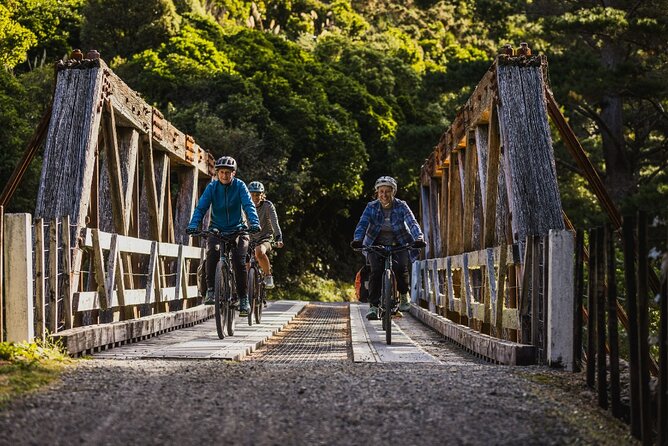
- Old railway scenery: The trail follows a former rail line through Pakuratahi Forest, across bridges, and through tunnels.
- Mostly easy riding with a tougher finish: The first part is generally gentle, but the last few kilometres can include loose rocks and narrow trail.
- Independent cycling: Staff provide a briefing and equipment, but no guide rides beside you.
- A practical Wellington day trip: Pickup is at Wellington Station at 9:30am, or Wellington Port at 9:15am for cruise ship passengers.
- Nearly everything is included: Mountain bike, helmet, safety gear, lights, pannier, water, lunch, and shuttle transfers are covered in the $124.11 price.
From Wellington Station to Kaitoke
The day begins with a morning shuttle from Wellington Station’s main entrance at 9:30am. Cruise ship passengers can instead request pickup at Wellington Port at 9:15am. That central meeting point is useful if you are staying in Wellington or arriving by train, and the port option makes the outing workable for a day in town from a ship.
Your transport takes you to Kaitoke, the starting point for the ride. This matters because you do not need to arrange a rental car, figure out rural bus connections, or worry about retrieving a vehicle at the end. The return shuttle collects you at the Royal Hotel in Featherston and brings you back over the Remutaka ranges, through the Hutt Valley, and into Wellington.
The group is limited to a maximum of 11 people. That is small enough for the morning briefing to feel personal, while still allowing you to ride at your own pace once you are on the trail. Staff explain the route clearly and point out how to ask for assistance in areas without cellular service. Listen carefully here. Since you are riding without a guide, this briefing replaces the usual guide presence on the track.
More Mountain Bike Tours in New Zealand
- Half-Day Self-Guided Mountain Bike Journey through Whakarewarewa Redwood Forest
★ 5.0 · 124 reviews - Wanaka: Self-Guided Regular MTB – Lake Hawea to Lake Wanaka
★ 4.8 · 40 reviews - Arrowtown Mountain Bike Hire
★ 5.0 · 36 reviews
Starting through Pakuratahi Forest
At Kaitoke, you begin the 28-kilometre ride along the Remutaka Cycle Trail. The opening section passes through Pakuratahi Forest, with native bush and birdlife around the old railway corridor. This is the kind of start that makes the trip feel far removed from Wellington, even though the city is still close enough for a half-day outing.
The route follows an old railway line, which gives it a clear direction. You are not constantly checking a map or guessing at junctions. Signs and the shape of the trail make navigation fairly straightforward, and there are information placards along the way. That is especially helpful because the experience is self-guided once the shuttle drops you off.
The surface is suitable for mountain bikes and is generally manageable for riders with moderate fitness. The first climb is described as easy, and much of the route after the summit is downhill or level. If you ride a standard pedal bike, you should still expect some exercise, but an electric bike is not presented as necessary for this direction. The available bikes are pedal mountain bikes, not electric models.
Bridges, tunnels, and the old rail route
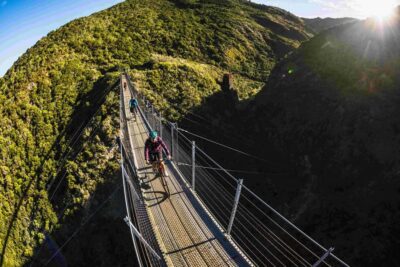
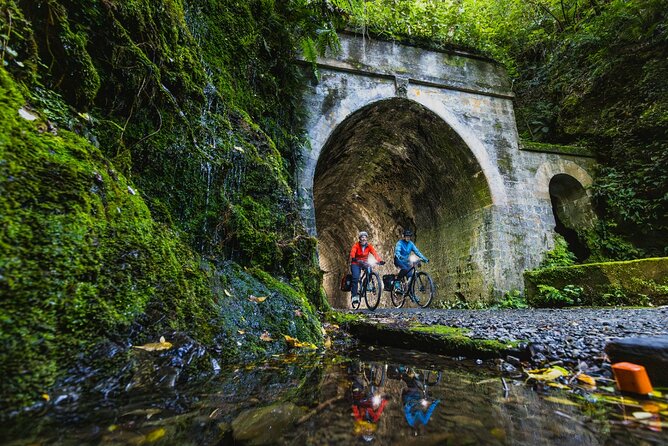
The strongest character of this outing comes from the railway features. You cross bridges and pass through old rail tunnels, following the line that once carried trains through the ranges. These sections give the ride a sense of purpose. You are not simply cycling a random forest road. You are tracing an older route built for rail travel.
The tunnels require the lights supplied with your bike. That equipment is included, along with a helmet and other safety gear, so you do not need to pack specialist cycling equipment. Closed shoes are required, and running shoes are a sensible choice.
The forest section is a good fit for riders who want scenery without a highly technical mountain-bike course. You might pause to read the signs, look for birds, or take in the bridges and creek beside parts of the route. At the same time, the route is not a paved city cycleway. Loose stones and uneven ground are part of the experience.
Lunch at the summit
A picnic lunch is provided, along with water, and you can eat at the summit before beginning the descent toward Cross Creek. This is a smart part of the setup. You do not need to carry a full meal from Wellington, and the lunch break divides the ride into two clear sections.
Send dietary requirements to the operator as soon as possible. Vegetarian and gluten-free needs, along with dislikes such as seafood, should be stated when booking. The food is practical rather than a major culinary event, but it gives you enough of a pause before the second half of the ride.
The summit is also a natural place to check your energy and clothing. The weather in the ranges can differ from conditions in central Wellington. Pack a light jacket in warmer months and consider long pants or tights, a T-shirt, fleece, and jacket in colder weather. Avoid loose clothing that could catch in the bike.
More Nature Bike Tours in New Zealand
- Otago Central Rail Trail One Day Wonder Cycle tour
★ 5.0 · 300 reviews - Lake Dunstan Cycleway Bike Rental With Return Luxury Shuttle
★ 5.0 · 140 reviews - Queenstown: Self-Guided Bike Ride on the Arrow Bridges Trail
★ 4.8 · 96 reviews - From Wellington: Remutaka Rail Trail eBike Tour
★ 4.9 · 54 reviews
The descent toward Cross Creek
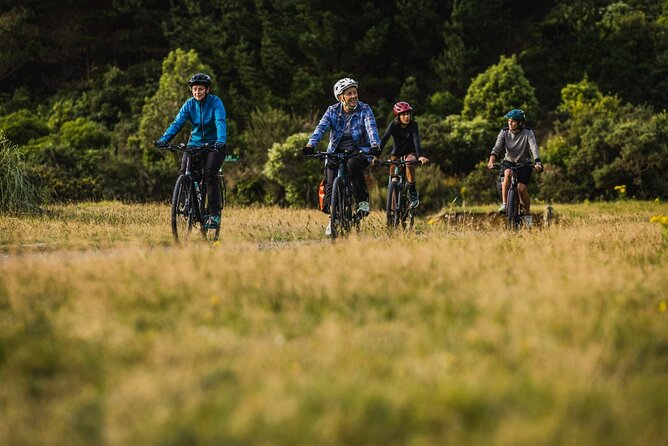
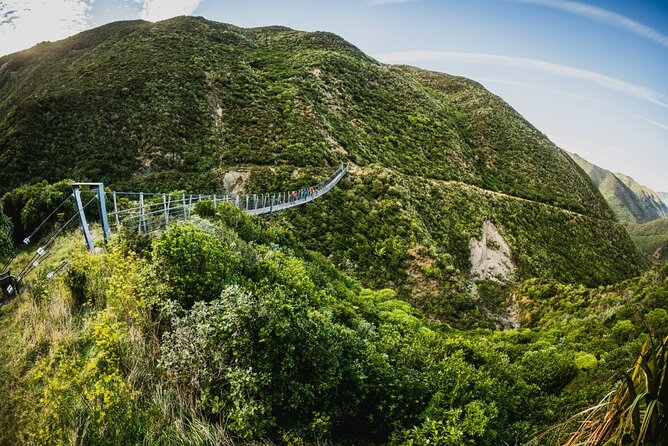
After lunch, the trail heads down toward Cross Creek. This is where the ride becomes more rewarding and, for some people, more demanding. The general direction is downhill, but downhill does not mean effortless. Loose rocks can make the bike move unexpectedly, and the trail narrows in the final four or five kilometres.
If you are a confident mountain-bike rider, this section may be the part you enjoy most. It has more of the rough, outdoor feel that distinguishes a mountain-bike outing from a gentle recreational cycle. If you are less sure, slow down. You can walk the bike when a section feels uncomfortable. There is no prize for arriving with the fastest time or refusing to dismount.
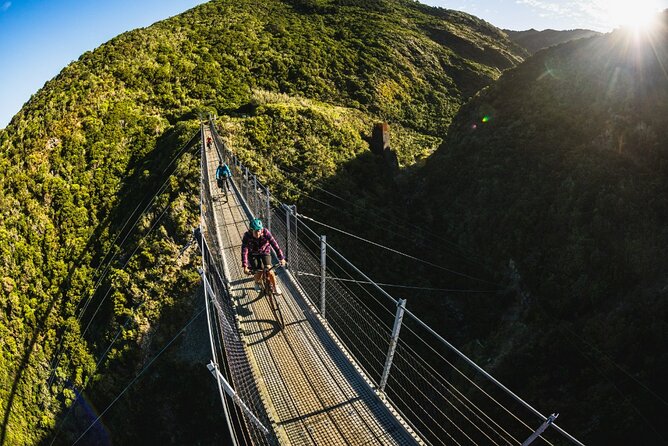
One particularly narrow section runs beside a steep drop. The exact ride can vary with weather and conditions, and strong wind can affect bridges. One ride had wind gusts strong enough to make crossing a suspension bridge by bike unwise. Treat the route as a real outdoor activity, not a controlled attraction.
Continuing toward Featherston

The scheduled ride finishes at the Featherston end, where the shuttle collects you near the Royal Hotel. If you still have energy, there may be an option to continue about 10 kilometres toward Featherston along a flatter, rarely used highway route. That extra stretch has views and farm animals, but it should be treated as an optional extension rather than the core promise of the six-hour trip.
Ask about this possibility during the briefing, especially if you are trying to fit the ride around the return shuttle. Do not assume that every rider will have time or energy for the added distance. The main route is already 28 kilometres, and the rougher final section can take more effort than the mileage suggests.
The shuttle is scheduled to return to Wellington Station around 3:30pm to 3:45pm, or to Wellington Port for cruise passengers. That timing makes the trip practical for a full day in Wellington, though cruise passengers should confirm the port return time against their ship’s schedule.
Bikes, equipment, and support
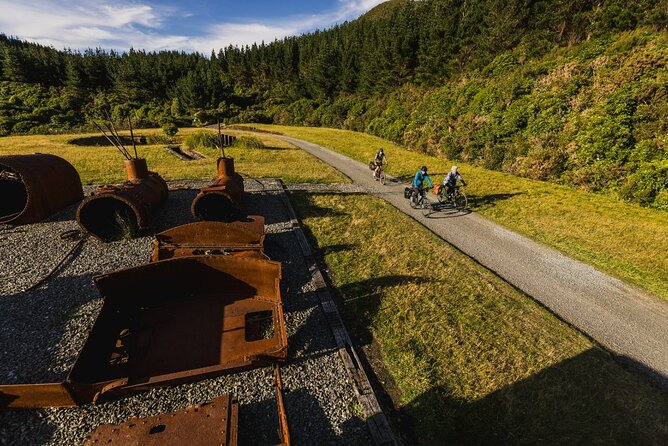
The included equipment is one of the strongest reasons to consider this tour. You receive a mountain bike, helmet, safety gear, lights, and a pannier bag. Water and lunch are included too. For $124.11 per person, the price covers the transport and the equipment that would otherwise require separate planning.
Bike sizing depends on your height, so provide an approximate height when booking. A properly sized bike matters on a route with rocks, descents, and narrow sections. You should also wear closed shoes at all times. Running shoes are fine, while sandals are not suitable.
Staff do not accompany you along the trail, but the preparation appears to be thorough. The route is explained, assistance procedures are covered, and the equipment is ready when you arrive. This arrangement suits independent riders who prefer to set their own pace. It is less suitable if you want continuous commentary, someone leading every turn, or help beside you whenever the trail gets rough.
How difficult is the Remutaka Rail Trail?
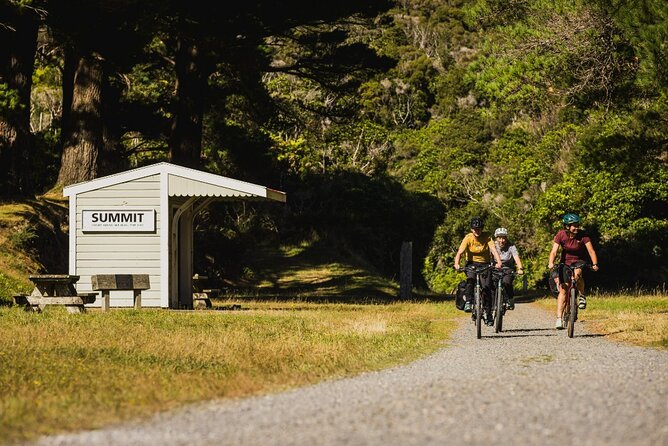
The tour is marketed for all cycling levels, but that phrase needs some context. You do not need to be an elite cyclist, and the opening climb is gentle. Much of the route is flat or downhill in the Kaitoke to Featherston direction.
Still, you should have moderate physical fitness and basic confidence handling a mountain bike. The final four to five kilometres may include narrow track, loose rocks, and uneven riding beside a steep slope. Several riders have found it sensible to walk their bikes briefly. That is normal and can be the safest choice.
You can improve your chances of enjoying the day by pacing yourself early. Do not sprint through the forest section just because it feels easy. Save energy for the descent, where concentration matters more than speed. An electric bike is not offered in the stated package, and riders have specifically found a standard bike adequate in this direction. Riding the route in reverse would be much more uphill and would require a different level of effort.
Weather, safety, and what to wear
The trip runs only in favorable weather conditions. If poor weather causes cancellation, you can choose another date or receive a full refund. You still need to dress for changeable conditions because Wellington is known for wind, and the ranges can feel exposed.
For warm conditions, wear shorts and a T-shirt, with a light jacket in reserve. In colder weather, choose close-fitting long pants or tights, a T-shirt, fleece, and light jacket. Loose clothing can catch on the bike. Closed shoes are compulsory.
Rain does not automatically mean a bad day, but heavy weather changes the experience. Wet trails, wind, and reduced comfort make the technical parts harder. If the forecast looks poor, check with the operator rather than assuming the ride will go ahead.
Who will enjoy this most?
I would recommend this trip to active visitors who want to leave Wellington for a half-day and see the region under their own power. It is especially good for riders who like historic rail routes, forest scenery, bridges, tunnels, and a little rough ground.
It also works well for people who do not want to organize a rental bike, lunch, shuttle, and route planning separately. The small group size and clear briefing keep the day simple without forcing you to ride in a tight guided line.
I would hesitate to recommend it to anyone seeking a smooth, paved cycleway or constant guide support. Riders who are uneasy on loose gravel should be ready to walk sections. Families and mixed-ability groups should also consider whether each person can handle a 28-kilometre mountain-bike ride and the tougher final kilometres.
Is $124.11 good value?
The price is fair because it combines several costs that can add up quickly: return transport from Wellington, a mountain bike, helmet, lights, safety gear, pannier, lunch, water, and staff support before and after the ride. You also avoid the hassle of arranging a one-way rural bike return.
The value depends on how much of that preparation you would otherwise do yourself. A confident cyclist with a car and their own bike might spend less independently. For a visitor without transport or equipment, the package is much more convenient.
The high rating of 4.9 from 49 ratings and a 98 percent recommendation suggest very strong satisfaction, especially with organization, equipment, scenery, and staff communication. I would focus less on the rating and more on the route description: the tour delivers best when you want an independent ride with logistics handled, not a narrated excursion.
Should you book the Remutaka Rail Trail ride?
Book it if you want a well-organized escape from Wellington with beautiful forest riding, old tunnels, bridges, a picnic lunch, and a mostly gentle route that finishes downhill or flat. The work is done for you, and guides such as Isaac have been praised for being prompt, friendly, and clear during the setup and shuttle service.
Think twice if you need a guide beside you, dislike rough surfaces, or have limited cycling fitness. The first part may feel easy, but the last few kilometres deserve respect. If you are comfortable slowing down, walking the bike when needed, and riding independently, this is a strong-value way to experience the Remutaka ranges.
FAQ
How long does the Remutaka Rail Trail cycle tour take?
The experience lasts approximately six hours. The shuttle returns to Wellington Station around 3:30pm to 3:45pm.
Where does pickup take place?
Pickup is at Wellington Station’s main entrance at 9:30am. Cruise ship passengers can request pickup at Wellington Port at 9:15am.
Where does the cycling begin?
The ride begins at Kaitoke, at the start of the 28-kilometre route through Pakuratahi Forest.
Where does the cycling finish?
The main ride finishes near Featherston, where pickup takes place at the Royal Hotel.
Is a guide with you on the trail?
No. Staff provide a briefing, answer questions, explain the route, and describe how to request assistance, but no guide rides along the trail.
What equipment is included?
A pedal mountain bike, helmet, lights, other safety gear, and a pannier bag are included.
Is lunch included?
Yes. A picnic lunch and water are provided. You should give dietary requirements to the operator as soon as possible.
Do I need to provide my height?
Yes. Your approximate height is requested so the operator can arrange the correct bike size.
What level of fitness is required?
A moderate level of physical fitness is recommended. The trail is suitable for a range of cycling abilities, but the final four to five kilometres can be narrow and rocky.
What happens if bad weather cancels the trip?
You can choose an alternative date or receive a full refund if the operator cancels because of poor weather. You can also cancel for a full refund if you do so at least 24 hours before the start time.
Newly added rides around New Zealand
- Morning Guided with Afternoon Self-Guided Biking Wine Tour★ 5.0 · 30 reviews
- Full-Day Marlborough Wine Region Bike Hire★ 5.0 · 35 reviews
- Private Biking Wine Tour (full day) in the Marlborough Region★ 5.0 · 13 reviews
- The Inside Loop: an electric bike tour of Auckland’s Coolest Neighborhoods★ 5.0 · 150 reviews
- Full Day Ebike Tour in Karangahake Gorge (ex Auckland)★ 5.0 · 14 reviews
- The City Lights: a unique electric bike tour of Auckland by night!★ 5.0 · 36 reviews
- Lava Loop- Guided electric mountain bike tour in Akaroa★ 5.0 · 34 reviews
- Akaroa Explorer- Guided Electric Bike Tour in Akaroa★ 5.0 · 18 reviews
Wellington Bike Tours, compared.