
REVIEW · POLAND BIKE TOURS
Gdańsk: Highlights Bike Tour
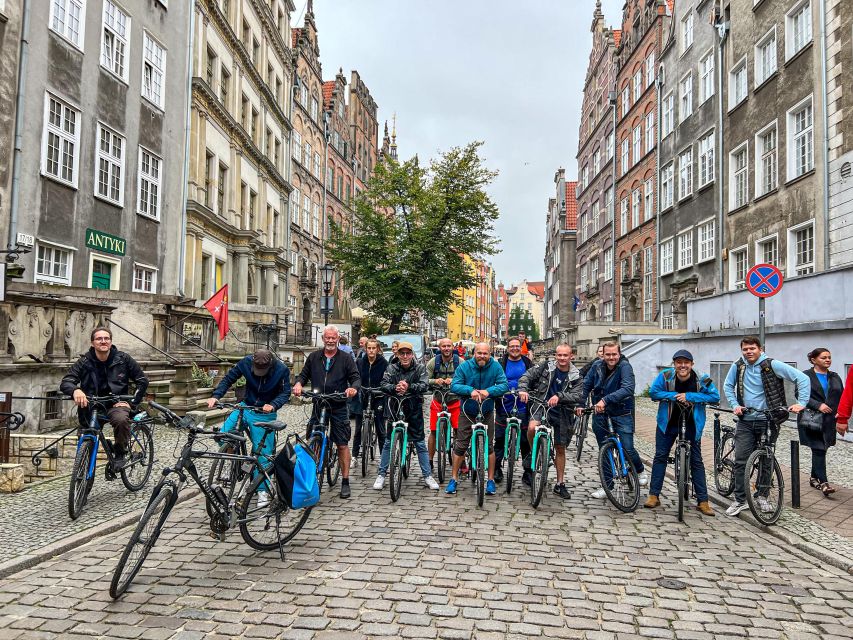
Three hours can reveal Gdańsk’s bigger picture. This guided ride links the postcard sights of Main Town with canals, old forts, Gradowa Mountain, the shipyard, and quieter corners you could easily miss on foot. I especially like the easy citywide route and the chance to connect Gdańsk’s handsome buildings with its difficult modern history.
The bikes are provided, a bottle of water is included, and the central meeting point on Chlebnicka Street is simple to find. Guides such as Lucas, David, Kasper, Sebastian, and Alicia have been praised for lively storytelling and local insight. The main consideration is pace: one person felt there was a little too much talking and not quite enough riding, so this suits you best if history and stops matter as much as cycling.
Key points to know before you book
- A 10 to 15-kilometre city overview: The route covers a wide spread of Gdańsk in three hours, with the exact distance varying by group and route.
- Old Town plus places beyond the usual circuit: You ride through Main Town, Lower Town, Ołowianka, the shipyard, and areas many first-time visitors might not reach on foot.
- Strong history focus: Expect stories about medieval monuments, seventeenth-century fortifications, the Polish Post, Solidarity, and the struggle for a free Poland.
- Comfortable, easygoing riding: The route has been described as manageable, with good bikes and a pace designed for sightseeing rather than speed.
- A practical first-day activity: The ride helps you understand the city’s layout and can point you toward places to revisit later.
- Weather and mobility matter: Heavy rain cancels the tour, and it is not suitable for people with mobility impairments.
Why cycling makes sense in Gdańsk
Gdańsk is one of Poland’s more bike-friendly cities, and cycling fits the local rhythm better than squeezing every sight into a walking loop. Main Town is compact, but the city’s story spreads well beyond the central streets. A bicycle lets you cover that ground without turning the day into a march.
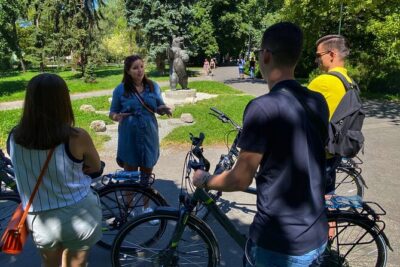
I like the way this tour uses the bike as a sightseeing tool, not just as exercise. You ride between stops, then pause for the guide’s explanation, photographs, and questions. Several visitors described the route as easy, comfortable, and safe, while one reported a roughly 10-kilometre ride and another recalled about 15 kilometres. That suggests a moderate outing rather than a demanding cycle.
You should still be comfortable sitting on a bicycle for three hours. The tour is not suitable for people with mobility impairments, and intoxication is not allowed. Wear comfortable shoes, bring weather-appropriate clothing, and remember that heavy rain can cancel the ride.
More City Bike Tours in Poland:
- Highlights of Krakow Bike Tour – Small group
★ 5.0 · 662 reviews - Krakow: Highlights of Krakow Bike Tour – Small Group
★ 4.9 · 421 reviews - Krakow: Complete Bike tour with all the highlights
★ 4.9 · 90 reviews
Starting on Chlebnicka Street
The tour begins at Chlebnicka Street 19/20 in Gdańsk Main Town, at Poland By Locals, where you receive your bicycle and meet the guide. This is a useful location for a first activity because it puts you right in the historic center rather than sending you out to an inconvenient meeting point.
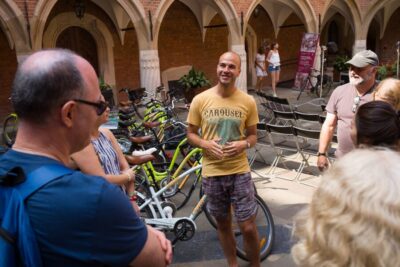
The bike rental introduction takes about five minutes. Guides have been praised for supplying bicycles in very good condition, and several people specifically found them comfortable and reliable. A bottle of water is included, which is a small touch but welcome on a summer ride.
From here, the group moves straight into the old center. Expect the guide to set the tone with a broad explanation of Gdańsk’s past, then add detail as you reach each monument. The central location also makes it easy to continue exploring Main Town after the tour ends.
Neptune’s Fountain and the main monuments
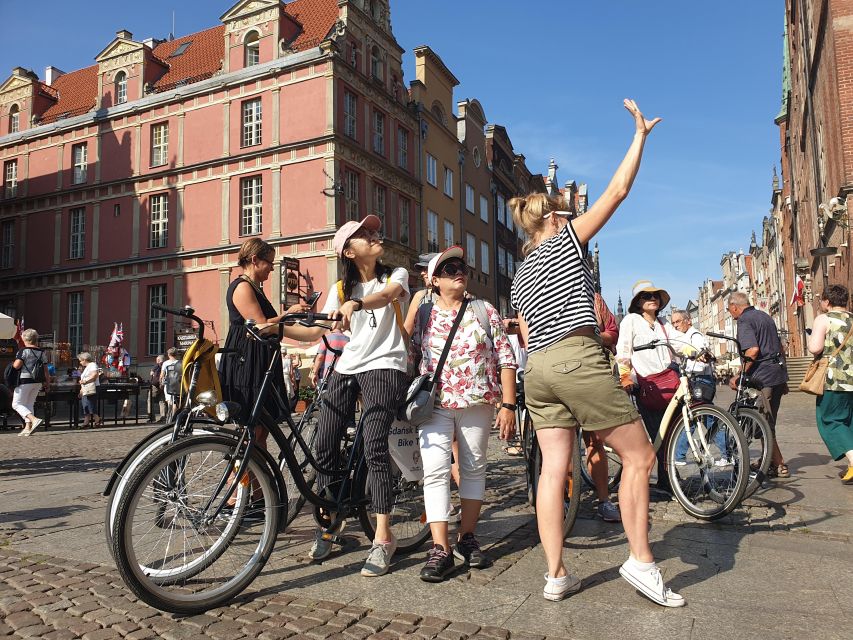
Neptune’s Fountain receives an eight-minute stop. This is one of the most familiar symbols of Gdańsk, and it gives the guide an easy starting point for explaining the city’s public spaces, architecture, and long role as a port.
You will not simply pedal past the fountain for a quick photograph. The guide provides context, then keeps the group moving to the Golden Gate and St. Mary’s Church. Each stop lasts about five minutes, so you get the essential story without spending too long in one place.
The short pauses are a strength if you want a broad first look at Gdańsk. You can photograph the sights and hear the main facts, then return later for a slower visit. If you prefer long, detailed time inside every monument, this tour will feel brisk. The focus is on orientation and connections rather than full museum-style visits.
St. Mary’s Church is especially useful as a reference point. It anchors the old center and helps you understand how tightly packed the historic core is before the route opens out toward less familiar districts.
The Polish Post and Gdańsk’s wartime story
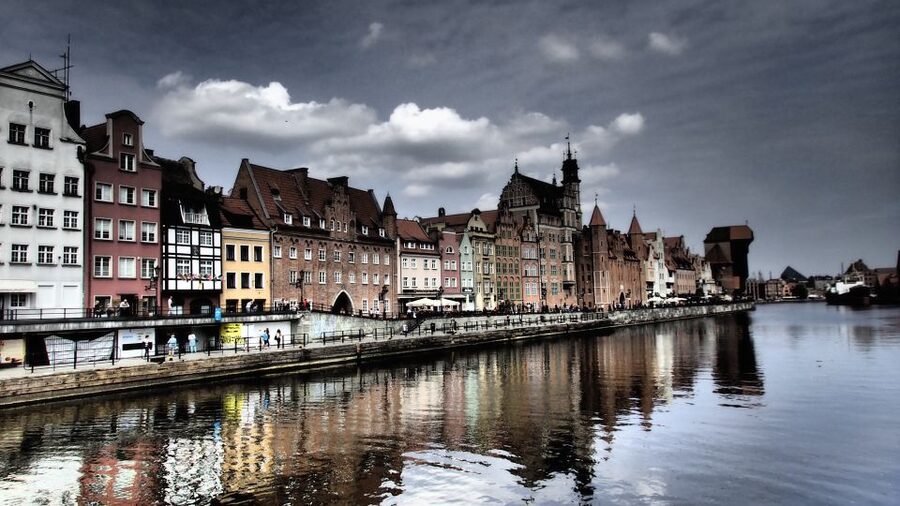
The stop at the Museum of the Polish Post lasts about ten minutes. This adds a more serious layer to the ride. Instead of presenting Gdańsk only as a pretty old port, the guide places it within the conflicts and political pressures that shaped twentieth-century Poland.
The tour’s history is one of its strongest features. Lucas was praised for his passion for Polish history, while David was described as particularly effective at explaining the city’s past and culture in clear English. That matters here, because the story of Gdańsk is not something you can fully understand from façades alone.
The guide-led format also lets you ask questions as the route unfolds. Alicia, described as a local born and raised in Gdańsk, was appreciated for sharing personal points of view and local stories. The experience varies with the guide, but the repeated praise for enthusiasm, friendliness, and strong English suggests that storytelling is central to the tour.
A few more rides around Poland worth a look
- Complete Cracow Bike Tour (small group of maximum 15 people!)
★ 5.0 · 1,322 reviews - Krakow: Bike Tour of Old Town, Jewish Quarter and the Ghetto
★ 4.9 · 1,155 reviews - 3-Hour Guided Cycling Tour of Warsaw
★ 4.9 · 624 reviews - Full Bike Tour – the Old Town, Jewish Qtr & the Ghetto NEW BIKES
★ 5.0 · 437 reviews
Przystań Cesarska and the port-side city
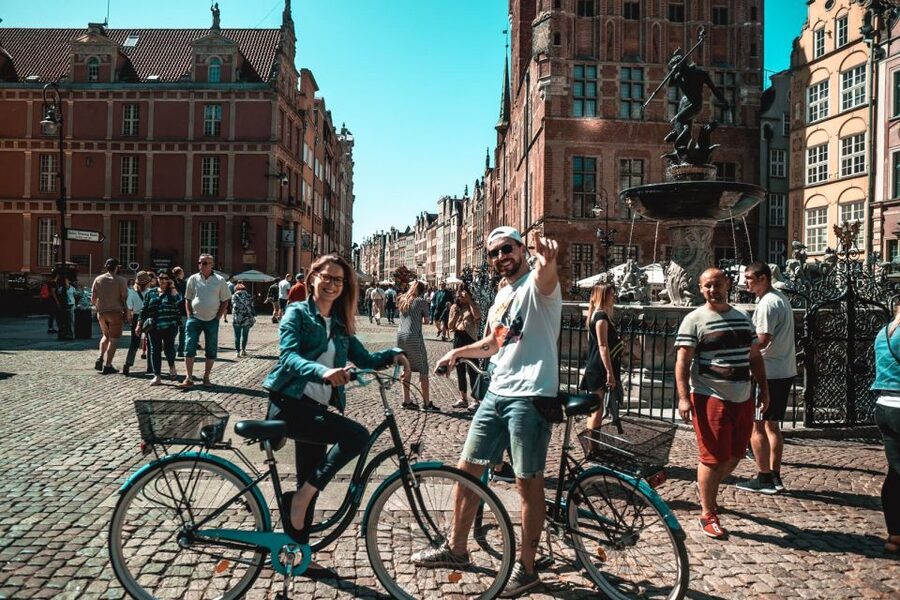
The 20-minute stop at Przystań Cesarska gives the ride more breathing room. Here the city’s relationship with water, trade, industry, and transport becomes easier to see. After the formal streets of Main Town, the route begins to show the working side of Gdańsk.
This is one of the reasons I prefer the bike format. You do not remain inside the prettiest central streets. You move through different parts of the city and see how the historic center connects with the waterfront and industrial areas.
The longer stop gives the guide time to explain the setting rather than simply identify it. It is also a good point for photographs and questions. If you are hoping for constant movement, this may feel like a pause. If you want the city to make sense, it is valuable time.
The BHP Hall and the Solidarity story
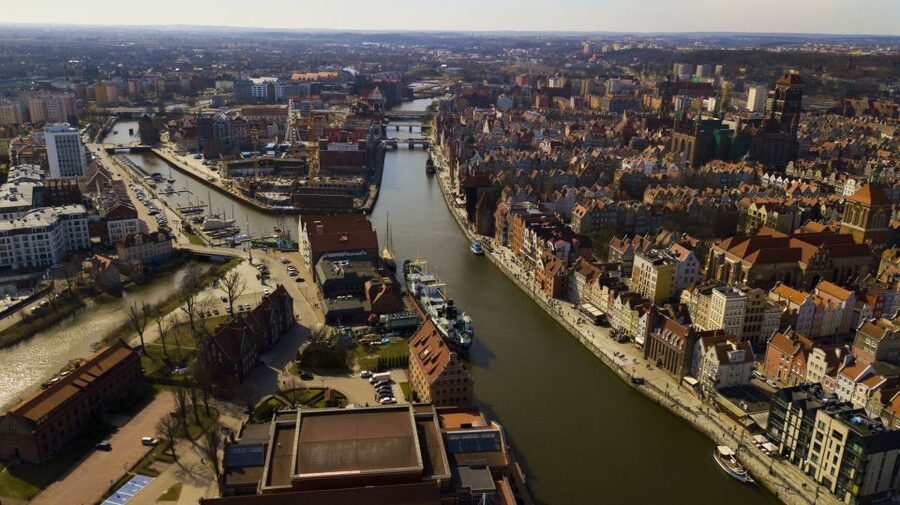
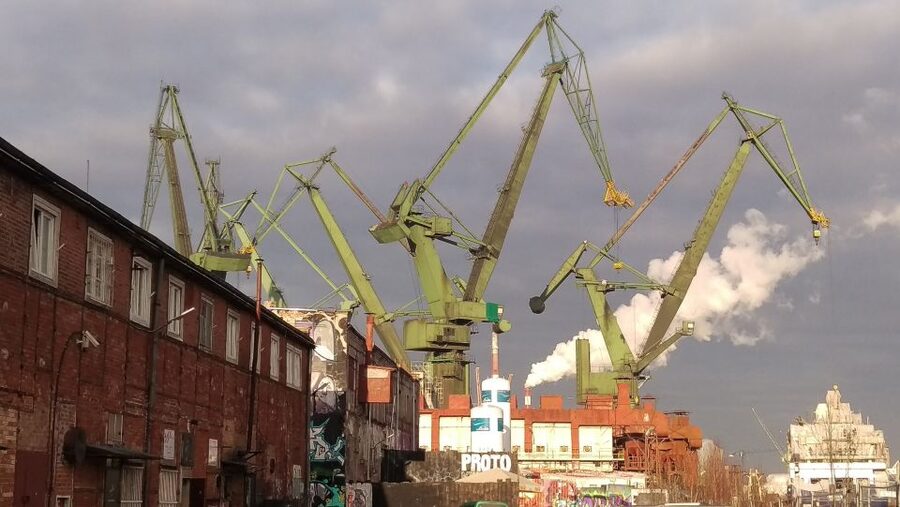
At the BHP Hall, the tour spends about 15 minutes discussing Solidarity and the struggle for a free Poland. This is a key moment because Gdańsk’s modern identity is closely tied to its shipyard workers and the political changes that began here.
A bike tour can make this history feel more connected to the city around you. You are not hearing about Solidarity as an isolated chapter in a museum. You are riding through the district where the shipyard story took place, with the guide showing how the sites relate to one another.
This part will appeal most to you if you want more than architectural sightseeing. The guides have been praised for making history interesting and easy to follow, with entertaining stories alongside the larger political events. Expect the stop to be informative rather than purely visual.
Ołowianka and the waterfront pause
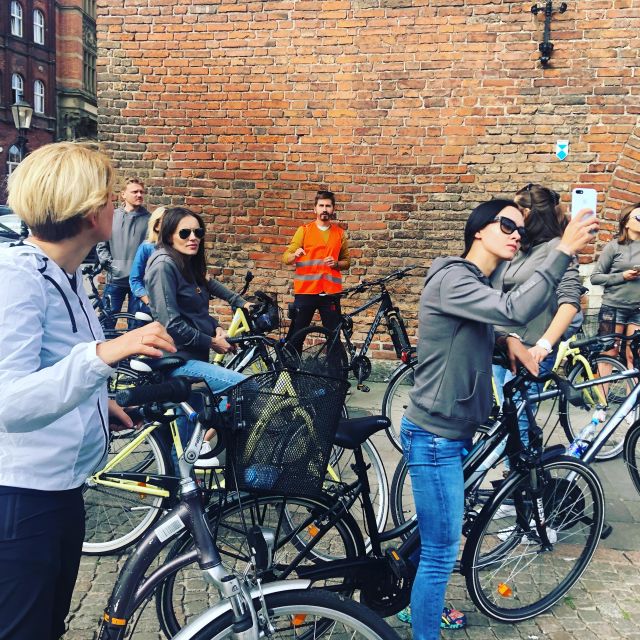
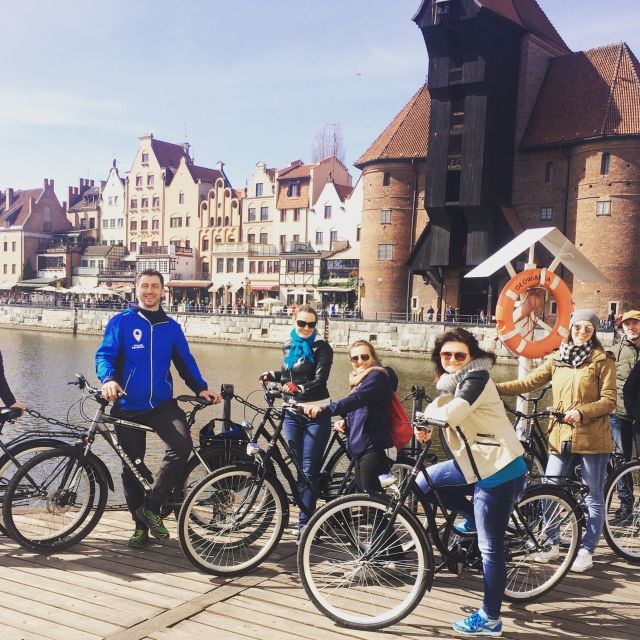
The route then reaches Ołowianka for around 20 minutes. This is another substantial stop, and the waterfront setting provides a change from the dense streets of Main Town.
You get time to look around, hear the guide’s explanation, and take photographs. The route’s mixture of water, old buildings, greenery, and industrial history is what makes it feel different from a standard old-center cycle. Several people valued the chance to reach corners they would not have found on foot.
The waterfront sections also give the ride a more relaxed feel. You are still covering ground, but the point is not speed. Guides have been praised for keeping a comfortable pace and making safety a priority, which is reassuring when a group includes riders with different levels of confidence.
Lower Town, canals, and old fortifications
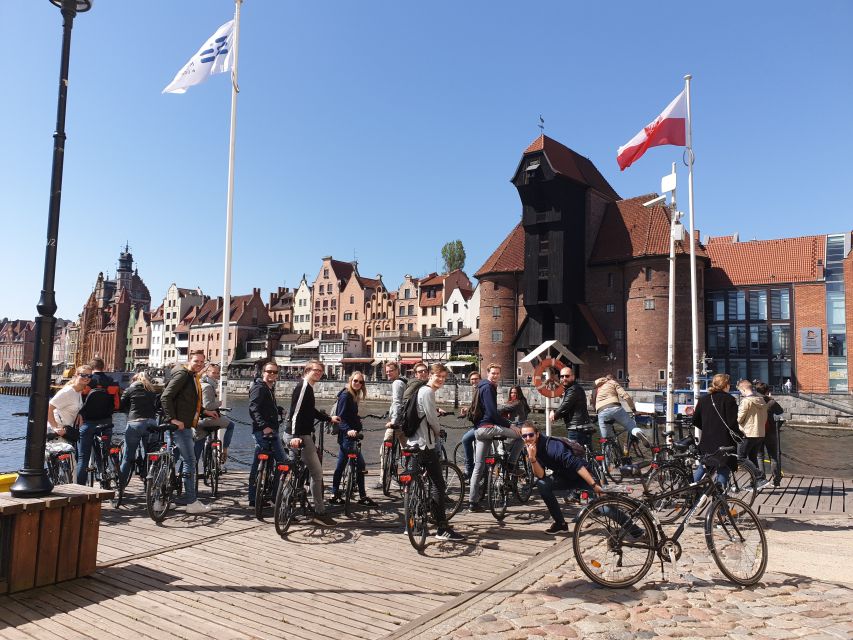
The stop at Łąkowa lasts about ten minutes and brings you into the regenerated Lower Town. This district is important because it shows another side of Gdańsk: canals, greenery, restored architecture, and reminders of its defensive past.
The tour also includes old seventeenth-century forts and Gradowa Mountain, where you can get a wide panorama of Gdańsk. These are the kinds of places that justify taking a bicycle. On foot, you might decide they are too far from the central monuments. On two wheels, they become part of a single, manageable circuit.
The exact sequence and timing can vary, but the purpose is clear: you see more than the usual Royal Route and waterfront postcard stops. Lower Town provides contrast, and Gradowa Mountain gives you a chance to understand the city from above.
Do not expect a long mountain ride or a strenuous outdoor challenge. The experience is described as easy and enjoyable, with the emphasis on sightseeing. Still, you should be ready for ordinary urban cycling and some time in the saddle.
The Motława waterfront and return through the center
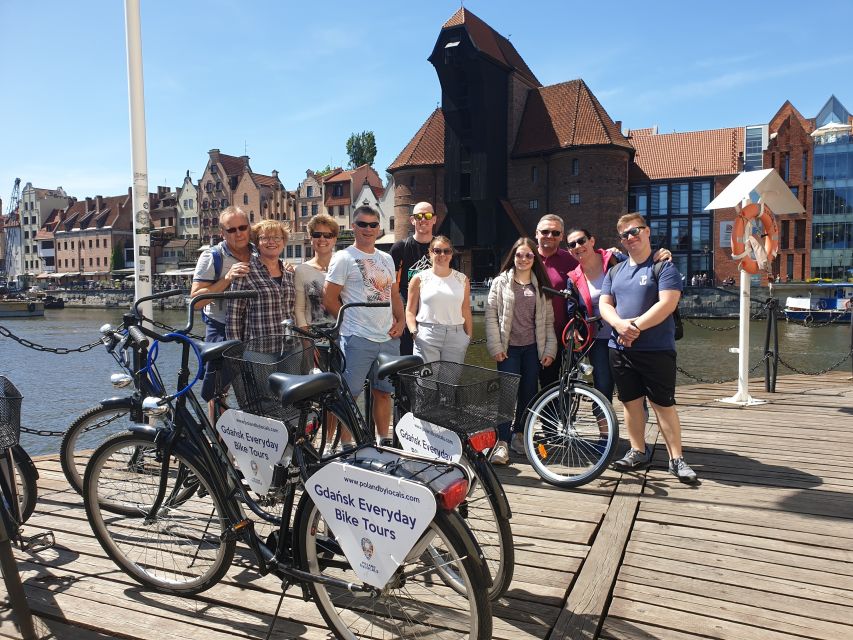
Near Nabrzeże Motławy, the tour pauses for about five minutes before returning to Chlebnicka Street. This final waterfront section helps tie together what you have seen: the historic center, canals, port activity, shipyard history, and the city’s changing public spaces.
The return to the starting point keeps the logistics simple. You do not need to arrange a taxi from a distant endpoint or work out how to retrieve a bag from another neighborhood. At the end, you are again in Main Town, close to restaurants, shops, and the sights you may want to revisit.
A mid-tour toilet stop may be included, depending on the route and group needs. One person specifically appreciated that pause, which is useful information for a three-hour outing.
The guides make the biggest difference
The strongest part of this experience is the guide. The bicycles matter, but the route works because someone explains why each place matters.
Lucas was praised for being friendly, passionate about Polish history, and good at making the ride enjoyable. David received similar praise for clear English and strong historical storytelling. Kasper was described as warm and full of interesting information, while Sebastian was praised for a funny, easygoing style.
Alicia’s local background was another plus for one participant, who valued her first-hand stories. Other guides, including Tamara, were also described as friendly and interesting. The names change, of course, but the consistent pattern is useful: the experience depends less on a rigid script than on the guide’s ability to connect facts with the city in front of you.
You should ask questions. The guides appear willing to discuss history, local life, and practical tips for the rest of your stay. That makes the tour especially useful at the start of a Gdańsk visit.
Is $44 a fair price?
At $44 per person, the tour is not the cheapest way to rent a bicycle, but you are paying for more than the bike. The fee includes the bicycle, a live guide in English or Polish, a bottle of water, and three hours of planned sightseeing across a large part of the city.
I think the value is good if you want historical context and a quick orientation. A self-guided ride could cost less, but you would need to choose the route, find the lesser-known stops, and research the story behind places such as the BHP Hall, Lower Town, and the Polish Post.
The price is less compelling if you mainly want uninterrupted cycling. One person felt the tour included too much talking and not enough riding. That is a fair warning. This is a guided history tour on bicycles, not a fast recreational ride.
The booking terms also reduce risk. You can cancel up to 24 hours before departure for a full refund, and you can reserve now and pay later. Check the available start times when booking, since the tour lasts three hours and is cancelled in heavy rain.
Who should take this ride?
I would recommend it to first-time visitors who want to understand Gdańsk quickly. It is also a good choice if you are staying only a short time, arriving from a cruise, or prefer outdoor sightseeing to long indoor visits.
It suits couples, friends, solo visitors, and families with riders who can manage a three-hour bicycle outing. The social side can be a bonus, since the group format creates an easy way to meet other people during your stay.
You may want a different activity if you dislike guided commentary, need frequent flexibility, or want a serious cycling workout. People with mobility impairments should not book this tour, and heavy rain may cause cancellation.
Final verdict: should you book it?
Book this tour if you want to get your bearings early, see both the famous center and less obvious districts, and hear Gdańsk’s story from a guide who can bring it to life. The combination of solid bicycles, a central meeting point, a manageable route, and strong historical content makes $44 reasonable.
I would choose it on the first day of a Gdańsk visit. After three hours, you will have a clearer map in your head and a useful list of places to revisit. Just remember that the tour pauses often for history, so choose it for thoughtful sightseeing, not maximum pedal time.
FAQ
Where does the Gdańsk bike tour begin?
It begins at Chlebnicka Street 19/20 in Gdańsk Main Town, at Poland By Locals.
How long does the tour last?
The guided bike tour lasts three hours.
What is included in the price?
The price includes a bicycle, a live guide, and a bottle of water.
What languages are available?
The tour is offered in English and Polish.
What places does the route visit?
The route includes Neptune’s Fountain, the Golden Gate, St. Mary’s Church, the Museum of the Polish Post, Przystań Cesarska, BHP Hall, Ołowianka, Łąkowa, and Nabrzeże Motławy. It also covers the Old Town, Lower Town, old seventeenth-century forts, Gradowa Mountain, and the Gdańsk Shipyard.
Is the route difficult?
The ride has been described as easy and comfortable, with a sightseeing pace. You should still be able to cycle for three hours.
Is the tour suitable for people with mobility impairments?
No. The tour is not suitable for people with mobility impairments.
What should I bring?
Bring comfortable shoes. You should also dress for the weather because the activity takes place outdoors.
What happens in heavy rain?
Tours are cancelled in the event of heavy rain.
Can I cancel the booking?
Yes. You can cancel up to 24 hours in advance for a full refund. You can also reserve now and pay later.
Newly added rides around Poland
- Secrets of Warsaw 4-hour Bike Tour★ 5.0 · 25 reviews
- Krakow: Old Town Bike Tour with a Guide★ 4.5 · 54 reviews
- Krakow: 3-Hour Small Group Tour on E-Bike★ 4.8 · 135 reviews
- Krakow: Complete Bike tour with all the highlights★ 4.9 · 90 reviews
- Gdansk Private Bike Tour★ 5.0 · 21 reviews
- Hidden Krakow Bike Tour★ 5.0 · 275 reviews
- Krakow: Highlights of Krakow Bike Tour – Small Group★ 4.9 · 421 reviews
- Full Bike Tour – the Old Town, Jewish Qtr & the Ghetto NEW BIKES★ 5.0 · 437 reviews
Poland Bike Tours, compared.
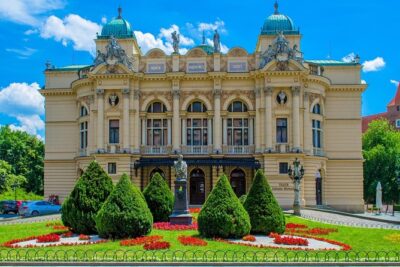
Complete Cracow Bike Tour (small group of maximum 15 people!)
Read our review →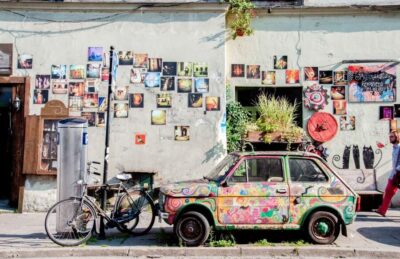
Bike Tour of Old Town, Jewish Quarter and the Ghetto
Read our review →
Full Bike Tour – the Old Town, Jewish Qtr & the Ghetto NEW BIKES
Read our review →
Browse the lists this tour appears in