
REVIEW · MOUNTAIN BIKE TOURS
La Paz: Mountain Bike Down the World’s Most Dangerous Road
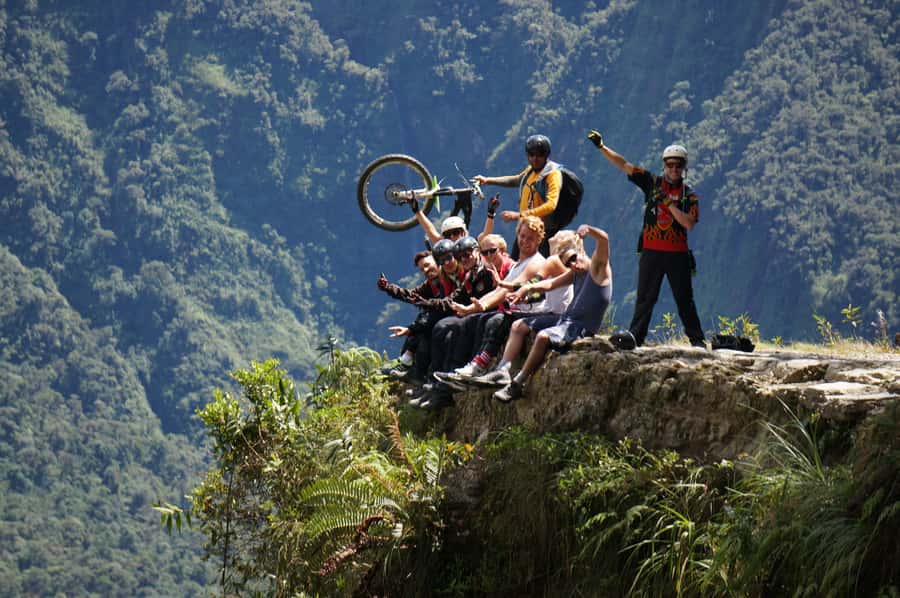
Hold on tight, the mountain drops away fast. La Paz’s one-day ride down Bolivia’s Death Road combines high-altitude views, a rough jungle track, and a well-run support team that makes a frightening name feel manageable. You start at 4,700 meters and finish about 3,500 meters lower near Yolosa.
I especially like the top-quality full-suspension bikes and the support van that stays with the group. The guides also check tires and brakes during the stops, which matters on a road where a small equipment problem can become a serious one. The main drawback is the price: at $145, this is one of the more expensive Death Road trips, and the long ride back to La Paz can make it a very late day.
The experience is run by Gravity Bolivia, with a maximum of 14 people. Guides such as Damien, Kenny, Noel, Ruben, and Damian are often praised for clear instructions, calm handling, and good humor. You can ride at your own speed, but this remains a demanding mountain-bike trip on a road with real risks.
The details that matter most
- You descend from 4,700 meters at La Cumbre to the Yungas near Yolosa, moving from cold, open mountain scenery into warm jungle.
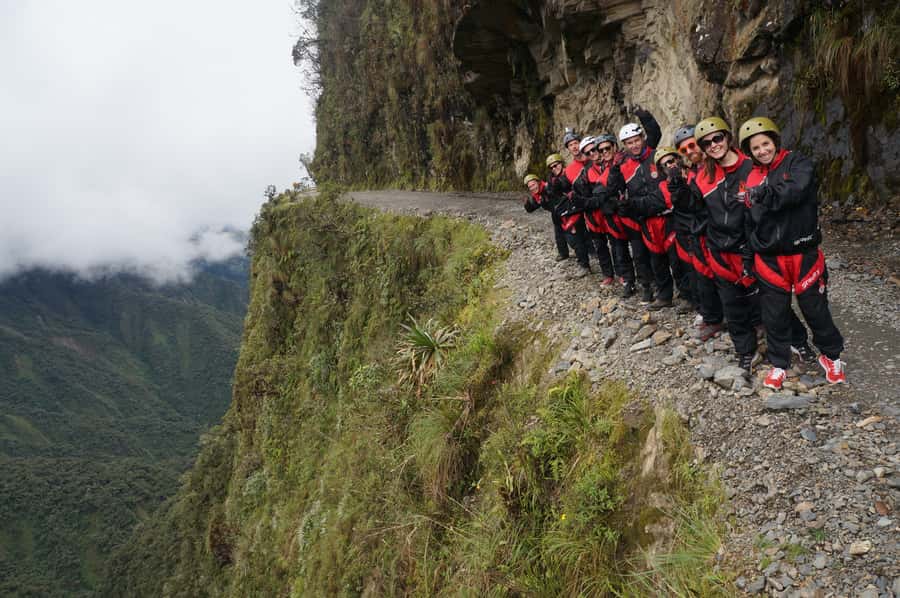
- The main dirt section drops about 2,000 meters, with cliffs, mist, loose dust, and a narrow road cut into the mountainside.
- A guide, bike mechanic, and private safety vehicle accompany each group, and the vehicle can carry you at any point if you need a break.
- The equipment is a major reason to pay more, with full-suspension downhill bikes, hydraulic disc brakes, helmets, pads, gloves, and weather gear.
- Breakfast, snacks, water, and lunch are included, followed by a visit to La Senda Verde Animal Refuge.
- The tour is best for confident cyclists who accept some risk, not for anyone who cannot ride a bike, has limited mobility, or wants a gentle sightseeing day.
Starting at La Cumbre, 4,700 meters above sea level
The day begins outside Café del Mundo in La Paz. Breakfast is included, with meat, eggs, ham and cheese, vegetarian, and vegan options. That is useful rather than decorative, since the first part of the day begins in cold air at extreme altitude.
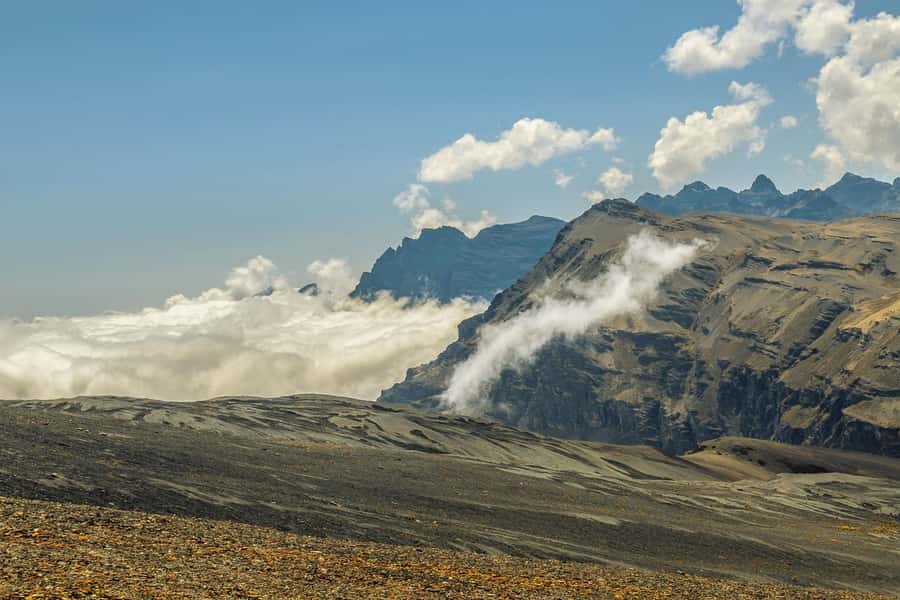
From La Paz, the group rides in transport toward La Cumbre. This high pass is windy and stark, with snow-covered Andean peaks and open views in every direction. You should bring warm layers even if La Paz feels sunny. At 4,700 meters, the temperature can be sharply different.
This opening section is more about getting used to the bike and the altitude than chasing speed. The guides explain how the group will ride, what to expect on the road, and how to use the brakes. That briefing is important. The most useful skill here is controlled braking, not athletic power.
You receive a full-suspension downhill mountain bike with hydraulic disc brakes. The bikes are checked after each ride, and a mechanic accompanies the group. This is a big advantage on Death Road, where reliable brakes and suspension make the rough surface far easier to handle.
Helmets are available in standard or full-face styles. You also receive elbow and knee pads, gloves, cold and wet weather clothing, and a buff to keep. Wear proper hiking shoes or other sturdy footwear, and use the spare clothing you bring later in the day.
More Mountain Bike Tours in the world:
- From Ubud: Downhill Bike Tour with Rice Terraces and Meal
★ 4.9 · 664 reviews - Waimea Canyon Downhill Bike Ride
★ 5.0 · 650 reviews - Ubud: Downhill Cycling with Volcano, Rice Terraces and Meal
★ 5.0 · 536 reviews
The first descent is fast, open, and surprisingly cold
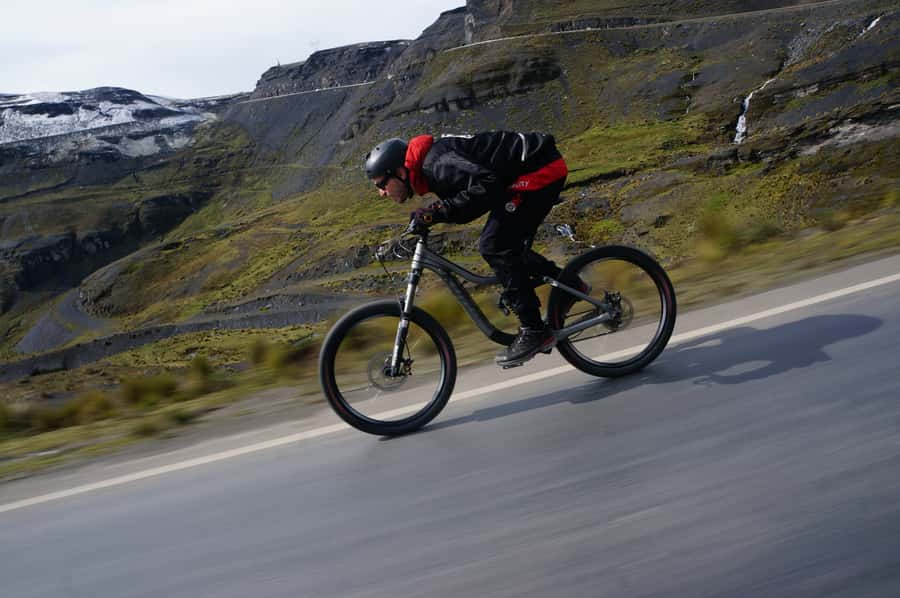
The first riding section follows asphalt through high Andean terrain. You pass twisting roads, mountain peaks, grazing llamas and alpacas, and small settlements. It is a quick way to see the dramatic change in Bolivia’s altitude zones.
The asphalt is not the part that gives Death Road its reputation, but it can still feel intense. The descent is rapid, and you need to stay alert around bends and other traffic. The guides use stops to explain the next section and give you a chance to settle into the bike.
This is where you can find your own rhythm. Some people in the group may want to move quickly, while others need more time. The trip is not meant to be a race. You can ride at a comfortable speed, and the support van follows behind.
At the stops, you can drink water, take photos, eat a snack, and rest your hands. The crew checks the bikes while you look around. That repeated attention is one of the strongest features of the tour. It turns the day from a basic downhill run into a managed activity with regular pauses.
Two snacks are provided during the ride, and water is unlimited. Still, bring sunscreen, sunglasses, and a daypack. The sun can be strong at altitude, while the road itself can be wet, cold, dusty, or hot at different points.
Entering the old Death Road
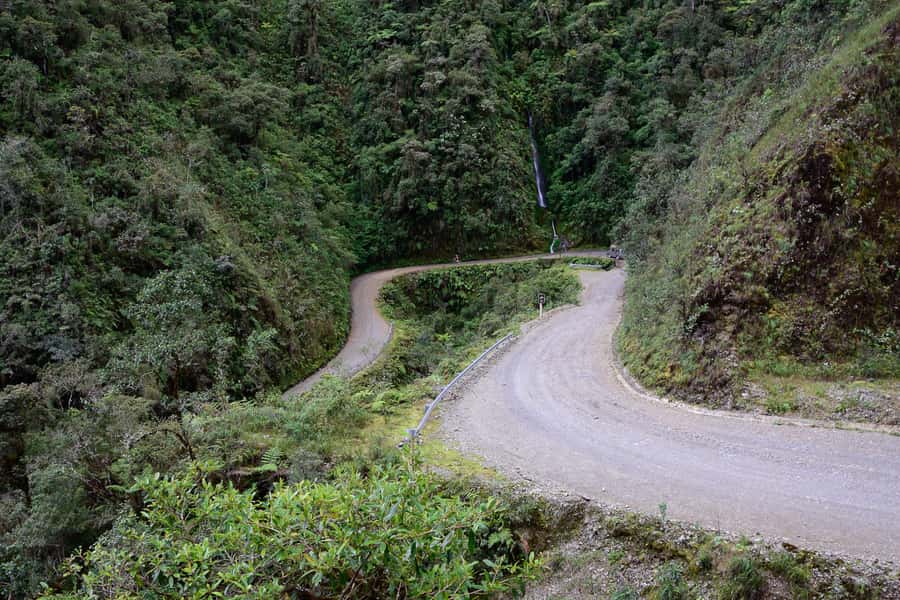
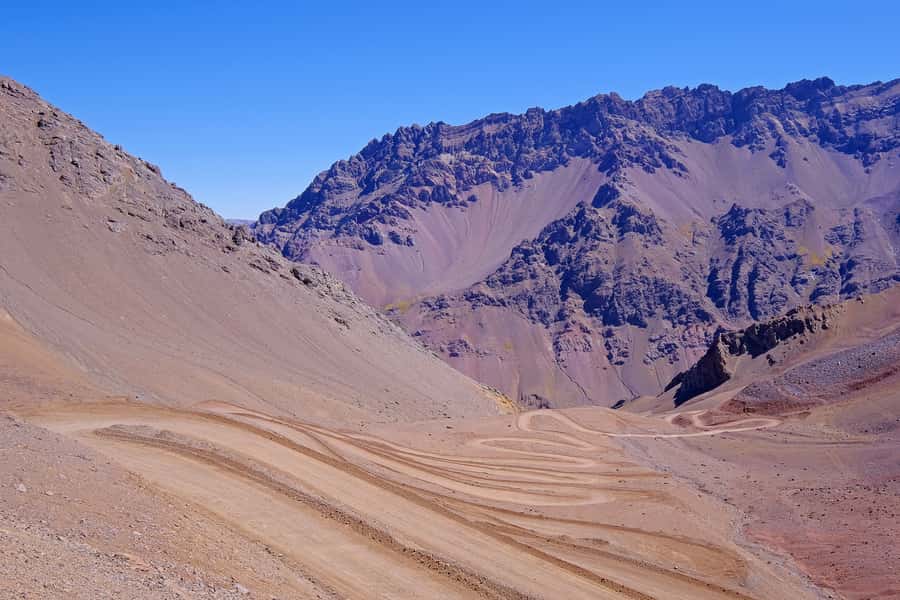
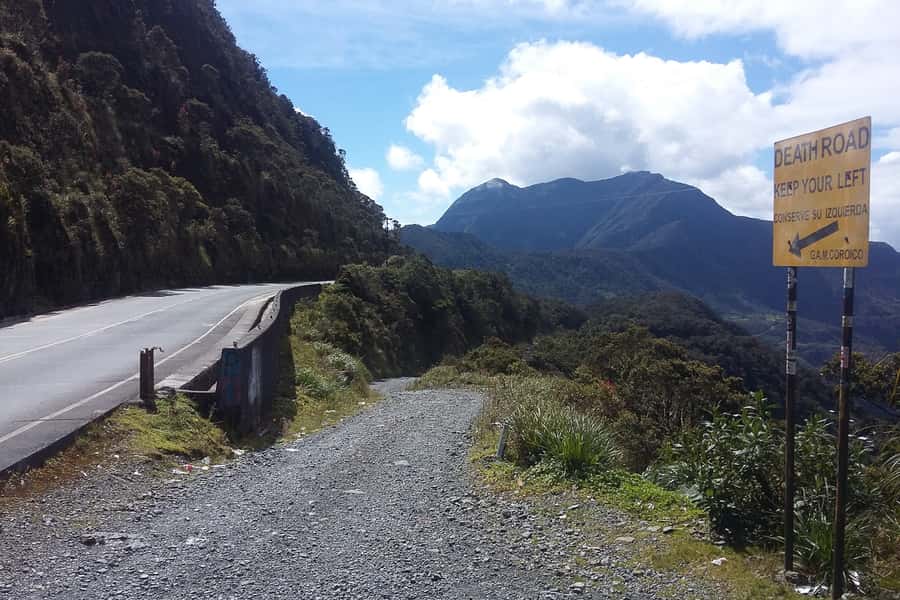
The famous section begins after the faster mountain road. You reach a rough dirt track cut into the side of the mountain, with a steep drop on one side and rock walls on the other. It is narrow in places and can be slick or dusty depending on the weather.
This is the part that gives the ride its name. The road is not a theme-park thrill ride, and the danger should not be treated as a joke. You need to listen carefully, control your speed, and leave room for the conditions.
The guides explain the character of each upcoming section before you ride it. They also stop for photographs, rest, and bike checks. That makes a difference for less experienced riders, who can handle the day in stages instead of facing the entire descent as one long challenge.
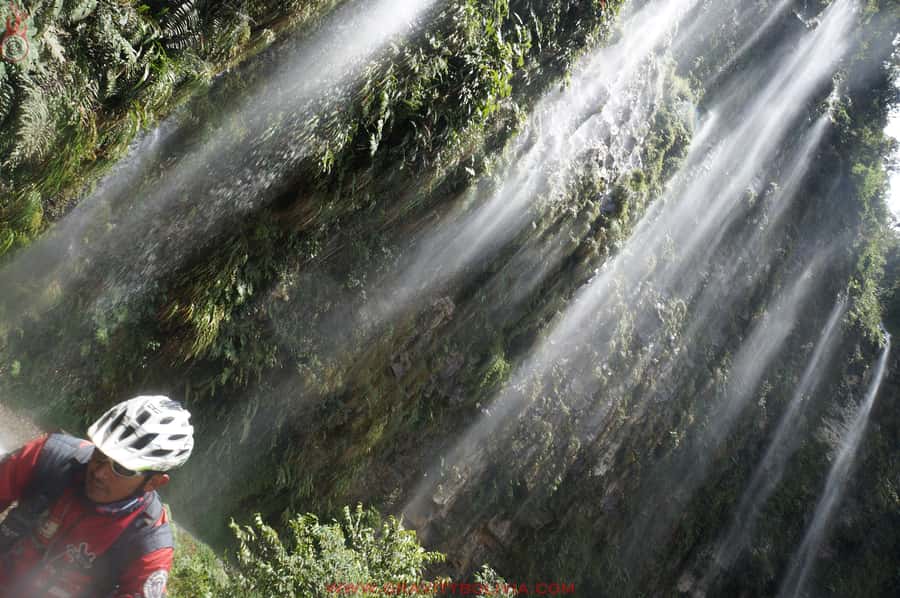
The route drops roughly 2,000 meters through mist, low cloud, dust, and increasingly warm air. The scenery changes quickly. High, bare mountain slopes give way to thicker vegetation, cliff faces, and the greener world of the Yungas.
The group is limited to 14 people, with one guide, one mechanic, and one private vehicle assigned to each group. That setup helps the crew keep an eye on riders and respond if someone is tired or has trouble with a bike.
You are also free to get into the vehicle whenever you need to. The guide can place you on the bus for your safety or for the safety of the group. This is not a failure. A long descent, rough road, cold rain, and altitude can wear you down. Smart riders use the support vehicle when their judgment or strength begins to fade.
What the safety arrangements really mean
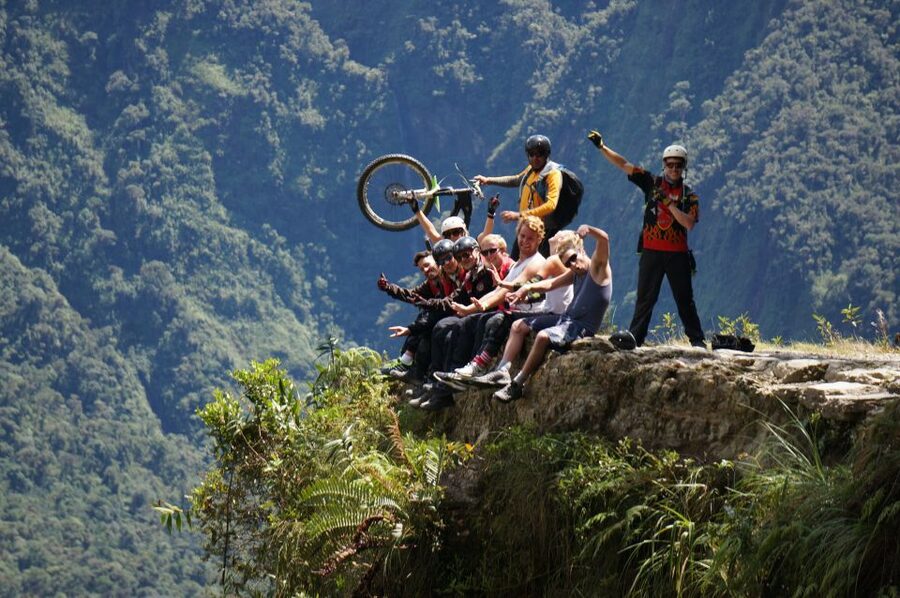
Gravity Bolivia presents its team as having the best safety record in Bolivia and using international safety standards. That claim is not something I can independently verify, but the practical safety measures are clear: trained guides, a mechanic, a following vehicle, protective equipment, regular bike checks, and the option to stop riding.
The guide names that come up often include Kenny, Noel, Damien, Damian, Ruben, Abel, Kenneth, and Marcello. The important point is not any one name, but the consistency of the role. The guides give road briefings, watch the group, help riders who struggle, and keep the mood light without treating the road casually.
One unusual account described a bike slipping off a cliff and the team recovering it with rescue equipment. The calm response impressed the rider, but it also underlines the obvious point: this is a real mountain road. You should not ride close to the edge for a photograph or copy a faster rider’s speed.
The photography service is another practical benefit. The crew takes hundreds of photos during the day and uploads them for the group. You can focus on riding instead of trying to hold a phone on a rough descent. It also means you can leave the day with more than a dusty memory and a tired pair of hands.
A few more rides around the world worth a look
- Lion City Bike Tour of Singapore
★ 5.0 · 6,211 reviews - Big Bike tour Amsterdam – See all in 3 unforgettable hours
★ 4.7 · 4,929 reviews - 3-Hour Porto Highlights on a Electric Bike Guided Tour
★ 5.0 · 4,392 reviews - Small Group Guided Bike Tour of Amsterdam’s Hidden Gems
★ 5.0 · 3,936 reviews
Arriving hot, dusty, and pleased at Yolosa
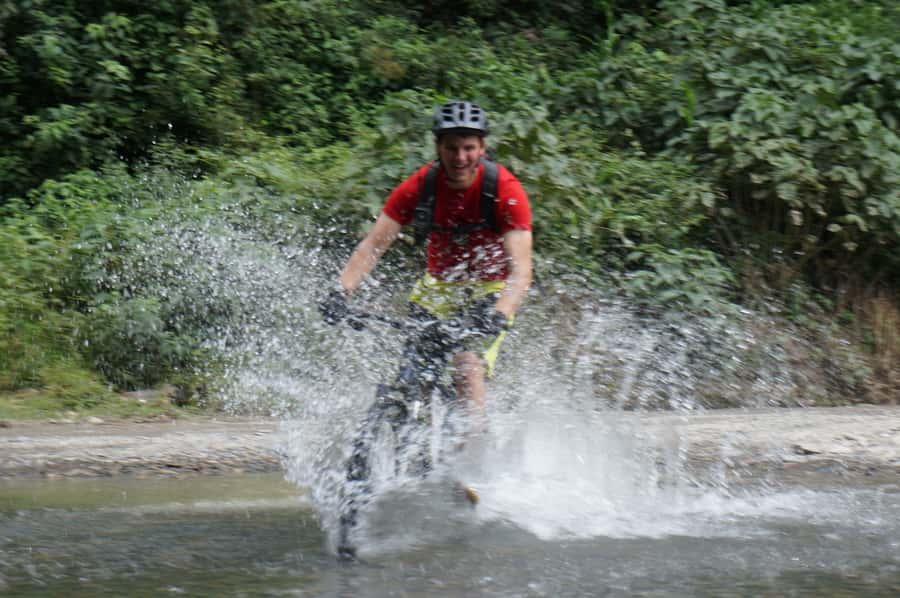
By the time you reach Yolosa, the temperature is much warmer than at La Cumbre. You may be dusty, sweaty, and tired, but the change in altitude and vegetation makes the finish feel like a proper arrival rather than just the end of a trail.
The bike ride is the headline, but the day does not finish at the bottom. The group continues to La Senda Verde Animal Refuge, where lunch is served. The meal is included and has been praised for being generous and satisfying, with hot food available.
The refuge protects animals rescued from the black market and illegal pet trade. You may see monkeys, an Andean spectacled bear, capybaras, and birds. That gives the final stop a clear purpose. You are not just stopping at a restaurant after a ride. Your entrance helps support a refuge doing difficult animal rescue work.
Several practical comforts are available at the refuge, including showers, towels, and shampoo according to the information provided by the operator and recent trip accounts. A shower is especially welcome after the dirt-road section. Bring a change of clothes, since the outfit that felt fine at 4,700 meters may be sweaty and dusty by the afternoon.
A zipline can be purchased separately on the day. It is not included in the $145 price, so do not count on it as part of the basic package.
The long return to La Paz
The return journey deserves more attention than it often gets. One account put arrival back in La Paz at about 8:30 p.m., and another specifically found the three-hour bus ride after lunch longer than expected. Exact timing can vary, but you should plan for a full day and avoid scheduling an evening flight or a fixed dinner reservation.
The ride back is the tradeoff for finishing far below La Paz. It gives you time to rest, but it can also feel long after a full day of biking. If you want the shortest possible adventure, this may be frustrating. If you value a complete route from the high Andes to the Yungas and the animal refuge, the return is simply part of the bargain.
Transport from La Paz and the return are included. The operator also drops people near their hotels afterward in some cases, but you should confirm the exact arrangement when booking.
There is also a road tax of 50 bolivianos, which is not included. Bring cash for this, the optional zipline, and any other personal spending.
Is $145 good value?
The price is high compared with some other Death Road operators. That difference is easier to understand when you add up what is included: transport, breakfast, snacks, unlimited water, protective gear, a full-suspension bike, a mechanic, a private safety vehicle, a guide, hundreds of photographs, lunch, and entry to the animal refuge.
The bikes and crew are the main value. A cheaper trip may still get you down the same road, but a poor bike, weak brakes, or limited support would matter here. The repeated praise for bike checks, good equipment, and clear safety talks suggests that the extra cost is aimed at the parts of the trip that deserve more care.
Food also reduces the hassle of a long day. You start with breakfast, receive snacks and water along the route, and finish with lunch. The refuge visit adds something meaningful instead of leaving you at a basic roadside stop.
I would not call this a bargain in the usual sense. I would call it a sensible premium choice for a high-risk activity. You are paying for equipment, staff, backup, and a more complete day, not just for access to the road.
Who should book this ride?
You should consider it if you can ride a bicycle confidently, enjoy steep downhill terrain, and are willing to follow instructions. You do not need extensive mountain-bike experience, since the guides coach less experienced riders and let people go at their own pace. Still, you need basic control and the ability to handle a long, physical day.
It is not suitable for pregnant women, wheelchair users, people with mobility impairments, people who cannot ride a bike, or children under 120 centimeters. If you feel unsure during the ride, the vehicle gives you an important way to continue safely without forcing every kilometer.
Pack warm clothes for the start, weather-appropriate layers, sunglasses, sunscreen, insect repellent, hiking shoes, a change of clothes, your passport or ID, and cash. The cold high pass and hot Yungas require very different clothing, so layering is the smart approach.
I would also tell you not to book this on a day when you need to look polished afterward. Dust is part of the experience. So are wet clothes, tired arms, and a large appetite.
Should you book Gravity Bolivia?
I would book this tour if Death Road is high on your Bolivia list and safety equipment matters more to you than finding the lowest price. The strongest reasons are the well-maintained bikes, regular mechanical checks, support vehicle, small group size, and guides who combine clear road advice with encouragement.
I would skip it if you dislike exposed roads, long vehicle transfers, or activities where the conditions can change quickly. The name is dramatic, but the risk is still real. A helmet and a good guide do not remove the need for caution.
For the right rider, this is a full Bolivian day rather than a simple bike rental. You get the high pass, the Andean views, the rough jungle road, a hot meal, a refuge visit, and a story worth carrying home. The price is steep, but the package is stronger than the bare-bones alternatives.
FAQ
How much does the Death Road bike tour cost?
The tour costs $145 per person. A 50-boliviano road tax is not included, and the optional zipline costs extra.
How long does the activity last?
It is a full-day experience. The return to La Paz can take several hours, and one trip account reported arriving around 8:30 p.m.
Where is the meeting point?
Meet outside Café del Mundo in La Paz.
What languages do the guides speak?
The tour is available with English and Spanish-speaking guides.
How many people are in each group?
The group is limited to 14 participants. Each group has one guide, one mechanic, and a private safety vehicle.
What equipment is included?
You receive a full-suspension downhill mountain bike with hydraulic disc brakes, a helmet, elbow and knee pads, gloves, cold and wet weather clothing, and a buff.
Is food included?
Yes. Breakfast, two snacks, unlimited water, and a box lunch are included. Lunch is served at La Senda Verde Animal Refuge.
Can I stop riding if I get tired?
Yes. The support vehicle follows the group, and you can get in at any point. The guide can also place you on the vehicle if continuing would be unsafe for you or the group.
Newly added rides around the world
- Pikes Peak Summit Downhill Bike Tour★ 5.0 · 51 reviews
- Garden of the Gods Original Electric e-Bike Tour★ 5.0 · 45 reviews
- Garden of the Gods Highlights and Gems Guided E-Bike eBike Tour★ 5.0 · 117 reviews
- Gold Camp Road by E-Bike★ 5.0 · 21 reviews
- Ebike Tour: Garden of the Gods★ 5.0 · 65 reviews
- Ebike 2 Hour Rental Experience in Manitou Springs, Colorado★ 5.0 · 33 reviews
- EBIKE Mountain Adventure in Colorado Springs: Gold Camp Road★ 5.0 · 16 reviews
- 3-Hour Cologne Street Art Bike Tour in Small Group with Guide★ 4.5 · 20 reviews
Mountain Bike Tours, compared.
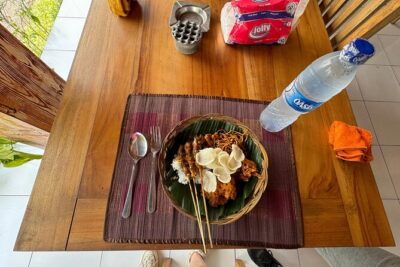
Downhill Cycling with Volcano, Rice Terraces and Meal
Read our review →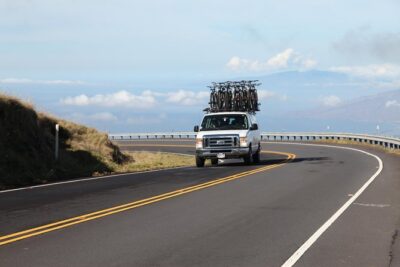
Best Haleakala Downhill Self-Guided Bike Tour with Maui Sunriders
Read our review →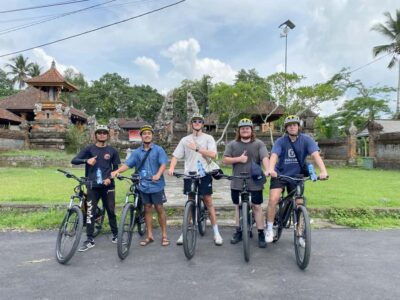
Downhill Bike Tour with Rice Fields, Volcano and Meal
Read our review →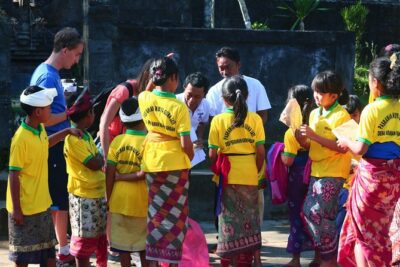
Chiang mai Hike & Downhill Bike Adventure –Suthep National Park
Read our review →Downhill Cycling with Volcano, Rice Terraces, and Meal
Read our review →Browse the lists this tour appears in