
REVIEW · USA BIKE TOURS
New Orleans: Scenic City Bike Tour
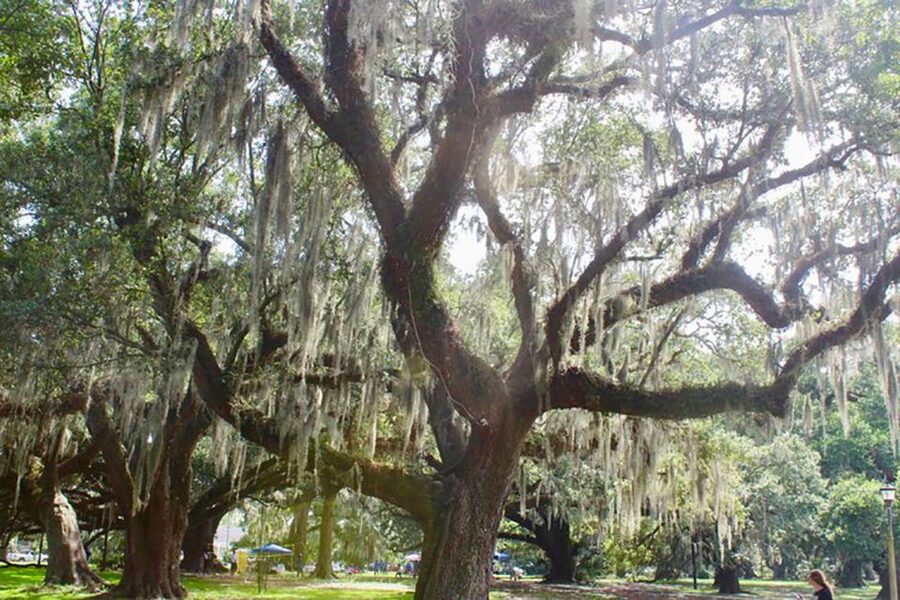
See New Orleans beyond Bourbon Street. This three-hour bike tour links the French Quarter, Esplanade Ridge, City Park, and Bayou St. John on a mostly flat route that makes the city’s growth easy to understand. You begin in the historic core, then pedal into quieter neighborhoods where live oaks, Creole mansions, cemeteries, and old waterways tell a fuller story.
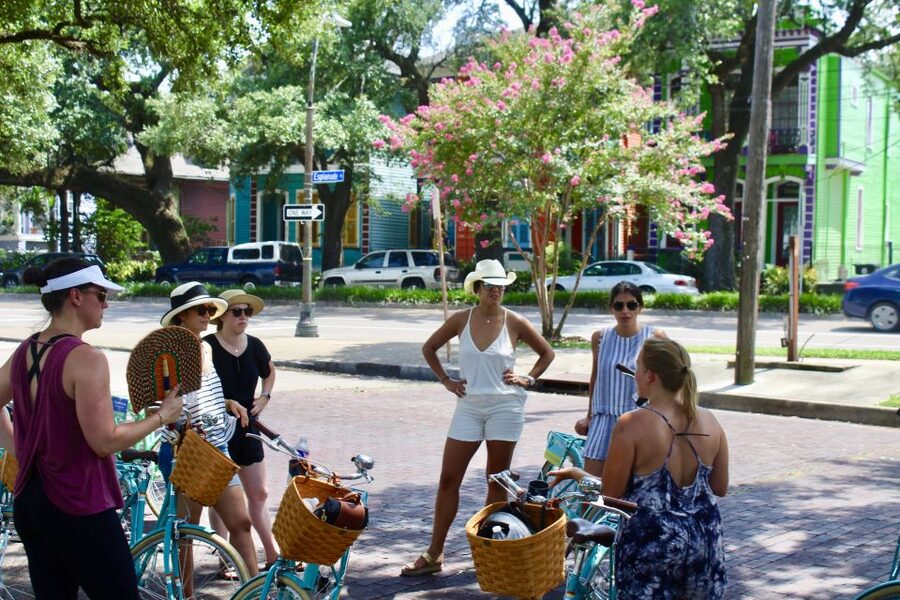
I especially like the small group size, limited to 10 people, and the leisurely pace. The guides have earned strong praise for making local history easy to follow, with past guides including Eric and Jeremy. The main drawback is practical: you need to be at least 13 years old, taller than 4 feet 11 inches, and comfortable riding for three hours in New Orleans weather.
The $55 price is fair for a guided outing that includes a bicycle, optional helmet, and bottled water. You will not get hotel pickup, food, or a private group, but you do get a broad look at several parts of the city in one afternoon.
Key points to know before you book
- A three-hour route with real range: You ride from the French Quarter to City Park, Bayou St. John, Mid-City, and the Lafitte Greenway.
- Flat and relaxed riding: The pace is designed for sightseeing rather than athletic training, with stops for history and local culture.
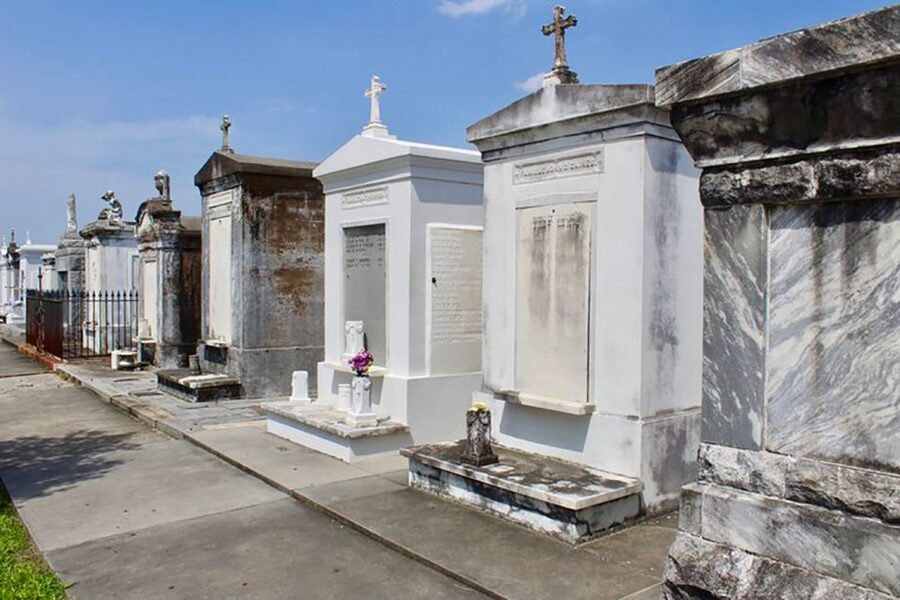
- St. Louis Cemetery No. 3: You learn about New Orleans burial customs at one of the tour’s most distinctive stops.
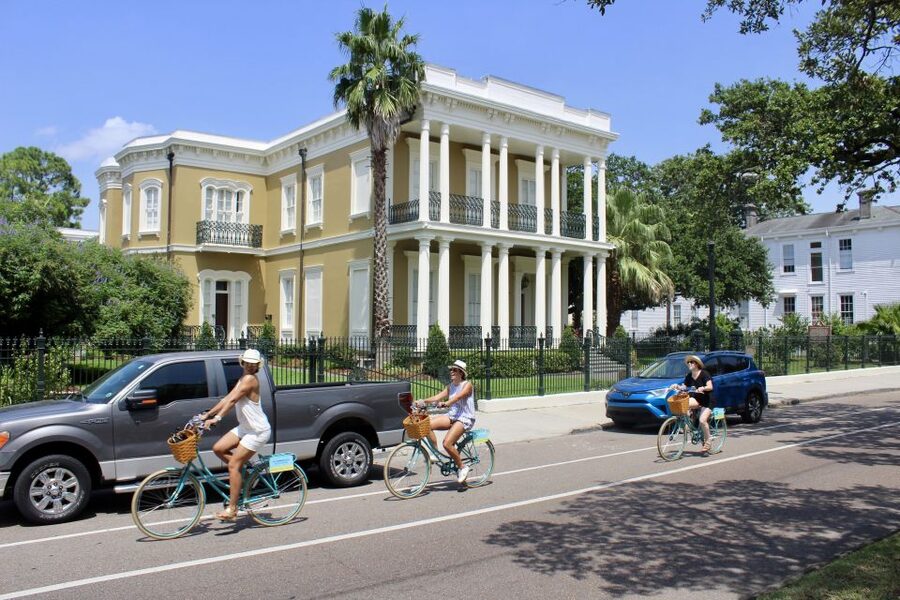
- Esplanade Avenue’s Creole mansions: The broad, oak-lined avenue gives you a look at grand homes outside the French Quarter.
- Small-group guidance: With no more than 10 participants, it should be easier to hear the guide and ask questions.
- A few firm limits: Sandals and flip flops are not allowed, and unaccompanied minors cannot join.
Why a bicycle is a smart way to see New Orleans

New Orleans can feel compact on a map, but the best parts are spread across several neighborhoods. Walking from the French Quarter to City Park would take time and energy, while a vehicle would separate you from the streets, trees, and everyday details you pass along the way.
A bicycle gives you a useful middle ground. You move far enough to see how the city changes, but slowly enough to notice the architecture and waterways. The route is described as flat and leisurely, so this is not built around speed or strenuous climbs.
That matters in New Orleans. The city’s character changes block by block. The French Quarter is dense and historic, Esplanade Avenue opens into a long green corridor, and City Park offers a very different setting from the old central neighborhoods. A bike connects those pieces in a way that makes the city’s layout clearer.
The small group is another plus. A 10-person limit is intimate enough for a guide to keep the group together without creating the feel of a large procession. It also helps at stops where you want to hear an explanation about local customs, architecture, or the city’s waterways.
The tradeoff is exposure to the weather. The tour usually runs in the afternoon, and New Orleans can be hot or humid. You should be ready to ride outdoors for the full three hours and wear clothing that is comfortable for cycling.
More City Bike Tours in the USA
- Asheville Historic Downtown Guided Electric Bike Tour with Scenic Views
★ 5.0 · 1,234 reviews - New York City: Highlights of Central Park Bike or eBike Tour
★ 4.6 · 800 reviews - The Ultimate LA Tour: Full Day Sightseeing Tour On Electric Bike
★ 5.0 · 478 reviews
Starting in the French Quarter on North Rampart Street
The meeting point is on North Rampart Street in the French Quarter, between Toulouse Street and St. Peter Street, next to Arrow Cafe. You begin by getting fitted with a bicycle before setting off through the old city center.
This opening section gives you a quick orientation to the French Quarter, but the tour does not stay only among the most familiar streets. That is important. Many city tours spend their entire time around the French Quarter, while this route uses it as a starting point and then moves into less-visited areas.
The French Quarter section also sets up the main theme of the outing: New Orleans grew outward from its historic core. As you leave the dense center, the ride shows how streets, waterways, and new neighborhoods shaped that expansion.
You receive use of a bicycle and one bottled water. Helmets are optional, according to the tour details. Sandals and flip flops are not allowed, so wear secure shoes suitable for pedaling. You must also sign a waiver before riding.
Esplanade Avenue and the Creole mansion route

From the French Quarter, the route heads along Esplanade Avenue. This is one of the most appealing sections for anyone interested in New Orleans architecture.
The avenue is known here for its regal live oaks and Creole mansions. The trees provide shade, while the broad route creates a calmer contrast with the tighter streets of the French Quarter. You get time to look at the homes and hear how Creole culture shaped the city’s buildings and social life.
I like this section because it puts architecture in context. You are not simply stopping in front of one famous building for a quick photograph. You are pedaling through a long stretch where the homes, trees, and street plan work together. The guide can explain what you are seeing as the group moves along.
The route also follows the historic Esplanade Ridge. This helps explain why the city expanded in this direction and how an area that was once connected to a bayou became part of urban New Orleans.
Do not expect an architectural tour with interior visits. The value is in seeing the avenue as a whole and learning how Creole traditions appear in the city’s built environment.
St. Louis Cemetery No. 3 and New Orleans burial customs
A stop at St. Louis Cemetery No. 3 adds a cultural layer that you will not get from simply riding past beautiful houses. Here, the guide explains New Orleans burial practices and why above-ground tombs are such a recognizable part of the city.
This stop is likely to be one of the most memorable parts of the tour because it connects local customs with the city’s physical setting. New Orleans has long had to deal with wet ground and water, and its burial traditions reflect that environment as well as religious and family practices.
The cemetery visit also slows the ride at the right moment. Three hours on a bicycle can feel long if every minute is spent pedaling, but a meaningful stop gives you a chance to listen, look around, and absorb the setting.
The experience is educational rather than theatrical. The supplied information does not promise a private cemetery visit or a special after-hours arrangement, so you should think of this as a guided stop within a wider city ride.
Same handlebars, a completely different route:
- NYC: Central Park Bike Rentals
★ 4.2 · 2,528 reviews - Red Rock Canyon eBike Half-Day Tour
★ 5.0 · 1,870 reviews - NYC: Central Park Bike Rental
★ 4.1 · 1,651 reviews - Central Park Bike Rental
★ 4.7 · 1,509 reviews
City Park, swampy views, and Bayou St. John
After the cemetery, the route continues toward City Park. This is where the ride takes on a more open feel, with green space and swampy views replacing the close-set streets of the French Quarter.
The park helps you see another side of New Orleans. It is not just a city of old façades and music venues. Water, trees, and low-lying ground are central to how the city works and how it developed.
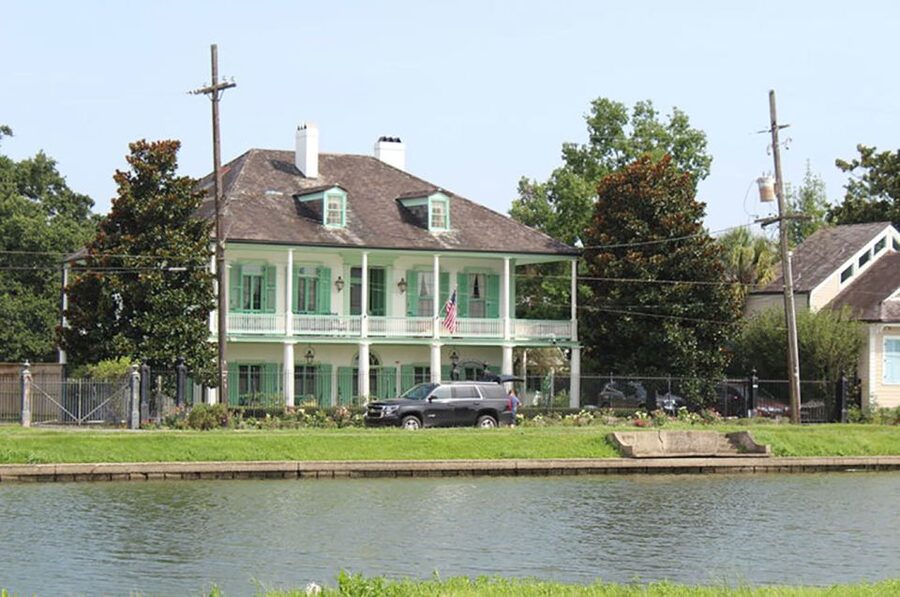
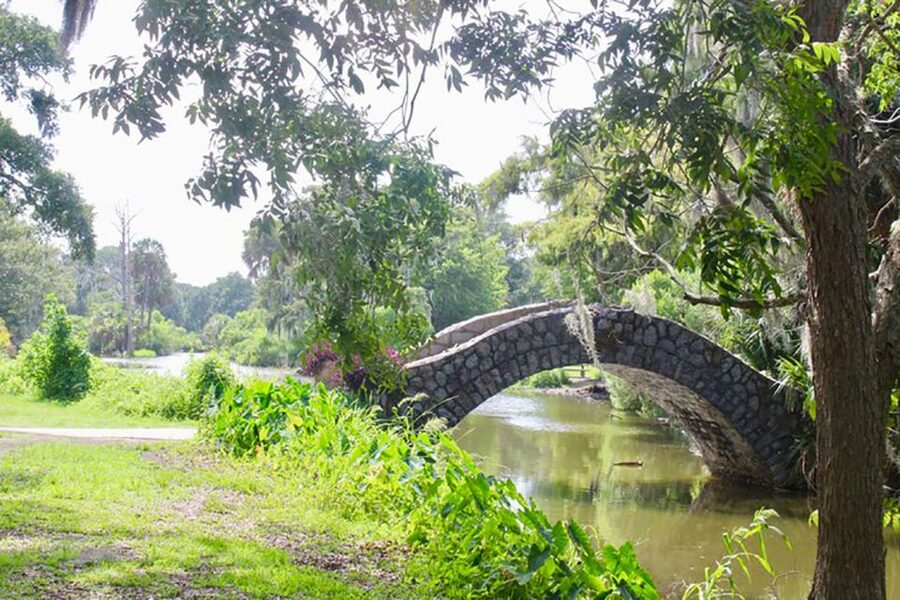
The ride then reaches Bayou St. John, a historic waterway used by Native Americans and French settlers. The guide explains why the bayou was important to the founding and growth of New Orleans.
This is one of the strongest teaching points on the route. A bayou is easy to treat as scenery, but Bayou St. John was also a route for movement and trade. Its role helps explain why the city took shape where it did and why waterways remain such an important part of its identity.
The route through City Park and Bayou St. John also gives you a break from the busiest tourist areas. You still receive a guided view of the city, but the setting feels less staged and more connected to daily New Orleans.
Mid-City, the Lafitte Greenway, and Louis Armstrong Park
The tour includes Mid-City and the Lafitte Greenway, adding another layer to the city’s changing neighborhoods. These areas help show that New Orleans is not only its oldest blocks or grandest avenues.
The Greenway provides a useful route for a bike tour because it links neighborhoods while giving the group space to ride. The tour details do not promise a long uninterrupted trail ride, so think of it as one part of a varied city route rather than a dedicated cycling excursion.
Louis Armstrong Park and Congo Square bring the focus back to culture. Congo Square is especially important in discussions of music, community, and the traditions that helped shape New Orleans. One past guide, Jeremy, was praised for bringing a personal connection to jazz as a musician, though guide assignments can change.
This part of the route gives the tour a wider cultural frame. You are not only looking at buildings and waterways. You are also learning how New Orleans developed its distinct Creole and musical identity.
The exact order of these stops can vary, but the published route includes the French Quarter, Faubourg Marigny, Esplanade Avenue, St. Louis Cemetery No. 3, City Park, Bayou St. John, Mid-City, the Lafitte Greenway, Louis Armstrong Park, and Congo Square.
The guides and the feel of the ride
The strongest praise has focused on the guides. Eric has been singled out for providing a strong experience and helping participants learn how to make the most of their time in New Orleans. Jeremy has been praised for combining city history with his background as a musician.
Other guides have been described as friendly, entertaining, and easy to listen to. That combination matters on a bike tour. A guide can know a great deal, but if the explanations are too long or hard to hear from the saddle, the information gets lost.
The feedback also points to a good balance between stops and riding. The pace has been described as perfect, leisurely, and enjoyable. That suggests the tour is aimed at sightseeing rather than exercise.
I would still keep expectations sensible. A small group does not guarantee a private tour, and a three-hour route covers a lot of ground. If you want long visits at each cemetery, park, or cultural site, you may find the schedule too broad. If you want an overview that links many parts of New Orleans, the range is a major strength.
Is $55 good value?
At $55 per person, the tour offers reasonable value for a three-hour guided experience. The fee covers the bicycle, optional helmet, and one bottled water, along with the guide’s time and the route through several neighborhoods.
The value is strongest if you want orientation early in your stay. In one outing, you can see where the French Quarter ends, how Esplanade Avenue leads toward City Park, where Bayou St. John fits into the city, and how Mid-City and the Lafitte Greenway relate to the central neighborhoods.
You also avoid arranging bicycle rental, choosing a route, and researching each stop yourself. The guide gives the ride its real value by explaining the connection between geography, architecture, burial customs, and Creole culture.
The price does not include food or hotel pickup and drop-off. You need to reach the North Rampart Street meeting point yourself and plan your own meal before or after the ride. That is not unusual for a city bike tour, but it is worth adding to your budget and schedule.
Free cancellation up to 24 hours before the activity and the option to reserve now and pay later make the booking less rigid. Those terms are useful if your New Orleans plans are still shifting.
Who should book this bike tour?
This experience suits adults, older teens, and active visitors who want more than a quick French Quarter walk. The minimum age is 13, and anyone under 18 must be with a legal guardian. Participants must also be taller than 4 feet 11 inches.
You should choose it if you enjoy learning while moving, prefer a small group, and want to see several neighborhoods in one outing. It is also a good choice for a first full day in the city, when a broad orientation can help you decide where to return later.
It may not suit you if you dislike cycling, struggle with three hours of outdoor activity, or want a private itinerary. It is also not suitable for children under 13, unaccompanied minors, or anyone who arrives intoxicated.
Because the route is flat and relaxed, you do not need to be a serious cyclist. Still, you should be comfortable riding for the duration and wearing proper shoes. Bring a practical attitude toward heat, humidity, and changing weather.
Should you book the Scenic City Bike Tour?
I would book this tour if you want a clear introduction to New Orleans beyond the French Quarter. The best parts are the easy pace, the small group, the shaded Esplanade Avenue ride, and the way Bayou St. John and City Park explain the city’s geography.
The $55 cost is justified by the amount of ground covered and the guide’s role in connecting each stop. Choose it early in your visit if you want useful orientation, or later if you already know the central streets and want to reach neighborhoods farther out.
Skip it if you need a very slow, site-by-site visit or do not enjoy riding outdoors. For most active visitors who want history, architecture, waterways, and Creole culture in one compact outing, this is a strong and practical way to meet New Orleans.
FAQ
How long is the New Orleans Scenic City Bike Tour?
The tour lasts three hours and is usually available in the afternoon.
How much does the tour cost?
The price is $55 per person.
Where does the tour meet?
The meeting point is on North Rampart Street in the French Quarter, between Toulouse and St. Peter streets, next to Arrow Cafe.
What places does the bike tour visit?
The route includes the French Quarter, Faubourg Marigny, Esplanade Avenue, St. Louis Cemetery No. 3, City Park, Bayou St. John, Mid-City, the Lafitte Greenway, Louis Armstrong Park, and Congo Square.
Is bicycle use included?
Yes. Bicycle use and one bottled water are included. A helmet is optional.
What is the minimum age?
Participants must be at least 13 years old and taller than 4 feet 11 inches. Anyone under 18 must be accompanied by a legal guardian.
What should I wear?
Sandals and flip flops are not allowed. Wear secure shoes suitable for riding and outdoor clothing for a three-hour bicycle tour.
Can I cancel the tour?
Yes. You can cancel up to 24 hours in advance for a full refund. You can also reserve now and pay later.
Newly added rides around the USA
- Private North County San Diego Electric Bike and Hike Tour★ 5.0 · 10 reviews
- Local Guided Electric Bike Tour from Solana Beach to Encinitas★ 5.0 · 51 reviews
- 1 Day Electric Bike Rental in Solana Beach★ 5.0 · 11 reviews
- Carlsbad 3-Hour Electric Bike Rental★ 4.5 · 46 reviews
- Hourly Electric Bike Rental in Solana Beach★ 5.0 · 24 reviews
- Luxury Guided Electric Bike Tour to Downtown Encinitas★ 5.0 · 18 reviews
- Wine Country Half-Day Bike Tour from Solvang – w/o Lunch★ 5.0 · 12 reviews
- Waterfront Ride: Outer Harbor History Bike Tour★ 5.0 · 15 reviews
USA Bike Tours, compared.






Asheville Historic Downtown Guided Electric Bike Tour with Scenic Views
Read our review →
Browse the lists this tour appears in