
REVIEW · PORTUGAL BIKE TOURS
Peneda Gerês National Park: Self-Guided Electric Bike Tour
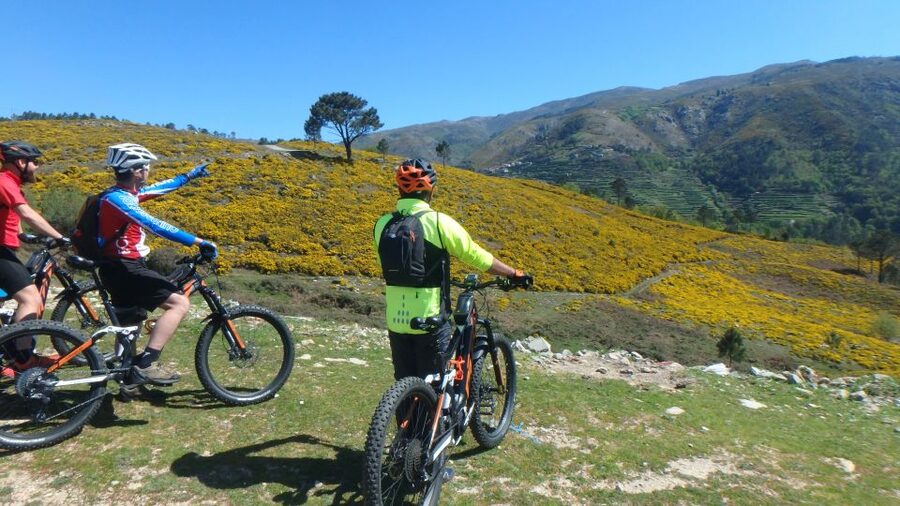
A national park on two wheels. Tobogã’s self-guided electric bike tour gives you five hours in Peneda-Gerês National Park, with a 50-kilometer route through mountain villages, forest, reservoirs, and old stonework. I like the chance to see Soajo’s famous granaries and Lindoso’s 13th-century castle without being tied to a group guide.
I also like that the route uses a capable KTM Macina Kapoho 7973 e-bike and includes a helmet, gloves, sunglasses, and insurance. The main caution is simple: this is not a gentle cycle along a flat riverside path. The GPS-led route covers mixed terrain, and you need to ride a mountain e-bike comfortably for about five hours.
Key points to know before booking
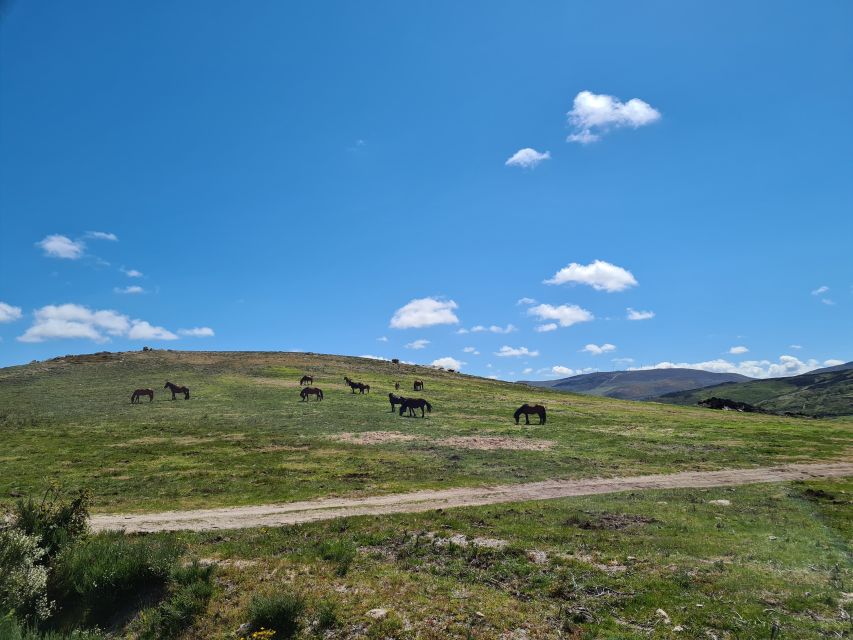
- Soajo brings the cultural heart of the ride: See its traditional stone granaries, old village streets, and mountain setting.
- Lindoso adds a major historic stop: Visit the 13th-century castle, old granaries, and views over the Lindoso Reservoir.
- The route is self-guided by GPS: It is easy to follow for most riders, though GPS performance has not been perfect for everyone.
- You cover about 50 kilometers: The course includes varied surfaces, mountain riding, and a stated elevation drop of 1,300 meters.
- Bring your own food and bottle: There are only a few snack bars, while drinkable springs offer places to refill.
- The $94 price is reasonable for the equipment: It works best for riders who value independence and a full day of scenic cycling rather than guided commentary.
Starting at Tobogã Base beside the Lima River
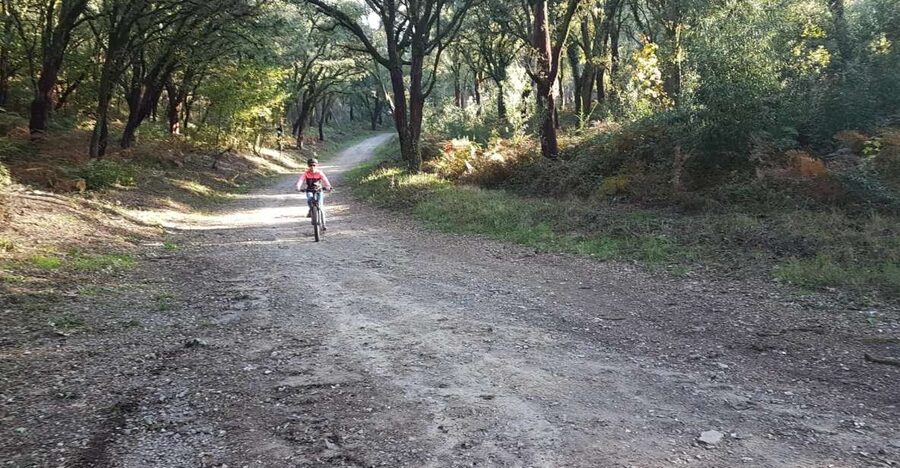
The ride begins at Tobogã Base in Entre Ambos-os-Rios, where you collect the KTM electric mountain bike and safety equipment. The package includes a helmet, gloves, sunglasses, and insurance, so you do not need to arrange the basic riding kit yourself.
The bike supplied is a KTM Macina Kapoho 7973, 2024 model. That matters here because the route is long and includes different types of ground. An electric mountain bike can take some pressure off the climbs, but it does not turn a five-hour ride into a casual outing.
You should arrive ready to check the bike, understand the GPS instructions, and adjust your helmet before setting off. Since this is self-guided, you will not have a guide riding ahead to point out every turn or explain each village as you go. The freedom is useful, but you need to pay attention.
The host team speaks Spanish, English, French, and Portuguese. That makes the initial briefing easier for many international riders, even though the actual route is followed independently.
More E-Bike Tours in Portugal
- 3-Hour Porto Highlights on a Electric Bike Guided Tour
★ 5.0 · 4,392 reviews - Lisbon: Hills, Alfama, and Mouraria Tour by Electric Bike
★ 4.8 · 3,438 reviews - Porto: City Highlights 3-Hour Guided Electric Bike Tour
★ 4.8 · 3,092 reviews
Crossing the Lima River at Touvedo Dam
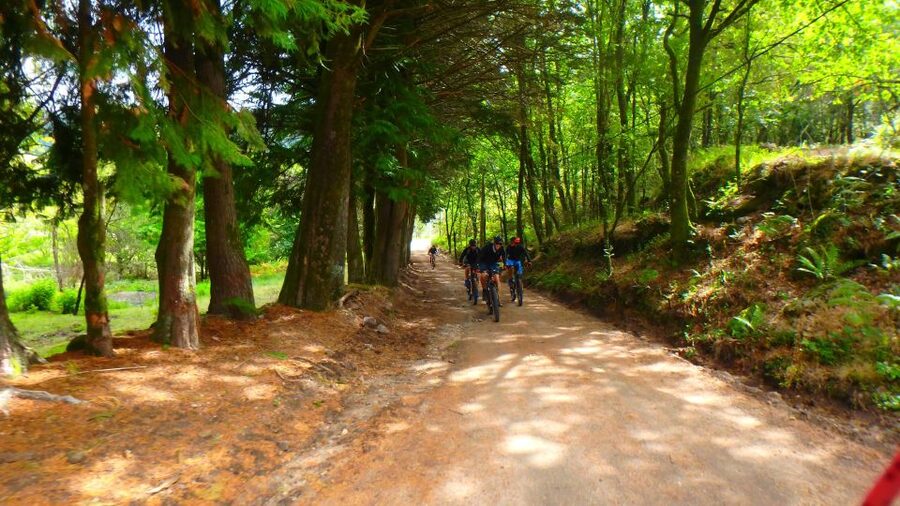
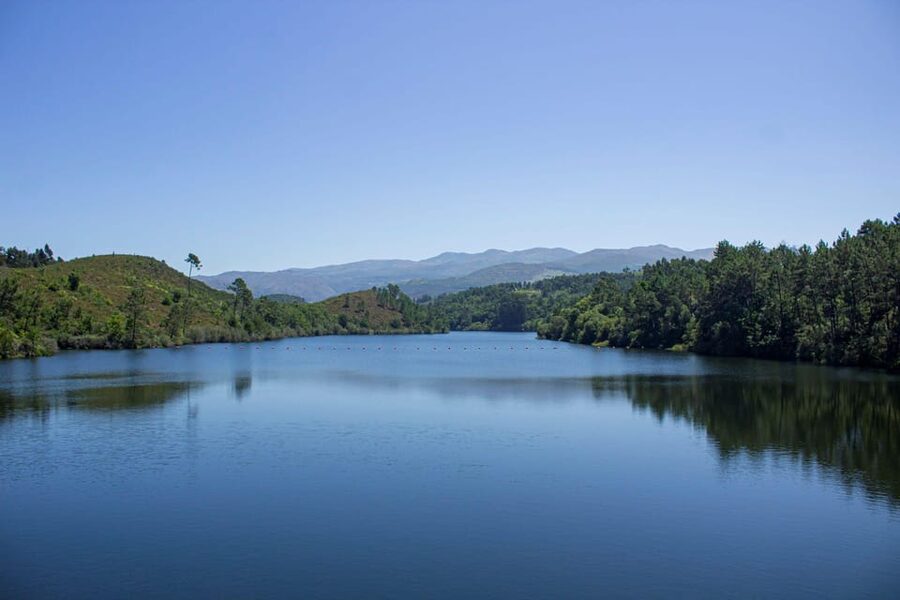
The early part of the course takes you across the Lima River at the Touvedo dam. This gives the route a strong sense of place right away. You are not simply cycling around a town or along a marked exercise trail. The ride links water, mountain roads, villages, and old agricultural areas.
The dam crossing also helps explain the changing scenery ahead. You will move through a region shaped by rivers and reservoirs, then gain height toward the higher villages. The route is designed as a point-to-point circuit in experience, but it returns you to Tobogã Base at the end.
The route description gives a total distance of about 50 kilometers and a 1,300-meter elevation drop. At the same time, the course climbs toward Soajo, so you should expect a varied profile rather than one continuous downhill ride. The electric assistance is especially useful for the uphill sections, but you still need steady control and enough stamina for a long outing.
Ermelo and the mountain road toward Soajo
The route passes through Ermelo, a village known here for its beautiful monastery. This is one of the quieter parts of the ride, where the appeal comes from the setting and the change in pace. You are moving away from the river and toward the mountain villages that give the park much of its character.
The climb toward Soajo is an important part of the day. If you are looking only for effortless downhill cycling, this tour may feel demanding. If you enjoy the rhythm of a mountain ride and like using an e-bike to manage the harder sections, the climb gives the day useful variety.
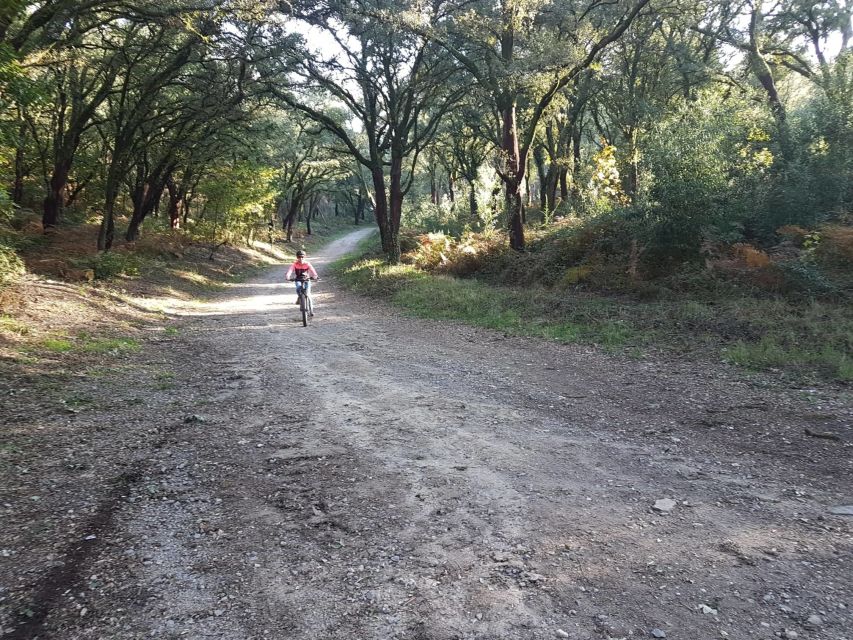
The surfaces change along the way. One rating specifically praised the different terrain and surroundings, while another found the route easy to follow and the equipment good quality. A separate rating noted that the final section could have included more unpaved riding, so do not assume the whole trip is a rough off-road course. You will encounter a mix, with some sections feeling more like regular roads or smoother routes.
That mix is worth considering before you pay. The tour is a good fit if you want a broad sample of Gerês rather than a technical mountain-bike challenge. It is less suitable if your main goal is a full day of demanding single-track riding.
Soajo’s granaries and old village character
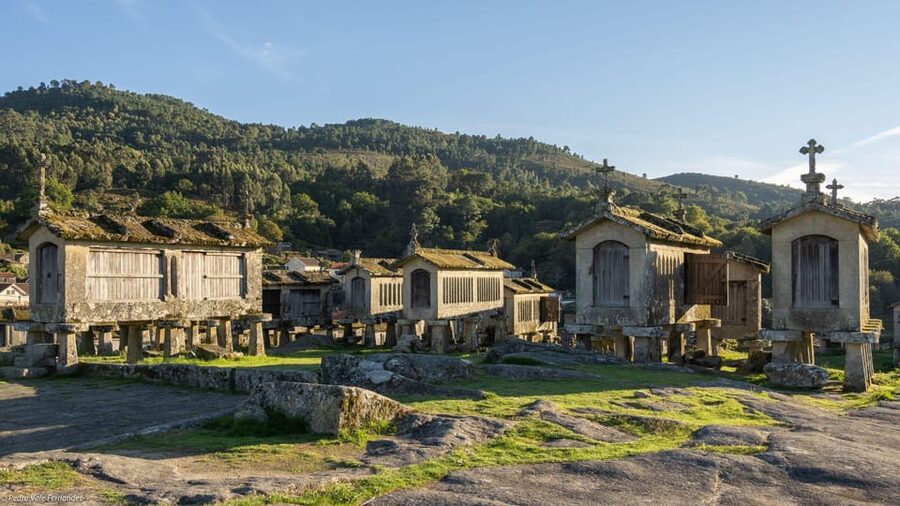
Soajo is one of the strongest reasons to choose this route. The village is known for its traditional espigueiros, or stone granaries, built to store cereals. These small stone structures are among the most recognizable sights in the park and give Soajo a very different feel from a modern resort town.
I like this stop because the cultural details are tied directly to the village’s rural life. The granaries were practical structures, not decorations added for tourists. Their presence helps you understand how local communities stored food and worked with the mountain climate.
Soajo also keeps older craft and food traditions alive. Wooden handicrafts are part of the local identity, and the village is associated with Soajo-style goat. The tour information does not include a meal, so you should not count on tasting that dish during the ride. Still, knowing about the local food adds meaning to the stop and may help you decide where to eat later in the area.
The village is described as peaceful and welcoming, with views and surrounding nature that reward a pause. You will want enough time to look around rather than treating Soajo as a quick GPS waypoint. Since the whole route lasts about five hours, the timing may depend on your pace and how long you spend at each stop.
More Self-Guided Bike Tours in Portugal
- Sete Cidades: E-Bike Rental with GPS and Map Tour
★ 4.7 · 179 reviews - E-Bike Self Guided Tour Sintra & Cabo da Roca
★ 5.0 · 163 reviews - From Nazaré: Self-Guided Half-Day or Full-Day E-bike Rental
★ 4.9 · 68 reviews - Porto: Self-Guided Bike and Boat Tour with Port Wine Tasting
★ 4.7 · 52 reviews
Lindoso Castle and the reservoir views
From Soajo, the route continues toward Lindoso, another important mountain village in Alto Minho. Its main historic feature is the 13th-century castle, which helped defend Portugal during conflicts with its neighbor.
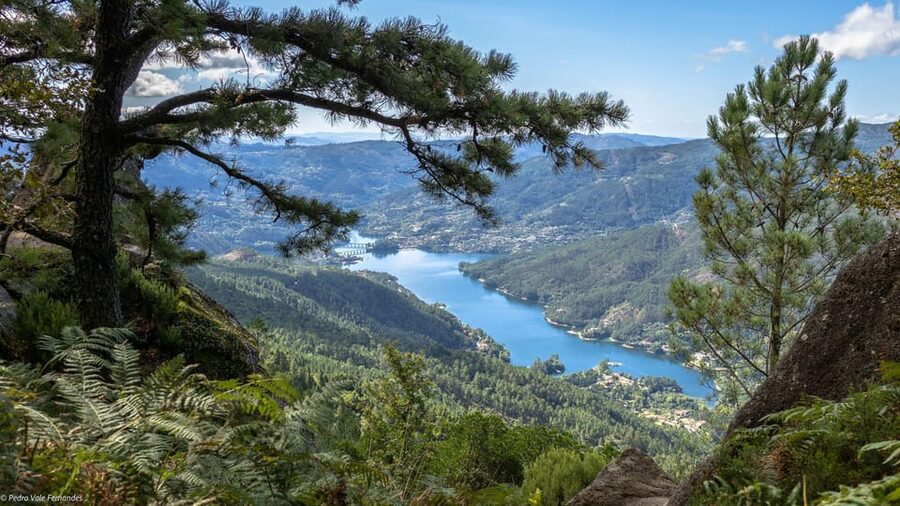
The castle gives the ride a clear historical anchor. You are not only passing through attractive countryside. You are reaching a place shaped by Portugal’s border position and military past. The views toward the Lindoso Reservoir add another layer, pairing the old stone fortification with a much newer water landscape.
Lindoso also has old granaries, so you get a second chance to see the regional building style after visiting Soajo. The two villages are not interchangeable, though. Soajo is especially appealing for its quiet village atmosphere and cluster of traditional granaries, while Lindoso offers the castle and broad reservoir views.
I would treat Lindoso as a key photo and rest point, but keep your expectations practical. This is a self-guided cycling tour, not a castle tour with a historian. You can inspect the setting and appreciate its purpose, but detailed interpretation is not listed as part of the experience.
A self-guided route that mostly works
The biggest practical question is how easy the course is to follow. The route uses GPS rather than a guide leading the group. One rider found it very clearly marked and easy to follow, while another said the GPS occasionally failed. That is a fair warning, not a reason to reject the tour.
You should pay attention during the start briefing and make sure you understand how to use the navigation system. If the route is easy to follow, self-guiding gives you more control over your pace and stops. You can enjoy Soajo or Lindoso without needing to stay close to a guide or a large group.
The trade-off is that navigation becomes part of your responsibility. You will not have someone making every decision for you if the GPS signal becomes unclear. Riders who are comfortable with phones, route displays, and mountain cycling will probably find this manageable. If you want constant local commentary and hands-on direction, a guided tour would suit you better.
The multilingual host support is helpful at the beginning, but the activity itself remains independent. That distinction is worth understanding before booking.
What to bring for five hours outside
Food and drinks are not included. There are only a few snack bars along the route, so bring a snack from the start. This is especially important because a five-hour ride can feel much longer when you have no convenient place to buy food.
Bring a refillable bottle as well. Drinkable spring water is available along the way, which gives you a useful chance to top up. You should still start with water rather than relying entirely on finding the next spring.
Wear clothing suited to the weather and bring sunscreen. The activity takes place outdoors, and conditions can change as you move between river level, villages, and higher ground. Gloves, sunglasses, and a helmet are supplied, but your clothing and personal comfort items are your responsibility.
I would also suggest leaving with enough time for a proper bike setup. A saddle that is too high, poorly adjusted gloves, or uncomfortable clothing can make a long ride needlessly hard.
How demanding is the 50-kilometer course?
You do not need to be a competitive cyclist, but you do need basic mountain e-bike confidence. The activity is not suitable for anyone who cannot ride a bike, and the operator advises that you should be comfortable riding for around five hours across different terrain.
The electric motor helps, but it does not remove the need for balance, braking, turning, and attention. You will still be riding through a large national park route with climbs, descents, and changing surfaces. If you regularly ride bikes and are comfortable using gears and brakes, the course should be more approachable.
The rating of the route has been strong overall, with a current score of 4.2 from 11 ratings. The most praised features are the beautiful scenery, the good-quality bikes, and the simple GPS route. The less positive points are also useful: some riders wanted more of the reserve itself, another found the GPS unreliable at times, and one rider wanted more unpaved riding near the end.
Those comments point to the tour’s real character. It is a scenic, varied park ride with village and history stops. It is not a pure wilderness route, a fully guided nature walk, or an all-off-road bike challenge.
Is $94 a fair price?
At $94 per person, the price is fair if you will make full use of the five-hour rental. You receive a recent KTM electric mountain bike, helmet, gloves, sunglasses, and insurance. Renting a capable e-bike independently, then planning a 50-kilometer route through Soajo and Lindoso, could take more time and effort.
The value is strongest for independent riders. You are paying for access to a prepared route, quality equipment, and the chance to see several notable parts of Gerês in one outing. You are not paying for meals, drinks, transport, or a guide providing continuous historical commentary.
Transport is not included, so you need to arrange your own way to Tobogã Base in Entre Ambos-os-Rios. Food is also extra. Add those costs when comparing this with a guided option, especially if you are staying far from the start point.
Flexible booking helps if the weather is uncertain, since cancellation is free up to 24 hours ahead and you can reserve now and pay later. Those terms do not make the ride easier, but they reduce some planning risk.
Who should choose this ride?
I would recommend it to an active couple, a small group of friends, or a solo rider who likes setting their own pace. It suits people who want a broad look at Peneda-Gerês National Park and are happy to combine scenery with villages, old buildings, and reservoir views.
It is also a good choice if you prefer not to spend the day in a large guided group. The self-guided format gives you room to stop, take photos, and manage your energy.
I would think twice if you dislike GPS navigation, struggle with long rides, or want a soft, easy cycle. You should also choose another option if your priority is detailed explanation at every historic site. The value here comes from the route, the bike, and your independence.
Should you book the Tobogã e-bike tour?
Book it if you want a full half-day ride through Gerês with strong stops at Soajo and Lindoso. The electric bike, varied scenery, and return to Tobogã Base make the $94 price sensible for a rider who is comfortable covering 50 kilometers.
Skip it if you want a fully guided experience, a short family cycle, or a route made entirely of rough trails. Bring food, water, sunscreen, and suitable clothing, and treat the GPS as a useful tool that still deserves your attention. For fit riders who like a little independence, this is a practical way to reach several of the park’s most memorable villages in one day.
FAQ
How long does the Peneda-Gerês e-bike tour last?
The activity lasts five hours.
How far do you ride?
The course covers about 50 kilometers.
Where does the route start and finish?
The tour starts and ends at Tobogã Base in Entre Ambos-os-Rios.
Which villages does the route visit?
The route passes through Ermelo and continues to Soajo and Lindoso.
What can you see in Soajo?
Soajo is known for its traditional stone granaries, rural setting, wooden handicrafts, and local food traditions.
What can you see in Lindoso?
Lindoso has a 13th-century castle, old granaries, and views over the Lindoso Reservoir.
Is food included?
No. Food and drinks are not included. There are only a few snack bars, so bring a snack and a bottle that you can refill at drinkable springs along the route.
More National Park Trips in Portugal
- Big Island: Fat Tire E-Bike Tour through Volcanoes National Park
★ 5.0 · 546 reviews - Self-Guided Ebike Tours of Acadia National Park Carriage Roads
★ 5.0 · 427 reviews - Guided Ebike Tour of Acadia National Park Carriage Roads
★ 5.0 · 408 reviews - Saguaro National Park East E-Bike Tour
★ 5.0 · 316 reviews
More Nature Bike Tours in Portugal
- Lisbon: Electric Bike Tour by the River to Belém
★ 4.8 · 507 reviews - Camacha: Levada Trail e-Bike Guided Tour
★ 4.7 · 115 reviews - Porto Private E-Bike Tour: Douro River, Parks & Beaches
★ 4.8 · 114 reviews - Madeira Botanical Levels Bike Tour – Scenic Trail Experience
★ 4.7 · 74 reviews
Newly added rides around Portugal
- Relaxed E-bike in the backroads of Cascais and Sintra★ 5.0 · 62 reviews
- E-Bike Tour★ 5.0 · 14 reviews
- Ride the Day Away: Algarve: Affordable Premium 2×2 E-Bike Rentals★ 5.0 · 17 reviews
- Ride through Paradise: Faro Island Electric 2×2 bike Tour★ 5.0 · 53 reviews
- E-Bike Tour in Albufeira★ 5.0 · 20 reviews
- Half-Day Small-Group E-Bike Tour of Rural Algarve with Lunch★ 5.0 · 42 reviews
- Tour Porto: Adventure in Electric Bike Tour★ 4.3 · 11 reviews
- South Lisbon: 3-Hour Christ the King Electric Bike Tour★ 4.8 · 97 reviews
Portugal Bike Tours, compared.
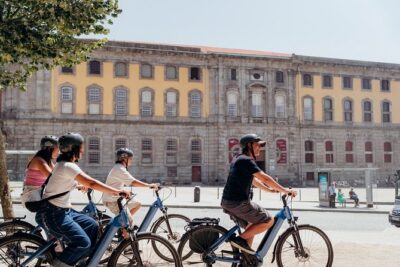
3-Hour Porto Highlights on a Electric Bike Guided Tour
Read our review →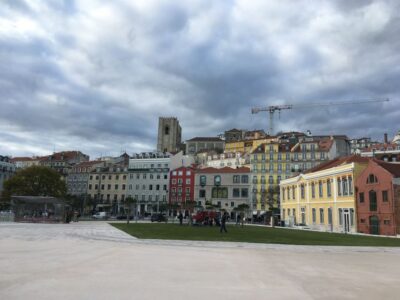
Hills, Alfama, and Mouraria Tour by Electric Bike
Read our review →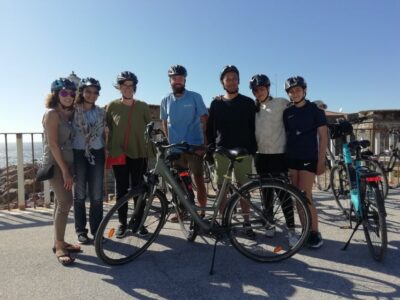
City Highlights 3-Hour Guided Electric Bike Tour
Read our review →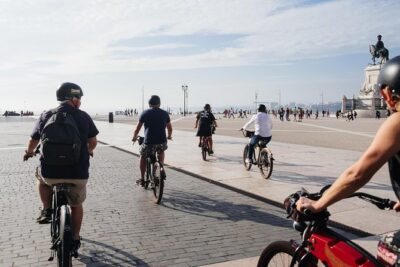
Lisbon E-Bike Tour Commerce Square, Mouraria and Alfama
Read our review →
Browse the lists this tour appears in