
REVIEW · AUSTRALIA BIKE TOURS
The Best of Melbourne Bike Tour
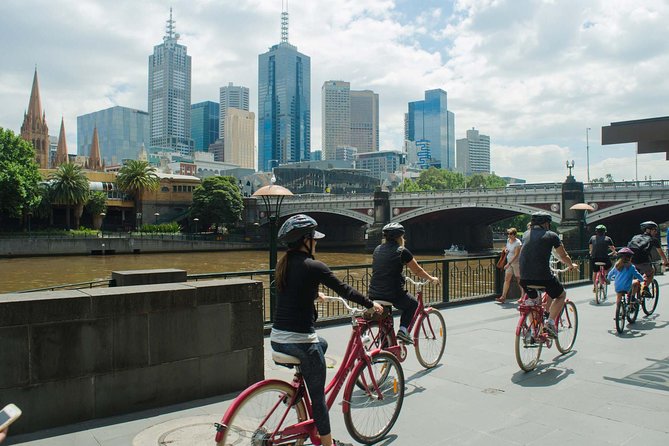
Melbourne rewards a moving view. This 4.5-hour ride links Southbank, the Shrine of Remembrance, the MCG, Fitzroy Gardens, Chinatown, Hosier Lane, and more without the stop-start feel of a walking tour. I like the small maximum of 10 people, which gives the guide room to keep an eye on the group, and I like the hour-long Fitzroy lunch stop, which breaks up the riding with real time to eat and explore.
The main consideration is city traffic. Most of the ride is relaxed, but cycling around busy streets and pedestrian areas can demand attention. You should also check carefully whether you are booking a regular bicycle or an e-bike, since both options are offered and they do not feel the same on hills or over four and a half hours.
Key points to know before you book
- Ten-person maximum: A small group makes it easier to hear the guide and stay together in the city.
- A full city overview: You cover historic, sporting, political, artistic, and immigrant landmarks in one morning and early afternoon.
- One hour in Fitzroy: The lunch stop is long enough for a proper meal rather than a rushed snack.
- Regular bikes and e-bikes: Check your selected option closely, since the type of bicycle affects the effort required.
- History beyond the usual sights: The tour includes the Kulin Nation, William Barak, Aboriginal rights, immigration, and Melbourne’s gold-rush wealth.
- Return to Southbank: You start and finish at 20 Rebecca Walk, making this simple to fit into a city stay.
What this 4.5-hour ride is really like
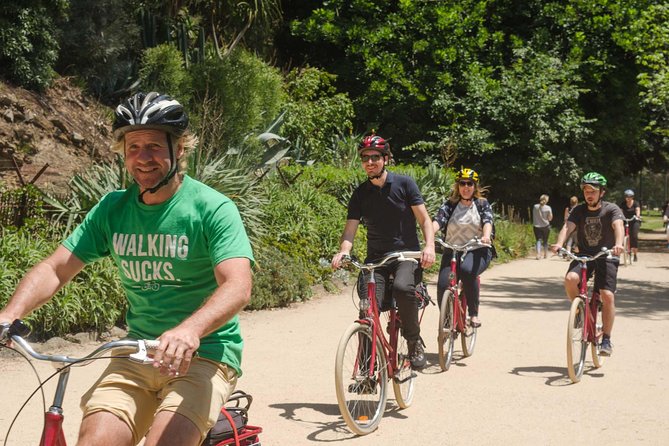
The tour begins at 10:00 am from 20 Rebecca Walk in Southbank. You receive a bicycle and helmet, then set out with a local guide. Hotel pickup is not included, so you need to make your own way to the meeting point.
The mid-morning departure works well. You avoid an overly early start, yet still finish with much of the afternoon available. Since lunch comes in Fitzroy for about an hour, you are not expected to pedal continuously for four and a half hours. That pause is important. It gives you a chance to eat, rest, and take in one of Melbourne’s best-known neighborhoods at street level.
The ride is designed as an overview rather than a museum tour. At most stops, you spend around five minutes listening, looking, and taking photographs before moving on. That means you see a lot, but you do not tour the interiors of the Shrine, MCG, Parliament House, or Royal Exhibition Building.
Your guide supplies the connecting story. The strongest tours have been led by people such as Finn, Marcus, Matt, Max, Freddy, and Ciarán. Guides have been praised for keeping a safe pace, explaining Melbourne’s past, and recommending places to eat later in the day. Finn, in particular, has been singled out for his historical detail and calm handling of wet conditions.
A few more rides around Australia worth a look
- From Perth: Rottnest Island Full-Day Bike and Ferry Trip
★ 4.7 · 2,548 reviews - Sydney Bike Tours
★ 5.0 · 1,125 reviews - From Fremantle: Rottnest Island Ferry and Bike Day Tour
★ 4.6 · 805 reviews
Southbank begins with a wider view of Melbourne
The first stop is Southbank, where the tour acknowledges the Kulin Nation and the fact that its land was never ceded. That opening gives the ride a more honest starting point than a simple parade of colonial buildings.
You also hear about settler figures who helped shape Melbourne. The brief stop will not cover every part of the city’s past, but it sets up an important theme: Melbourne’s story includes Aboriginal culture, colonial expansion, immigration, commerce, sport, and the arts.
Southbank is also a useful place to begin physically. You are close to the Yarra River and central Melbourne, so the ride quickly moves into the city’s main sights rather than spending the first part on a long transfer.
The Shrine and the story of William Barak
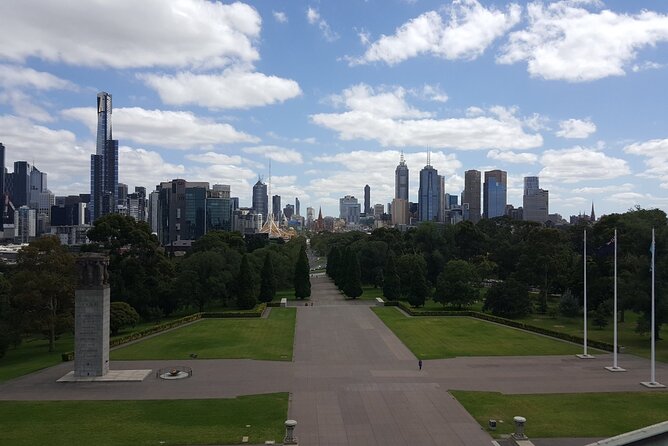
At the Shrine of Remembrance, the guide introduces Victoria’s largest and most visited war memorial. From outside, you get a sense of its national importance and its place in Melbourne’s broad ceremonial spaces.
The stop also brings in William Barak, an Aboriginal leader, activist, cultural ambassador, educator, and advocate for Aboriginal rights. This is one of the better features of the tour because it connects a formal memorial site with a person whose work is central to understanding Aboriginal life and political change in Victoria.
You spend only about five minutes here, so do not expect an interior visit or a long architectural lecture. The value is in the setting and the guide’s explanation, not in an extended stop.
The MCG and Melbourne’s sporting identity
The ride then reaches the Melbourne Cricket Ground, or MCG. Even if you are not a cricket fan, the scale of the stadium and the surrounding sporting precinct help explain Melbourne’s claim to being the sporting capital of the world.
This is a particularly good stop for anyone who follows Australian rules football, cricket, or major international sporting events. The guide can place the stadium within Melbourne’s daily life, rather than treating it as an isolated building.
Again, the stop is brief. You see the area from the outside rather than taking a stadium tour. If the timing works, you might even catch a glimpse of activity connected with a sporting event, as one rider did during the Australian tennis season.
Same handlebars, a completely different route:
- Famous Melbourne City Bike Tour
★ 5.0 · 779 reviews - From Perth: Rottnest Island Ferry & Bike Trip
★ 4.5 · 627 reviews - Manly Self-Guided Bike Tour
★ 4.5 · 573 reviews - From Fremantle: SeaLink Rottnest Ferry and Bike Hire
★ 4.7 · 465 reviews
Fitzroy Gardens and Cook’s Cottage
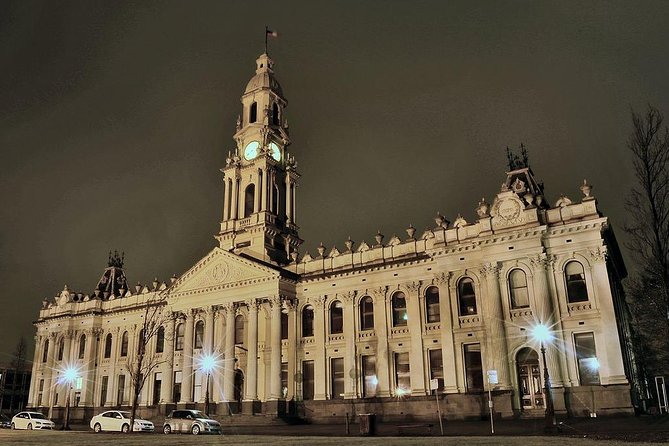
Fitzroy Gardens provides a change of pace. After the large memorial and stadium, the route moves into a leafy public garden with a curious historical centerpiece: Cook’s Cottage.
The cottage was shipped from England and rebuilt brick by brick in the gardens. That detail is easy to remember and makes the stop more than a quick photo beside an old building. It also illustrates Melbourne’s habit of collecting and repositioning pieces of history.
You have about five minutes here, so you will not have time to explore every garden path. Still, the stop gives your legs a short pause and adds a quieter setting to a route otherwise filled with city streets and major institutions.
Parliament House and the wealth of the gold rush
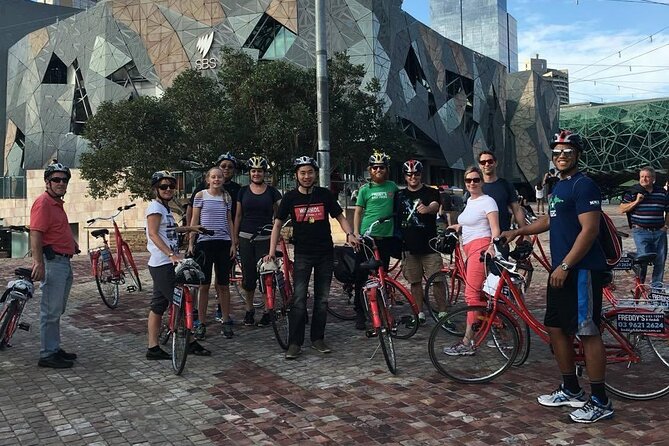
Parliament House of Victoria offers a look at Melbourne’s nineteenth-century ambition. The building was created to display the city’s wealth after the gold rush, when Melbourne ranked among the world’s richest cities.
That context matters. Melbourne’s grand public buildings did not appear by accident. Gold money helped pay for the architecture, institutions, roads, gardens, and civic confidence that still shape the city center.
The stop lasts roughly four minutes. You will learn why the building matters, but you will not go inside for a parliamentary visit. If grand architecture interests you, make a note to return later on foot.
Royal Exhibition Building and the international city
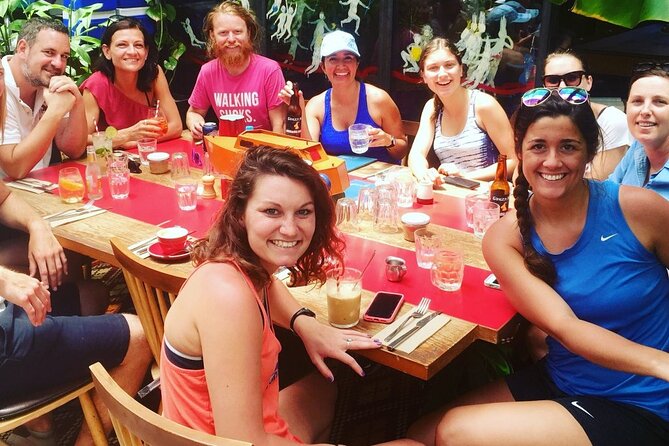
The Royal Exhibition Building is one of the route’s strongest architectural stops. It represents the international exhibition movement of the nineteenth century, when cities gathered to display goods, inventions, ideas, culture, and social values.
That makes the building more than a pretty facade. It points to Melbourne’s desire to be part of a global exchange, even when travel and communication were far slower than they are today.
The stop is again short, about five minutes. You should think of the tour as a well-chosen introduction. It shows you what deserves a longer visit, then keeps moving.
Fitzroy supplies the essential lunch break
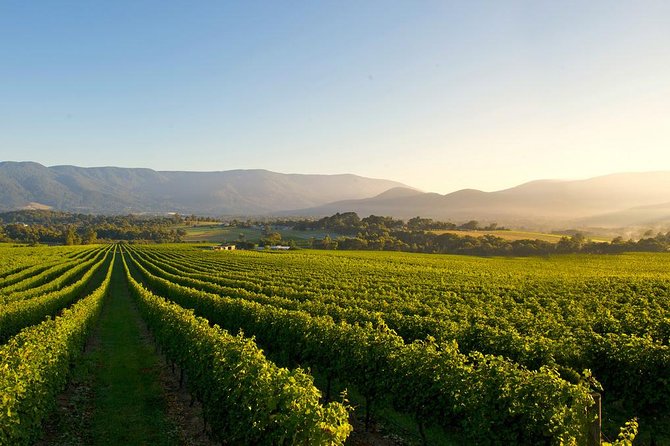
Fitzroy is the tour’s longest stop, with about one hour set aside for lunch. Food and drinks are not included, so bring money for this part of the day.
This is a practical choice by the operator. Fitzroy is known for its independent cafes, restaurants, and eclectic atmosphere, and a meal here gives you a more everyday view of Melbourne than a quick stop at a formal landmark. Several guides have taken groups to enjoyable cafes or brunch spots, and one rider especially appreciated the food and later dinner recommendation.
The lunch stop does vary in quality based on the chosen venue. Some riders have found it enjoyable and representative of the neighborhood. Another found the venue larger and less distinctive than expected. I would treat this as a chance to eat and rest, not as a guaranteed food tour.
You may want to arrive with a little flexibility. The guide chooses the stop, and your priority should be a comfortable break rather than a specific restaurant experience.
Chinatown connects Melbourne to the gold rush
After lunch, the ride continues to Chinatown, described as the second-oldest Chinatown in the world. It was established in 1851 in response to the gold rush, when Chinese immigrants came to Victoria in search of opportunity.
This is a compact but useful stop. It shows how the gold rush brought people, businesses, and traditions from far beyond Britain. You can also return here later for a meal, since the tour only pauses for about five minutes.
The guide’s role is important at stops like this. A quick ride through an archway or restaurant district means little without context. With a good explanation, Chinatown becomes part of Melbourne’s story of migration and change.
Hosier Lane shows the city’s creative edge
Hosier Lane is the most instantly visual stop. You pull over and look down a bluestone lane covered in street art. The paintings and tags change over time, so the scene you see will not remain fixed.
This is a good place to appreciate Melbourne’s public art culture without spending half a day in a gallery. The stop also gives you a break from formal history. After memorials, Parliament, and exhibition halls, Hosier Lane feels informal and current.
Because it is a popular pedestrian area, this is one of the places where you need to pay attention when arriving and leaving by bicycle. The guide’s job is not only to explain the art but also to keep the group organized around people on foot.
Federation Square, St Paul’s, and the Yarra
Federation Square is the next major central-city stop. It links Flinders Street with the Yarra River and sits among heritage buildings, including St Paul’s Cathedral.
The square gives you a chance to see Melbourne’s public life in one place: transport, architecture, the river, historic streets, and a purpose-built civic gathering space. Its design is modern and angular, making an interesting contrast with the older buildings nearby.
The stop lasts about five minutes. You will get the main orientation, but you may want to return independently if you like architecture, exhibitions, or people-watching.
Immigration adds the human story
The final listed stop is the Immigration Museum, viewed from outside. The guide uses the site to discuss Melbourne’s history through its immigrants, who make up half of the population.
That statistic gives the tour a strong closing idea. Melbourne is not only a gold-rush city or a sporting city. It has also been shaped by people arriving from many places, bringing food, languages, faiths, businesses, and family traditions.
You do not appear to enter the museum during the bike tour. If this subject interests you, note the location and plan a separate visit. The bike tour gives you the reason to go, but not the museum experience itself.
Bikes, pace, and safety in the city
The bicycles and helmets are included, which saves you the trouble of arranging rentals. The experience is suitable for most people, and the group is capped at 10, but you still need to be comfortable riding in an urban setting.
The bicycle type deserves attention. Some bookings use standard bikes, while e-bike options are also available. Several riders have particularly enjoyed the electric assistance, especially on hills and during a long day of sightseeing. Others booked a standard bike by mistake and were fine because much of the route is fairly flat.
The pace is usually casual. That suits people who want time for photographs and commentary, and it helps groups with different cycling abilities stay together. If you prefer a fast ride, you may find it slow. One rider described the city sections as an obstacle course at times, with pedestrian traffic requiring constant care.
The guides have generally been praised for safety briefings and attentive riding. One report raised a concern about a guide using a phone and not keeping the group close enough together. That sounds like an exception, but it is still worth making your own safety a priority. Listen at crossings, maintain space, and tell the guide if you need the pace adjusted.
Rain can change the experience. A wet ride can still be enjoyable with a good guide and a sound bicycle, but it may make conversation harder and reduce the amount of detail you absorb. The activity requires good weather, and a cancellation for poor conditions brings the choice of another date or a full refund.
Is $78.18 a fair price?
At $78.18 per person, the tour is not the cheapest way to see central Melbourne. You are paying for the bicycle, helmet, guide, route planning, safety management, and four and a half hours of local interpretation. Food, drinks, hotel transfers, and museum admissions are extra.
I think the price works best if you want a first-day orientation. In one ride, you cover the riverfront, war memorial, sports precinct, gardens, Parliament, exhibition architecture, Fitzroy, Chinatown, street art, Federation Square, and immigration history. Reaching all of those places independently would require a mixture of walking, trams, and planning.
The value is lower if you want long visits inside buildings or a serious cycling workout. This is not a museum entry package, and the relaxed pace is designed for sightseeing rather than speed. The lunch stop also means one hour of the price is spent off the bike, though I see that as a benefit for most people.
Who should book this ride?
I would choose this tour if you want a broad first look at Melbourne and enjoy being outdoors. It suits couples, families, solo visitors, and active adults who can manage a standard city bike or select an e-bike for extra help.
It is especially useful early in a Melbourne stay. You can mark places to revisit, learn how the central districts connect, and collect ideas for dinner from Fitzroy or Chinatown. The guides’ local recommendations can add value beyond the formal route.
You may want a different experience if you dislike urban cycling, need long stops at every attraction, or want a fast ride. People expecting a fully guided food outing may also be disappointed because lunch is purchased separately and the venue can vary.
Should you book the Best of Melbourne Bike Tour?
Book it if you want history, orientation, and fresh air in one package. The route covers a lot of ground without feeling like a race, and the small group, included equipment, and long Fitzroy break make the four and a half hours manageable.
Before paying, confirm the bicycle type you want. Choose an e-bike if hills or endurance concern you, and a standard bike if you prefer to pedal under your own power. Also check the weather forecast and bring money for lunch.
For a first visit, I think this is a smart way to understand Melbourne quickly. You will not see every building inside, but you will finish with a clear sense of how the city’s Aboriginal past, gold-rush wealth, immigration, sport, gardens, and street art fit together.
FAQ
Where does the Melbourne bike tour begin?
The tour begins at 20 Rebecca Walk, Melbourne VIC 3000, Australia, at 10:00 am.
Where does the tour finish?
The activity ends back at the meeting point in Southbank.
How long does the tour last?
The tour lasts approximately 4 hours and 30 minutes, including an hour-long lunch stop in Fitzroy.
Are bicycles and helmets included?
Yes. Use of a bicycle and helmet is included in the tour price.
Is lunch included?
No. Food and drinks are not included unless specified. You should bring money for the Fitzroy lunch stop.
How many people can join the tour?
The maximum group size is 10 people.
Can I cancel for a full refund?
Yes. You can cancel at least 24 hours before the local start time for a full refund. Cancellations or changes made less than 24 hours before the start are not refunded or accepted.
Newly added rides around Australia
- E-Bike Hire Northern Rivers Rail Trail, with Return Transport★ 5.0 · 13 reviews
- E-Bike Rentals: Daily Hire Byron Bay and Tweed Coast Areas★ 5.0 · 27 reviews
- Brisbane Electric Mountain Bike Experience Tour★ 5.0 · 48 reviews
- Brisbane Kayak, Bike★ 4.5 · 23 reviews
- 2 Hour Private Brisbane Mountain Bike Coaching Session and Ride★ 5.0 · 24 reviews
- E-bike (electric) – Blue Mountains – Hanging Rock – SELF-GUIDED Hire Service★ 5.0 · 101 reviews
- Blue Labyrinth PRIVATE Tour: Sydney Blue Mountains by E-Bike★ 5.0 · 29 reviews
- Narooma – E-Bike Hire 2 Hour Rental★ 5.0 · 35 reviews
Australia Bike Tours, compared.
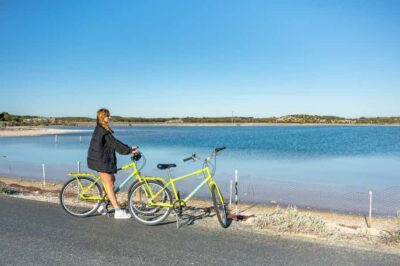
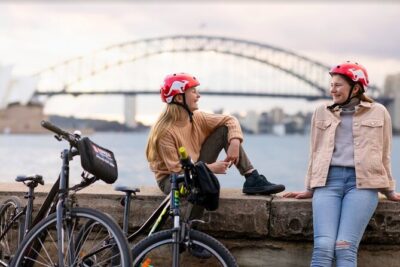
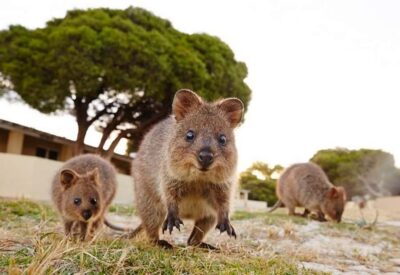
From Fremantle: Rottnest Island Ferry and Bike Day Tour
Read our review →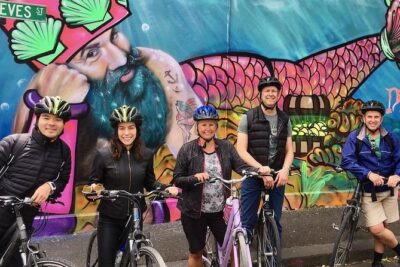
From Fremantle: SeaLink Rottnest Ferry and Bike Hire
Read our review →
Browse the lists this tour appears in