
REVIEW · LISBON BIKE TOURS
Lisbon: Portuguese Petiscos Tasting Tour by E-Bike
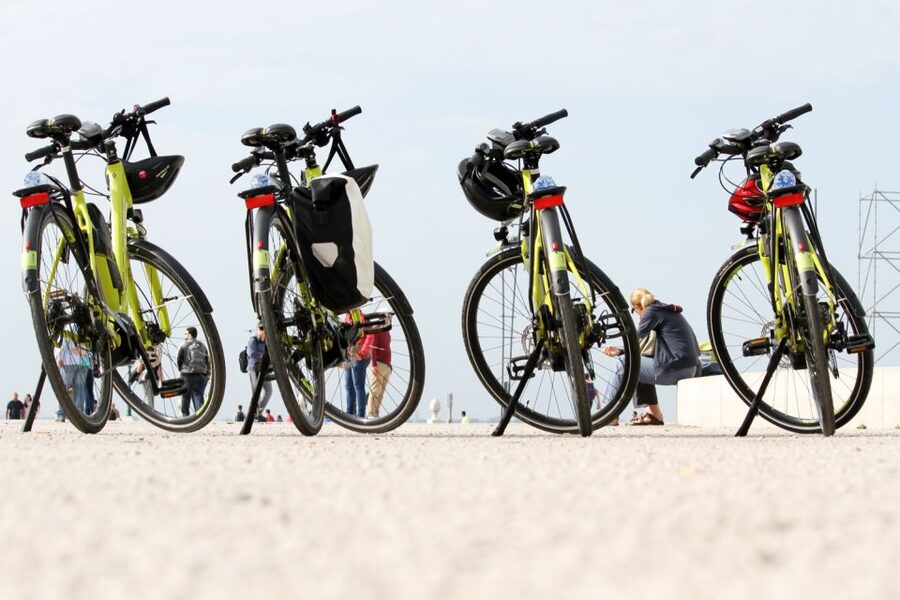
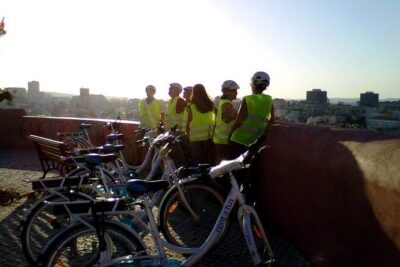
Lisbon tastes better on two wheels. This three-hour tour pairs four Portuguese petiscos tastings with an e-bike ride through markets, waterfront districts, and the city center. I like the smart combination: you eat local food while moving through the places that give Lisbon its character, instead of sitting in one restaurant all afternoon. I also like that the electric motor takes the sting out of Lisbon’s hills. The main drawback is the cobblestones. One rider reported covering about 10.5 kilometers and advised wearing a sports bra, a useful warning for anyone expecting a smooth cruise.
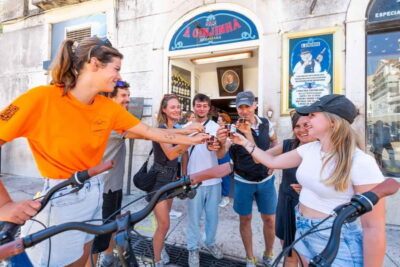
The food stops are more substantial than token samples. You may choose from dishes such as codfish cakes, fried green beans, clams, shrimp patties, or hot pork sandwiches, depending on the route and the venues used that day. Guides including Claudio, Jaime, Beatrice, and Daniel have earned warm praise for their personal approach, city stories, and restaurant advice. Still, this is not the best choice if you are below 140 centimeters tall, have limited mobility, or dislike cycling on uneven streets.
Key points to know before you book
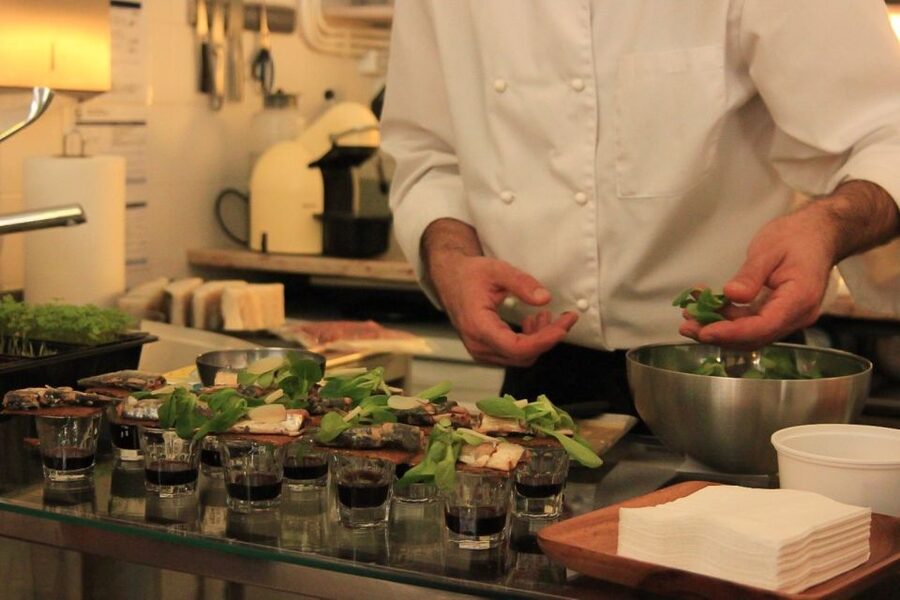
- Four tastings turn the ride into a proper food outing: The portions can add up to a meal, especially when paired with a dish from a restaurant stop.
- An e-bike helps with Lisbon’s hills: You still pedal, but the motor makes the climbs far less tiring.
- Ribeira Market adds both tradition and modern food culture: You see old market stalls alongside chef-backed restaurants.
- The route covers several sides of Lisbon: Expect the waterfront, Pombaline Downtown, Pink Street, Chiado, and Bairro Alto.
- Cobblestones are part of the deal: Comfortable clothes help, and a supportive sports bra may be wise.
- The meeting point is near Martim Moniz: Largo Severa is pedestrian-only, so taxis and rideshares should head to Praça Martim Moniz.
Why this Lisbon tour works so well
Lisbon is a city where food and geography belong together. A plate of codfish, a tiled street, a steep climb, and a river view all make more sense when you encounter them in the same morning or afternoon.
This tour gives you that connection in a compact three-hour format. You do not spend the whole time inside a market, nor do you rush past the city on a sightseeing bus. You stop to eat, ride a little farther, hear local stories, and see how different neighborhoods fit together.
I especially like the balance between old and renewed Lisbon. The route includes traditional market food, a waterfront promenade rebuilt for public use, the post-earthquake grid of downtown, and nightlife areas that have changed dramatically in recent years. It is a useful introduction if you want orientation before exploring the city on foot.
The electric bike matters here. Lisbon is not flat, and some of the most interesting districts sit above the lower center. The motor does not remove every effort, but it makes the hills practical for a wider range of riders. You still need to be comfortable steering, braking, and riding over uneven paving.
More E-Bike Tours in Portugal
- Lisbon: Hills, Alfama, and Mouraria Tour by Electric Bike
★ 4.8 · 3,438 reviews - Lisbon E-Bike Tour Commerce Square, Mouraria and Alfama
★ 4.5 · 1,688 reviews - Lisbon: 7 Hills Half-Day Electric Bike Tour
★ 4.9 · 1,592 reviews
Starting near Martim Moniz and getting comfortable on the bike
The meeting point is at Largo Severa 7A, in a pedestrian area close to Praça Martim Moniz. If you use Uber, a taxi, the metro, or a bus, choose Praça Martim Moniz as your destination. From there, Largo da Severa is about a two-minute walk.
The tour begins with a short briefing on bike use. This is important in Lisbon, where streets can change quickly from smooth pavement to cobblestones, and where slopes can appear without much warning. You receive an electric bike and helmet, along with liability and personal accident insurance.
The supplied route information does not specify group size, so I would ask before booking if you prefer a small private-feeling outing. The strongest feedback centers on personal attention. Jaime was praised for making the ride feel like an afternoon with a friend, while Claudio was remembered for answering questions and sharing a remarkable amount of city history.
Wear shoes you can pedal in for three hours. Comfortable clothing is a must. The ride may cover roughly 10.5 kilometers, based on one reported outing, so this is active sightseeing rather than a short hop between restaurants.
Ribeira Market and the meaning of petiscos
One of the main food stops is the renovated Ribeira Market. The traditional side still carries fish, fruit, vegetables, and flowers, while a separate area has more than 30 restaurants linked with respected chefs.
This contrast is useful. You see the ingredients and market culture on one side, then encounter newer interpretations of Portuguese cooking nearby. The point is not simply to sample something fashionable. It is to see how Lisbon’s everyday food traditions can move from market stall to contemporary restaurant without losing their local identity.
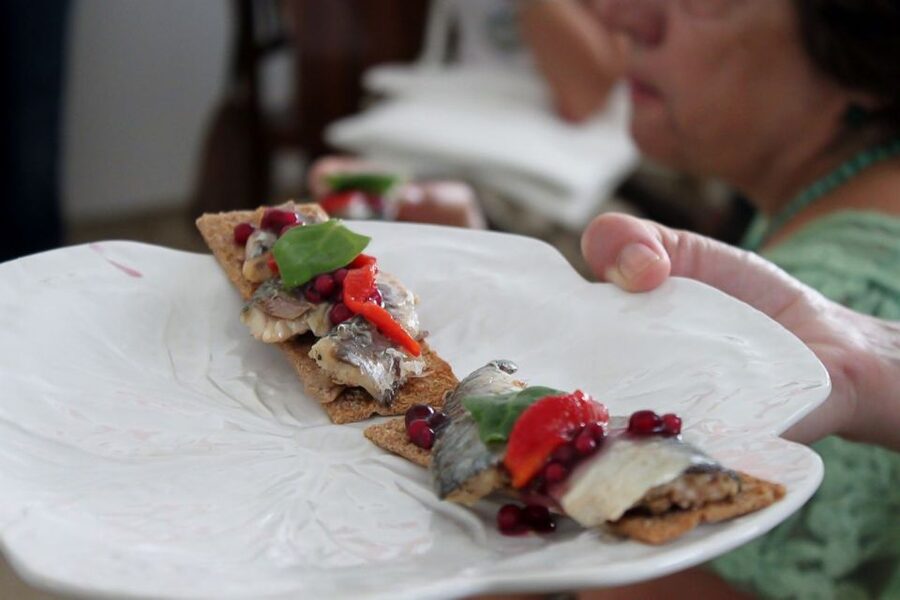
Petiscos are small portions, but do not assume the tour offers only a bite or two. The exact serving depends on the stop, yet one account described a full meal and the chance to select food from a menu. Four tastings can therefore become a substantial lunch or dinner, particularly if you are happy to try unfamiliar dishes.
Possible examples include:
- Pastéis de Bacalhau, fried codfish cakes
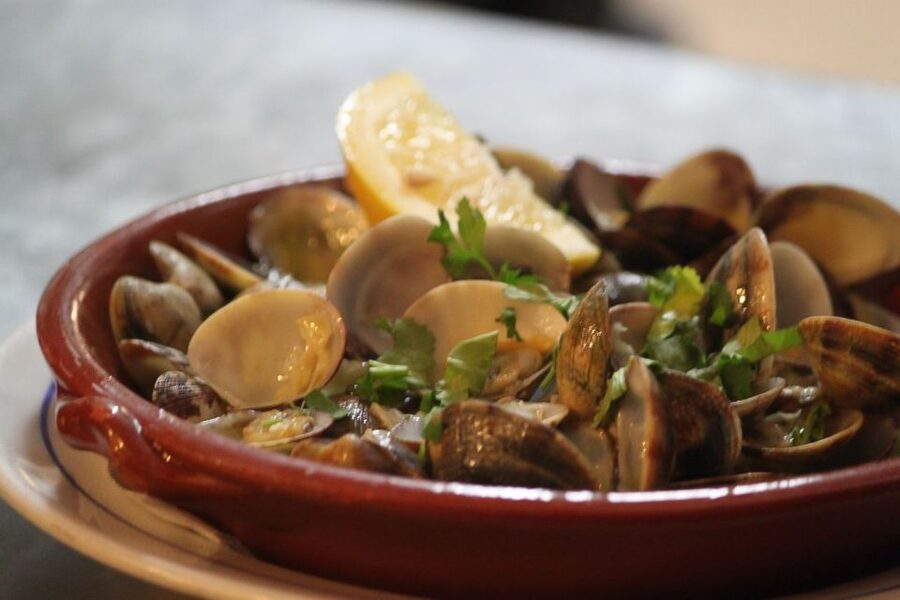
- Bolhão Pato clams
- Peixinhos da Horta, battered and fried green beans
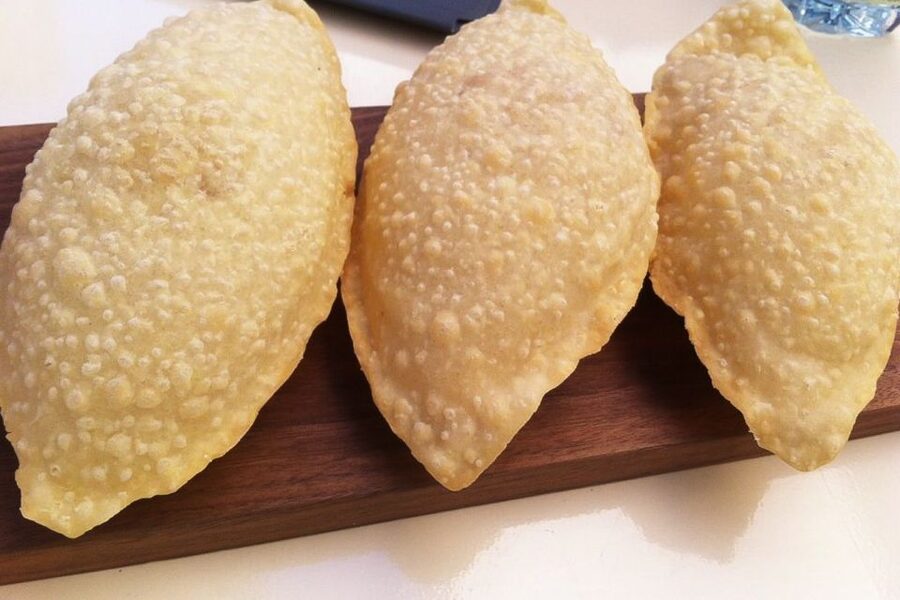
- Shrimp-stuffed patties
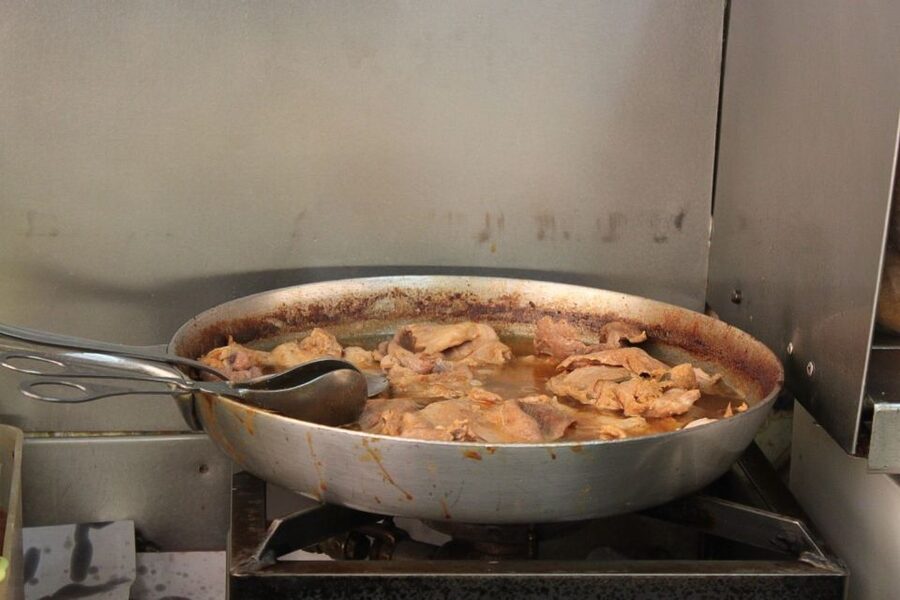
- Pipis, chicken giblets cooked with tomato, garlic, and onion
- Hot pork sandwiches
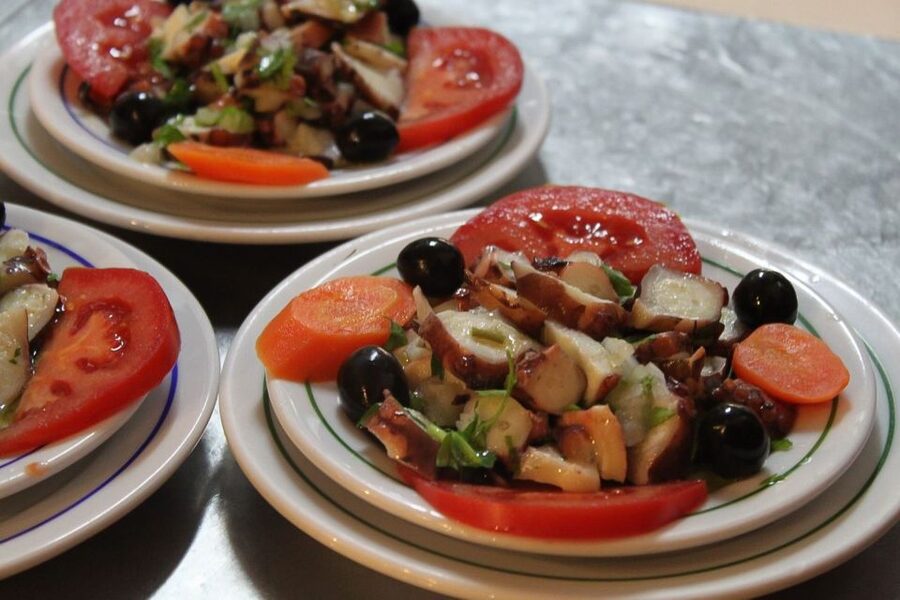
- Salads made with peppers, watercress, codfish, fish spawn, or pig ear
- Snails
That list also shows why you should mention dietary restrictions before setting out. The experience description does not promise vegetarian, seafood-free, or allergy-friendly substitutions. You can ask the guide what is available, but do not assume every tasting will suit every diet.
Pink Street and the lower waterfront
From the market, the ride continues through Nova de Carvalho, better known as Pink Street. The pedestrianized street is lined with pubs and clubs and gained international attention after being named one of Europe’s best streets by the New York Times.
During the day, Pink Street gives you a different view from the nightlife image usually associated with it. It is a lively urban corridor, but the tour does not frame it as a long bar crawl. You pass through it as part of the wider story of Lisbon’s changing center.
Next comes Ribeira das Naus, the renovated waterfront promenade. This stretch carries a strong link to Portugal’s maritime past because ships were built in this area during the 16th-century Age of Discoveries.
I like this section because the riverfront gives your legs and eyes a break after the market and city streets. It also helps explain Lisbon’s location and identity. The city faces the water, and its old commercial power was tied to the river. The promenade today is designed for public use, but the shipbuilding connection gives the space more weight than a simple scenic stop.
Do not expect a long museum-style history lesson here. The experience moves by bike, so the guide’s commentary is likely brief and tied to what you are seeing. That format suits you if you want context without spending an hour indoors.
More E-Bike Tours in Lisbon:
- Lisbon: City Highlights and Viewpoints E-Bike Tour
★ 4.9 · 1,556 reviews - Lisbon: 3-Hour Tour by E-Bike
★ 4.8 · 1,150 reviews - 3-Hour Lisbon 7 Hills Electric Bike Tour
★ 5.0 · 818 reviews - Lisbon: Electric Bike Tour by the River to Belém
★ 4.8 · 507 reviews
Pombaline Downtown after the 1755 earthquake

The route then enters Pombaline Downtown, the city center rebuilt after the devastating 1755 earthquake. Its broad streets and organized blocks feel different from Lisbon’s older, more irregular hills.
This is one of the best places to notice how urban design can reflect a crisis. The downtown area is easier to navigate than the steep quarters above it, with wide streets, restaurants, and traditional coffee shops occupying spaces that have served the center for generations.
Cycling gives you a quick sense of the layout, but it also limits how closely you can inspect details. If you want to study tilework, shopfronts, or street patterns, make a note of places to revisit later on foot. The tour’s value here is orientation. You learn where the central grid sits in relation to the river and upper neighborhoods.
The food stop in this part of the ride also breaks up the sightseeing. Rather than treating downtown as a backdrop, the tour connects it with local eating habits. That is a useful approach in Portugal, where a small plate can be as revealing as a landmark.
Chiado, Bairro Alto, and the final tastings
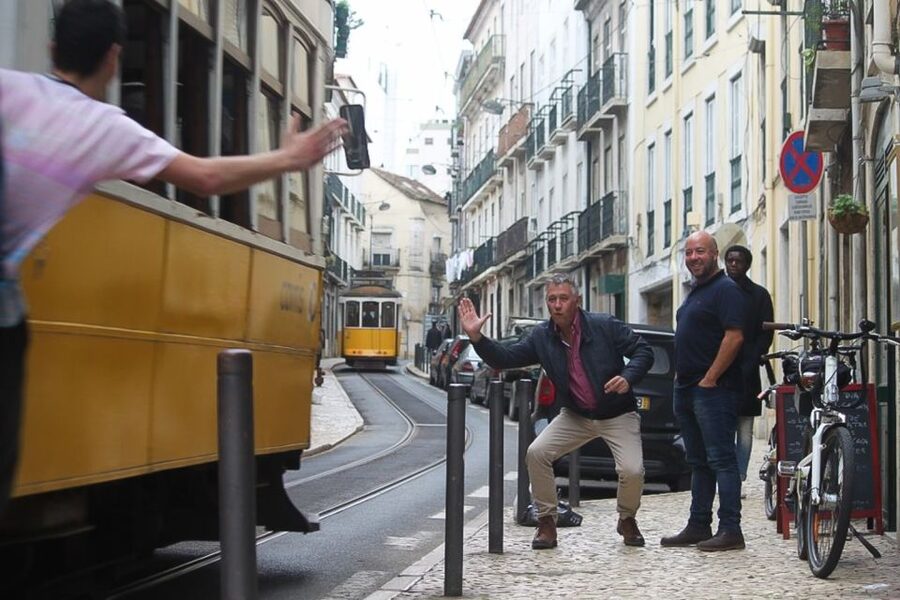
The tour continues uphill toward Chiado, one of Lisbon’s best-known central neighborhoods. Chiado mixes shopping streets, cafés, theaters, and older urban character, making it a natural transition between the formal downtown grid and the more bohemian Bairro Alto.
You stop for a third petiscos tasting in Chiado. The setting matters here because you are not simply eating in an isolated restaurant. You are learning how food fits into a neighborhood that has long been associated with city life, meeting places, and café culture.
The final tasting comes while cycling through Bairro Alto. The district carries about 500 years of history and is known for its narrow streets and nightlife. During the ride, you get a quick look at the physical shape of the neighborhood and how different it feels from the open waterfront and broad Pombaline streets.
Bairro Alto is also where the cobblestone issue becomes especially relevant. You should expect bumps and take the route at a comfortable pace. The e-bike helps with climbs, but it does not turn rough paving into a smooth road.
The four tastings are spaced across the route rather than delivered in one sitting. That makes the meal feel like part of the city tour, but it also means you should not expect to choose every dish in advance. The most useful thing to do is tell the guide early if you have food dislikes or restrictions.
The guides can shape the whole experience

The guide is a major part of this tour. The food and route are appealing, but the personal stories and practical advice can make the afternoon much better.
Claudio was described as a walking history book, with a steady supply of facts and discoveries during the ride. Jaime received praise for answering questions and making the outing feel relaxed and personal. Beatrice and Daniel were also singled out for warmth, preparation, and a welcoming manner.
Those details suggest a tour that relies on human connection rather than a fixed audio script. That is good news if you like to ask questions, learn restaurant tips, or hear about favorite local places. One rider used the guide’s restaurant recommendations on a later day and found a good local meal.
I would treat the guide’s advice as one of the tour’s extra benefits. You are not only paying for transport between four tastings. You are also getting a short list of places to consider after the tour, when you are choosing dinner on your own.
Language options include English, Italian, Spanish, German, and French. When booking, confirm the language you want and the available start time, since the tour runs for three hours and departure times can vary.
Is $82 a fair price?
At $82 per person, this tour costs more than simply renting a bicycle and ordering petiscos on your own. That comparison misses much of what is included.
The price covers the guide, e-bike, helmet, four tastings, liability insurance, and personal accident insurance. It also combines transport, city orientation, food planning, and local recommendations in one appointment.
I see the best value for first-time visitors with only a few days in Lisbon. You can cover several districts, avoid working out the uphill route yourself, and sample dishes that might otherwise be hard to order with confidence. The e-bike is especially useful if you want to see more than the lower center but do not want to spend the afternoon climbing.
The value is weaker if you already know Lisbon well, prefer long meals, or want complete control over the menu. You may also find better value in a dedicated food tour if cycling is not important to you.
The reserve-now-and-pay-later option gives you some booking flexibility, and cancellation is free up to 24 hours before the scheduled start. Transfers to the meeting point are not included, so allow time to reach Martim Moniz.
Who should book this ride?
I would choose this tour if you:
- Want food and sightseeing in the same outing
- Are comfortable cycling for three hours
- Like trying small traditional dishes
- Want help with Lisbon’s hills
- Prefer local stories and restaurant suggestions
- Have limited time in the city
I would skip it if you have mobility limitations, are shorter than 140 centimeters, or feel uneasy on bikes. The route includes cobblestones and hills, and the tour is not designed as a gentle vehicle-based city tour.
It is also worth thinking about your ideal meal. If you want a long, slow dinner with carefully chosen courses, book a restaurant separately. If you want to taste several Portuguese specialties while moving through the city, this format makes good sense.
Final verdict: a strong first taste of Lisbon
I recommend the tour for active visitors who want a quick but meaningful introduction to Lisbon. The combination of four petiscos tastings, an electric bike, and a route from Ribeira Market to Bairro Alto gives you more range than a standard food walk.
The strongest reasons to book are the e-bike assistance, the spread of neighborhoods, and the guides’ personal touch. The main cautions are the uneven streets, uncertain menu details, and the need to be comfortable riding for several hours.
Wear supportive shoes, bring an open appetite, and do not plan a large meal immediately afterward. If you want to understand Lisbon through both its streets and its cooking, this is a practical, flavorful way to begin.
FAQ
How long is the Portuguese petiscos e-bike tour?
The tour lasts three hours.
How many food tastings are included?
Four tastings are included during the route.
What does the tour cost?
The listed price is $82 per person.
What languages are available?
The live guide may conduct the tour in English, Italian, Spanish, German, or French.
Where does the tour meet?
The meeting point is Largo Severa 7A in Lisbon, a pedestrian area about a two-minute walk from Praça Martim Moniz.
Is the tour suitable for everyone?
No. It is not suitable for people with mobility impairments or anyone under 140 centimeters tall. Comfortable clothing and shoes are recommended because the route is taken by e-bike and includes cobblestone streets.
More Food Bike Tours in Lisbon
- Lisbon: E-Bike Food Tour of Alfama and Old Town
★ 4.7 · 50 reviews - Lisbon: E-Bike Adventure to Belém with Pastel Tasting
★ 5.0 · 21 reviews - Versailles Palace Bike Tour with Market & Marie-Antoinette hamlet
★ 5.0 · 2,680 reviews - Madrid: 3 h. Guided Highlights Bike Tour with Optional Tapas
★ 4.9 · 1,623 reviews
Newly added rides around Lisbon
- South Lisbon: 3-Hour Christ the King Electric Bike Tour★ 4.8 · 97 reviews
- Lisbon: 7 Hills Panoramic Guided Tour by E-Bike★ 4.8 · 50 reviews
- Lisbon: E-Bike Adventure to Belém with Pastel Tasting★ 5.0 · 21 reviews
- Lisbon: Bike Tour From City Center to Belem★ 4.8 · 212 reviews
- Lisbon: E-Bike Adventure Through the City of Seven Hills★ 5.0 · 28 reviews
- Lisbon: E-Bike Food Tour of Alfama and Old Town★ 4.7 · 50 reviews
- Lisbon Bike Tour: Langs de rivier van Belém naar Lissabon★ 4.7 · 59 reviews
- Lisbon Bike Rental Explore At Your Pace★ 4.4 · 46 reviews
Lisbon Bike Tours, compared.
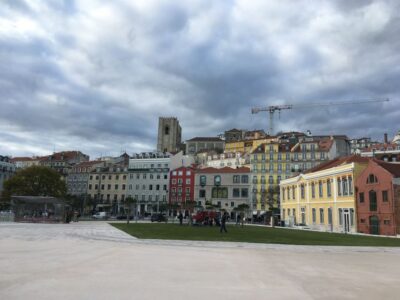
Hills, Alfama, and Mouraria Tour by Electric Bike
Read our review →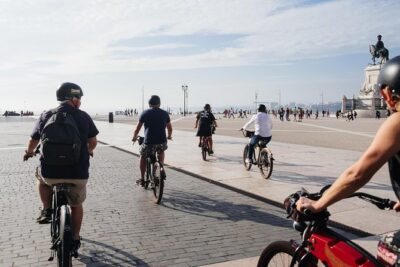
Lisbon E-Bike Tour Commerce Square, Mouraria and Alfama
Read our review →
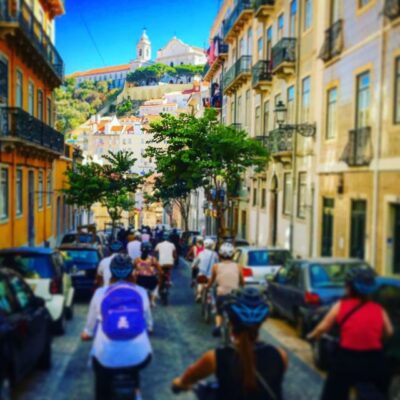
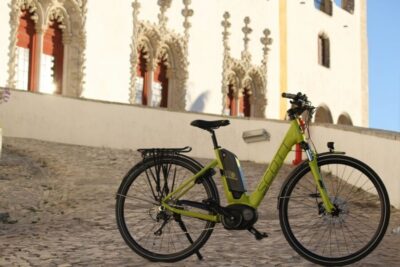
Bike Tour from Lisbon to Belém + Liquor & Pastry
Read our review →
Browse the lists this tour appears in