
REVIEW · MUNICH BIKE TOURS
Munich: Street Art Bike Tour
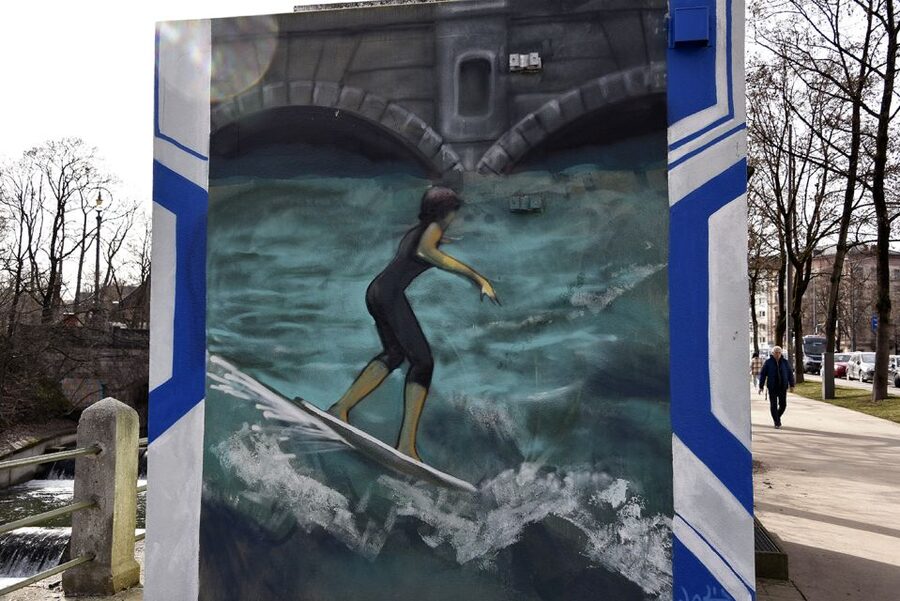
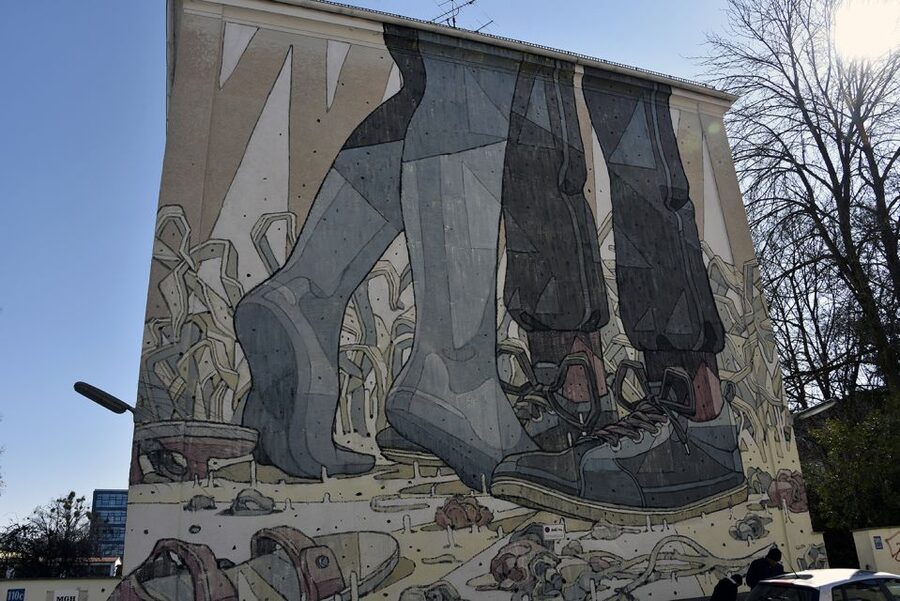
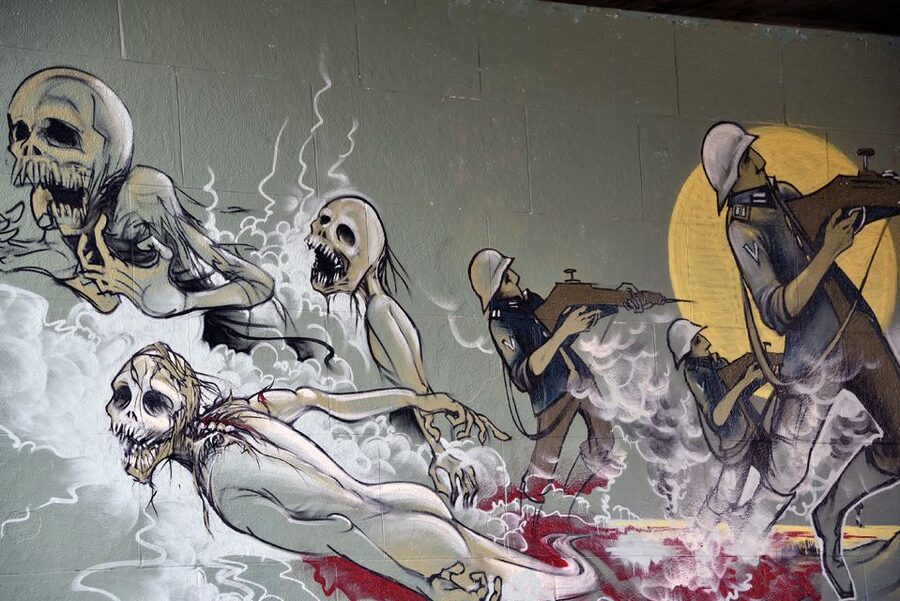
Munich paints outside the postcard. This three-and-a-half-hour bike tour shows you the city’s graffiti roots, riverside murals, Giesing’s former working-class streets, and the slaughterhouse district, all by rental bicycle. I like the unusual route and the focus on artists rather than standard landmarks. I also like that the ride reaches parts of Munich you might skip on foot.
The main consideration is the length. Three hours and 30 minutes is a lot of time on a bike, and a 12-year-old found the tour somewhat long. The official age limit excludes children under 10, so families should think about stamina as well as age. The tour is in German, though guide Ulrike has patiently explained the subject to English-speaking families.
Key points to know before booking
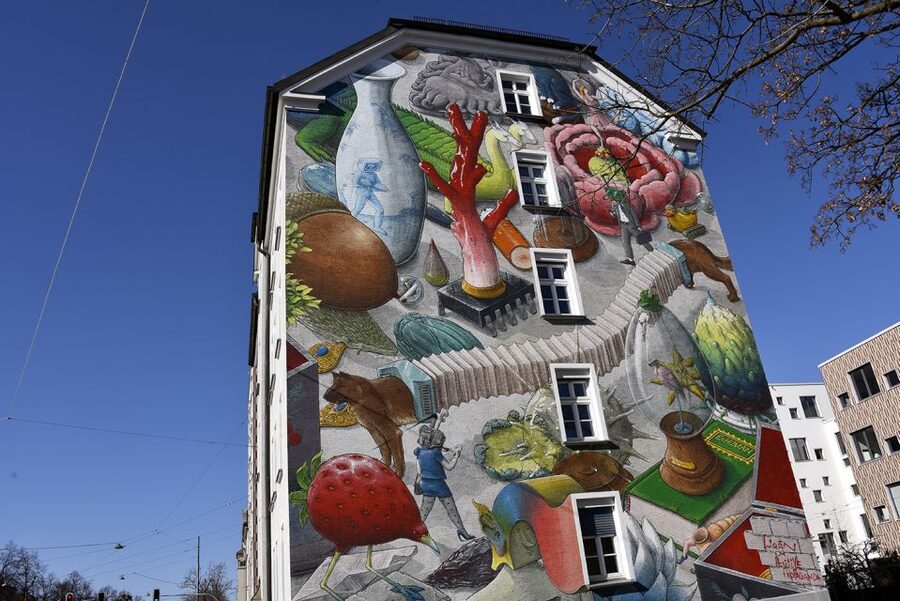
- Munich was an early German graffiti center: The tour explains why the city became a major stop for graffiti artists in the 1980s, alongside New York.
- The route leaves central Munich: You ride from Marienplatz toward the Isar, Giesing, and the slaughterhouse district rather than staying near the usual sights.
- A rental bike is included: You do not need to arrange your own bicycle, which makes the long route much easier to manage.
- The art ranges from old masters to newcomers: You see work by artists who helped shape Munich’s graffiti culture as well as newer pieces.
- A pause comes at a railway bridge: The tour includes a break on a boat, giving the ride a change of pace.
- German is the stated tour language: Private groups are available, and Ulrike has successfully supported English-speaking participants.
Why Munich is a surprising graffiti city
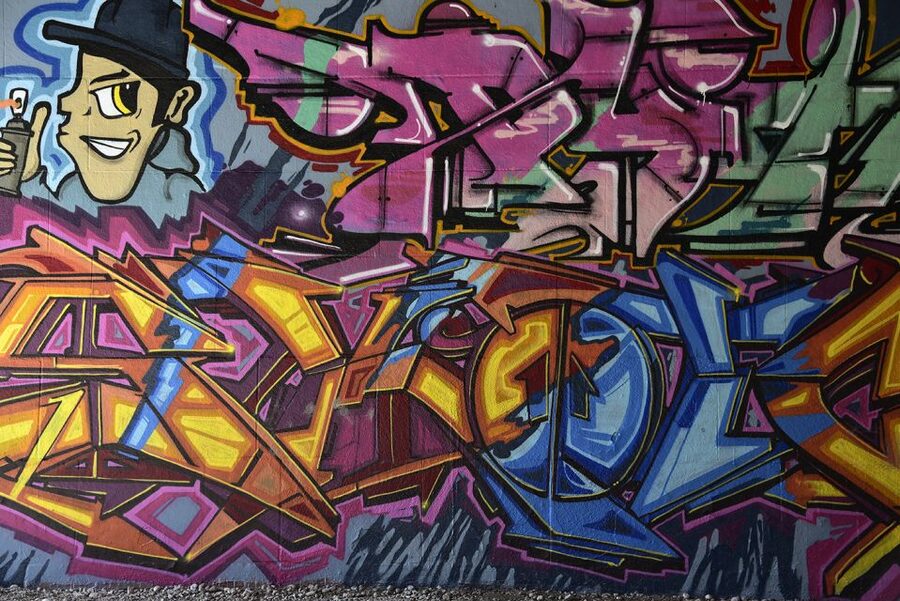
Munich can look almost too polished for a street art tour. The center is tidy, formal, and full of grand buildings, so it may surprise you to learn that Munich helped launch Germany’s graffiti movement in the 1980s.
That contrast gives this experience its purpose. You are not simply pedaling from mural to mural and taking quick photos. You are learning how an art form that was often treated as illegal or unwanted found a place in the city. The guide adds the names, dates, styles, and local background that a casual walk would miss.
Munich was considered a European graffiti mecca alongside New York. That comparison helps explain why the city’s street art deserves more attention than it gets. The tour introduces the people who shaped the early scene, then connects their work with newer artists continuing the tradition.
I like this approach because it gives the paintings some context without turning the outing into a classroom lecture. You see the work in the places where it was made, with the city around it. The result feels more connected to Munich than a gallery display would.
More Street Art Bike Tours in Munich:
- London Bike Tour: Landmarks, Secret Gems, Pub Stop & Street Art
★ 5.0 · 943 reviews - London: Landmarks & Secrets Bike Tour with Pub & Street Art
★ 4.9 · 314 reviews - Mexico City; ART NACO : Murals & Street Art Bike Tour
★ 5.0 · 284 reviews
Starting at Marienplatz with a yellow sign
You meet the guide in front of the Tourist Information Office at Marienplatz. Look for a yellow street art tour sign with red letters. This is a central and simple meeting point, but Marienplatz can be crowded, so allow yourself enough time to find the guide without rushing.
The starting point also creates a useful contrast. Marienplatz is the classic Munich of town halls, shoppers, and sightseeing groups. Within the same outing, you move away from that polished center and into districts where the city’s alternative side is easier to spot.
Your rental bike is included. That matters because this is not a short loop around the center. The route reaches the Isar, Giesing, and the slaughterhouse district, so having a bicycle supplied removes one practical chore.
The tour is listed as a private group option, which may appeal to families or small parties who want a more personal pace. Group arrangements can affect how much time you have at each artwork, so it is worth checking availability if privacy is important to you.
Following the Isar for a closer look at the art
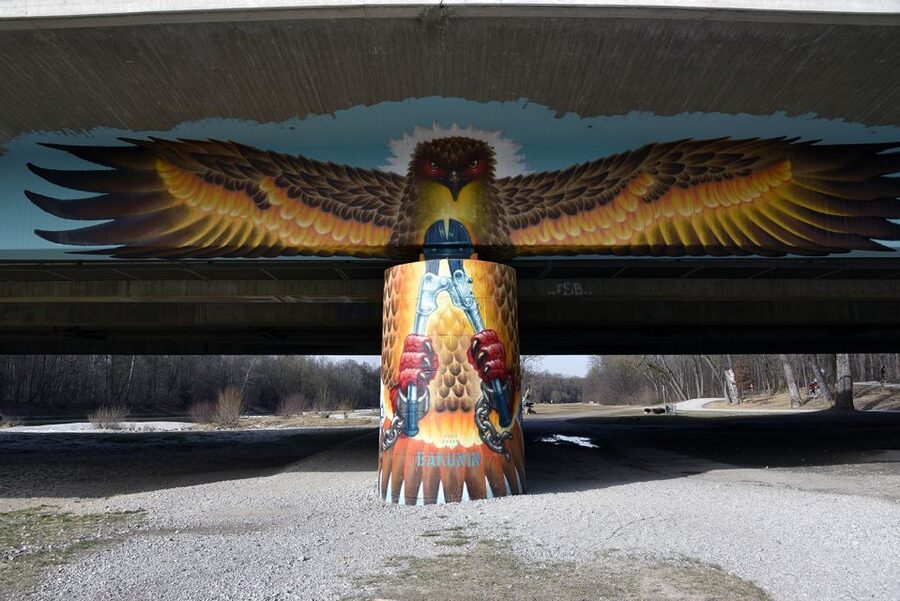
The ride heads toward the Isar River, where artists have left their mark. This part of the route adds a physical change from the city streets. You are not only stopping beside finished murals. You are also riding through an area tied to Munich’s outdoor and urban life.
The Isar section works well for visitors who want more than a standard city-center tour. You get a sense of how street art appears in relation to bridges, paths, walls, and infrastructure. Those settings matter. Graffiti is often shaped by the surface and surroundings, not just by the image itself.
Your guide points out work by established artists and newer names. That mix gives you a sense of change within the scene. The early artists are important because they helped establish graffiti in Munich. The newer artists show that the story did not end in the 1980s.
This is also where the bike format earns its keep. You can cover more ground than you would on foot, while still stopping regularly to examine the art. You should expect a sightseeing pace, not a fast cycling workout. The purpose is to reach several areas and pause for explanations.
Giesing, away from the usual Munich route
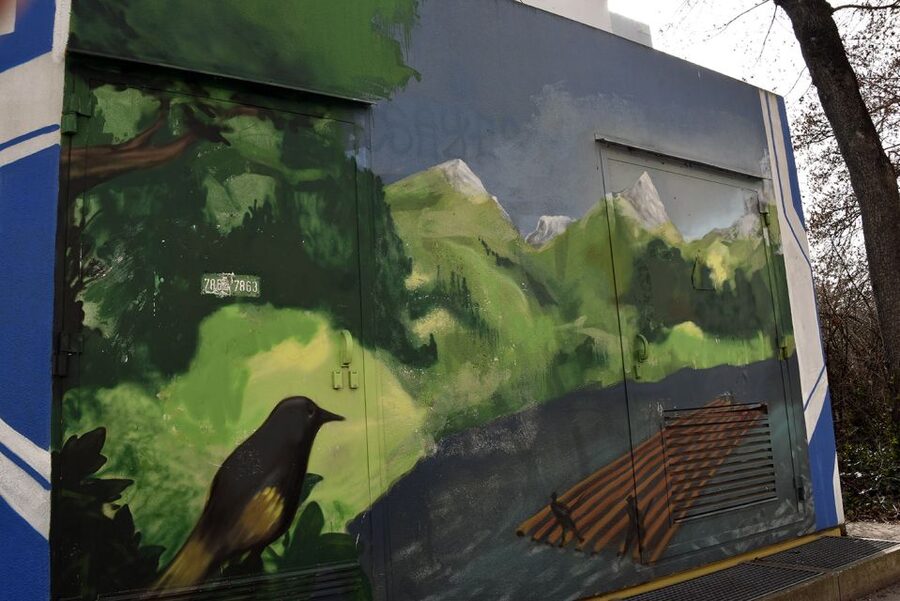
From the river, the tour continues to Giesing, a former working-class neighborhood. This is one of the strongest parts of the experience for anyone who wants to see a less polished side of Munich.
Giesing gives the tour a social and local setting. You are not just looking at isolated paintings. You are seeing how art appears in a district with its own character and past. The route helps you understand Munich beyond the central landmarks.
I especially like this stop because it changes your idea of what a Munich sightseeing tour can be. The city is often sold through palaces, churches, beer halls, and elegant squares. Giesing adds another layer, one connected to working neighborhoods and urban culture.
The tradeoff is that the ride takes time. If you have only a short visit to Munich and want to see the major historic sights, three and a half hours on street art may feel like a large commitment. If you have already covered the center, though, Giesing makes a smart second look at the city.
More Street Art Walks in Munich:
- Mexico City: Art Naco, murals & street art bike tour
★ 4.7 · 166 reviews - Cologne: Ehrenfeld Street Art Bike Tour
★ 4.9 · 105 reviews - Amsterdam’s Hidden Gems and Street Art Bike Tour
★ 5.0 · 65 reviews - Barcelona: 3.5-Hour Street Art Tour by Bamboo Bike
★ 5.0 · 56 reviews
The slaughterhouse district and the railway bridge pause
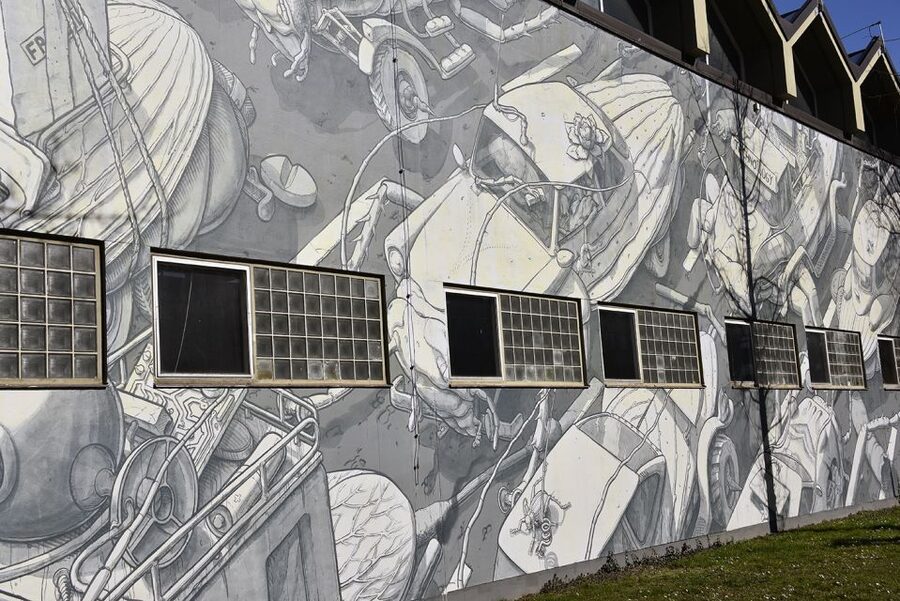
The route then heads toward Munich’s slaughterhouse district. This area fits the tour’s subject well, since industrial surroundings often provide the large surfaces and rough edges associated with urban art.
The itinerary includes a break on a boat at a railway bridge. That pause is a welcome change after several sections of cycling and walking. It also gives you time to take in the setting without immediately moving to the next wall.
I would not book this tour expecting a formal museum visit or a polished art venue. Its appeal comes from seeing work in place, along a route that includes riverside areas, working districts, and infrastructure. The railway bridge and boat stop reinforce that outdoor, city-made character.
The break also helps the tour feel less like nonstop transport. A 210-minute activity needs a few changes in rhythm. Cycling, stopping for art, hearing the background, and pausing at the bridge make the outing easier to follow than one long succession of roadside explanations.
Old masters, new artists, and useful context
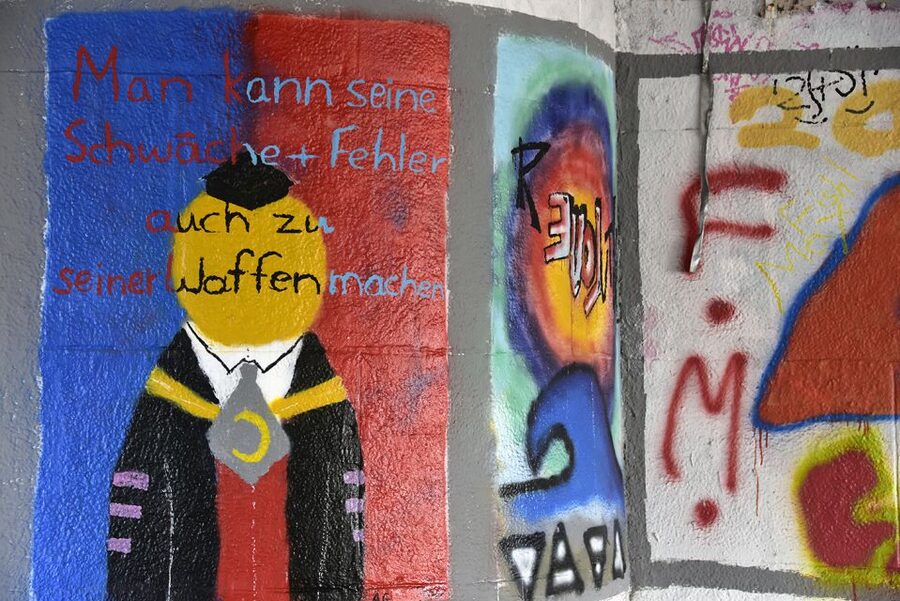
The guide covers the early figures who shaped Munich’s graffiti culture, along with up-and-coming street artists. That balance is important. A tour focused only on famous older names could make the scene seem finished, while a tour showing only recent work might leave you wondering how it began.
The historical explanation is one of the main reasons to choose this experience instead of simply renting a bike and searching for murals yourself. You can see plenty of colorful work on your own, but you may not know which pieces connect to the early movement or why a particular location matters.
The tour also helps you notice different approaches to street art. Some works bring bold color and energy to a wall. Others may depend more on lettering, scale, or the setting around them. I would expect the exact stops to change over time, since outdoor art can be painted over, altered, or joined by new work.
One useful detail from the experience is the mention of a fruit and vegetable mural near Aldi in Weinbauernstraße, made with photocatalytic paint. That kind of detail shows how a guide can add technical or local information beyond the basic question of who painted what. If Ulrike leads your tour, her patient explanations and extra facts can add real value, especially for visitors who do not speak much German.
What the bike format means for you
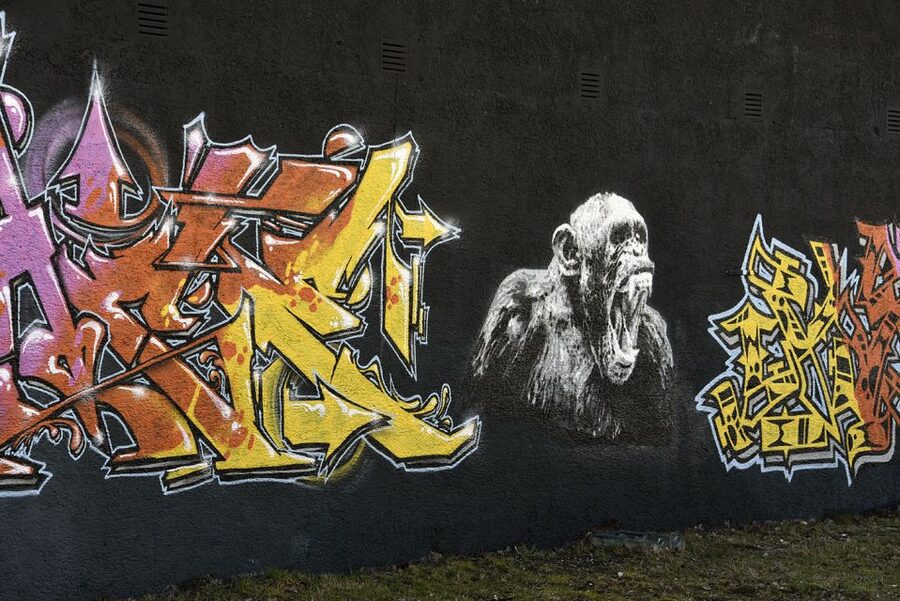
The rental bikes make it possible to connect several neighborhoods in one outing. Walking the same route would take longer and leave you with less time at the artworks. The bicycle is not an optional extra here. It is what makes the route practical.
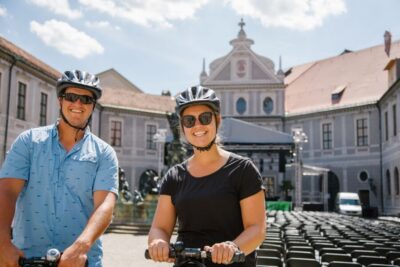
You should still be comfortable cycling for much of an afternoon. The tour is not described as a strenuous sport ride, but it does include multiple districts and a total duration of 210 minutes. Wear clothes you can ride in and choose shoes that work for both pedaling and short strolls.
The route is best for people who enjoy moving through a city at street level. You will not remain in one place for long, and you should be ready to listen beside the bike, ride to the next stop, and repeat the process.
Wheelchair users cannot take part, according to the activity information. Children under 10 are also not accepted. Children aged 10 and above may enjoy the art and the unusual route, but the length deserves careful thought. A 10-year-old boy loved the outing, while a 12-year-old found it a little too long. That difference shows how much interest and cycling tolerance can affect the day.
Language and guide quality
The stated language is German. That is the key planning point for international visitors. If you understand German, you should receive the full experience as designed, including the historical explanation and local details.
English speakers may still be able to take part successfully. Ulrike has been friendly, patient, and willing to explain the subject in English, even though the scheduled tour language was German. I would still confirm language needs when booking rather than assume every guide or departure will offer the same support.
The guide matters more than usual on a street art tour. The paintings are visible without help, but the stories, artists, and local history are not. A strong guide turns a colorful ride into a way of understanding Munich’s cultural changes.
The highest praise attached to this outing focuses on the guides, especially Ulrike, along with the range of stops and the amount of information. That matches what I would want from this kind of experience: someone who can keep the ride moving, explain clearly, and answer questions without making the day feel stiff.
Is $40 a fair price?
At $40 per person, the tour offers a rental bike, a guide, and 210 minutes of local interpretation. I consider that fair value if you want a guided experience and plan to see several parts of Munich rather than only a few central walls.
The price is less attractive if you mainly want transportation or a quick list of mural locations. You could explore some street art independently, but you would give up the background about Munich’s role in the German graffiti movement and the convenience of a planned route.
The value also depends on your language and stamina. German speakers can make full use of the tour. English speakers should check how the language issue will be handled. And if a long bike ride sounds tiring, the price will not rescue an experience that does not fit your travel style.
For the right visitor, the combination of transport, access to outlying districts, and local explanation makes $40 a sensible spend. It is especially useful early in a Munich visit, when the route can introduce you to neighborhoods you might otherwise miss.
Booking details worth knowing
You can cancel up to 24 hours before the start for a full refund. You can also reserve now and pay later, which helps if your Munich schedule is still shifting.
The activity lasts 210 minutes, and you need to check the available starting times. Meet at the Tourist Information Office in Marienplatz, in front of the building, and look for the yellow sign with red lettering.
Alcohol and drugs are not allowed. The experience is not suitable for wheelchair users or children under 10. Private groups are available if you prefer a more personal arrangement.
Who should book the Munich Street Art Bike Tour?
I would recommend this outing to you if you like street art, local neighborhoods, urban history, and active sightseeing. It is also a good choice if you have already seen Munich’s central landmarks and want a route with more surprise.
Families with children aged 10 and above should judge the length carefully. The art can hold a child’s attention, but 210 minutes is still a long organized activity. Adults who want a short, fast tour should choose something else.
The tour suits German speakers best, though English speakers may find a helpful guide such as Ulrike able to bridge the gap. It is not a good fit if you need wheelchair access or if you want a purely historic tour centered on palaces and churches.
My call: book it if you want Munich’s alternative side and are happy to spend half a day on a bicycle. You get a thoughtful route, a useful introduction to the city’s graffiti roots, and a look at Giesing and the Isar that ordinary sightseeing often misses. Skip it if your schedule is tight, your group dislikes cycling, or German-language guiding would be a serious barrier.
FAQ
Where does the Munich Street Art Bike Tour begin?
Meet the guide in front of the Tourist Information Office at Marienplatz. The guide will hold a yellow street art tour sign with red letters.
How long does the tour last?
The tour lasts 210 minutes, or three hours and 30 minutes.
What is included in the price?
A tour guide and rental bikes are included.
What language is the tour in?
The stated tour language is German. Private groups are available, and guide Ulrike has helped explain the tour to English-speaking participants.
Is the tour suitable for children?
Children under 10 are not allowed to join. Children aged 10 and above may take part, but the three-and-a-half-hour duration may feel long for some children.
Is the tour wheelchair accessible?
No. The activity is not suitable for wheelchair users.
Can I cancel the booking?
You can cancel up to 24 hours in advance for a full refund. You can also reserve now and pay later.
Newly added rides around Munich
- Munich: Mini Classic Bike Tour with Beer Garden Stop at 4 PM★ 4.8 · 28 reviews
- Best of Munich Electric Bike Tour★ 4.7 · 23 reviews
- Munich: Neuschwanstein Castle by Bus with Alpine Bike Ride★ 4.9 · 217 reviews
- Best of Munich Electric Bike Tour★ 5.0 · 38 reviews
- Munich City Bike Tour + Beer Garden Lunch Stop★ 5.0 · 283 reviews
- Munich: Bike Tour with Beer Garden Break★ 4.9 · 391 reviews
- Munich by Bike: Half-Day Tour with Local Guide★ 4.7 · 417 reviews
- Munich Essentials Bike Tour★ 4.9 · 401 reviews
Munich Bike Tours, compared.
Classic Mike’s Bike Tour daily @ 11.30 incl Beer Garden & Surfers
Read our review →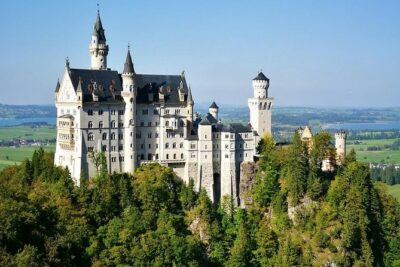
Neuschwanstein Castle by Bus Incl. Bike Ride or Hohenschwangau
Read our review →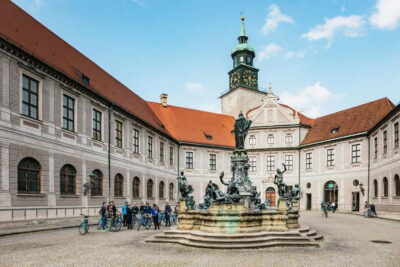
Browse the lists this tour appears in