
REVIEW · CAMBODIA BIKE TOURS
Local Livelihood Half Day Bike Tour in Battambang
Trade traffic for a quiet country road. This $30 half-day bike tour offers a close look at rural Battambang, with visits to Khmer families making rice paper, dried bananas, bamboo sticky rice, and other local goods. I like the small group limit of 10 and the chance to taste seasonal fruit and coconut water rather than simply pass photo stops from a vehicle.
I also like that your fee helps compensate the families you meet, giving the visits a clear purpose. The main drawback is the 7:30am start and 22km ride, plus a possible sore saddle. The route suits all fitness levels, but you should still expect several hours on a bicycle, not a quick spin around town.
Key points at a glance
- A 22km countryside ride leaves Battambang at 7:30am and returns around noon.
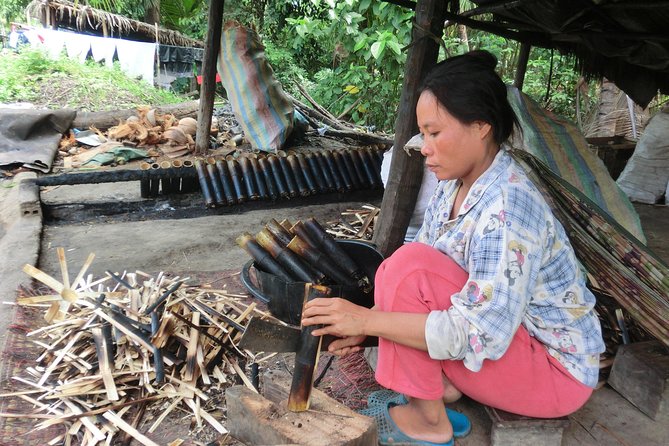
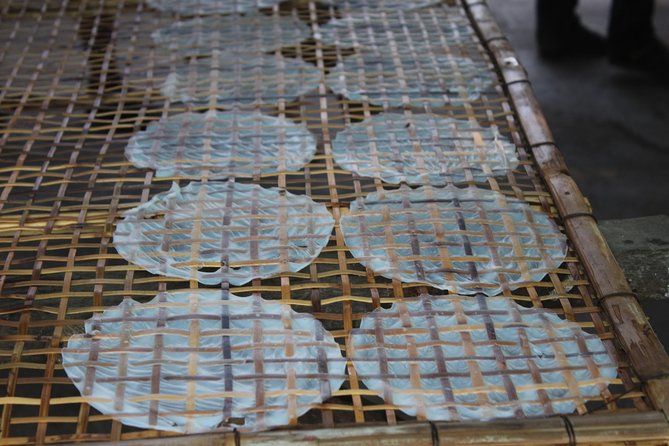
- Family-run workshops show how rice paper, dried bananas, bamboo sticky rice, and rice wine are made.
- Small groups of up to 10 people make conversation and family visits easier.
- Snacks, water, seasonal fruit, and coconut water are included during the ride.
- A mountain bike, helmet, local guide, and family compensation are part of the $30 price.
- Check the transport details carefully, since the information gives mixed guidance about hotel drop-off.
Why this Battambang bike ride is worth your morning
Battambang is a good place to slow down. The town itself is easy to explore, but the countryside gives you a better sense of how many people in Cambodia live and work. More than 70 percent of Cambodia’s population lives in rural communities, so this ride is not just a scenic outing. It gives you a look at everyday work that still follows family methods passed down over generations.
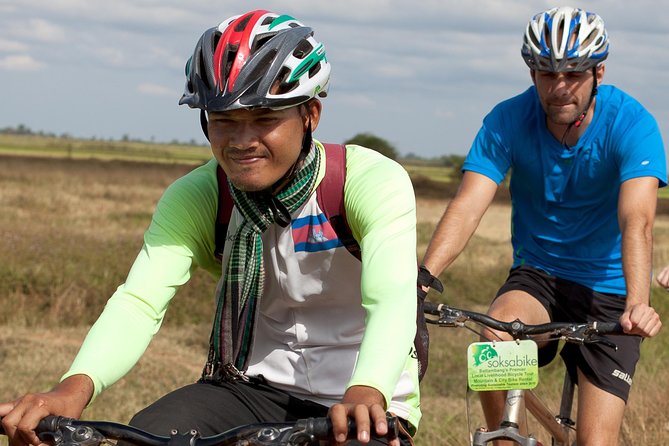
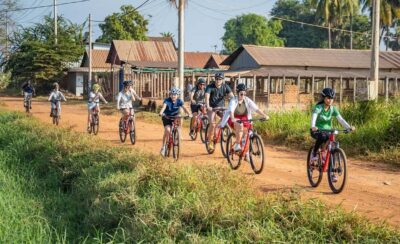
I like the bike as the main form of transport. You avoid traffic jams and do not need to hunt for parking. A bicycle also keeps you close to the road, fields, homes, and small production areas. You can stop more easily than you could in a car or tuk-tuk, and the pace leaves room for short conversations.
The tour is sold as lasting between two and four hours, but the detailed schedule gives you the clearest plan: depart at 7:30am and return around noon. I would set aside four hours. That gives you time for the 22km route, family visits, tastings, and stops along the way.
This is not a sightseeing ride built around famous monuments. Its appeal is the contact with local people and the chance to see work in progress. If you want temples, grand buildings, or a long list of landmarks, this is not the right morning. If you want a human-scale view of Battambang, it is a strong choice.
A few more rides around Cambodia worth a look
- Siem Reap Countryside Bike Tour / E-Bike or Tuk Tuk
★ 5.0 · 935 reviews - Angkor Sunrise Bike Tour / E-Bike or Tuk Tuk
★ 5.0 · 615 reviews - Phnom Penh Silk Island Bike Tour/ E-Bike or Tuk Tuk
★ 5.0 · 495 reviews
Starting near Psar Nath at 7:30am
The ride begins at Soksabike near Psar Nath, Battambang’s central market area, on Street 1.5. The activity ends back at the same meeting point. That makes the start and finish simple if you are staying in central Battambang and can reach Psar Nath on your own.
Hotel pickup is included in the tour details, but the transport information needs a careful read. One section says hotel pickup and drop-off are included, while another says hotel drop-off is not included and confirms that the activity ends at the meeting point. I would contact Soksabike before booking if returning to your hotel matters.
The early start is useful in Cambodia’s heat. You will spend the morning outside, and leaving at 7:30am gives you a better chance of riding before the day becomes too hot. It does mean this tour may not suit anyone who prefers a slow breakfast or late start.
The group limit is 10 people. That is small enough for the guide to keep the ride together and for family visits to feel more personal. It also avoids the feel of a large cycling procession moving through rural communities.
The 22km route through Battambang’s countryside
The route covers about 22km, which sounds substantial but is described as suitable for all fitness levels. The key point is that this is a half-day outing with regular stops, not a nonstop race. Your guide leads the way and explains what you are seeing as you ride between family businesses and rural communities.
A mountain bike and safety helmet are included. That removes the need to arrange your own equipment, though comfort can still vary from one bicycle to another. A practical tip is to wear padded cycling shorts if you have them, especially because the route takes several hours. One useful warning from the supplied feedback is that the saddle may feel uncomfortable, even though the bicycles themselves were considered good.
Bring a relaxed attitude to the pace. The value of this tour comes from stopping, tasting, and talking. You are not paying for a fast athletic ride or a long list of attractions. You are paying for access to local families and for a guide who can explain how their work fits into daily life.
The road environment also changes the feel of the morning. On a bicycle, you are not sealed inside a vehicle. You can notice the sounds, smells, and small details of rural life as you move from one stop to the next. The information supplied does not promise a particular type of road surface or scenery, so you should not book this for a specific view. Book it for the way the countryside is experienced at bicycle speed.
Meeting families who make traditional products
The strongest part of the tour is the series of visits with Cambodian families. These are not generic craft demonstrations. The families produce goods such as rice paper, dried bananas, bamboo sticky rice, and rice wine, using methods that have continued for generations.
Rice paper offers a look at a basic food product before it reaches a market or kitchen. Dried bananas show how local produce can be preserved and turned into a snack. Bamboo sticky rice connects food preparation with practical use of natural materials. Rice wine adds another taste to the route, though you should keep the morning schedule and your own tolerance in mind.
The visits are valuable because they connect food with work. You do not just sample a finished product. You see that rural income can come from several small household activities, often using materials already available nearby. That makes the tour more meaningful than a standard tasting stop.
You also help support the families directly through the compensation included in the tour price. I appreciate that detail. It gives the stops a clearer exchange: you receive an explanation and a taste, while the households receive payment for their time and participation.
The stops may vary in exact order and length. The available information does not give a fixed list of every family or promise that every product will be available on every departure. Seasonal fruit, in particular, can change. Go expecting a selection of local products rather than a guaranteed menu.
Same handlebars, a completely different route:
- Siem Reap: Bike the Angkor Temples – Full-Day 30km Tour
★ 5.0 · 463 reviews - Siem Reap: Angkor Wat Sunrise Bike Tour & Jungle Breakfast
★ 5.0 · 415 reviews - Phnom Penh: Silk Islands Half-Day Bike Tour
★ 4.9 · 315 reviews - Siem Reap: Guided Countryside Bike Tour
★ 4.9 · 294 reviews
Food, coconut water, and the small tastes along the way
Snacks and water are included, and the route includes seasonal fruits and coconut water. These details matter more than they might at first seem. A 22km ride in the morning calls for regular hydration, and a small taste can make each stop feel connected to the place you are visiting.
The food is part of the cultural lesson. Dried bananas, bamboo sticky rice, rice paper, and rice wine are not random samples chosen only for tourists. They show how ingredients are prepared, stored, shared, and sold in rural communities.
One piece of practical advice: eat something before you leave. The tour includes snacks, but the details do not promise a full breakfast or lunch. Starting early and cycling for several hours is easier if you arrive with some food already in you.
The rice wine stop may appeal to curious eaters, but nobody should feel pressured to drink. The tour includes water and nonalcoholic tastes as well. If you prefer to avoid alcohol, you can still enjoy the family visit and the other local products.
What the guide adds to the ride
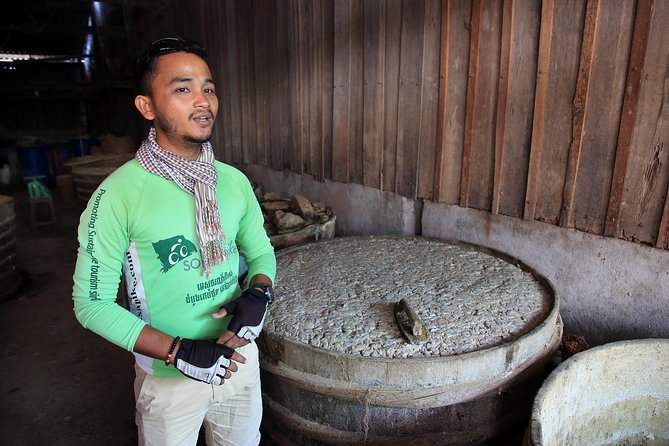
A local guide changes the tour from a pleasant bike route into a lesson in rural life. At the family stops, the guide can explain what you are seeing and help bridge the gap between visitor and host. That is especially useful when the work process or conversation is not easy to understand on its own.
The tour uses local student guides. That detail gives the experience a community feel, and it may make the conversations more informal than those on a large commercial outing. A guide named Savith is associated with particularly warm, helpful service, so you may be fortunate enough to ride with Savith, depending on the departure.
The best guide behavior here is not a long speech. It is knowing when to explain, when to translate, and when to let a family demonstrate its work. The small group size should help. With no more than 10 people, you have a better chance to ask questions without holding up a large crowd.
The guide also keeps the group moving along a 22km route. That matters because family visits can easily run long. You will want enough time for the tastings and conversations without turning a four-hour tour into an all-day ride.
Is $30 a fair price?
At $30 per person, the tour offers more than bicycle rental. The price includes a local guide, mountain bike, helmet, water, snacks, hotel pickup according to the supplied details, and compensation for the families visited.
The family compensation is an important part of the value. Your money supports the people who open their homes or work areas and explain what they do. That makes the cost easier to justify than a basic rental with a guide who only leads you along a road.
You are also getting a small-group format, which is usually more useful for this kind of cultural visit. A large group would make the family stops less personal and could make it harder to hear explanations or ask questions.
The cost does not include insurance. You should consider your own travel coverage, particularly for a cycling activity. The price also does not clearly settle hotel return transport, so confirm that point before you pay.
For a visitor who wants a low-cost morning with local contact, $30 is good value. For someone seeking a strenuous mountain-bike route, advanced cycling, or major sightseeing landmarks, the same price may feel less compelling because the emphasis is social and cultural rather than athletic.
Who will enjoy this tour most?
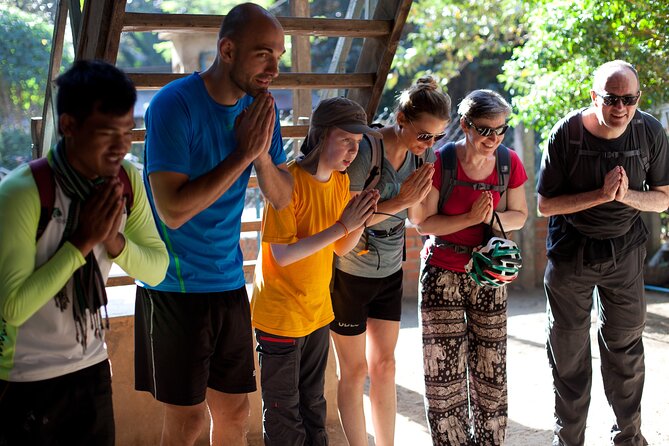
I would recommend this ride to people who want to understand how rural households work and eat. It suits curious visitors who enjoy food samples, small workshops, and conversations more than polished attractions.
The route is also a good fit if you want to get away from central Battambang for part of the morning without committing to a full-day excursion. The 7:30am to noon schedule leaves the afternoon open.
The tour should work for most fitness levels, according to the provided details. Still, suitable for all fitness levels does not mean effortless. You are riding about 22km, so anyone concerned about stamina should ask Soksabike for more detail before booking.
You should think twice if you dislike early starts, cycling in warm weather, or spending time around unfamiliar foods. A sore saddle is possible, and the activity does not include insurance. Those are small issues for many people, but they are worth considering honestly.
Dress with your knees and shoulders covered out of respect for local culture. Wear practical clothing for cycling, bring a willingness to taste small portions, and use the helmet provided.
Booking, cancellation, and practical details
Confirmation is provided when you book, and the activity is available with a mobile ticket. The tour is near public transportation, though the listed start remains Soksabike near Psar Nath.
Free cancellation is available if you cancel at least 24 hours before the start time. Cancellations made within 24 hours are not refunded, and changes within that period are not accepted. The cut-off follows Battambang local time.
The tour is limited to a maximum of 10 people. Most people can participate, but you should still assess your comfort with a 22km bicycle ride and ask about any personal concerns before booking.
Should you book the Local Livelihood Half Day Bike Tour?
Book it if you want a practical, people-focused morning in Battambang. The combination of a small group, local student guide, family-run production, tastings, and direct compensation gives the ride a clear purpose.
I especially like the way the tour treats rural life as more than scenery. You see food being made, meet the families behind it, and learn how everyday work supports local communities. The route is active but not presented as a test of athletic ability.
Skip it if you want a late start, a guaranteed full meal, a landmark-heavy itinerary, or a high-performance cycling route. Also confirm the hotel return arrangement, since the transport details are not fully consistent.
For most visitors who can manage an early four-hour outing, this is a worthwhile $30 introduction to the countryside around Battambang.
FAQ
How much does the Local Livelihood Half Day Bike Tour cost?
The tour costs $30 per person.
How long does the bike tour last?
The tour is listed as lasting about two to four hours. The scheduled ride leaves at 7:30am and returns around noon, so you should plan for roughly four hours.
How far do I ride?
The cycling route covers about 22km.
Where does the tour begin?
It begins at Soksabike near Psar Nath, the central market area, on Street 1.5 in Battambang.
Where does the tour end?
The activity ends back at the meeting point near Psar Nath.
Is hotel pickup included?
The tour information includes hotel pickup, but the details about hotel drop-off are inconsistent. Confirm the return arrangement with Soksabike before booking.
What equipment is provided?
A mountain bike and safety helmet are included.
Are food and drinks included?
Yes. The tour includes snacks and water, with seasonal fruit and coconut water available along the way. Local products may include rice paper, dried bananas, bamboo sticky rice, and rice wine.
Can I cancel for a refund?
You can receive a full refund if you cancel at least 24 hours before the start time. Cancellations within 24 hours are not refunded, and changes within 24 hours are not accepted.
Newly added rides around Cambodia
- Phnom Penh: Cycling Adventure on Islands of the Mekong★ 5.0 · 225 reviews
- Explore local livelihood & countryside (Half-Day Cycling Tour)★ 5.0 · 19 reviews
- Local Livelihood Full Day Bike Tour in Battambang★ 5.0 · 37 reviews
- Customs and Culture Half Day Walk and Bike Tour in Battambang★ 5.0 · 23 reviews
- Cultural Cycling Tour – half day (8:00-11:30)★ 5.0 · 26 reviews
- Siem Reap: Bike the Angkor Temples – Full-Day 30km Tour★ 4.9 · 159 reviews
- Siem Reap: Bike Rental★ 4.7 · 12 reviews
- Siem Reap: Countryside Cycle and Local Village Life Tour★ 4.7 · 32 reviews
Cambodia Bike Tours, compared.
Siem Reap Countryside Bike Tour / E-Bike or Tuk Tuk
Read our review →
Phnom Penh Silk Island Bike Tour/ E-Bike or Tuk Tuk
Read our review →
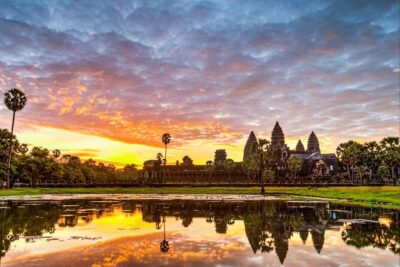
Angkor Wat Sunrise Bike Tour & Jungle Breakfast
Read our review →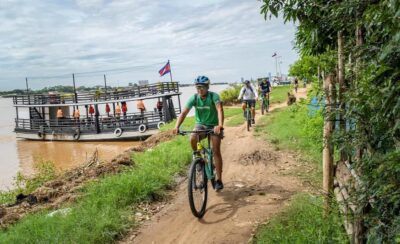
Phnom Penh: Cycling Adventure on Islands of the Mekong
Read our review →Browse the lists this tour appears in