
REVIEW · OSAKA BIKE TOURS
5-Hour Osaka Highlights Bike Tour with Lunch
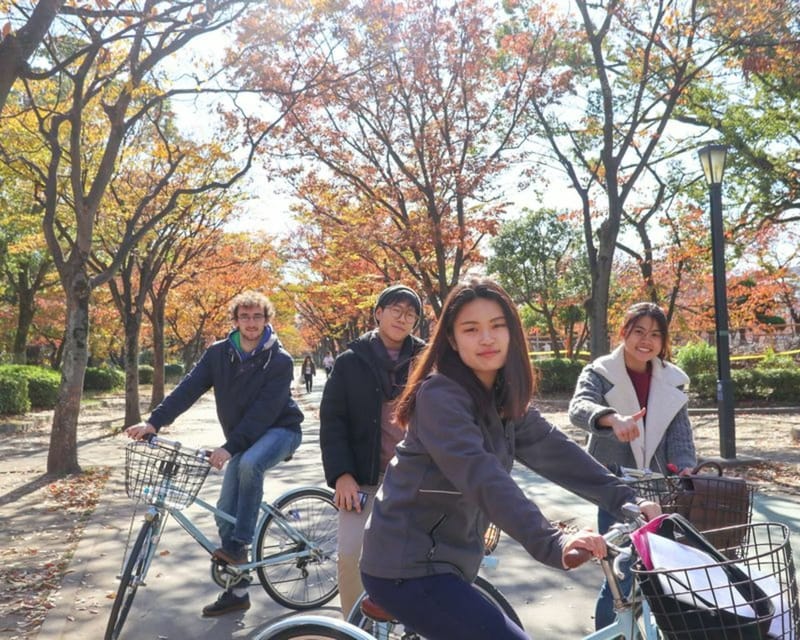
Osaka makes more sense from a bicycle. This five-hour ride links Osaka Tenmangu Shrine, the Housing and Living Museum, Osaka Castle Park, a local lunch, and a matcha stop without making you cross the city by train. I especially like the small group of six and the easy mix of history, food, and everyday Osaka. The main catch is that helmets are not included, and the ride can be canceled when rain probability reaches 40 percent or more.
I also like that lunch and tea are built into the $85 price, which makes the tour more than a simple sightseeing ride. Guides such as Ayaka, Megumi, Yusuke, and Masumi have been praised for clear English, calm pacing, and personal stories about Osaka life. You should still know that Osaka Castle admission costs extra, and the vegetarian meal includes fish-based dashi, so it is not vegan.
Five details worth knowing before you book
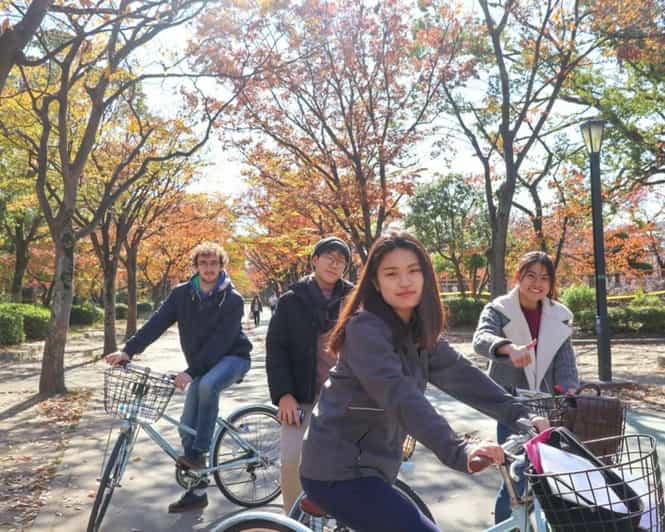
- A six-person limit keeps the ride personal: Guides can check on your cycling, answer questions, and adjust the pace more easily than on a large bus tour.
- The route follows calmer cycling paths where possible: Riverbank riding and Osaka Castle Park give you a break from busy streets and a pleasant breeze.
- Lunch is part of the cultural experience: Expect Osaka soul food, often okonomiyaki or a similar local dish, with a vegetarian option that still contains fish broth.
- The Osaka Museum of Housing and Living adds useful context: You see how Osaka looked and how people lived in the Edo period before comparing it with the modern city outside.
- The final matcha stop is more than a drink break: Tea and a traditional sweet provide a quiet finish after several hours in the saddle.
- Plan around weather and luggage: Large bags are not allowed, and the tour order can change with traffic, rain, and special requests.
Starting at Tenmabashi with a cross bike
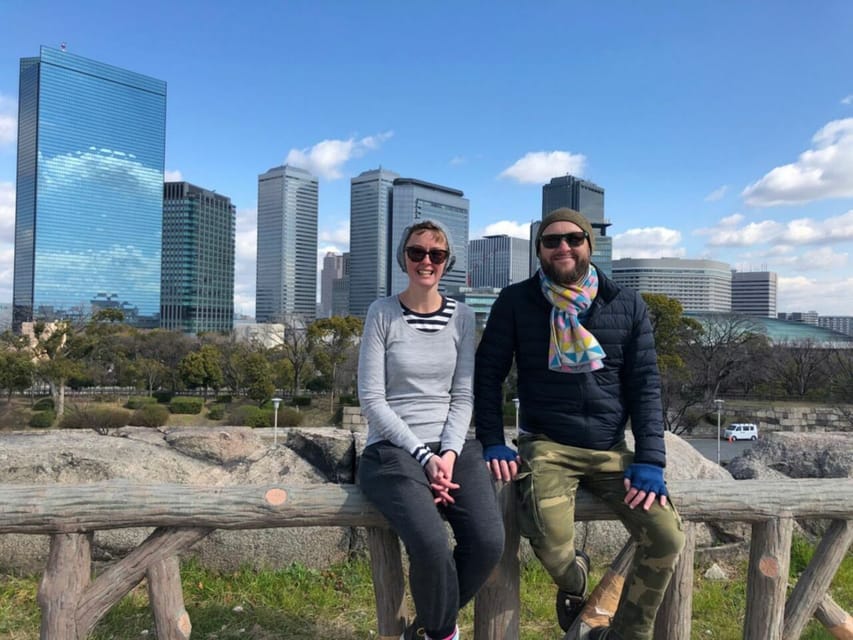
The meeting point is in front of the FamilyMart inside or near Tenmabashi Station, about a two-minute walk from Osaka Metro Tanimachi Line Exit 2. That is a practical start. You do not need to hunt for a storefront down a side street, and the station gives you a clear landmark.
Your guide helps you get set up with a cross bike. The tour description does not include helmets, so bring one if you want to ride with head protection. Comfortable clothing, closed shoes, water, and sunscreen make sense, particularly in Osaka’s warmer months.
The bikes received strong praise for being maintained well and comfortable. That matters because five hours can feel long on a poor rental bike. Still, this is an active sightseeing tour, not a casual photo stop with a short cycle between attractions. You should be able to ride a bicycle confidently enough to manage streets, paths, turns, and pedestrians.
That said, the tour seems friendly to less experienced riders. One participant who rarely rides said the guide helped build confidence quickly. Another guide, Yoto, adjusted the route when rain arrived and kept the group under cover where possible. Those details suggest that guides pay attention to the people in front of them, rather than simply following a fixed script.
The route is also small enough for conversation. With a maximum of six people, your guide can explain what you are seeing and notice if someone is falling behind. That is one of the strongest reasons to choose this over a larger city tour.
More Bike Tours with Lunch in Japan
- Bike Tour Exploring North Kyoto plus Lunch
★ 5.0 · 1,087 reviews - 4.5-Hour Kyoto Bike Tour with Lunch and UNESCO Zen Temples
★ 5.0 · 122 reviews - 5-Hour Tokyo & Edo Hidden Gem Bike Tour with Lunch
★ 5.0 · 113 reviews
Osaka Tenmangu Shrine and the city’s local side
The first main stop is Osaka Tenmangu Shrine, a good early introduction to the city’s religious life. The guide explains the shrine and its place in Osaka, giving you context before the day turns toward museums, food, and the castle.
A shrine visit is more useful with a guide than it may first appear. You can learn how to approach the grounds, what details to notice, and how the site fits into local life. Guides have also used nearby shopping streets and personal stories to show Osaka beyond its famous restaurant districts.
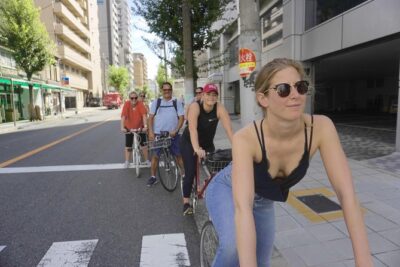
The ride itself is part of the point. You are not simply being delivered from one landmark to another. You see the spaces between them: neighborhood streets, river routes, shopping areas, and the changing pace of the city. One of the best comments about the tour described it as a way to see parts of northern Osaka that the visitor otherwise would have skipped.
Do not expect a nonstop lecture while riding. One participant suggested an audio system so the guide could talk during the cycle. That is a fair limitation. Explanations are usually best delivered when the group is stopped, and you may miss some comments while navigating the road.
Osaka Museum of Housing and Living, a useful history stop
The Osaka Museum of Housing and Living gives the tour a strong change of pace. Rather than looking only at monuments, you see how ordinary homes and streets were arranged in earlier periods, including the Edo era.
This is valuable because Osaka’s modern streets can otherwise seem disconnected from the city’s past. After seeing old-style houses and daily life inside the museum, you cycle through present-day Osaka and notice the contrast more clearly. The guide helps connect those two views.
The museum visit lasts about 40 minutes, including guided sightseeing and cycling time in the overall schedule. That is enough for a focused visit, though not enough for every display. If you are passionate about museums, you may want to return on your own for a longer look.
For most people, the museum works well because it breaks up the physical effort. You ride, stop, learn, ride again, then eat. That rhythm keeps the five hours from becoming one long pedal.
Several guides have been praised for explaining not only historical facts but also daily life in modern Osaka. That is an important distinction. The tour is not built around dates alone. It aims to show how the city changed, and how people live in it now.
Lunch before Osaka Castle Park
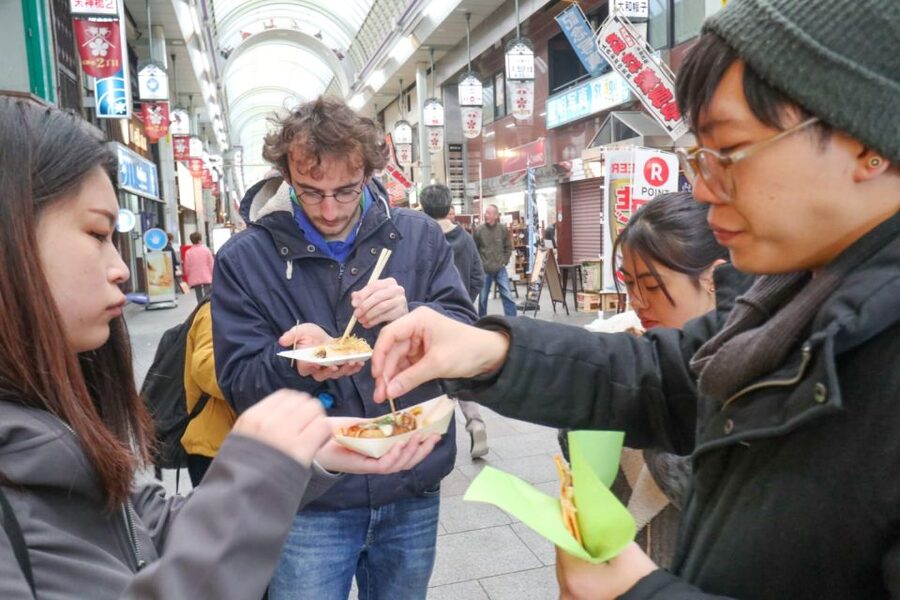
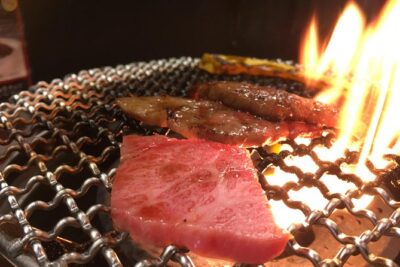
Lunch is one of the tour’s biggest selling points. Osaka is known for informal comfort food, and the meal introduces you to a local favorite rather than giving you a generic restaurant stop.
The food has included okonomiyaki, sometimes described as a cabbage pancake, and other Osaka-style dishes. The precise meal can vary, but the point is the same: you sit down in a local setting and try food that may be unfamiliar without having to decode the menu alone.
The restaurant setting has been described as a quiet old Japanese house, with friendly staff and a traditional feel. That adds value to the $85 price. You are paying for the guide, bicycle, lunch, tea, snack, and photographs, not just transport between attractions.
The vegetarian meal is available, but you need to read the fine print carefully. It contains dashi made from fish, so it is not suitable for vegans or anyone avoiding fish ingredients. There is no stated gluten-free option. One guide did accommodate a special dietary request by finding an Indian restaurant, but you should treat that as a special arrangement, not a standard promise.
The meal may be a highlight if you enjoy trying local food. If you prefer to choose your own restaurant or have strict dietary needs, it may be a limitation. One person also felt a more interesting food option would have improved the tour. That is a useful reminder that local food is personal: what feels like an authentic introduction to one person may seem simple to another.
More City Bike Tours in Japan
- Tokyo Top Highlights 3h Guided E-bike Tour
★ 5.0 · 714 reviews - 5 Top Highlights of Kyoto Full Day Bike Tour (E-bike option)
★ 5.0 · 511 reviews - Tokyo: 3-Hour Bike or E-Bike City Highlights Tour
★ 4.8 · 435 reviews - E-Bike Tours of the highlights of Kyoto!!!
★ 5.0 · 291 reviews
Osaka Castle Park by bicycle
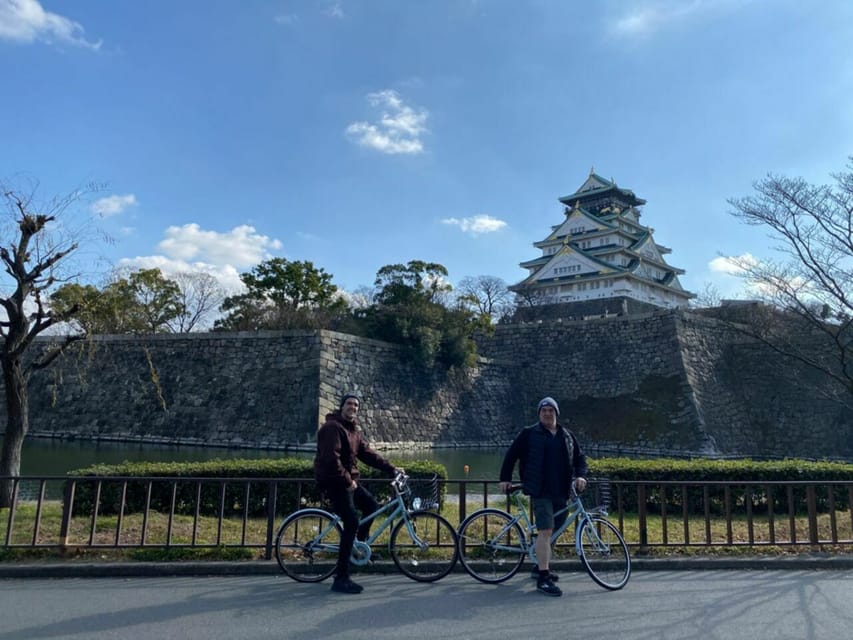
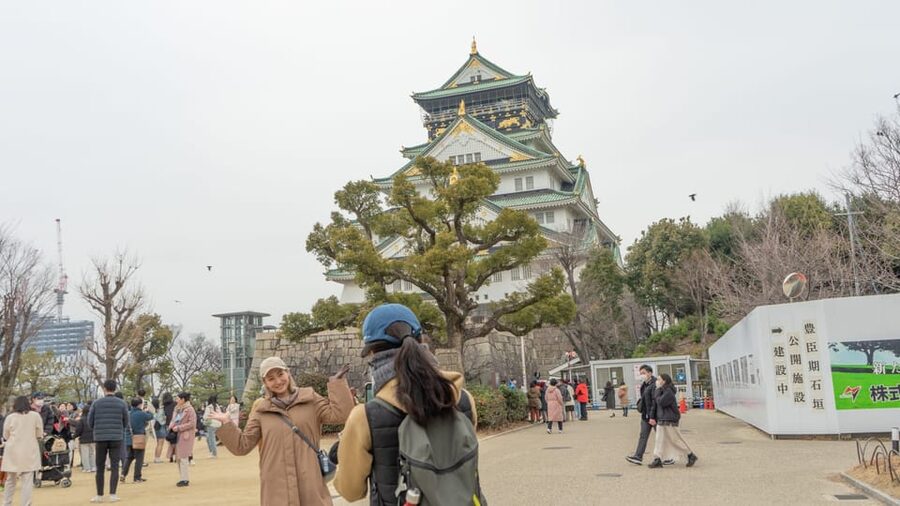
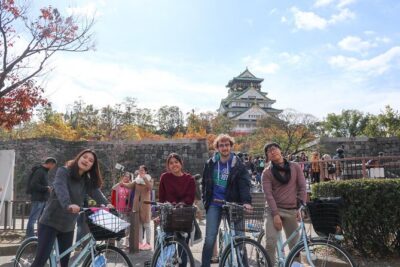
After lunch, the route heads to Osaka Castle Park. The park covers about 105 hectares, so a bicycle makes practical sense. Walking from one end to another could take energy you would rather save for the rest of Osaka.
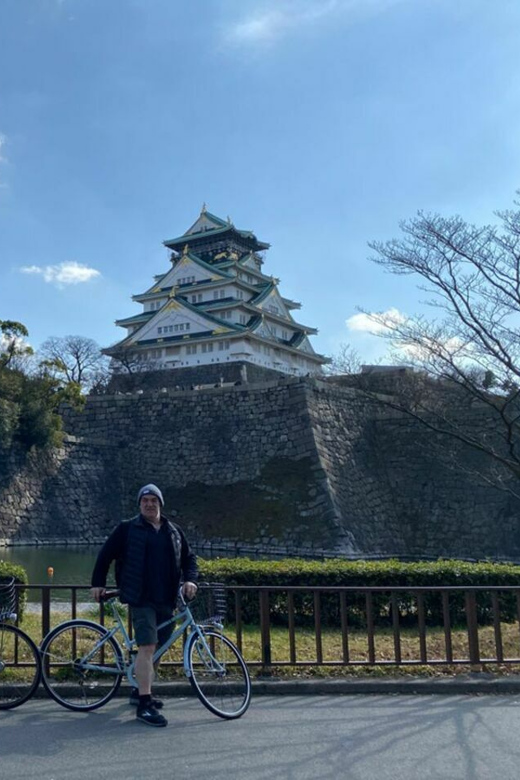
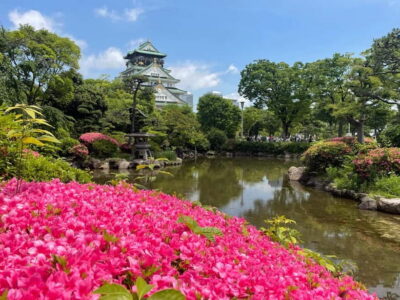
You cycle around the castle grounds, stop for photographs, and take in the castle from outside. The greenery, open paths, and river ride help balance the tighter streets earlier in the day. Many people particularly enjoy this part because the breeze makes the ride feel easy, even after lunch.
The tour information says you visit or set foot in Osaka Castle, but the included services specifically do not cover admission. Check the day’s plan with your guide if entering the castle interior is important to you. At minimum, the castle area and photo stops are part of the experience, while interior entry is an additional cost.
Osaka Castle is one of the city’s essential sights, but it can feel crowded and tiring on foot. Arriving by bike gives you a different angle and helps you cover more of the large park. You are not just standing in front of the main tower, taking one photograph, then leaving.
The castle stop lasts about 40 minutes in the planned schedule. That is enough for sightseeing and pictures, but not a full museum visit inside the tower. If you want a detailed look at the castle exhibits, plan separate time and budget for admission.
Cherry blossom season can make this section especially attractive. One April tour took place during peak blossoms, and another guide selected good blossom-viewing spots. Conditions change each year, of course, but spring is a sensible time to consider this ride. Summer offers warmer weather and a cooling breeze, while autumn can bring pleasant cycling conditions. In rain, the route may change or the tour may be canceled.
Matcha and a quiet finish
The final stop is a small cafe or tea setting where you receive matcha and a Japanese snack. This is a smart way to end the tour. After the movement and city noise, sitting down for carefully prepared tea gives the experience a calm last chapter.
The snack can vary. Descriptions include chimaki, steamed buns, modern sweets, mochi-style treats, and grilled rice cakes with soy or red bean toppings. Do not assume one exact item will appear every time. The common thread is a traditional or local sweet paired with matcha.
The tea stop has been singled out as a personal favorite, partly because it feels minimalist and carefully handled. It is also a chance to ask final questions, get food suggestions, and receive advice for the rest of your Osaka visit. Several guides have offered recommendations for later in the day.
This stop is not a full formal tea ceremony unless your guide specifically describes it that way. Think of it as a thoughtful tea and snack experience in a small setting. That distinction keeps expectations in the right place.
How difficult is the five-hour ride?
The tour is described as an easy ride by several participants, with comfortable bikes and a balanced pattern of cycling and stops. You will still spend a meaningful part of the day in the saddle. Osaka streets can include pedestrians, traffic, and changing surfaces, so you need basic bike control.
The ride is suitable for people over 15. There is no stated special fitness requirement, but you should not book it if you cannot ride a bicycle safely in a city setting. If you are nervous, tell the guide at the start. The small group gives the guide more room to help.
Guides have been praised for checking that everyone stays together. One person who normally rides on the opposite side of the road still found the route manageable after receiving support. That is encouraging, but traffic awareness remains your responsibility.
Weather is the biggest practical risk. The operator cancels when the rain probability is 40 percent or higher, and the itinerary can change because of rain or traffic. If the ride is central to your Osaka plans, book early in your visit so you have room to reschedule.
Large luggage is not permitted. Coin lockers near the station may be available for 500 yen, but there is no guarantee that a locker will be open or large enough. Arrive with a day bag, not a suitcase.
What $85 gets you
At $85 per person, this is not the cheapest way to see Osaka’s sights. It is also not simply a bike rental. Your price includes the cross bike, English-speaking local guide, lunch, matcha, a snack, and photographs taken during the tour.
The value comes from the combination. A self-guided rental would cost less, but you would need to plan the route, find the shrine, understand the museum, choose a lunch spot, and work out how to cover Osaka Castle Park. The guide removes that planning work while adding local explanation.
The group size strengthens the value. A six-person maximum gives you more attention than a large coach tour, and the tour length is long enough to cover several different sides of Osaka. You receive history, food, exercise, and neighborhood views in one half-day.
The price is less attractive if you only want Osaka Castle. In that case, use public transport and visit the park independently. It becomes a good deal if you want an introduction to Osaka that includes local food and quieter city routes.
Free cancellation is available up to 24 hours before the tour, and you can reserve while paying later. That helps when your weather plans are uncertain, though it does not solve the risk of rain on the day itself.
The guides make the difference
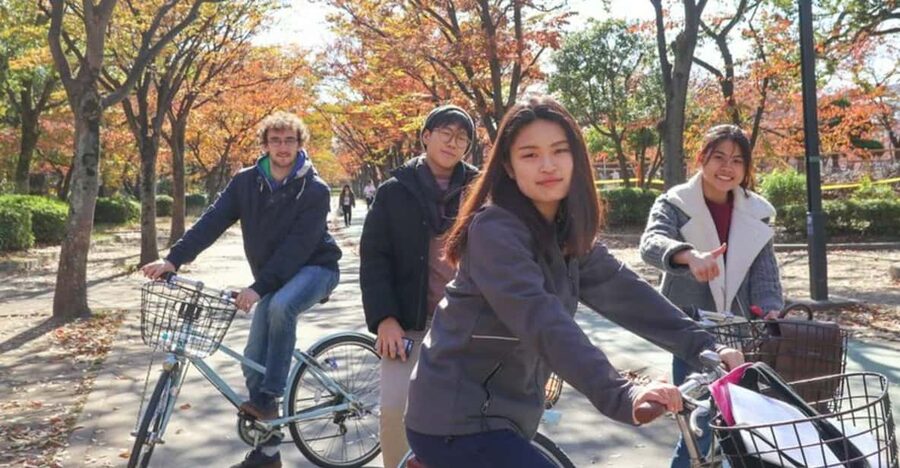
The guide roster varies, but the strongest pattern is clear: the experience depends heavily on the person leading it. Ayaka has been praised for detailed planning, humor, and a warm manner. Megumi has received strong marks for clear English, personal stories, and keeping a 15-year-old engaged.
Yoto was praised for adjusting the route during rain, while Masumi helped nervous riders gain confidence. Other guides, including Mike, Hide, Fuka, Duncan, John, and Yusuke, have been described as friendly and good at explaining Osaka’s past and present.
You should not assume you will receive a particular guide unless the booking allows you to choose one. Still, the repeated praise for calm pacing and personal attention is a good sign. The tour seems to work best when you ask questions and take part in the conversation.
Who should book this Osaka bike tour?
I would choose this tour if you have only a day or two in Osaka and want a broad first look without spending the whole day underground on trains. It is especially good for people who like to combine sightseeing with food and do not mind light exercise.
It suits couples, families with teenagers over 15, and solo visitors who want a small social group. It also works for first-time visitors who want practical orientation. Several people used the ride to understand where they were in relation to Osaka’s main sights.
I would be more cautious if you dislike cycling, need a vegan or gluten-free meal, want a formal tea ceremony, or plan to spend hours inside Osaka Castle. The lack of included helmets may also matter to you. Ask about dietary arrangements before booking, and bring your own helmet if that is important.
Should you book it?
Book this tour if you want Osaka in broad strokes: a shrine, old homes, local food, a major castle, river paths, and matcha, all tied together by a friendly guide. The small group, well-kept bikes, included meal, and relaxed pacing make the $85 fee reasonable for an active half-day.
Skip it if you prefer to move at your own pace, need strict dietary control, or want a deep visit inside every museum and castle. For most active first-time visitors, though, this is a smart way to get your bearings and see more of Osaka than the usual central shopping streets.
FAQ
Where does the Osaka bike tour meet?
Meet your guide in front of the FamilyMart at Tenmabashi Station on the Osaka Metro Tanimachi Line. The meeting point is about a two-minute walk from Exit 2.
How long does the tour last?
The tour lasts five hours. Starting times vary, so you need to check availability for the date you want.
What is included in the price?
The price includes the bike, English-speaking local guide, lunch, matcha green tea, a snack, and photographs taken during the tour.
Is Osaka Castle admission included?
No. Entry to Osaka Castle is not included, so you should budget separately if you want to enter the castle.
Is a vegetarian meal available?
Yes, a vegetarian meal is available. It includes dashi made from fish, so there is no vegan option. There is also no gluten-free option.
Can children join the tour?
Participants must be over 15 years old.
What happens if it rains?
The tour is canceled when the rain probability is 40 percent or higher. The order and route can also change because of weather and traffic.
More Lunch Experiences in Japan
- Half-day Himeji Castle Town Bike Tour with Lunch
★ 5.0 · 81 reviews - Kyoto: Full-Day City Highlights Bike Tour with Light Lunch
★ 5.0 · 52 reviews - Tokyo: Hidden Gems Guided Bike Tour with Lunch
★ 4.5 · 30 reviews - Kyoto: Early Bird E-Bike Tour with Lunch
★ 5.0 · 14 reviews
Newly added rides around Japan
- Private E-MTB guided cycling around Mt. Aso volcano & grasslands★ 5.0 · 16 reviews
- Tokyo: Private Cycling Tour with cute E-bike★ 5.0 · 11 reviews
- Tokyo Bay Area: Sunset Night View 3h E-bike Guided Bike Tour★ 5.0 · 11 reviews
- Tokyo: West-Side Cycling and Food Tour with Guide★ 5.0 · 37 reviews
- Tokyo: 3h Private E-bike Tours, Starting at Your Hotel★ 5.0 · 36 reviews
- Tokyo: 3-hour Guided E-Bike Tour of the City’s Hidden Gems★ 4.8 · 251 reviews
- Tokyo Bike Tour: Shibuya, Harajuku & Hidden Gems★ 5.0 · 20 reviews
- Tokyo: Hidden Gems Guided Bike Tour with Lunch★ 4.5 · 30 reviews
Osaka Bike Tours, compared.
5-Hour Osaka Bike Tour to the Neighborhood of Osaka Castle
Read our review →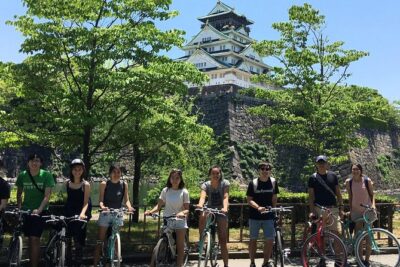
Browse the lists this tour appears in