
REVIEW · VIENNA BIKE TOURS
Vienna: City Highlights Guided Bike Tour
Vienna rewards a moving view. This three-hour bike tour links grand imperial buildings, quiet side streets, and major political landmarks while a live guide explains how the city took shape. I especially like the flat, easygoing route and the chance to hear stories that connect Roman Vienna, the Habsburg court, Jewish life, and the world wars. The main drawback is that the bikes have received mixed comments, and some riders wanted more time for photographs.
The tour is also a smart first-day activity. You cover a large slice of central Vienna without wearing out your feet, then know which palaces, cafés, and streets deserve a closer look. Guides such as Anita, Karin, Marcelo, Eddy, and Franz have earned especially warm praise for clear explanations, humor, and friendly group management. Still, busy city riding and limited photo stops mean this is more of an overview than a slow sightseeing walk.
Key points to know before you book
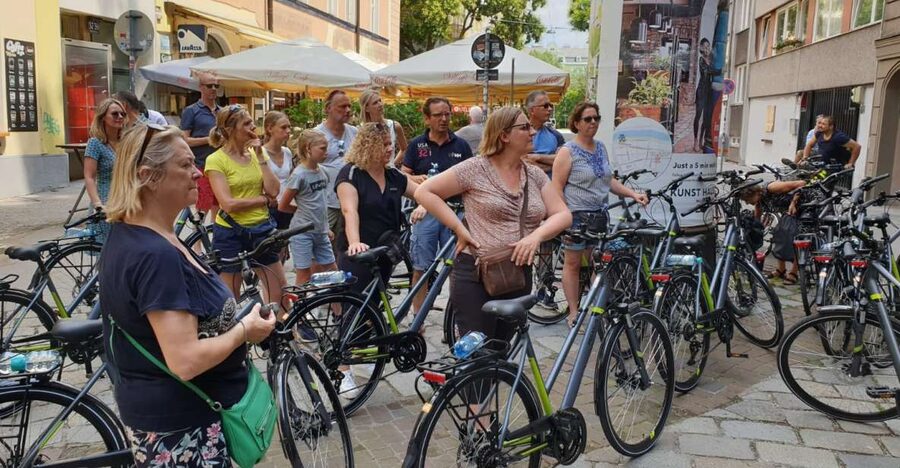
- Three hours across central Vienna: You cycle between City Hall, Parliament, Hofburg Palace, the Opera, St. Stephen’s Cathedral, and Heldenplatz.
- A history-led ride: The guide covers Roman origins, Habsburg rule, politics, Jewish contributions, and Vienna’s role in the world wars.
- Mostly flat streets: Several riders found the pace comfortable and the route suitable for beginners, with only a few small hills mentioned near the end.
- Best early in your stay: The broad introduction helps you choose where to return for museums, interiors, meals, and longer walks.
- Bike condition can vary: Some riders found the bicycles tired but usable, while others found them well maintained and easy to ride.
- English, German, and Dutch: You can request a live guide in one of these languages, and a private group option is available.
Why a bicycle works so well in central Vienna
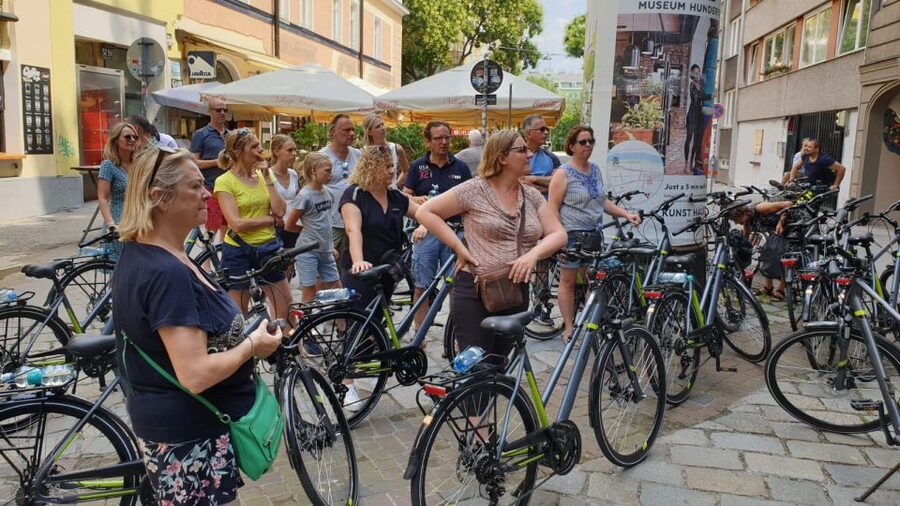
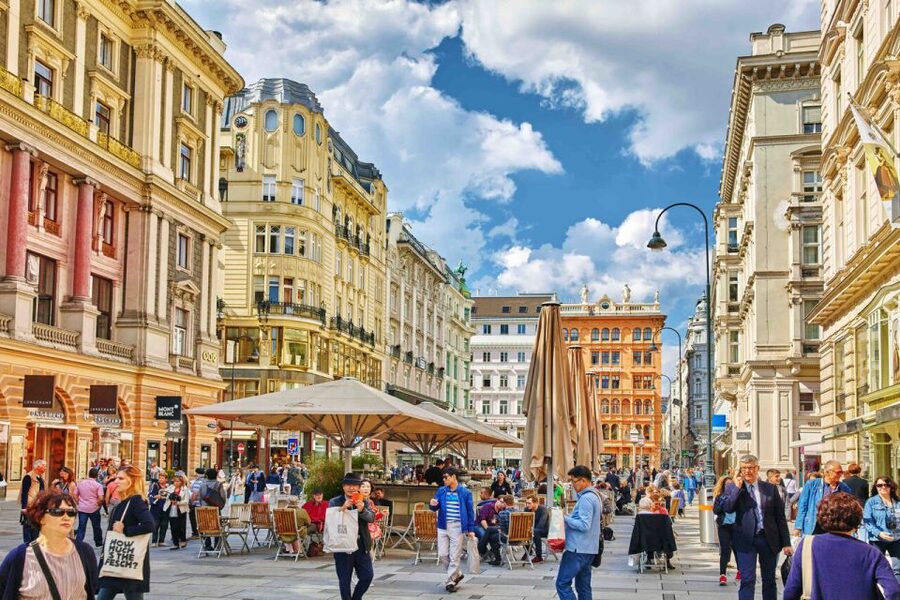
Vienna’s center is made for a tour that combines riding and short walks. The key sights are spread across a compact area, but walking between all of them takes time and energy. By bike, you can move from the grand sweep of Ringstrasse architecture to narrow streets near the old center without spending half the morning waiting for transport.
I like the balance here. You are not pedaling for sport. The ride is described as comfortable and relatively flat, with a few small inclines toward the end. That makes it a good fit for riders who can manage three hours in the saddle but do not want a demanding cycling excursion.
You should still expect city conditions. The route passes through central streets and bike lanes, and one rider noted that some lanes run in both directions, so keeping right matters. Another rider raised a concern about helmet use. Helmet arrangements are not specified in the activity details, so I would ask the operator about them before booking if that is important to you.
The tour begins and ends at Piaristengasse 56-58. Look for the My Vienna Tours flag. The bicycle and guide are included, while drinks and snacks are not, so bring water and plan a small break around your own needs.
More City Bike Tours in the world:
- Lion City Bike Tour of Singapore
★ 5.0 · 6,211 reviews - 3-Hour Porto Highlights on a Electric Bike Guided Tour
★ 5.0 · 4,392 reviews - Porto: City Highlights 3-Hour Guided Electric Bike Tour
★ 4.8 · 3,092 reviews
Vienna City Hall and the Austrian Parliament
The first major sights are Vienna City Hall and the Austrian Parliament Building. These give you an immediate feel for the city’s public face: imposing architecture, formal civic spaces, and institutions that still shape Austrian life.
At City Hall, the guide provides the context while you remain on the bike tour. The value is not simply seeing a grand façade. You begin to understand how Vienna’s imperial image blends with its modern political identity.
The Parliament stop adds another layer. Vienna is not only palaces and coffeehouses, and the guide’s discussion of politics helps keep the tour from becoming a parade of pretty buildings. Several guides have been praised for explaining the city’s past in a way that connects buildings to current life.
This portion is also useful for orientation. You are moving through the central district, learning how its major avenues and public buildings relate to one another. If this is your first morning in Vienna, pay attention to the route. You may save yourself a few wrong turns later.
Hofburg Palace and the Habsburg court
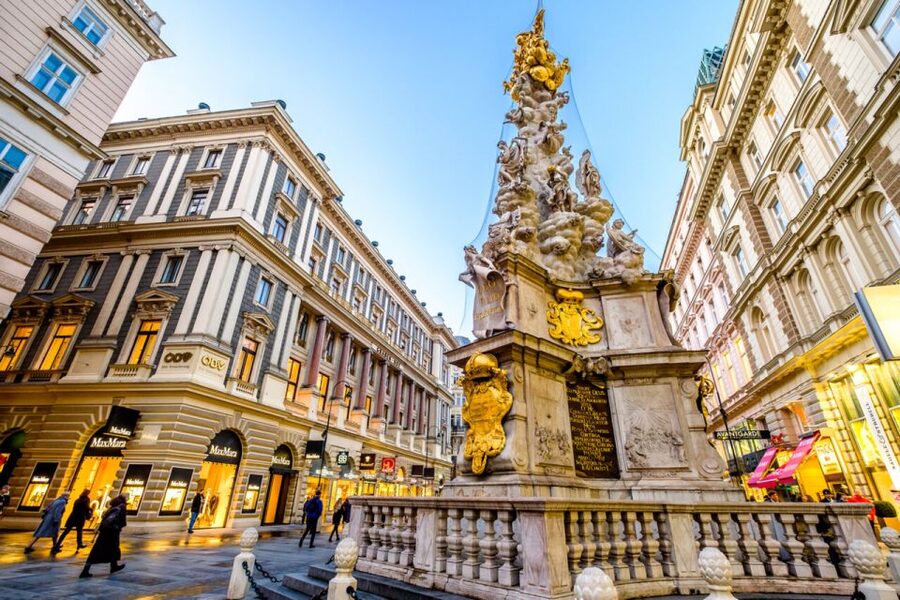
The Hofburg is the tour’s grandest historical stop. Built in the 13th century, it served as the residence of the Habsburg princes and grew over centuries into a large imperial complex. You see it from the outside as part of the guided route, rather than entering its museums or state rooms.
That distinction matters. If you want the apartments, museums, or formal interiors, you need a separate visit. This bike tour gives you the larger story: how the Habsburg dynasty shaped Vienna and why the Hofburg remains central to the city’s identity.
The guide’s commentary is the main reason this stop works. A palace can blur into another ornate building if you only hear dates. A good explanation gives the courtyards and façades a purpose. Anita, Karin, and Marcelo are among the guides praised for making the city’s history clear, lively, and easy to follow.
You also stop near the Spanish Riding School. This institution is associated with classical dressage and Vienna’s long court tradition. The visit here is a guided walk, not a performance or riding lesson. If seeing the famous Lipizzaner horses is a top priority, check the separate schedule for performances or training, since those are not included in this experience.
Kunsthistorisches Museum and the Vienna State Opera
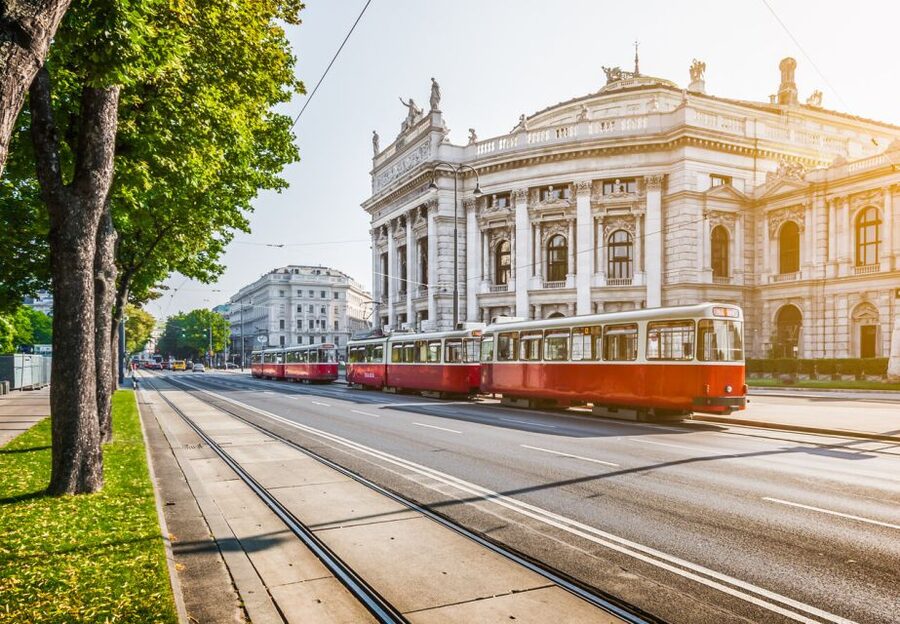
The Kunsthistorisches Museum and Vienna State Opera add art and music to the route. Both buildings help explain why Vienna became such an important cultural capital.
The museum is one of the city’s major landmarks, but this tour does not include museum admission. You will see it as part of the bike route and hear about its place among Vienna’s cultural institutions. That is helpful for planning. You can mark it for a longer visit later instead of trying to squeeze it into the three-hour ride.
The State Opera gives you another view of Vienna’s public culture. Like the museum, it is best understood here as an exterior sight with historical context. The tour does not promise an opera performance or interior visit.
I like this approach for a first look. You get a map in your head and a useful shortlist of places to revisit. The tradeoff is that the pace leaves little time for detailed architecture study. One rider specifically wished for more photo opportunities at major landmarks. If photography is your priority, keep your camera ready and do not expect long stops at every façade.
A few more rides around the world worth a look
- Small Group Guided Bike Tour of Amsterdam’s Hidden Gems
★ 5.0 · 3,936 reviews - Highlights & Hidden Spots of Barcelona Bike Tour w/ Local Guide
★ 4.5 · 3,009 reviews - Berlin: Sights and Highlights Bike Tour with a Local Guide
★ 4.8 · 2,698 reviews - Valencia: City Highlights Guided Bike Tour
★ 4.7 · 2,373 reviews
St. Stephen’s Cathedral and the old center
The stop at St. Stephen’s Cathedral changes the mood. The cathedral is one of Vienna’s most recognizable landmarks and a powerful symbol of the city. Here, you leave the bike for a walk, giving you a closer look at the central old town.
The guide connects St. Stephen’s with Viennese freedom and the city’s long political and religious story. You also pass the Sacher Café, known for its chocolate cake. The tour does not include cake, coffee, or snacks, but the café makes an obvious note for later.
This section is where the ride becomes more pedestrian. Streets around the cathedral can feel tighter and busier than the broad avenues near the civic buildings. The short walk gives you a break from cycling, but it also means the tour is not nonstop riding.
I would use this stop to listen for practical suggestions from the guide. Anita has been praised for offering useful recommendations beyond the tour, and guides such as Daniel have pointed riders toward places to eat and visit. That kind of local advice can be more useful than another list of famous names.
Heldenplatz and Vienna’s difficult 20th century
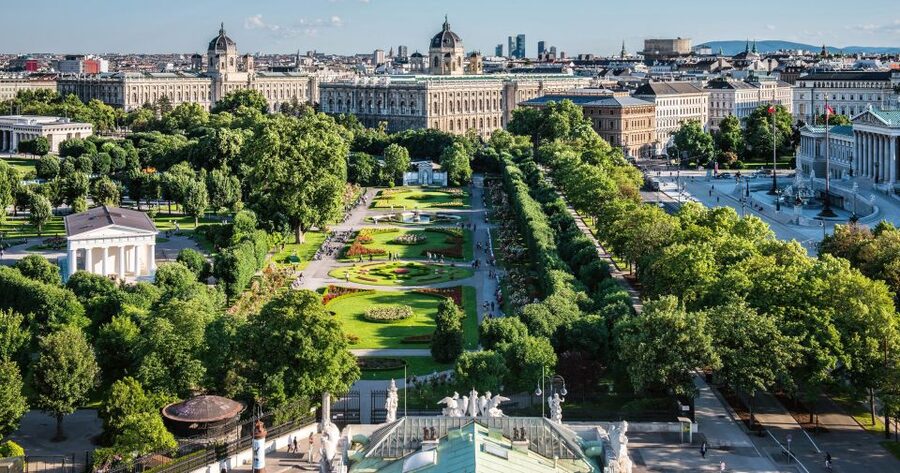
Heldenplatz is one of the most important stops because it carries both imperial pageantry and painful political memory. The open square sits beside the Hofburg and forms part of Vienna’s grand ceremonial center.
The guide discusses the speech Adolf Hitler gave there in 1938. That subject deserves care, and it is one reason a guided visit adds real value. You are not just looking at a handsome square. You are learning how the same setting can represent imperial power, public celebration, and the darker choices of the 20th century.
The tour also addresses Roman roots and Vienna’s involvement in the world wars. One particularly strong point from the guide feedback is attention to Jewish contributions to the city’s story. That wider view matters. Vienna’s past is not only Habsburg glamour, classical music, and elaborate buildings.
This is likely the most serious section of the tour. The overall experience is friendly and light in tone, but the historical subjects are not treated as decoration. If you want only architecture and café stops, this may feel more weighty than expected. I see that as a strength, provided you are ready to engage with the city’s difficult past.
The guides make the biggest difference
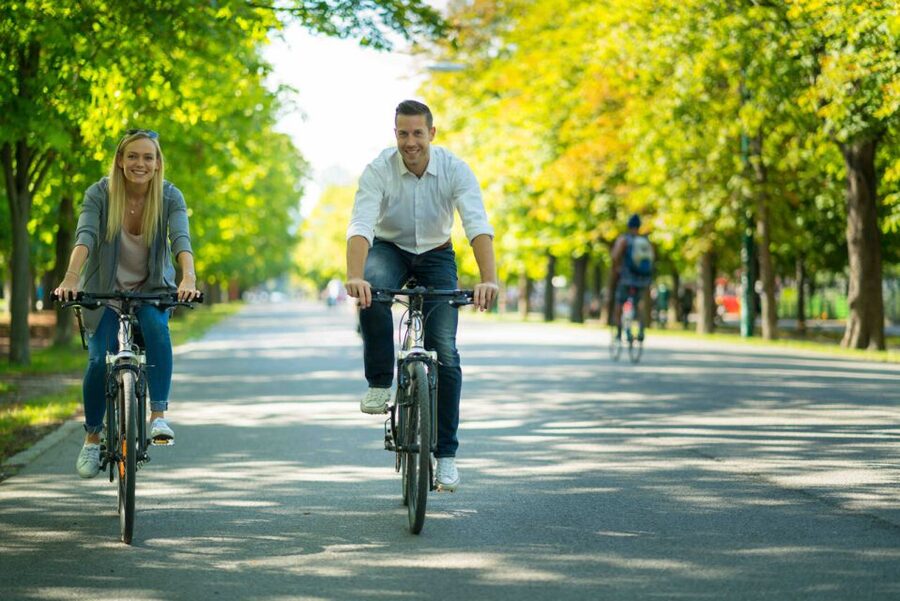
The route is fixed, but the guide shapes the experience. The strongest comments focus on clear storytelling, humor, enthusiasm, and the ability to keep a group together.
Anita is repeatedly praised for her command of Vienna’s past, friendly manner, and useful recommendations. Karin is described as warm and passionate about Austrian architecture and history. Marcelo receives praise for making important sites both informative and fun. Eddy is noted for his humor and for finding links between Vienna’s story and the backgrounds of people in the group.
Other named guides include Franz, Fritz, Hein, and Erin. The exact guide depends on the date and language, so you should not book on the assumption that one particular person will lead your ride. Still, the consistent praise for the guiding team is a strong point.
Group size may vary. One ride had 11 people and was considered a good size, while another had 15 and felt a little large for the route. A smaller group gives you more room to ask questions and makes it easier to hear the guide at stops. A private group is available if you want more control over pace and conversation.
One rider wanted more questions directed at the group, while others praised the guides for answering questions and checking that nobody was left behind. Your experience may depend partly on how active you are. Ask questions early, especially if you want food tips, museum advice, or more detail about a particular period.
Bike quality, pace, weather, and value
The $55 price is fair if you want a guided overview rather than simply renting a bicycle. You receive the bike, a three-hour route, and live historical commentary across many of central Vienna’s key sights. Buying a rental separately would not give you the route planning or the explanations that make the monuments meaningful.
The value drops if you already know the center well or mainly want interior visits. The tour does not include admissions, food, drinks, or performances. It is a moving orientation, not a substitute for the Hofburg museums, the Kunsthistorisches Museum, or the Spanish Riding School program.
Bicycle condition is the main practical question. Some riders described the bikes as vintage or tired, while another found them well maintained and easy to ride. That suggests a mixed fleet rather than a consistent problem, but I would inspect your bicycle before setting off and mention any concern immediately.
Weather also matters. The tour runs in rain and cold conditions, and riders have enjoyed it in freezing weather as well as on cool or sunny mornings. Vienna’s flat center helps, but you still need clothing suited to three hours outside. A Sunday may be a smart choice because one rider found the roads quieter, though the supplied details do not promise a particular traffic level.
The tour has a 4.6 rating from 496 ratings, which supports its reputation for strong guiding and a pleasant pace. Free cancellation is available up to 24 hours before the start, and you can reserve now and pay later. Children under eight are not suitable for this activity.
Who should book this Vienna bike tour?
I would choose it for a first visit, especially if you have only a few days in Vienna. It gives you a useful map of the center, introduces the major sights, and leaves you with ideas for later walks and museum visits.
It suits beginners and casual riders better than cyclists seeking speed or long-distance mileage. The route is described as comfortable and mostly flat, but city riding still requires attention, balance, and comfort around other traffic.
Families with children under eight should choose another activity. Older children may be suitable, but the available information does not give a minimum cycling ability or detailed child equipment, so ask before booking.
This tour is also a good match if you care about context. The guide discusses Roman origins, imperial rule, politics, Jewish life, the world wars, and the 1938 Nazi speech at Heldenplatz. You get more than a list of buildings.
Should you book it?
Book this tour if you want to cover Vienna’s central sights quickly, prefer stories to silent sightseeing, and like the idea of a relaxed ride rather than a strenuous cycling trip. The best reasons to go are the route, the historical range, and the consistently warm praise for guides such as Anita, Karin, Marcelo, and Eddy.
Think twice if you need pristine modern bicycles, long stops for photographs, or entry into every landmark. Ask about helmets and bike condition, bring water, and consider booking near the start of your Vienna stay. For $55, it is a solid way to get oriented, provided you treat it as an engaging city overview rather than a full visit to the palaces and museums.
FAQ
How long is the Vienna bike tour?
The tour lasts three hours, including cycling and short walking sections at sights such as St. Stephen’s Cathedral and the Spanish Riding School.
Where does the tour begin and end?
It begins and ends at Piaristengasse 56-58. Look for the My Vienna Tours flag at the meeting point.
What languages are available?
The live guide can lead the tour in English, German, or Dutch.
Are bicycles included?
Yes. The bicycle and tour guide are included in the price. Drinks and snacks are not included.
Is the tour suitable for young children?
Children under eight are not suitable for this activity.
Can I cancel or pay later?
You can cancel up to 24 hours before the tour for a full refund. You can also reserve your place and pay later.
Newly added rides around the world
- Half-Day Lanna Countryside Cycling Tour in Chiang Mai★ 4.5 · 24 reviews
- Full-day E-bike Countryside and Nam Phrae (flat-hilly, GUIDED)★ 5.0 · 11 reviews
- Full-Day Hike and Bike Tour from Chiang Mai★ 5.0 · 14 reviews
- Experience The Real Chiang Mai by Bike★ 4.5 · 36 reviews
- FIELDS OF GOLD Mountain Biking Tour Chiang Mai★ 5.0 · 18 reviews
- Half-Day Colors of Chiang Mai Biking Tour★ 5.0 · 105 reviews
- Chiang Mai City Culture Half-Day Cycling Tour★ 4.5 · 15 reviews
- Chiang Mai Night Bike Tour★ 5.0 · 69 reviews
Vienna Bike Tours, compared.
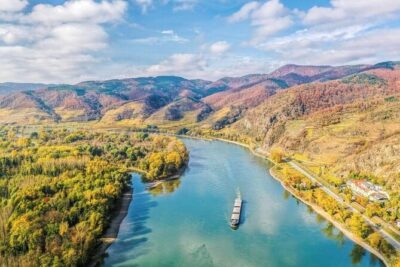
Wachau Valley Wine Tasting Bike Tour from Vienna
Read our review →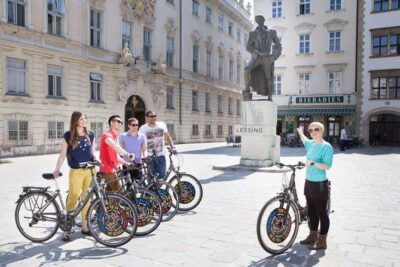
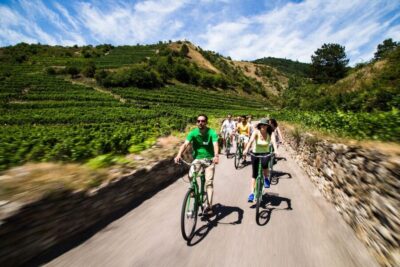
Grape Grazing: Wachau Valley Winery Biking Tour
Read our review →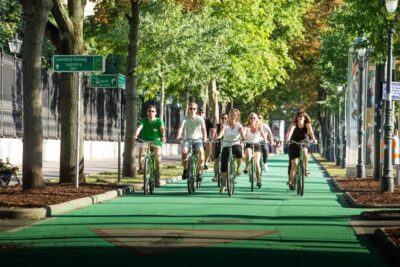
Vienna by Bike 3-Hour All-In-One City Bike Tour in English
Read our review →
Guided Tour by Kick Bike or E-Scooter with a Local
Read our review →Browse the lists this tour appears in