
REVIEW · MARRAKECH BIKE TOURS
Cycling Adventure in Marrakech
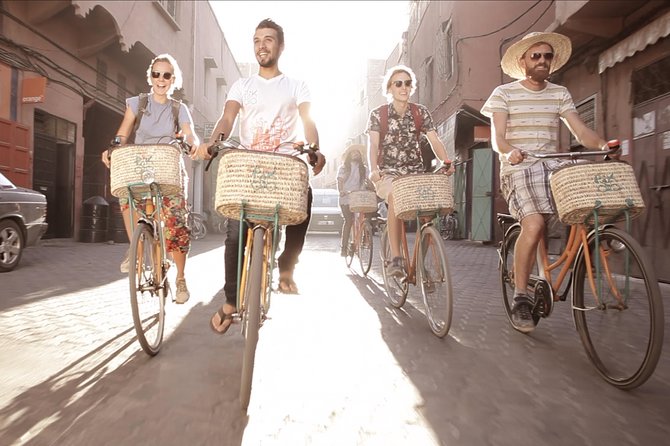
Marrakech looks different from a bicycle. Pikala Bikes takes you beyond the postcard sights, linking the Medina, Gueliz, Kasbah, Agdal gardens, and everyday neighborhoods in one lively three-hour ride. The tour is led by young Moroccan guides trained by the non-profit project, so you get more than directions and dates. You hear about family life, religion, modern Morocco, and growing up in the city.
I especially like the local stops, including a public bakery, traditional hammam, second-hand market, and neighborhood cafe. I also like the social purpose behind the ride: your booking supports a project that trains young Moroccan guides. The main caution is simple: cycling through Marrakech traffic and narrow Medina streets takes confidence, alertness, and a good deal of nerve.
The experience costs $33.28 per person, which is fair value for almost three hours, bicycle use, guiding, bottled water, juice, and sweets. It is not a gentle sightseeing ride, though. One bicycle may not suit every rider, and traffic can come from several directions, so I would not choose this tour if you are uneasy on a bike.
Key points to know before you book
- You ride through both old and new Marrakech: The route connects the historic Medina with Gueliz, giving you a useful look at the city’s contrasts.
- The everyday stops are the real attraction: A public bakery, hammam, market, cafe, and local workshops show how the city works away from the main monuments.
- Young Moroccan guides lead the ride: Guides such as Yasser, Hamit, Khawla, Zouhair, Mo, and Ahmed have been praised for warmth, clear explanations, and good group handling.
- Traffic is part of the experience: The route can feel chaotic, especially in the old city, and you need to stay alert at all times.
- Snacks are included: Expect bottled water, juice, sweets, and a cafe stop that may include bread or cookies and iced tea.
- You return to the starting point: Meet at 29 Rue Riad Laarous, with morning and afternoon departures available.
Why a bicycle works so well in Marrakech
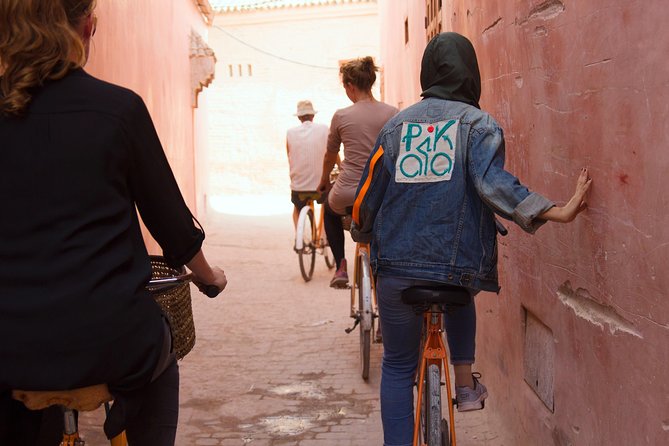
Marrakech can be tiring on foot. The Medina is a maze of lanes, while the newer parts of town spread out beyond the old walls. A bicycle lets you cover more ground without turning the day into a formal vehicle tour.
I like the way this ride moves between major sights and ordinary streets. You may pass the Koutoubia, Kasbah, and Agdal gardens, but the guide’s commentary also turns toward daily life. You learn how family shapes Moroccan society, how people deal with religion and modernisation, and what it was like for your guide to grow up in Morocco.
That personal angle gives the tour its character. The route is not simply a checklist of monuments. It is a moving conversation about how Marrakech works now.
The bicycle also changes your view of the city. You are close to shopfronts, side streets, tradespeople, and neighborhood traffic. You can stop for photos and ask questions without the barrier of a bus window. The trade-off is that you must share the road with scooters, cars, pedestrians, and animals. This is urban cycling, not a quiet ride through a park.
A few more rides around the world worth a look
- Lion City Bike Tour of Singapore
★ 5.0 · 6,211 reviews - Big Bike tour Amsterdam – See all in 3 unforgettable hours
★ 4.7 · 4,929 reviews - 3-Hour Porto Highlights on a Electric Bike Guided Tour
★ 5.0 · 4,392 reviews
Meeting at Rue Riad Laarous
The tour begins at 29 Rue Riad Laarous in Marrakech. Confirmation arrives when you book, and the meeting point is near public transportation. The activity ends back at the same place, which makes planning the rest of your day easier.
Pikala offers morning and afternoon departures. I would think about heat and traffic when choosing your time, though the supplied details do not give exact departure hours. The ride lasts about three hours, but one outing has run close to that full length while including plenty of stops.
The group can reach 20 people. That is small enough for a guide to keep an eye on the riders, but it is not a private tour. The guide may need to split or adjust the group when riding conditions or language needs make that sensible.
Arrive ready to ride rather than dressed for a formal city tour. The route includes stops, but you should still expect a sustained period on the bicycle. Most people can participate, yet basic comfort on a bicycle matters more here than athletic speed.
The Medina: thrilling, tight, and demanding
The historic Medina is where the ride becomes most exciting. Narrow lanes, sudden turns, pedestrians, scooters, and changing road surfaces create a moving puzzle. You need to look ahead, follow the guide closely, and avoid getting distracted by the color and noise around you.
This section is also why the ride feels so memorable. You are not viewing the old city from the edge. You are threading through it at street level, close enough to notice small shops, home entrances, workshops, and the rhythm of local errands.
The guides receive strong praise for managing this part of the route. Hamit has been described as friendly and patient, giving riders time to look and ask questions. Zouhair has also been praised for handling the group well and making quick adjustments when needed.
Still, I would take the warnings seriously. Several riders found the route challenging, and one reported that the bicycles were not always in ideal condition or perfectly suited to the rider. The traffic is not a minor detail. If you are a nervous cyclist, have poor balance, or rarely ride in city streets, this may not be the right introduction to Marrakech.
Koutoubia, Kasbah, and the city’s major sights
The tour passes some of Marrakech’s best-known landmarks, including the Koutoubia, Kasbah, and Agdal gardens. These stops give you a framework for the city before the ride moves into less familiar areas.
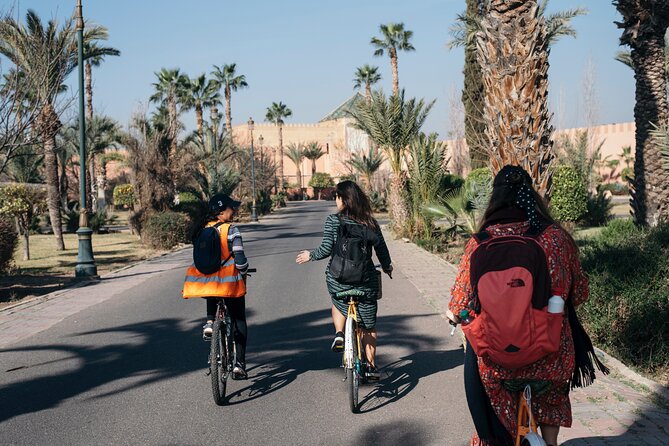
The Koutoubia helps orient you in relation to the Medina. The Kasbah brings you into one of the city’s historic quarters, while the Agdal gardens show a different side of Marrakech, with space and greenery replacing the tight lanes of the old center.
The ride may also include the area around the royal palace gardens, and some outings have included a mosque and demonstrations connected with zellij tile work. Exact stops can vary, so I would treat the route as a guided introduction rather than a fixed list of formal admissions.
The value here is not a long visit inside each monument. You are seeing how these landmarks connect to working neighborhoods and modern streets. If you want detailed architectural study, you will need separate visits. If you want a quick sense of the city’s shape, the bicycle route does that well.
Same handlebars, a completely different route:
- Small Group Guided Bike Tour of Amsterdam’s Hidden Gems
★ 5.0 · 3,936 reviews - 3-hour Complete Prague Bike Tour
★ 5.0 · 3,674 reviews - Bangkok: Temples, Canals & Local Life Bike Tour
★ 4.9 · 3,511 reviews - Lisbon: Hills, Alfama, and Mouraria Tour by Electric Bike
★ 4.8 · 3,438 reviews
Gueliz and the contrast with old Marrakech
One of the best parts of the route is the shift from the Medina to Gueliz, the newer town. The change can feel sudden. Narrow lanes give way to broader streets and an easier ride, and the atmosphere becomes more open.
I like this contrast because it prevents a narrow view of Marrakech. The old city is often what people picture first, but Gueliz shows how the city has expanded and changed. Riding between the two helps you understand that Marrakech is not only a preserved historic center.
The easier streets in Gueliz can also provide a welcome pause after the Medina. Several riders found this section more comfortable and enjoyable. It gives you room to settle back into the bicycle, listen to the guide, and take in the city without watching every moving object quite so closely.
The public bakery and traditional hammam
The local bakery is a small but useful stop. Instead of looking at a grand attraction, you see a service used by ordinary people. This kind of visit explains more about daily routines than another photo stop at a famous wall.
The traditional hammam offers a similar window into local life. A hammam is an old-style public bathhouse, and its role connects to cleanliness, custom, and social life. The visit is brief, but it gives the guide a chance to explain a familiar Moroccan institution in plain terms.
Some outings have also included tile-making or zellij work. If that stop is part of your route, it adds another practical look at a local craft. You are seeing work being done, not just finished objects displayed for sale.
These stops are valuable because they make the ride feel social rather than purely scenic. They also require an open mind. You are visiting places that serve local needs, so listen carefully to the guide and follow instructions about where to stand and what you may photograph.
The market, cafe, and included snacks
The route includes a large second-hand market, another place where Marrakech feels like a working city rather than a museum. Markets can be crowded and visually overwhelming, but the guide helps explain what you are seeing and why the area matters.
Food and drink keep the pace friendly. Bottled water is included, along with juice and sweets. A stop at the cross-cultural Cafe Clock may include bread, cookies, iced tea, and time to relax or play cards.
I see this pause as more than a snack break. It gives the group a chance to compare impressions, ask the guide questions, and recover from the most demanding cycling. One guide, Mo, was praised for making this stop especially enjoyable.
Do not expect a full meal. Eat beforehand if you need substantial food, particularly if you choose a hot departure. The included refreshments add value, but they are part of the social rhythm of the tour, not a replacement for lunch.
Finishing at a saint’s tomb
The tour finishes with a visit to the tomb of one of Marrakech’s seven saints. This adds a religious and cultural note that most standard city rides would skip.
The stop is also a chance to return to the themes raised earlier in the ride: faith, social customs, and the place of religion in modern Moroccan life. Your guide can provide context, but this is a setting where respectful behavior matters. Dress and conduct should suit a religious site, and you should follow the guide’s directions.
Ending there gives the route a sense of purpose. You have seen famous landmarks, working neighborhoods, local trades, and places tied to religious life. The tour closes by connecting those parts of the city rather than treating them as separate attractions.
The guides make the difference
The strongest part of the experience is the guiding. Pikala trains young Moroccan guides, and the best guides turn the ride into a personal exchange.
Yasser has been praised for explaining local life clearly. Hamit has been noted for giving people time to look and ask questions. Khawla has made a strong impression with stories from her childhood and a warm, thoughtful manner. Zouhair has been praised for fluent English, quick decisions, and strong cycling skills, while Mo has added humor and energy to the cafe stop.
Guide quality can vary from one departure to another, as it does on any group activity. Still, the project’s local focus gives the commentary a useful perspective. You are not only hearing dates and labels. You are hearing how family, religion, work, and city change look from a young Moroccan point of view.
That is the reason I would choose this tour over a standard bicycle loop. The landmarks are helpful, but the human conversation is what makes the ride stick.
Is $33.28 good value?
At $33.28 per person, the tour offers solid value. You get about three hours, a bicycle, a local guide, multiple stops, bottled water, juice, sweets, and access to a non-profit project that trains young Moroccan staff.
The cost looks even better if you value experiences that support local work rather than only sightseeing businesses. You are also covering a wide area of Marrakech in one outing, from the Medina to Gueliz and beyond.
The main question is not the price. It is your comfort on a bicycle. If you need a very polished bicycle, a quiet route, or a slow pace, the value may feel lower. If you want local contact, broad city coverage, and an active way to see ordinary neighborhoods, the price is reasonable.
Free cancellation is available up to 24 hours before the start time. Changes or cancellations made less than 24 hours ahead are not accepted for a refund.
Who should book this ride?
I would recommend Pikala Bikes to confident cyclists who want more than Marrakech’s headline sights. It suits people who enjoy local food stops, informal conversation, social projects, and the occasional surprise around the next corner.
It is also a good choice if you have already walked through the Medina. The bicycle route reaches areas you may not cover on foot and shows the connection between the old and newer parts of the city.
I would hesitate to book it for young children, very inexperienced cyclists, or anyone worried about chaotic traffic. The supplied information says most people can participate, but that does not remove the need for cycling ability. The ride is fun partly because it feels real, and real Marrakech streets are not always calm.
With a 4.9 rating from 289 reviews and a 98 percent recommendation rate, the overall record is strong. The praise centers on the guides, local insight, unusual stops, and sense of adventure. The repeated caution centers on traffic and bicycle fit. Both points deserve equal attention.
Final verdict
Book this tour if you want to see Marrakech as a living city, not just a collection of monuments. The Koutoubia and Kasbah provide the familiar sights, but the bakery, hammam, market, cafe, workshop, and saint’s tomb give the ride its real character.
I would choose a morning or cooler-season departure if you are concerned about heat or traffic, though exact conditions depend on your date. Bring alertness, patience, and a willingness to ride in close quarters. In return, you get a memorable three hours, helpful local voices, and a practical look at Marrakech that is hard to gain from a taxi or walking tour alone.
FAQ
Where does the cycling tour begin?
The tour begins at 29 Rue Riad Laarous, Marrakesh 40000, Morocco.
Where does the tour finish?
The activity ends back at the meeting point on Rue Riad Laarous.
How long does the experience last?
The tour lasts approximately three hours.
How much does the tour cost?
The listed price is $33.28 per person.
Are morning and afternoon departures available?
Yes. You can choose between a morning or afternoon departure.
What parts of Marrakech does the route visit?
The route includes the historic Medina and the newer Gueliz district. It also passes the Koutoubia, Kasbah, and Agdal gardens.
What local places can I visit during the ride?
Stops can include a public bakery, traditional hammam, large second-hand market, cafe, and the tomb of one of Marrakech’s seven saints. Some outings have also included a mosque and zellij tile work.
Are food and drinks included?
Yes. Bottled water, juice, sweets, and snacks such as bread, cookies, or iced tea are included along the route.
How many people can join the tour?
The maximum group size is 20 people.
Can I cancel for a refund?
Yes. You can cancel at least 24 hours before the local start time for a full refund. Cancellations or changes made less than 24 hours before the start time are not accepted for a refund.
Newly added rides around the world
- Half-Day Lanna Countryside Cycling Tour in Chiang Mai★ 4.5 · 24 reviews
- Full-day E-bike Countryside and Nam Phrae (flat-hilly, GUIDED)★ 5.0 · 11 reviews
- Full-Day Hike and Bike Tour from Chiang Mai★ 5.0 · 14 reviews
- Experience The Real Chiang Mai by Bike★ 4.5 · 36 reviews
- FIELDS OF GOLD Mountain Biking Tour Chiang Mai★ 5.0 · 18 reviews
- Half-Day Colors of Chiang Mai Biking Tour★ 5.0 · 105 reviews
- Chiang Mai City Culture Half-Day Cycling Tour★ 4.5 · 15 reviews
- Chiang Mai Night Bike Tour★ 5.0 · 69 reviews
Marrakech Bike Tours, compared.
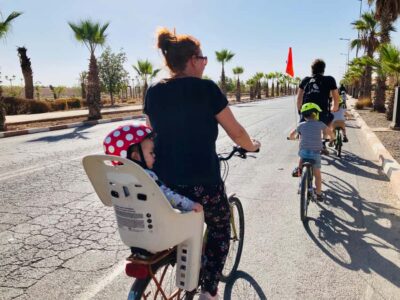
Guided City Cycling Tour – Culture, Colors & Charm
Read our review →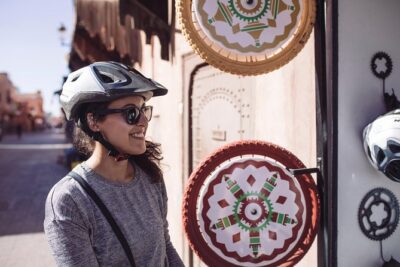
Marrakech’s Best Cycling Tour: Culture, Colors, and Charm
Read our review →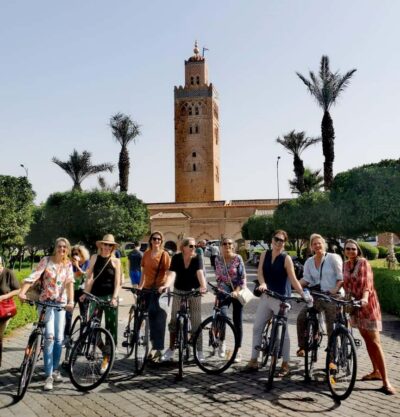
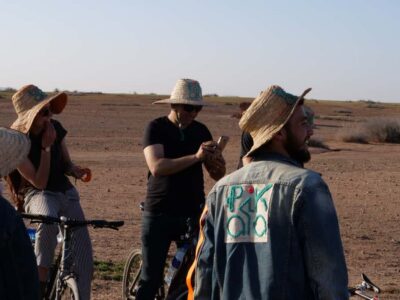
Cycling Tour in Palm Groove with Local Breakfast
Read our review →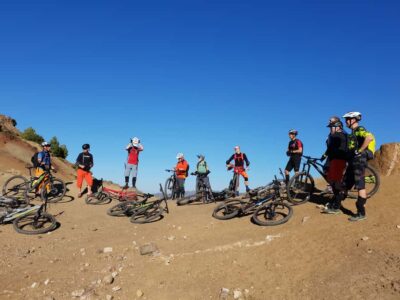
Marrakesh: Toubkal National Park Mountain Bike Trip w/Lunch
Read our review →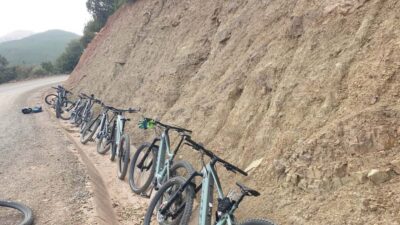
Browse the lists this tour appears in