
REVIEW · KYOTO BIKE TOURS
Afternoon Kyoto Bike Tour: Bamboo Forest, Monkeys & Hidden Spots
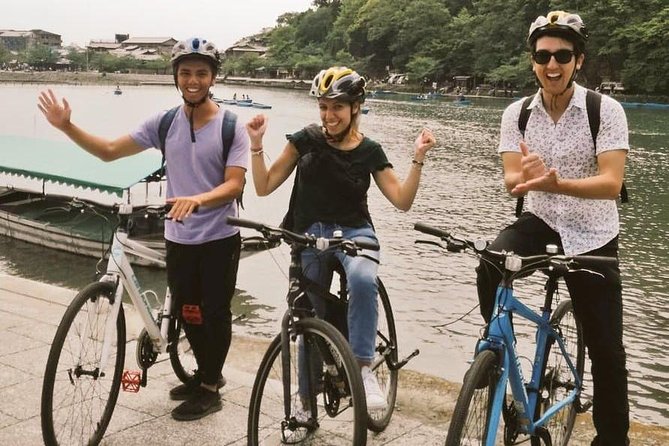
Kyoto looks better on two wheels. This four-hour afternoon ride links Arashiyama’s famous bamboo, Iwatayama Monkey Park, Tenryu-ji Temple, and Togetsukyo Bridge without making you walk between every sight. I especially like the small group limit of eight and the chance to see quieter shrines, local streets, and countryside between the major stops. The bikes, helmets, water, and admission fees are included, which makes the $106.12 price easier to understand.
The main caution is the climb to Monkey Park. The route by bike is mostly easy, but the pleasant-sounding 20-minute walk up Iwata Mountain is a real uphill effort. Standard Cannondale city bikes are supplied, not e-bikes, so ask about an e-bike in advance if hills, heat, or long rides give you trouble.
Five things to know before you book
- The monkey park requires an uphill walk: Plan on about 20 minutes to reach the viewing area, followed by wide views over Kyoto.
- The ride begins at 1:00 pm: Meet at Saga-Arashiyama Station and return there after roughly four hours.
- You cover more ground than on foot: The bikes connect bamboo lanes, temple grounds, residential streets, and bridge views at a comfortable pace.
- The tour uses regular city bikes: E-bikes and youth bikes may be available for an extra fee by request.
- The group stays small: A maximum of eight people gives the guide room to answer questions and adjust the pace.
- The tour depends on good weather: Poor weather or too few bookings can lead to a new date or a full refund.
Why cycling works so well in Arashiyama
Arashiyama is compact on a map but tiring on foot. Its best-known sights are spread around a mix of temple lanes, riverfront roads, residential neighborhoods, and green edges. Walking between them can eat up much of an afternoon, especially when crowds slow you down.
A bicycle gives you a better rhythm. You can pause at a shrine, roll through a quiet lane, and reach the next major stop before your legs complain. Several people who took the ride found the bikes comfortable and well maintained, and one particularly useful detail is that the route is mostly flat, with only a few light inclines.
That does not mean the day is effortless. The Monkey Park walk is separate from the cycling and is the most demanding part. You should also expect to share some popular areas with other visitors, especially around the bamboo and bridge.
The guide makes a major difference. Guides named Yuki, Rob, Peter, and Ray have led this experience, and the strongest praise centers on their English, local knowledge, humor, safety awareness, and ability to explain customs without turning the afternoon into a lecture. Ray, who has lived in Japan for more than 20 years, has been especially valued for connecting local life with Japanese culture.
More Nature Bike Tours in Japan
- Arashiyama Bamboo Forest & Hidden Gems Bike Tour (Early Bird)
★ 5.0 · 613 reviews - Arashiyama Bamboo Forest E-Biking Tour
★ 5.0 · 183 reviews - Kyoto: Arashiyama Bamboo Forest Morning Tour by Bike
★ 5.0 · 115 reviews
Starting at Saga-Arashiyama Station at 1:00 pm
The meeting point is Saga-Arashiyama Station, at 11-1 Sagatenryuji Kurumamichicho in Ukyo Ward. You do not get hotel pickup, so allow time to reach the station under your own power.
The tour starts in the afternoon, a useful schedule if you want a slow morning or plan to visit another Kyoto sight first. It also gives you a chance to eat lunch before the ride. The exact flow may vary slightly, but the listed stops take about three hours, leaving time for cycling, explanations, bike fitting, photographs, and movement between sites.
The tour includes a bilingual English-speaking guide, bicycle, helmet, bottled water, and entrance fees. That matters because temple admissions and equipment costs can add up quickly when you arrange a similar outing yourself.
The group can include up to eight people. That is large enough to feel social but small enough for the guide to keep an eye on the group. Families have used the tour successfully, including groups with children and teenagers, though every rider should be comfortable on a city bike.
Iwatayama Monkey Park and the uphill reward
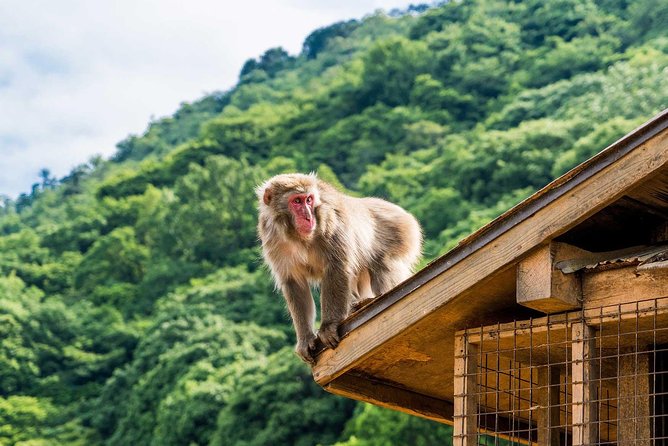
The first major stop is Iwatayama Monkey Park. From the lower entrance, you walk for about 20 minutes to reach the park. The path climbs Iwata Mountain, so call it a hike rather than a stroll.
At the top, Japanese macaques roam freely. The viewing experience is not a zoo visit with animals behind glass. You may see monkeys moving around the park while you take in broad views of Kyoto City. The combination of wildlife and height makes this the tour’s most unusual stop.
The hike has a clear tradeoff. If you are fit enough for moderate activity, the climb is rewarding. If you have knee trouble, limited mobility, or simply dislike uphill walking, this part may feel more serious than the tour title suggests. Wear shoes with a secure grip and bring water, even though a bottle is provided.
The park takes about 1 hour and 15 minutes in the schedule. That includes the walk, time at the top, monkey viewing, and the return to the bikes. Give yourself room to watch patiently. The monkeys are free-roaming animals, so their movements and visibility will vary.
Your guide can also help you understand how to behave around them. Follow instructions closely, keep a respectful distance, and avoid treating the park like a petting area.
Bamboo Forest Street without wasting the afternoon
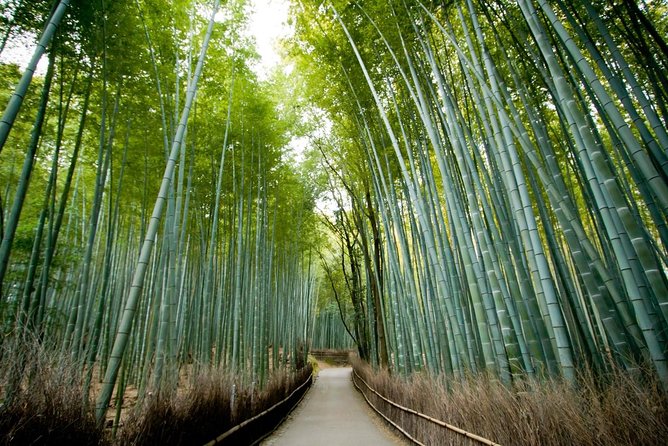
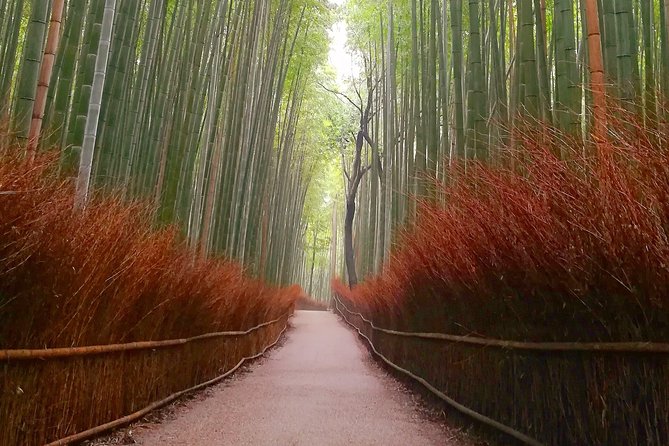
From the monkey park, the bike makes it easier to reach Bamboo Forest Street. The listed visit lasts about 25 minutes, which sounds brief, but it is enough for a focused look at one of Kyoto’s best-known scenes.
The bamboo rises high above the path, creating a cool, green corridor and a distinctive natural sound. The rustle of the stalks is one reason this spot is so memorable. It is also one of the most photographed places in Arashiyama, so do not expect solitude.
A guide helps here by moving you through the area efficiently and pointing out photo opportunities. Some riders have also valued guides who knew how to find less crowded angles. Still, your time in the bamboo will be limited, and the path can be busy. If you want a long, quiet photo session, this tour may feel rushed.
The benefit is that you get the bamboo as one part of a much broader afternoon. You are not spending the entire experience standing in one famous lane.
More Nature Bike Tours in Kyoto:
- Kyoto: Afternoon Bamboo Forest and Monkey Park Bike Tour
★ 4.9 · 83 reviews - NYC: Central Park Bike Rentals
★ 4.2 · 2,528 reviews - NYC: Central Park Bike Rental
★ 4.1 · 1,651 reviews - Central Park Bike Rental
★ 4.7 · 1,509 reviews
Tenryu-ji’s Sogenchi Garden
Next comes Tenryu-ji Temple and its Sogenchi Garden, one of the most beautiful garden settings in Kyoto. The visit lasts about 25 minutes and includes admission.
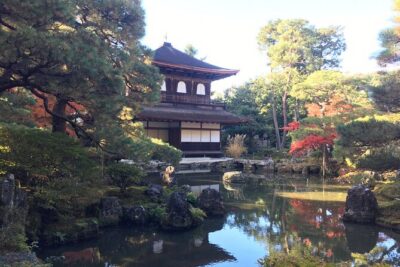
This is where the tour slows down. After the monkey hike and bike ride, the garden offers a calmer change of pace. You can look across the pond, study the arrangement of rocks and plants, and see how the temple grounds frame the surrounding hills.
The value of having a guide here is cultural context. A good guide can explain customs, temple etiquette, and details that are easy to miss if you simply walk through with a camera. Yuki, Rob, Peter, and Ray have all been praised for making history and Japanese traditions understandable and enjoyable.
Twenty-five minutes is not enough for every corner of Tenryu-ji. If you want a long temple visit, return on another day. For a first look as part of a wider Arashiyama route, the stop is well judged.
Togetsukyo Bridge and Arashiyama’s best view
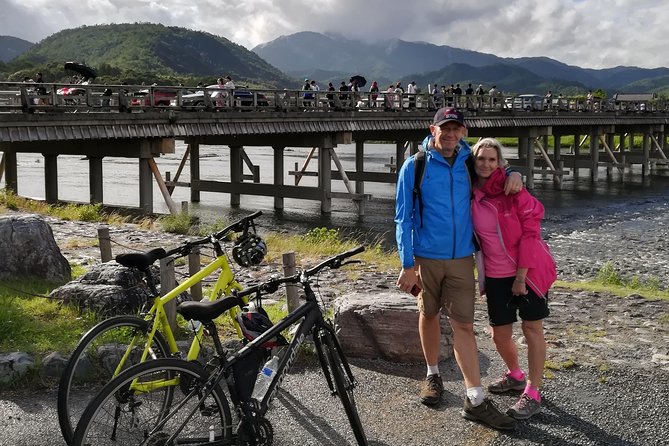
The final listed stop is Togetsukyo Bridge, with about 10 minutes to pause and admire the view. The bridge crosses the Katsura River and gives you one of the clearest pictures of Arashiyama’s setting.
Ten minutes is short, but it works as a photo stop and closing scene. You get the river, surrounding hills, and one of the area’s most recognizable structures in a single view.
The bridge area can be busy, especially at popular times. A bicycle helps you reach it without another long walk, but it does not remove the crowds. Keep your expectations realistic: this is a brief look, not a leisurely riverside afternoon.
After the bridge, you return to the original meeting point. That makes the tour practical if you need to catch a train or continue elsewhere in Kyoto.
The guides are part of the value
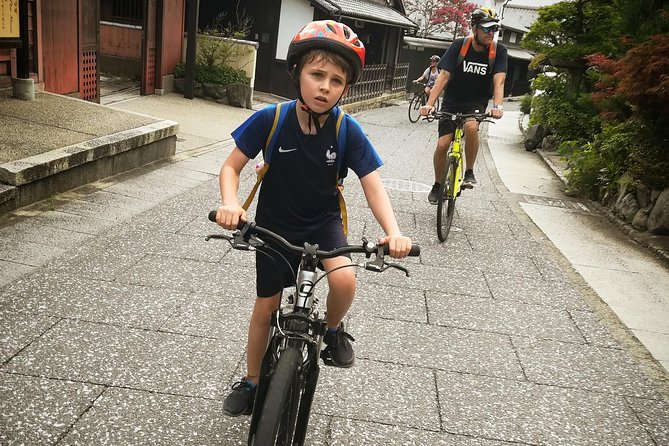
The route is attractive, but the guide is what turns it from a bike rental into a useful introduction to Arashiyama. Yuki has been praised for clear English, warmth, and strong knowledge of Japanese customs and history. Rob has earned praise for working well with adults and children while keeping the group safe.
Peter is known for combining cultural explanations with a relaxed manner. Ray brings long experience living in Japan and has been appreciated for local insight, thoughtful help, and personal recommendations. One rider even received help with an extra jacket when the weather turned cold.
You should not book this expecting a scripted lecture. The best parts seem to come from conversation: asking why a custom exists, learning how a neighborhood fits into Kyoto, or getting advice about souvenirs and local areas.
The guide may also take photographs for the group. That is a welcome touch when you want proof that you were there but do not want to spend the entire afternoon holding your phone.
Is $106.12 a fair price?
At $106.12 per person, this is not the cheapest way to see Arashiyama. You can rent a bicycle independently for less, and many temples and public areas can be visited without a tour guide.
The price becomes more reasonable when you count what is included: a standard bicycle, helmet, bottled water, admission fees, a bilingual guide, and a route that joins several sights in four hours. You are also paying for navigation, pacing, local explanations, and the chance to avoid losing time between stops.
The small group limit adds value. With no more than eight people, the guide can respond to questions and help riders who need a slower pace. The experience is strongest for people who want structure and context, not for confident cyclists who enjoy planning every turn alone.
An e-bike costs extra, so factor that into your budget if you need assistance on inclines. The regular bikes are described as comfortable and easy to ride, but they are still standard city bikes.
Who should book this afternoon ride?
I would choose this tour if you want to see several Arashiyama highlights without spending the whole day walking. It fits first-time Kyoto visitors, families with older children, couples, and solo visitors who prefer a small group.
It is also a good choice if Japanese history and daily customs interest you. The cultural explanations are a central part of the experience, not a bit of decoration added between photo stops.
You should think twice if you want a slow, private temple visit, dislike riding in shared streets, or cannot manage the Monkey Park climb. The afternoon includes popular sights, so peace and quiet are not guaranteed.
Hot and humid weather can make the ride harder. One rider described enjoying the experience even in intense July humidity, but that does not mean you should ignore the forecast. Wear light clothing, bring sun protection, and use the provided water.
The cancellation policy is friendly: cancel at least 24 hours before the start for a full refund. If poor weather cancels the ride, you can receive another date or a full refund. The same applies if the minimum group size is not met.
Should you book the Kyoto bike tour?
Book it if you want an active, well-organized afternoon that combines monkeys, bamboo, temple gardens, and river views. The best reasons are the small group, strong guide support, included admissions, and the simple pleasure of passing between sights by bike.
I would not book it solely for a quiet bamboo forest visit. The bamboo and Togetsukyo Bridge are popular, and the Monkey Park hike requires real effort. But if you can handle the climb and enjoy learning as you go, this is a practical way to see more of Arashiyama in four hours than you likely would on foot.
FAQ
Where does the Kyoto bike tour start?
The tour starts at Saga-Arashiyama Station, located at 11-1 Sagatenryuji Kurumamichicho in Kyoto’s Ukyo Ward.
What time does the tour begin?
The scheduled start time is 1:00 pm.
How long does the experience last?
The tour lasts approximately four hours and ends back at the original meeting point.
What sights are included?
The route includes Iwatayama Monkey Park, Bamboo Forest Street, Tenryu-ji Temple’s Sogenchi Garden, and Togetsukyo Bridge.
Is the Monkey Park walk difficult?
The walk to Monkey Park takes about 20 minutes uphill to the top of Iwata Mountain. A moderate level of physical fitness is recommended.
Are bicycle and helmet rental included?
Yes. A bicycle and helmet are included, along with bottled water and admission fees.
Are e-bikes available?
E-bikes and youth bikes may be available upon request. An additional fee may apply.
How many people can join the tour?
The tour has a maximum group size of eight people.
What happens if the weather is poor?
If poor weather causes cancellation, you will be offered another date or a full refund. You can also receive a full refund if you cancel at least 24 hours before the start time.
Newly added rides around Kyoto
- Kyoto: City Secrets eBike Tour★ 4.9 · 196 reviews
- Best of Kyoto: Ginkakuji & Path of Philosophy E-Bike Tour★ 4.9 · 79 reviews
- Kyoto: Tailored E-Bike Tour to Highlights & Hidden Gems★ 4.9 · 32 reviews
- Kyoto: Hidden Gems E-Bike Tour with Local Japanese Guide★ 4.9 · 189 reviews
- Kyoto: Half-day Guided Bike Tour with Fushimi Inari★ 4.9 · 21 reviews
- Kyoto: Hidden Gems E-Bike Tour Through Backstreets & Temples★ 4.9 · 54 reviews
- Kyoto: Early Bird E-Bike Tour with Lunch★ 5.0 · 14 reviews
- Kyoto: Full-Day City Highlights Bike Tour with Light Lunch★ 5.0 · 52 reviews
Kyoto Bike Tours, compared.
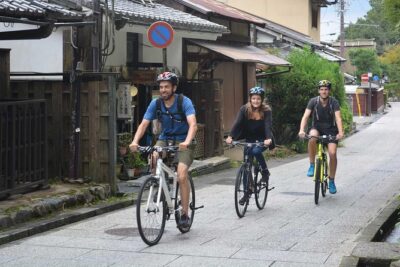
Arashiyama Bamboo Forest & Hidden Gems Bike Tour (Early Bird)
Read our review →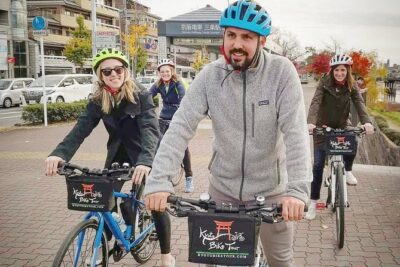
5 Top Highlights of Kyoto Full Day Bike Tour (E-bike option)
Read our review →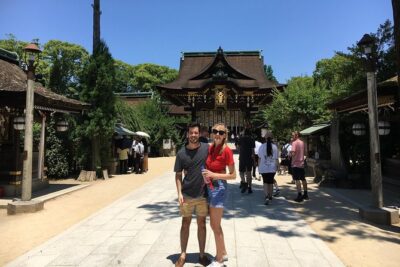
Full Day Biking Tour Exploring the Best of Kyoto
Read our review →
Browse the lists this tour appears in