
REVIEW · KYOTO BIKE TOURS
Kyoto: Hidden Gems E-Bike Tour with Local Japanese Guide
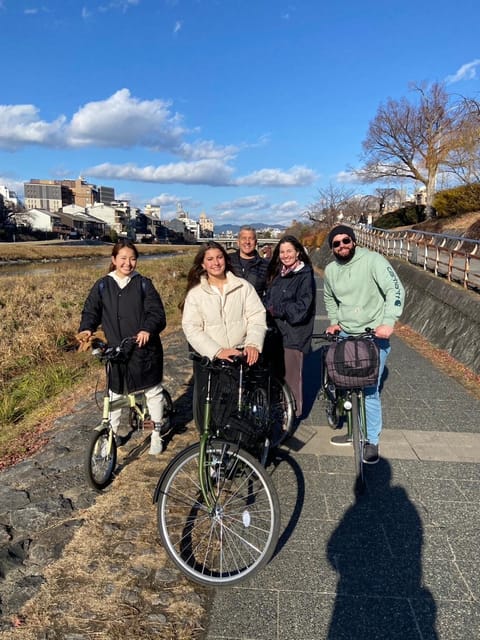
Kyoto looks better from two wheels. This small-group e-bike tour trades packed buses for riverside paths, quiet streets, and several of northeast Kyoto’s finest sights. I especially like the easy pace and the chance to talk with a Japanese guide such as Aska, Tai, Natsuki, or Tatsuya. The route also gives you useful local advice about food, shopping, and other places to visit.
The main consideration is that this is still city cycling. You need to ride confidently around pedestrians, moderate traffic, and occasional crowds near popular sights. I also like that the tour avoids Kyoto’s busiest areas, but the famous stops are not always empty, especially during autumn leaf season or on Saturdays.
Key Points at a Glance
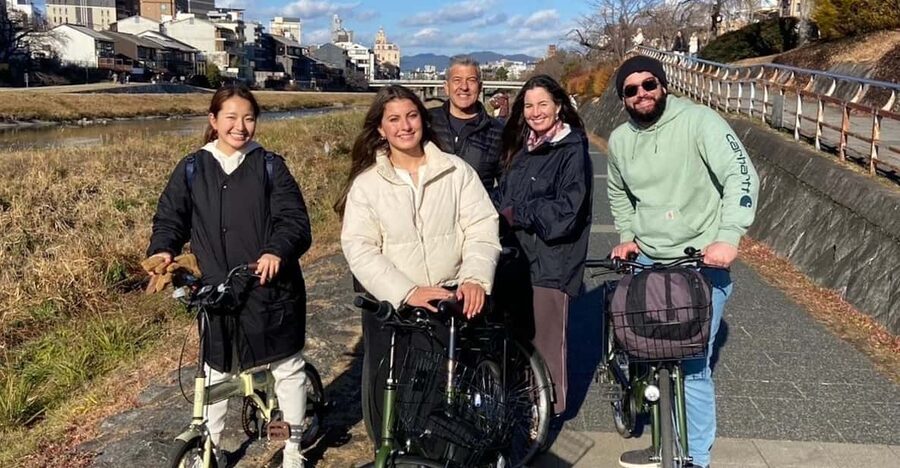
- Ride beside the Kamogawa River: The route includes a peaceful riverside stretch and the fun of crossing the river on stepping stones.
- Visit four Kyoto landmarks: The tour goes to Ginkaku-ji, Philosopher’s Path, Nanzen-ji, and Heian Jingu.
- Enjoy a genuinely small group: Numbers are limited to eight, and some departures have only a handful of riders.
- Get help on the hills: The electric bikes make longer distances and gentle climbs much easier than ordinary bicycles.
- Meet an internationally minded guide: Aska has lived in North Carolina and London, while other guides have also spent time abroad and speak English well.
- Keep your afternoon flexible: The ride lasts about three to three and a half hours and ends back at the rental shop, where continued bike rental may be arranged.
Why an E-Bike Makes Sense in Kyoto
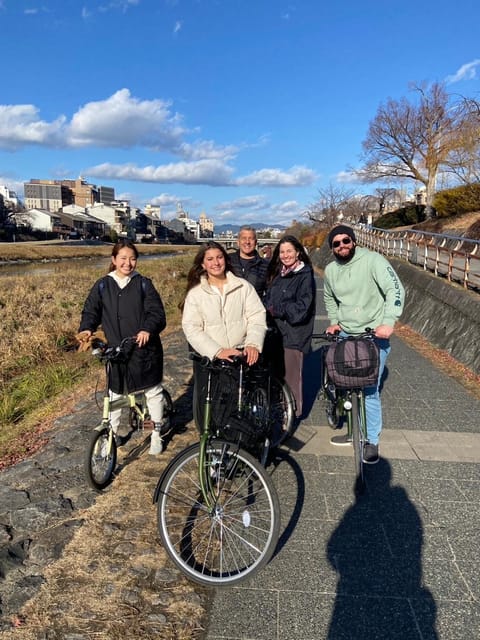
Kyoto’s sights are spread across a broad city. You can walk between some temples, but linking several northern Higashiyama stops on foot can mean many miles and a tired afternoon. Buses are useful, yet they can be slow when streets fill with traffic.
An electric bike gives you a practical middle ground. You still pedal, but the motor supplies enough help that hills and longer stretches feel manageable. One rider described needing to pedal only gently, and that is the important point for visitors who are moderately fit rather than serious cyclists.
I like the balance here. You cover far more ground than you would on foot, but you still notice neighborhood streets, riverbanks, canals, and ordinary Kyoto scenes that disappear behind a bus window. The bike is transportation, not just a novelty.
The bikes have generally been comfortable and in good working order, though they are rental bikes rather than showroom models. One useful tip from the experience is to allow a few minutes at the start for seat and handlebar adjustments. Make sure you are comfortable before the group leaves.
More E-Bike Tours in Japan
- Hidden Kyoto E-Biking tour
★ 5.0 · 1,843 reviews - 5 Top Highlights of Kyoto Full Day Bike Tour (E-bike option)
★ 5.0 · 511 reviews - Kyoto: Memory Kyoto E-Bike Tour
★ 4.8 · 297 reviews
Meeting Near Gojo and Getting Underway
You meet at a rental cycling shop in the Gojo area. From Kyoto Station, the meeting point is about six minutes by train or roughly 20 minutes on foot. Hotel pickup is not included, so plan your own route and arrive in comfortable clothing and shoes.
The tour includes the electric bike, helmet, guide, parking fees, and an entrance ticket. Water and food are not included, and you should not bring a large suitcase, oversized luggage, or a big bag. A small day bag is the sensible choice.
The group is limited to eight people, which matters on city streets. A guide can keep a small group together more easily and adjust the pace when someone needs a breather or extra time at a temple. Some departures have been especially small, even with just one participant, while others have had around five or six riders.
Your guide may be Aska, who created the tour, or another Japanese guide such as Tai, Natsuki, or Tatsuya. Aska’s time studying in North Carolina and London gives her a useful bridge between Japanese customs and the questions international visitors tend to ask. The other guides are described as friendly young locals with experience abroad. That makes conversation a central part of the outing, not an afterthought.
Along the Kamogawa River
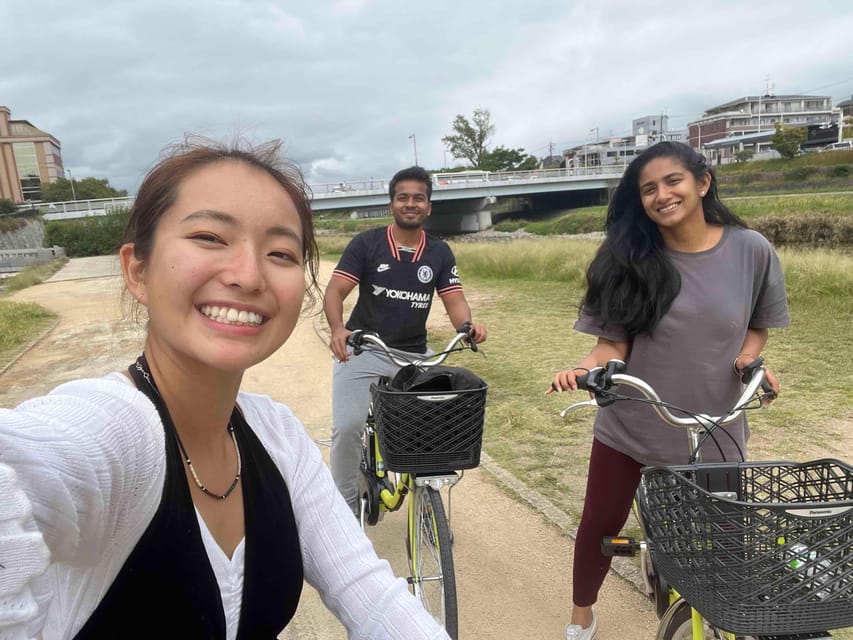
The first major stretch takes you toward Ginkaku-ji beside the Kamogawa River. This is one of the most appealing parts of the ride because the setting changes quickly from city streets to open water, trees, and broad views.
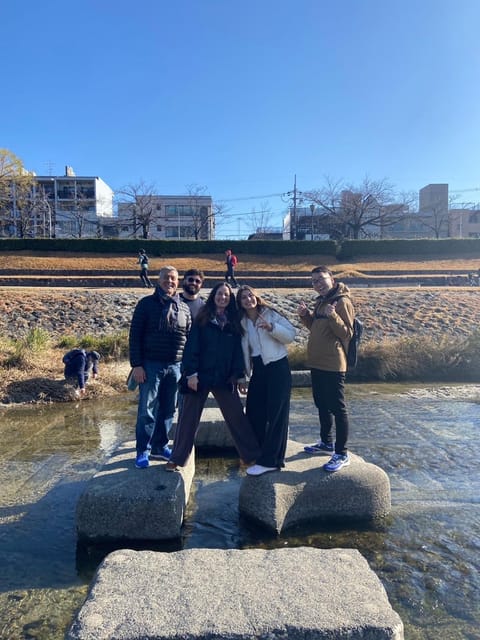
You may also get to hop across the river on its stepping stones. It is a simple, playful stop, but it gives the tour a local, relaxed feel. You are not being hurried from one ticket gate to another.
The river route also shows why a bike works so well in Kyoto. You can move at a calm pace while taking in the city, then rejoin the streets when needed. Several riders particularly enjoyed the riverside and canal sections, calling them peaceful and scenic.
Keep your attention on the path and people around you. The route includes quiet stretches, but it is not a private cycle trail from start to finish. You may encounter pedestrians, other cyclists, and traffic. If you wobble on a bicycle or feel nervous riding near people, this may not be the right Kyoto activity.
Ginkaku-ji and Time for a Snack
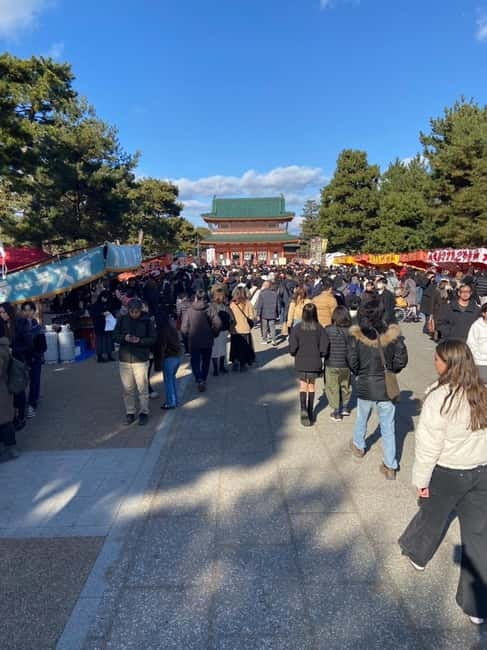
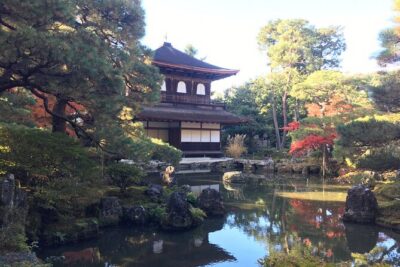
Ginkaku-ji, often called the Silver Pavilion, is the first main temple stop. Despite its famous name, the pavilion is not silver. The temple grounds are known for carefully arranged gardens and a refined, restrained style that fits Kyoto particularly well.
You have free time near the temple for souvenirs, coffee, and matcha crepes. This pause is important because it gives you room to browse rather than forcing you to follow the guide every minute.
Do not expect a long formal lecture here. The tour’s strongest approach is its moderate amount of information. Guides explain the sights, answer questions, and add comments about Japanese culture without turning the morning into a classroom. If you want detailed architectural or religious study, you may need a separate temple visit with more time. If you want context without an information overload, the format works well.
Ginkaku-ji can attract crowds, especially in high autumn color season. The tour avoids the most congested parts of Kyoto, but it cannot make a major temple disappear. You should be comfortable walking your bike and moving carefully through busy pedestrian areas when necessary.
More E-Bike Tours in Kyoto:
- E-Bike Tours of the highlights of Kyoto!!!
★ 5.0 · 291 reviews - Kyoto: City Secrets eBike Tour
★ 4.9 · 196 reviews - Arashiyama Bamboo Forest E-Biking Tour
★ 5.0 · 183 reviews - Historical Kyoto E-Bike Tour
★ 5.0 · 181 reviews
Philosopher’s Path by Bicycle
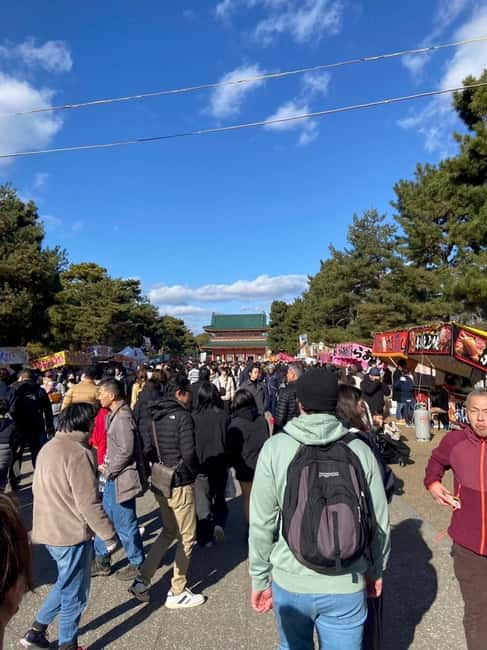
After Ginkaku-ji, the route follows Philosopher’s Path toward Nanzen-ji. This pleasant walkway follows a canal and is lined with trees, small shops, and temples. In spring, the cherry trees are a major draw. In autumn, the leaves can make the route especially attractive.
Cycling here requires care. Philosopher’s Path is not a wide racing route, and pedestrians may be present. Your guide will lead the way, but you are responsible for riding safely and following local conditions. In some sections, you may need to slow down or walk the bike.
This part of the tour shows the difference between sightseeing by bicycle and sightseeing by vehicle. You get close to the canal and street life, and you can pause when the group stops. You also get a better sense of how the temples connect to residential Kyoto rather than appearing as isolated attractions.
The ride is not strenuous for most reasonably fit people because of the electric assistance, but it is not a passive activity. A summer departure can feel hot, and one rider found the experience worthwhile despite high temperatures. Early starts are a smart choice during warmer months.
Nanzen-ji and the Aqueduct
Nanzen-ji brings a grander scale. The temple complex is known for its enormous Sanmon gate, broad grounds, and the brick aqueduct that runs through the area. The large gate provides the kind of view that makes a bicycle stop worthwhile even if you have already visited several temples.
The aqueduct is a particularly useful detail for first-time visitors. It is not always the first place people think of when planning Kyoto, yet it adds a different visual note to the route. You move from gardens and canals to imposing temple architecture and an unexpected piece of modern-era infrastructure.
The guide gives historical and cultural background, then leaves time to look around. Several riders valued the fact that the group did not feel rushed. That flexibility is one of the tour’s practical strengths. If a particular stop interests you, the guide may be able to spend a little extra time there, depending on the group and schedule.
The tradeoff is that a three-and-a-half-hour tour cannot provide a full visit to every building at every temple. You get a well-chosen introduction, not an exhaustive temple study. I see that as a good fit for a first Kyoto morning, especially if you plan to return later on your own.
Heian Jingu as the Final Landmark
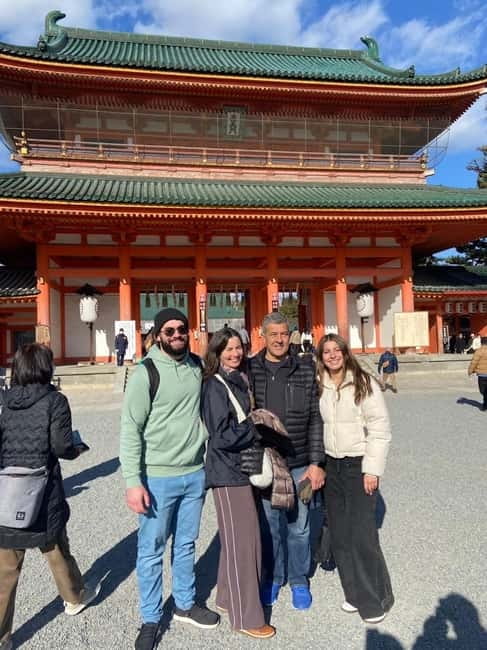
The final major stop is Heian Jingu Shrine. Its large torii and spacious grounds give you a strong change of mood after the narrower paths around Ginkaku-ji and Nanzen-ji.
The shrine was built in the late 19th century to honor Kyoto’s imperial past, and its scale feels deliberately ceremonial. You will have room to look around and take in the bright shrine buildings, wide approach, and open grounds.
Ending at Heian Jingu also makes sense geographically. The route has gradually carried you through northeast Kyoto, from river scenery to a series of major religious sites. The final stop feels like a proper close rather than just another quick photo break.
The entrance ticket included with the tour adds value, though the supplied details do not specify exactly which admission it covers. Ask your guide if you want to know the ticket arrangements before entering a paid area.
What the Guide Adds
The best part of this experience is not simply the bike. It is the human scale of the outing.
Aska is frequently praised for her warm manner, clear English, patience, and local insight. She has also helped with practical matters such as souvenir shopping and offered advice about places to eat and visit during the rest of a Kyoto trip. Guides such as Tai and Natsuki have also been described as energetic, friendly, and attentive.
That international experience matters. A guide who has lived abroad can often explain Japanese customs in a way that makes sense to visitors from different countries. You can ask about temples, local life, food, or travel plans without feeling that you are interrupting a formal speech.
The social side is real, too. With no more than eight people, you have a fair chance to chat with the guide and fellow riders. If you prefer a silent, private ride, this may feel more conversational than expected. If you want to make a Japanese friend while exploring, that is one of the tour’s main attractions.
Is $75 a Fair Price?
At $75 per person, the tour is not the cheapest way to see Kyoto. You could rent a bicycle independently for less, and many temple grounds can be visited without a guide.
But the price includes the electric bike, helmet, guide, parking fees, and an entrance ticket. It also buys you a planned route through several parts of the city, help with navigation, and a local person who can answer questions. For a first visit, those elements make the price reasonable.
The value is strongest if you would otherwise spend the day walking long distances or trying to link the temples by bus. It is weaker if you already know Kyoto well, enjoy planning your own cycling route, or prefer to spend hours at one temple.
The tour’s 4.9 rating from 189 reviews fits the pattern of the experience: the route, guides, bike assistance, and relaxed pace receive the most praise. The small group is another strong point. Just remember that no tour can guarantee empty temples, perfect weather, or traffic-free streets.
Who Should Book This Ride?
I would choose this for a first or second day in Kyoto. It helps you understand the city’s layout and gives you a list of places to revisit at a slower pace.
It suits couples, solo visitors, friends, and families with older children who can ride confidently. The stated minimum age is 12, although one family with an 11-year-old reported enjoying the ride, so you should confirm the age rule before booking rather than assume an exception.
It is also a good fit for moderately fit adults who do not want to walk seven or eight miles in a day. The electric assistance helps, but you still need to pedal, balance, stop, and manage a bicycle in an urban setting.
This is not suitable for people who cannot ride a bike, wheelchair users, pregnant women, people with diabetes, people with low fitness, or anyone uncomfortable cycling around traffic and pedestrians. High heels are not allowed, and large bags are not practical.
Rain does not automatically cancel the outing. Raincoats may be available, or the tour can be rescheduled. Even so, check the forecast and bring clothes suited to the season. Summer heat and autumn crowds can both affect comfort.
My Verdict: Book It If You Want Kyoto at Street Level
Book this tour if you want a friendly introduction to northeast Kyoto, enjoy light exercise, and prefer local conversation to a formal sightseeing procession. The ride gives you four strong landmarks, river scenery, temple grounds, and useful advice for the rest of your trip.
Skip it if you dislike cycling in cities, need guaranteed quiet at every stop, or want detailed scholarly explanations at each temple. For everyone else, the combination of e-bike assistance, a small group, and guides such as Aska makes $75 a fair price for three to three and a half hours.
If you book, wear comfortable shoes, leave the large luggage behind, arrive ready to adjust the bike, and choose an early departure when possible. You will get the best chance of a calmer ride and a cooler start.
FAQ
How long does the Kyoto e-bike tour last?
The tour lasts about 210 minutes, or three to three and a half hours.
Which places does the tour visit?
The route includes Ginkaku-ji, Philosopher’s Path, Nanzen-ji, and Heian Jingu Shrine. It also follows the Kamogawa River and includes time near a shopping street by Ginkaku-ji.
Where does the tour begin and end?
The tour begins at a rental cycling shop in the Gojo area and ends back at the rental bike shop.
Is the bike rental included?
Yes. The electric bike and helmet are included, along with the tour guide, parking fees, and an entrance ticket.
Is the tour conducted in English?
Yes. English is the listed tour language, and the live guide leads the experience in English.
How many people can join the group?
The tour is limited to eight participants.
What should I bring?
Bring comfortable shoes and comfortable clothes. Water and food are not included. Large bags, oversized luggage, and high-heeled shoes are not allowed.
Can I cancel the booking?
You can cancel up to 24 hours in advance for a full refund. The tour also offers a reserve now and pay later option.
Newly added rides around Kyoto
- Kyoto: City Secrets eBike Tour★ 4.9 · 196 reviews
- Best of Kyoto: Ginkakuji & Path of Philosophy E-Bike Tour★ 4.9 · 79 reviews
- Kyoto: Tailored E-Bike Tour to Highlights & Hidden Gems★ 4.9 · 32 reviews
- Kyoto: Half-day Guided Bike Tour with Fushimi Inari★ 4.9 · 21 reviews
- Kyoto: Hidden Gems E-Bike Tour Through Backstreets & Temples★ 4.9 · 54 reviews
- Kyoto: Full Day Bike Tour★ 4.9 · 39 reviews
- Kyoto: Early Bird E-Bike Tour with Lunch★ 5.0 · 14 reviews
- Kyoto: Full-Day City Highlights Bike Tour with Light Lunch★ 5.0 · 52 reviews
Kyoto Bike Tours, compared.
Arashiyama Bamboo Forest & Hidden Gems Bike Tour (Early Bird)
Read our review →
5 Top Highlights of Kyoto Full Day Bike Tour (E-bike option)
Read our review →
Full Day Biking Tour Exploring the Best of Kyoto
Read our review →

Afternoon Kyoto Bike Tour: Bamboo Forest, Monkeys & Hidden Spots
Read our review →Browse the lists this tour appears in