
REVIEW · KYOTO BIKE TOURS
Hidden Kyoto E-Biking tour
Kyoto reveals more at bicycle speed. This half-day ride combines famous temples with quiet lanes, small Zen gardens, and corners most visitors would miss while moving between major sights. I especially like the small group of up to eight and the included e-bike, which makes Kyoto’s hills much less daunting. The guides, including Yuta, Michael, Sean, Henry, and Shizuka, are praised for lively explanations of Zen, Shinto, Buddhism, geisha culture, and local customs.
The route also gives you a calmer look at the city than a standard temple circuit. The main drawback is that the tour can spend a fair amount of time stopped for stories, so it may feel slow if you want constant cycling or more time inside each temple. You also need to arrive early and feel comfortable riding a bicycle.
Key points at a glance
- Quiet Kyoto by e-bike: Ride backstreets and less crowded temple areas instead of following only the busiest sightseeing routes.
- Famous sights with local context: See Kinkakuji, Daitokuji, Kitano Tenmangu, Koto-in, and Zuiho-in during one morning or afternoon.
- Small groups matter: The maximum group size is eight, making it easier to ask questions and stay together on city streets.
- Strong guiding: Yuta, Michael, Sean, Henry, and Shizuka are singled out for clear English, storytelling, and cultural insight.
- Easy but not effortless: The electric assistance helps with hills, though you still need basic cycling confidence and control.
- Good value for a half-day: At $116, the price includes the bike, helmet, water, and English-speaking route coordinator.
Why cycling works so well in northern Kyoto
The tour begins at NORU Kyoto Bike Tours in the Kamigyo Ward, north of central Kyoto. You arrive 15 minutes before departure, get fitted with a bicycle and helmet, and receive the basic instruction needed to handle the e-bike.
That short lesson matters. Several people arrived worried about riding after years away from bicycles, yet found the bikes easy to manage. The electric assistance is particularly useful on Kyoto’s inclines. It will not do the steering or braking for you, but it reduces the strain that can turn a pleasant sightseeing ride into hard work.
The route covers roughly 7 to 8 kilometers, depending on which distance is used in the tour description, and takes about 3 hours and 45 minutes. That is not a long ride by cycling standards. The real time goes into stopping at temples, shrines, gardens, and quiet streets while your guide explains what you are seeing.
You ride mainly through calmer parts of Kyoto, though this is still a city tour. You should be comfortable with starts, stops, turns, and riding near other people. The tour is intended for participants aged 13 and older, and most people can take part, but choosing an e-bike does not remove the need for basic cycling ability.
More E-Bike Tours in Japan
- 5 Top Highlights of Kyoto Full Day Bike Tour (E-bike option)
★ 5.0 · 511 reviews - Kyoto: Memory Kyoto E-Bike Tour
★ 4.8 · 297 reviews - E-Bike Tours of the highlights of Kyoto!!!
★ 5.0 · 291 reviews
Kinkakuji gives the morning a famous start
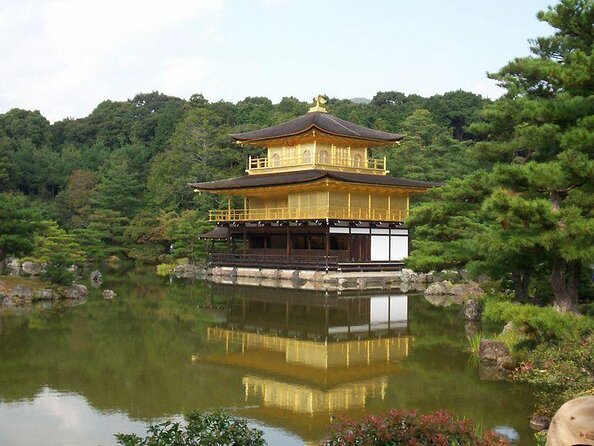
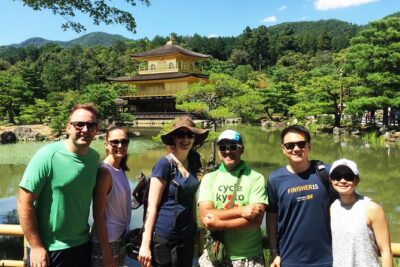
Kinkakuji, the Golden Pavilion, is the tour’s most instantly recognizable stop. Its bright gold exterior and pond setting make it one of Kyoto’s major sights, and it gives you the famous image many people expect from their first visit.
The advantage of arriving by bicycle is the way the ride frames the visit. You do not spend the whole morning moving from one crowded transport connection to another. You approach through Kyoto’s northern streets, see the city shift from ordinary neighborhoods to temple grounds, and then continue by bike after your stop.
Kinkakuji is also the point where crowd levels may feel most noticeable. The tour’s promise is not that every stop will be empty. Instead, it mixes this major landmark with quieter places, so you get the famous Kyoto view without spending the entire experience in the most crowded sightseeing zones.
Your guide’s explanation adds value here. Yuta, in particular, is praised for connecting temple visits with Zen practice, Buddhist traditions, and the customs that shape how people behave at religious sites. That context helps you see Kinkakuji as more than a photogenic building.
Daitokuji trades crowds for atmosphere
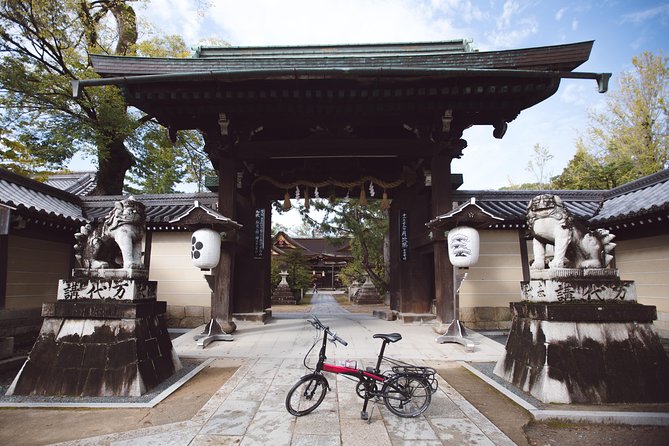
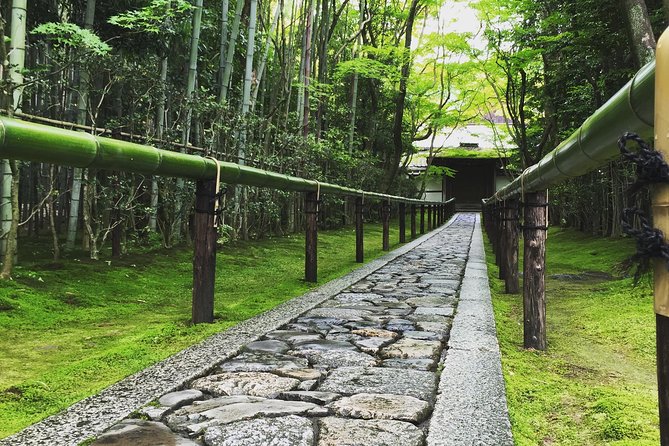
The Daitokuji Temple Complex offers a different mood. Rather than one single postcard building, it is a group of Zen temples and related spaces where the appeal lies in quiet courtyards, gates, gardens, and the feeling of moving through a living religious district.
This is where the tour’s title begins to make sense. You are not simply ticking off Kyoto’s most famous names. You are also visiting places where the pace drops and small details matter: a garden arrangement, a temple entrance, a line of trees, or the way a guide explains Zen ideas.
Some people may find the stops more rewarding than the ride itself. Guides commonly spend time explaining Japanese history, Shinto and Buddhist traditions, geisha culture, and etiquette. That can be fascinating, especially if you are new to Japan. If you prefer quick photo stops, though, you may wish the talks were shorter.
Kitano Tenmangu connects faith with daily Kyoto
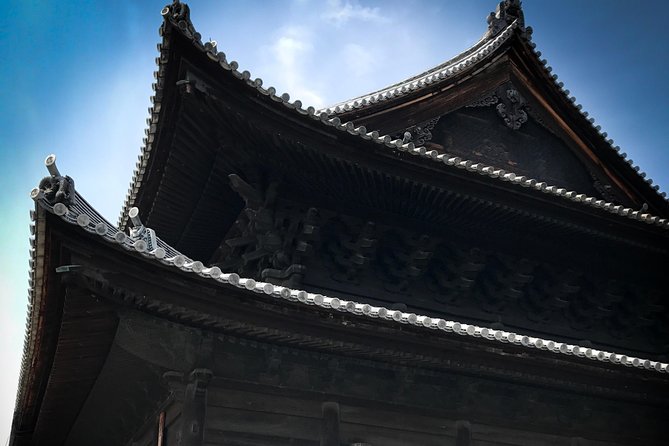
Kitano Tenmangu is a major Shinto shrine and gives the tour a useful contrast with the Buddhist temples. The route helps you understand that Kyoto’s religious life is not one single tradition. Shinto shrines and Buddhist temples occupy the same city, but their buildings, customs, symbols, and rituals differ.
The guide’s role is important here. Several guides are praised for explaining the difference between Shinto and Buddhism in plain English, along with the correct manners for visiting sacred places. You can ask questions as you go, which is more useful than trying to absorb a long explanation from a guidebook.
The ride between Daitokuji and Kitano Tenmangu is part of the experience. You pass through ordinary streets rather than seeing Kyoto only through temple gates. That means residential corners, local shops, and less dramatic stretches of road. These in-between sections are not filler. They show how religious sites fit into the city’s everyday life.
More E-Bike Tours in Kyoto:
- Kyoto: City Secrets eBike Tour
★ 4.9 · 196 reviews - Kyoto: Hidden Gems E-Bike Tour with Local Japanese Guide
★ 4.9 · 189 reviews - Arashiyama Bamboo Forest E-Biking Tour
★ 5.0 · 183 reviews - Historical Kyoto E-Bike Tour
★ 5.0 · 181 reviews
Koto-in offers one of the quieter stops
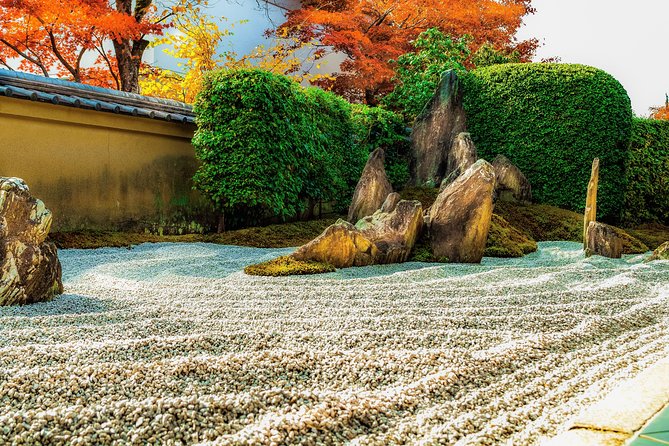
Koto-in is known for its approach through trees and its restrained Zen atmosphere. The stop is especially appealing if you want a break from Kyoto’s major landmarks and a place that rewards looking slowly rather than collecting photographs.
This is one of the locations where a good guide can make a real difference. Without explanation, a quiet temple and garden can seem simple. With context about Zen aesthetics, the design choices begin to carry more meaning. The tour’s guides are often praised for explaining these ideas without making the visit feel like a lecture.
The setting can also make this a more physically varied part of the ride. The route includes hills and some descents, so the e-bike assistance is helpful. You should still expect to use the brakes carefully and follow the guide’s pace.
Zuiho-in brings the Zen thread together
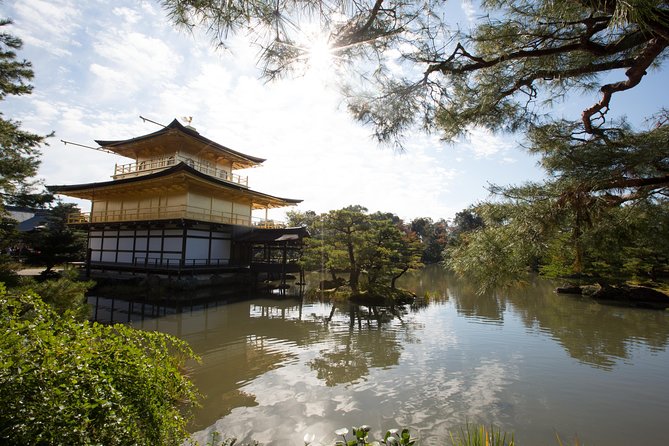
Zuiho-in is the final named stop and helps bring the tour’s Zen focus into view. The visit is less about a single grand monument and more about gardens, composition, quiet, and the ideas behind the space.
Several accounts describe a brief Zen element near the end of the experience. The exact form may depend on the guide and the day, but the overall effect is a thoughtful finish rather than a rushed return to the bicycle shop.
This is also a good place to decide if the tour’s style suits you. The experience is not just a bike ride with a few quick temple photographs. It gives your guide room to discuss culture, beliefs, stories from feudal Japan, and the meaning behind what you see. Michael is praised for storytelling, while Sean is noted for answering questions and offering food suggestions afterward.
The best part may be the streets between stops
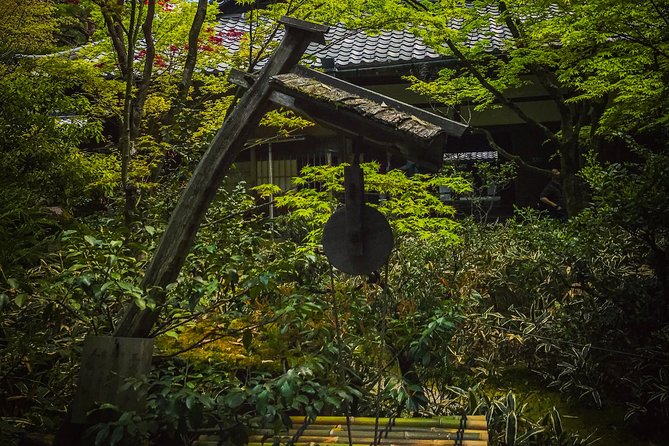
Kyoto’s famous temples are easy to find. Its quieter lanes are harder to discover without local direction, and this is where the tour earns its name.
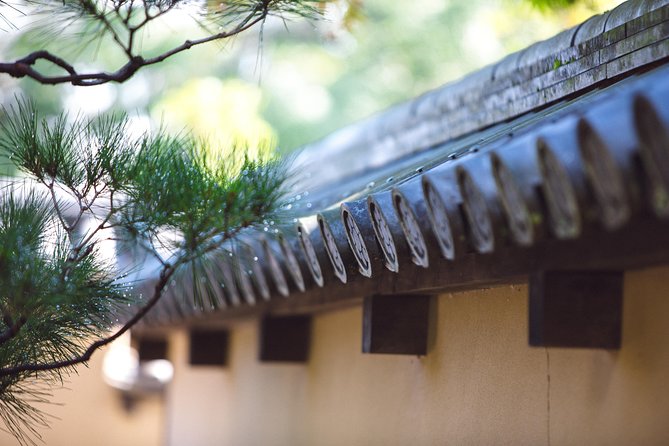
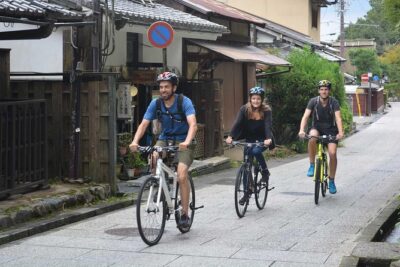
You may ride past small neighborhood streets, modest homes, temple walls, and less visited religious sites. The experience does not promise an entirely empty Kyoto, but it does steer you away from the main tourist flow for meaningful portions of the route.
That change of speed is valuable. Walking between major sites can take time, and public transport does not always bring you close to the smaller places. On a bicycle, you cover more ground without losing contact with the city. You see a shopfront, a narrow lane, or a quiet garden entrance as you pass, rather than viewing Kyoto only through a train or taxi window.
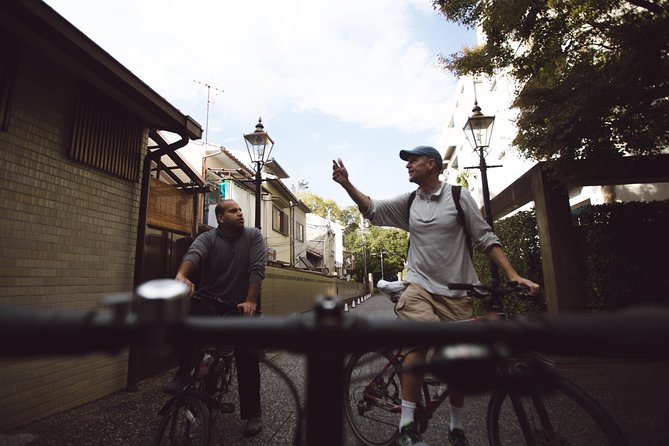
The ride also creates natural conversation time. You can listen while moving, then stop for a focused explanation. Some people enjoy this rhythm. Others may find the amount of talking more than they expected. One clear criticism is that a guide spent too long on historical storytelling, leaving less time to explore. That is a fair concern, especially on a 3-hour-45-minute tour.
Guides are a major part of the value
The quality of this experience depends heavily on who leads your group. Yuta receives especially strong praise for fluent English, Zen knowledge, temple etiquette, geisha and maiko history, and practical restaurant recommendations. Michael is described as an engaging storyteller with a strong grasp of Japanese history. Sean is noted for clear explanations, care in rainy weather, and helpful food advice.
Henry is praised for his years living in Japan and his respect for local culture. Shizuka led a small group through temples, gardens, backstreets, and hills, with the ride described as both challenging and rewarding.
Guide styles will differ. Some may focus more on Zen, some on historical stories, and some on daily customs. The common strength is that the guides provide meaning and context instead of simply naming buildings.
If you like asking questions, this is a good format. If you prefer to explore independently with headphones and a map, a guided bike ride may feel too structured.
Is $116 a fair price?
At $116 per person, this is not the cheapest way to see Kyoto. You can visit temples independently for less, and renting a bicycle without a guide would cost less still.
The price makes more sense when you consider what you are buying: nearly four hours, an e-bike, helmet, water, route planning, a small group, and an English-speaking guide. You also avoid having to work out how to connect several northern Kyoto sights on your own.
For a first visit, the cultural explanation is the strongest part of the value. For a returning visitor, the quieter temples and side streets may matter more. The tour can also help you find ideas for later meals and neighborhoods, since guides such as Sean and Yuta share local recommendations after the ride.
I would not choose it if your only goal is to see the Golden Pavilion quickly. I would consider it worthwhile if you want several important religious sites, quieter streets, and a guide who can explain the customs behind them.
Weather, timing, and practical points
Morning departures are available at 8:30 and 9:00, with afternoon departures at 12:30 and 1:00. Morning is likely to suit people who want cooler conditions and a full afternoon afterward, while the afternoon option can fit around other plans.
You must arrive 15 minutes before departure. A late arrival can mean missing the group with no refund, so allow extra time to reach NORU Kyoto Bike Tours at 429-22 Takigahanacho, Kamigyo Ward.
The tour runs in rain only if conditions allow. If NORU cancels because of poor weather, you can choose another date or receive a full refund. If you ride in uncertain weather, bring a raincoat or poncho and weatherproof gloves if you have them. Guides may provide some rain gear, but your own protection is still sensible.
Cancellation is free up to 24 hours before the start time. Late cancellations, missed bookings, and changes made less than 24 hours before departure are not refunded or accepted. You also cannot receive a refund if you decide not to ride after booking, so be honest with yourself about your cycling ability.
Who should book this Kyoto bike tour?
I would recommend it to first-time Kyoto visitors who want an introduction that combines major sights with quieter places. It is also a strong choice for returning visitors who have already seen the Golden Pavilion and want a different side of the city.
Families with teenagers can consider it, provided everyone is at least 13 and able to ride. The e-bike support helps, but it does not turn the route into a passive sightseeing trip.
You should think twice if you dislike hills, have not ridden a bicycle in years and feel unsafe starting again, or want long, unhurried visits inside each temple. The tour covers several locations, so the time at each one is necessarily limited.
Final verdict: a smart way to see more of Kyoto
Book the Hidden Kyoto E-Biking Tour if you want Kyoto to feel like a city, not just a sequence of famous temple photographs. The combination of Kinkakuji and Kitano Tenmangu with Daitokuji, Koto-in, Zuiho-in, quiet lanes, and Zen gardens gives you a fuller sense of northern Kyoto.
The strongest reasons to go are the small group, electric bikes, peaceful route, and excellent guide feedback. The main caution is the pace of the explanations. You may spend as much time listening as riding, and that is either a benefit or a drawback depending on how you like to travel.
For me, the best fit is someone who wants cultural context, gentle adventure, and a route that reaches places difficult to arrange alone. At $116, it is a worthwhile splurge for that kind of Kyoto day.
FAQ
How long is the Hidden Kyoto E-Biking Tour?
The experience lasts approximately 3 hours and 45 minutes.
How far do you ride?
The route is described as roughly 7 to 8 kilometers, or about 4.3 to 4.9 miles.
What sights are included?
The route includes Kinkakuji Temple, Daitokuji Temple Complex, Kitano Tenmangu Shrine, Koto-in, and Zuiho-in.
Is the bicycle included?
Yes. A rental bicycle, helmet, and water are included in the price.
Is this an e-bike tour?
The supplied tour details describe a rental bike, while participant accounts specifically describe the bicycles as e-bikes with electric assistance.
What is the minimum age?
The minimum age is 13.
Where does the tour begin and end?
It begins at NORU Kyoto Bike Tours, 429-22 Takigahanacho, Kamigyo Ward, Kyoto, and returns to the same meeting point.
What happens if the weather is poor?
If NORU cancels the experience because of poor weather, you can receive a full refund or choose a different date.
Newly added rides around Kyoto
- Kyoto: City Secrets eBike Tour★ 4.9 · 196 reviews
- Best of Kyoto: Ginkakuji & Path of Philosophy E-Bike Tour★ 4.9 · 79 reviews
- Kyoto: Tailored E-Bike Tour to Highlights & Hidden Gems★ 4.9 · 32 reviews
- Kyoto: Hidden Gems E-Bike Tour with Local Japanese Guide★ 4.9 · 189 reviews
- Kyoto: Half-day Guided Bike Tour with Fushimi Inari★ 4.9 · 21 reviews
- Kyoto: Hidden Gems E-Bike Tour Through Backstreets & Temples★ 4.9 · 54 reviews
- Kyoto: Early Bird E-Bike Tour with Lunch★ 5.0 · 14 reviews
- Kyoto: Full-Day City Highlights Bike Tour with Light Lunch★ 5.0 · 52 reviews
Kyoto Bike Tours, compared.
Arashiyama Bamboo Forest & Hidden Gems Bike Tour (Early Bird)
Read our review →
5 Top Highlights of Kyoto Full Day Bike Tour (E-bike option)
Read our review →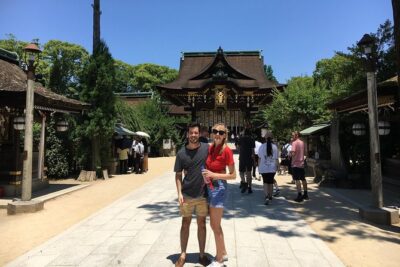
Full Day Biking Tour Exploring the Best of Kyoto
Read our review →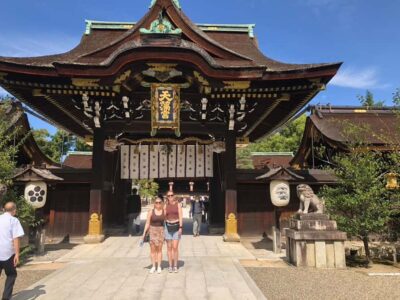

Afternoon Kyoto Bike Tour: Bamboo Forest, Monkeys & Hidden Spots
Read our review →
Browse the lists this tour appears in