
REVIEW · MOUNTAIN BIKE TOURS
Anuradhapura Heritage Mountain bike / bicycle Tour
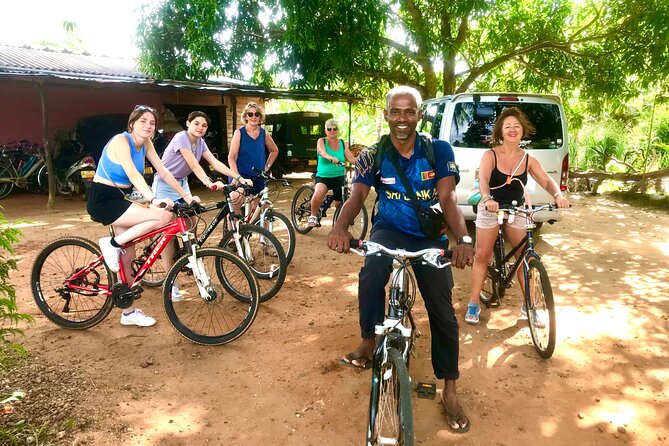
Ancient stones reward a slower ride. This four-and-a-half-hour Anuradhapura bicycle tour pairs the city’s great Buddhist monuments with quiet forest tracks, rice fields, lakes, and local life. I like the 10-kilometre loop, which gives you time to look around rather than rush from one stop to the next. I also like the chance to ride with Saranga, an English-speaking local guide who adds useful cultural and religious context.
The main catch is cost. The advertised price is $25 per person, but the UNESCO heritage admission is extra at $30 for adults, or $15 for children under 13. You should also be ready for warm weather, uneven surfaces, and a moderate level of physical fitness.
Key points to know before you book
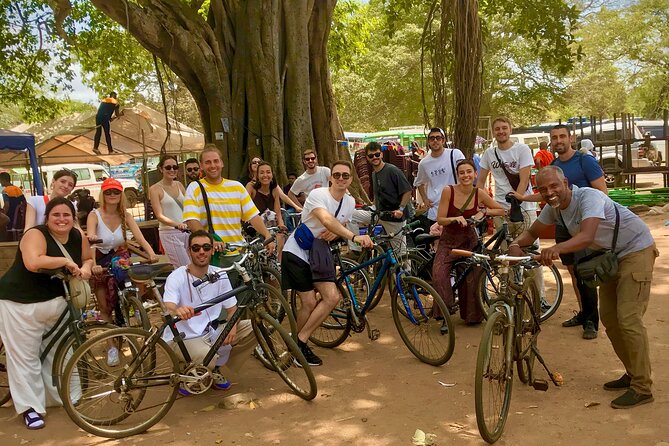
- A gentle 10-kilometre route: The distance is manageable, but the tour lasts about 4½ hours because you stop often at major monuments.
- Saranga leads the ride: His guiding includes Anuradhapura’s history, Buddhism, local customs, and quieter routes away from the main roads.
- Top-brand mountain bikes: Bikes may come from Giant, Trek, or Louis Garneau, giving you a better ride than a basic city bicycle.
- Ten major sights in one loop: You visit Jetavanaramaya, Abhayagiriya, Ruwanweliseya, Sri Maha Bodhi, ancient baths, tanks, and more.
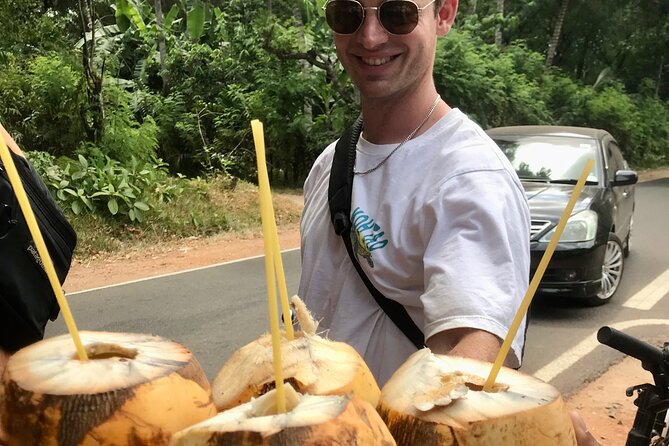
- Food is part of the day: Bottled water and a vegetarian meal cooked by local people at Hela Bojun are included.
- Temple clothing matters: Bring a wraparound cloth if your knees are not covered.
Why a bicycle works so well in Anuradhapura
Anuradhapura is not a compact old town where you walk from one doorway to the next. Its sacred monuments, monastery ruins, reservoirs, trees, and parkland spread across a broad area. A bicycle lets you cover ground without spending the day inside a vehicle.
I like the rhythm of this route. You ride for a while, stop at a major site, hear the story, and then move on through quieter parts of the ancient city. That change of pace matters here. Anuradhapura is best understood as a living religious center set among old ruins, not as a string of isolated monuments.
The route is described as a 10-kilometre loop, but the four-and-a-half-hour timing tells you what kind of outing this is. It is not a race or a serious mountain-biking challenge. You will spend plenty of time off the saddle, looking at statues, stairways, reservoirs, and temples.
The bikes are another plus. Mountain cycles from brands such as Giant, Trek, and Louis Garneau should be better suited to the mix of paved roads, rougher tracks, and park paths than a simple rental bicycle. Still, you should be comfortable riding for several hours and handling changing surfaces.
More Mountain Bike Tours in the world:
- From Ubud: Downhill Bike Tour with Rice Terraces and Meal
★ 4.9 · 664 reviews - Waimea Canyon Downhill Bike Ride
★ 5.0 · 650 reviews - Ubud: Downhill Cycling with Volcano, Rice Terraces and Meal
★ 5.0 · 536 reviews
Starting near the old car park
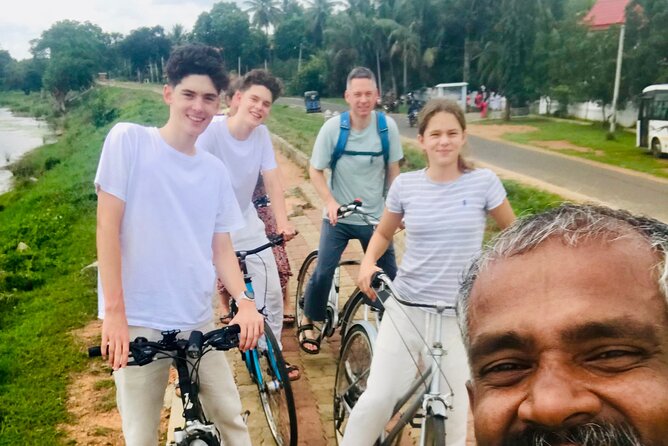
The meeting point is Rides Hubwela mada gedara, Garage waththa, near the old car park at No. 116/1 Watawandana Road. The tour returns to the same place, which makes the day easier to plan. You do not need to arrange a separate ride from the final monument.
Parking fees and bicycle use are included. The meeting point is also near public transportation. Confirmation is provided when you book, and the activity is private, so only your own group takes part.
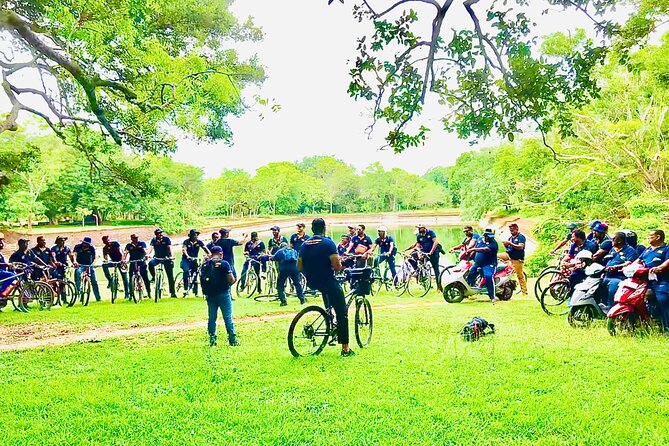
That private format is important. Saranga can explain a carving, religious practice, or local custom at the pace your group needs. It also avoids the stop-and-go feeling of a large cycling group. If one site interests you more than another, you have a better chance to ask questions rather than simply follow a flag.
Jetavanaramaya and the scale of ancient Anuradhapura
The first major stop is Jetavanaramaya, one of the most powerful sights in the ancient city. When King Mahasena built it between 273 and 301, the stupa reached about 122 metres, or 400 feet. It was once the tallest stupa in the world and the third tallest structure anywhere.
You have about 15 minutes here. That is enough for a first look and an explanation of its size, construction, and place in Anuradhapura’s Buddhist story. The short stop also keeps the tour moving, since several large monuments follow.
Jetavanaramaya helps you grasp the scale of the city before the route turns to smaller details. The next stops shift your attention from monumental height to the human side of worship and daily life.
Samadhi Statue and the quiet side of Buddhist art
At the Samadhi Statue, you spend about 20 minutes. The Buddha is shown seated in the Dhyana Mudra, the meditation position associated with deep concentration. The calm expression and balanced posture make this one of the most memorable images in Anuradhapura.
This is a good place to listen rather than simply take a photograph. Saranga’s background in Buddhism adds value here, since the meaning of the gesture and posture is not always obvious at first glance. The stop is included in the heritage visit, but respectful behavior remains important around sacred images.
More Historic Bike Tours in the world:
- Historical Singapore Bike Tour on Full-Sized Bicycles
★ 5.0 · 1,421 reviews - Barcelona: 2.5-Hour Bike or E-Bike Historical Tour
★ 4.5 · 1,262 reviews - Asheville Historic Downtown Guided Electric Bike Tour with Scenic Views
★ 5.0 · 1,234 reviews - Krakow: Bike Tour of Old Town, Jewish Quarter and the Ghetto
★ 4.9 · 1,155 reviews
Abhayagiriya, baths, and a huge monastic center
Abhayagiriya Stupa gives you a sense of how large Anuradhapura’s religious institutions once were. Abhayagiri Vihara served different Buddhist traditions, including Mahayana, Theravada, and Vajrayana, and its ruins cover an extensive area.
You have around 20 minutes at the stupa, followed by more time at two practical parts of the monastery complex. Kuttam Pokuna, the Twin Baths, consists of two carefully built bathing pools. Their preserved stonework shows that ancient Anuradhapura was not only a place of prayer. It also had sophisticated systems for water, hygiene, and monastic life.
Eth Pokuna, known as the Elephant Pond, makes that point on a much larger scale. The ancient reservoir measures about 159 metres long and 52 metres wide. Its size is hard to appreciate from one viewpoint, so the bicycle route is useful. You can move through the site and understand how the water system relates to the surrounding monastery.
Each of these stops gets about 20 minutes. That is enough to see the main features, but not enough for a long archaeological study. If you want to examine every carved stone or spend quiet time at each ruin, a private full-day visit would suit you better.
Moonstones and the details beneath your feet
The Sandakada Pahana, or moonstone, is one of Sri Lanka’s distinctive architectural details. These semicircular stone slabs usually sit at the bottom of stairways and entrances. Their carved bands reward close attention, especially after you have spent the morning looking at enormous stupas.
The planned stop lasts about 25 minutes. I like this part of the route because it changes the scale of the day. Instead of looking up at a giant dome, you look down at a carefully worked threshold and consider what it says about movement from an ordinary space into a sacred one.
You may need to remove footwear at some religious sites, so practical clothing helps. Bring a wraparound cloth if your knees are uncovered. Modest dress is especially important around temples and the sacred Bodhi tree later in the route.
Basawkkulama Tank and Anuradhapura’s water system
Basawkkulama Tank shows why water is central to the story of Anuradhapura. Ancient Sri Lanka developed complex irrigation systems, with early works dating to about 430 BCE during the reign of King Pandukabhaya. These reservoirs supported settlement, farming, and monastic life over long periods.
The stop lasts around 20 minutes and is free of an additional admission charge. It is also one of the places where the ride itself becomes part of the experience. You are not only going from monument to monument. You are seeing the water sources and open spaces that allowed the ancient capital to function.
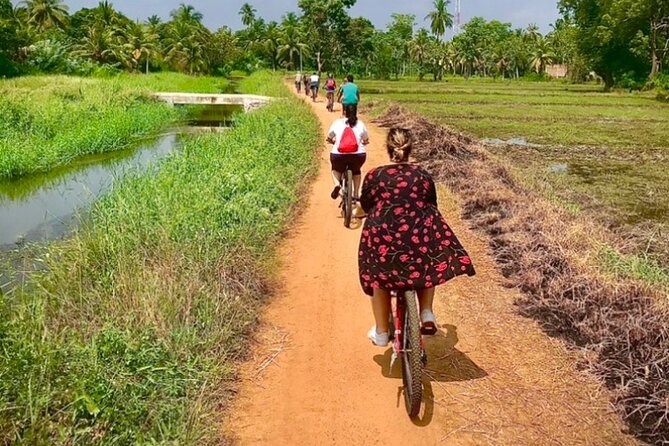
The route through forest and rice-field areas was one of the most praised parts of the experience for me. It gives you a break from formal ruins and offers a quieter view of the area. Depending on timing, you might also encounter local ceremonies around sunset, a detail that makes the day feel connected to present-day religious life rather than locked in the past.
The Abhayagiri refectory and ordinary monastic life
The Main Refectory of Abayagiri Monastery is a short 10-minute stop, but it adds an important human detail. The Chinese monk Fa-Hien recorded that the monastery housed as many as 5,000 monks in the fifth century. A community of that size needed an organized way to prepare and serve food.
The refectory helps you picture the monastery as a working institution. Temples were not only places for meditation and ceremonies. They needed kitchens, dining areas, water systems, storage, and a daily routine.
This is the kind of context that can be missed if you visit only the famous stupas. Saranga’s explanations are especially useful here because the stones alone do not always tell you how a place was used.
Ruwanweliseya, one of the great sacred monuments
The route then reaches Ruwanweli Maha Seya, also called Ruwanweliseya. You have about 30 minutes, making it one of the longer stops. King Dutugamunu began the stupa between 137 and 119 BCE, and his younger brother completed it.
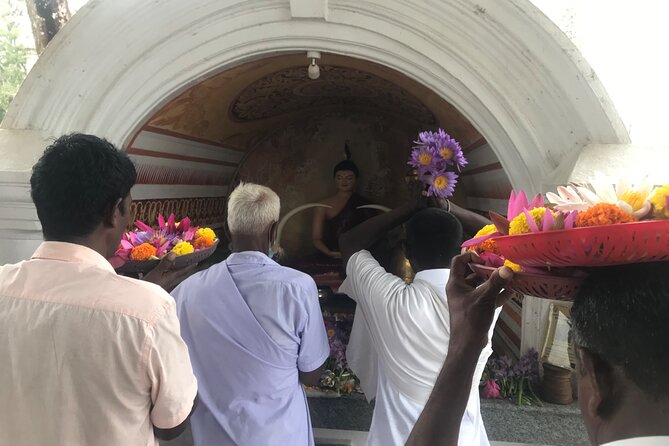
The scale is impressive, but the religious importance is just as significant. This remains a sacred place, so you should expect worshippers, offerings, and ceremonies rather than a silent archaeological site. Follow local instructions, dress modestly, and keep your camera use respectful.
This is also a good point to ask Saranga about the differences between Anuradhapura’s major stupas. Their size can blur together after several hours, but their dates, patrons, and religious roles help separate them.
Sri Maha Bodhi and the closing visit
The final major stop is Sri Maha Bodhi in Mahamevnāwa Gardens. This sacred fig tree is regarded as the closest living link to Gautama Buddha. Its significance makes it different from a stone ruin or an abandoned reservoir. It is an active place of devotion.
You have about 30 minutes here. Allow yourself to slow down. The site is not simply a final photo stop. It is a place where people come to pray, make offerings, and take part in religious practice.
The tour’s order works well. After stupas, monastery ruins, baths, tanks, and architectural details, you finish with a living religious center. The day ends by connecting ancient Anuradhapura with the faith practiced there today.
What the $25 price really covers
At $25 per person, the tour looks like a strong value before admission costs. You receive the mountain bicycle, guide service, bottled water, parking fees, and a local vegetarian meal prepared at Hela Bojun. The private format adds value if you prefer questions and a flexible pace.
The important extra cost is the UNESCO heritage ticket. Adults pay $30, and children under 13 pay $15. That puts the basic adult outing at about $55 per person before any other personal spending. It is better to calculate the full cost before booking, since the heritage admission is higher than the cycling fee.
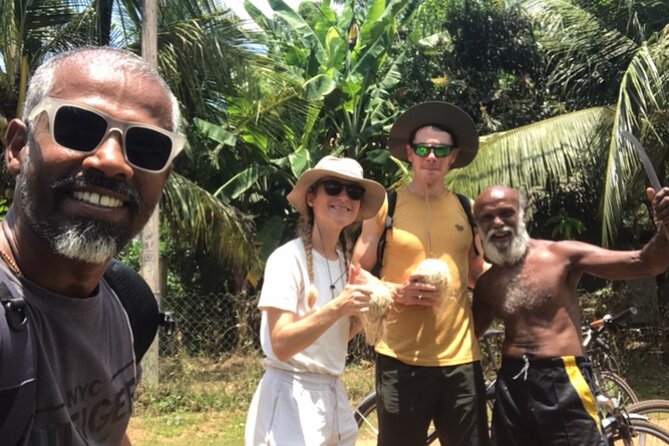
The included meal makes the package more appealing. Eating vegetarian food cooked by local people gives you a more direct connection to everyday Sri Lankan food than stopping at a generic international restaurant. The supplied information does not specify the exact dishes or meal timing, so treat it as a useful included meal rather than booking the tour for a particular menu.
Fitness, weather, and what to bring
You should have moderate physical fitness. The distance is only about 10 kilometres, but riding, stopping, walking around monuments, and managing heat can make the day tiring. The tour is not presented as a demanding technical mountain-bike ride, yet you should still be comfortable on a bicycle for several hours.
Wear light clothing that covers your knees or pack a wraparound cloth. This is not just a comfort tip. Several stops are religious sites where modest dress is expected.
Bring sun protection and a way to carry small personal items. Bottled water is included, but drinking regularly is still sensible in Sri Lanka’s warm conditions. Because the tour requires good weather, rain can lead to a new date or a full refund.
Free cancellation is available if you cancel at least 24 hours before the start. Cancellations or changes made inside that 24-hour window are not accepted for a refund. The same local-time cut-off applies to the tour date.
Who will enjoy this ride most
I would choose this tour if you want the major sights but do not want to spend the entire day in a car. It suits couples, families with older children, and small private groups who enjoy a guide’s explanations and a steady pace.
It is also a good choice if you care about the spaces between monuments. The forest paths, rice fields, reservoirs, and quieter routes give you a broader view of Anuradhapura than a simple checklist of stupas.
I would hesitate if you want a relaxed vehicle tour with very little exercise, or if you need long uninterrupted time at each archaeological site. Ten stops in 4½ hours requires a schedule. The private setting helps, but you are still covering a lot in one morning or afternoon.
Should you book the Anuradhapura bicycle tour?
Book it if you want an active introduction to Anuradhapura, appreciate local religious context, and like the idea of combining major monuments with quiet roads and rice fields. Saranga’s personal knowledge of Buddhism is a real benefit, and the included vegetarian meal, quality bike, water, and private format make the $25 tour fee fair.
Think carefully about the extra $30 heritage ticket, the heat, and your comfort on a bicycle. If those points work for you, this is a thoughtful way to see Anuradhapura at human speed, with enough structure to cover the essentials and enough quiet riding to make the ancient city feel like a place rather than a list of stops.
FAQ
How long does the Anuradhapura bicycle tour last?
The tour lasts approximately 4 hours and 30 minutes.
How far do you cycle?
The route is described as a 10-kilometre loop through the heritage area.
Where does the tour start and finish?
It starts at Rides Hubwela mada gedara, Garage waththa, near the old car park at No. 116/1 Watawandana Road, Anuradhapura. It ends back at the same meeting point.
Is the tour private?
Yes. Only your own group participates in the activity.
What is included in the tour price?
The price includes a mountain bicycle, guide service, bottled water, parking fees, and a vegetarian meal cooked by local people at Hela Bojun.
Is the UNESCO entrance fee included?
No. The UNESCO heritage ticket costs $30 per adult. Children under 13 pay $15.
What should you wear for the temple visits?
You should dress modestly and bring a wraparound cloth if your knees are not covered.
What happens if the weather is poor?
The tour requires good weather. If poor weather causes cancellation, you will be offered another date or a full refund.
More History Tours in the world
- Historic Athens: Small Group Electric Bike Tour
★ 4.9 · 966 reviews - Bordeaux: Historic Center & Chartrons District Bike Tour
★ 4.8 · 709 reviews - Intramuros, Manila: Historical Bamboo Bike Tour
★ 4.8 · 583 reviews - Historic Bike Tour in Tucson
★ 5.0 · 553 reviews
Newly added rides around the world
- 1 Day Electric Bike Rental in Solana Beach★ 5.0 · 11 reviews
- Local Guided Electric Bike Tour from Solana Beach to Encinitas★ 5.0 · 51 reviews
- Carlsbad 3-Hour Electric Bike Rental★ 4.5 · 46 reviews
- Hourly Electric Bike Rental in Solana Beach★ 5.0 · 24 reviews
- Guided Cycle Tours of Cardiff★ 5.0 · 110 reviews
- Cape Town’s Finest City Bike Tour★ 5.0 · 43 reviews
- Mountain Biking Table Mountain to Constantia Morning Ride★ 5.0 · 17 reviews
- Luxury Guided Electric Bike Tour to Downtown Encinitas★ 5.0 · 18 reviews
Mountain Bike Tours, compared.
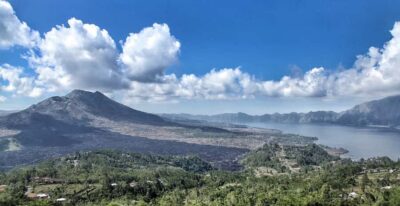
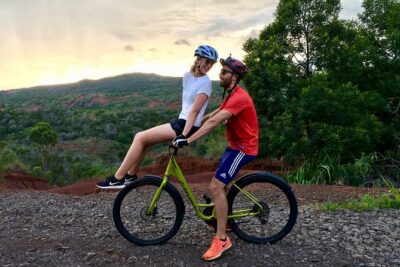
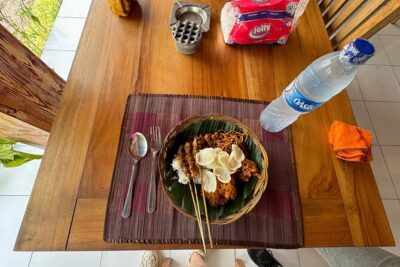
Downhill Cycling with Volcano, Rice Terraces and Meal
Read our review →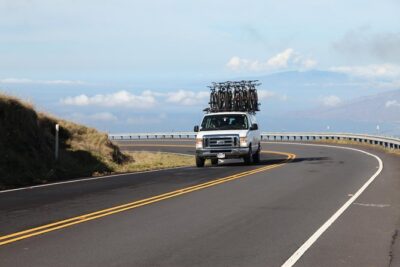
Best Haleakala Downhill Self-Guided Bike Tour with Maui Sunriders
Read our review →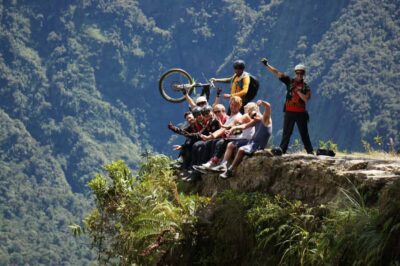
La Paz: Mountain Bike Down the World’s Most Dangerous Road
Read our review →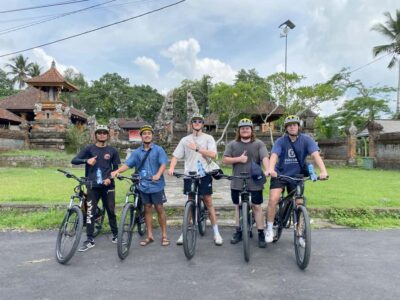
Downhill Bike Tour with Rice Fields, Volcano and Meal
Read our review →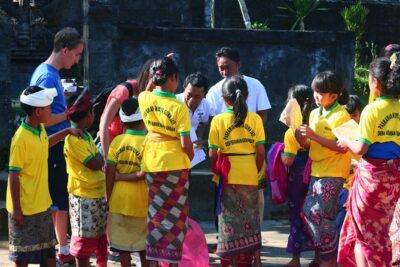
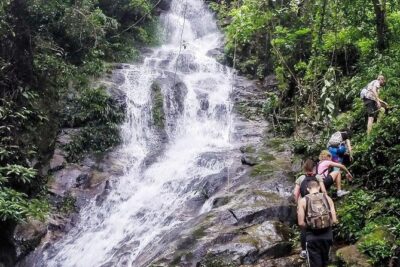
Chiang mai Hike & Downhill Bike Adventure –Suthep National Park
Read our review →Browse the lists this tour appears in