
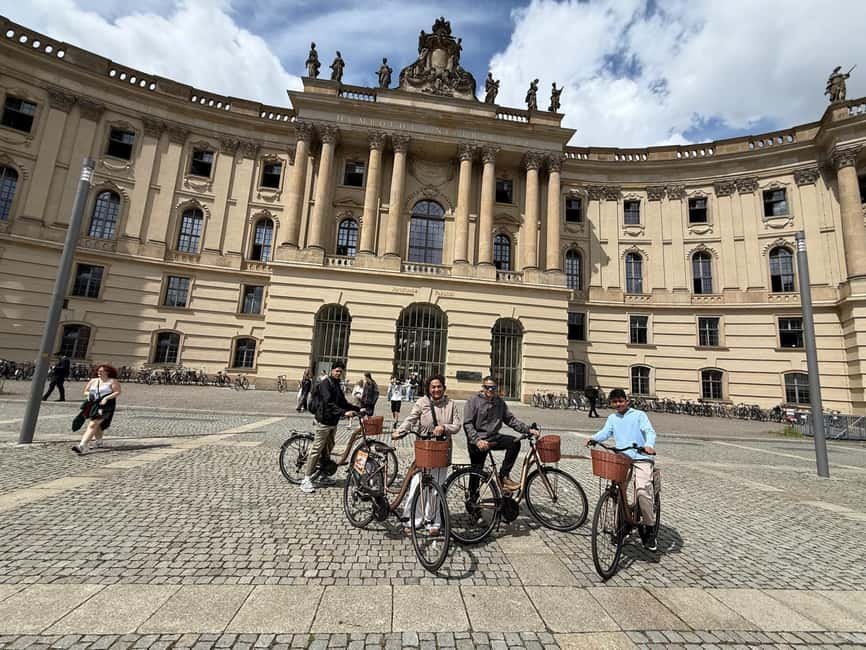
REVIEW · BERLIN BIKE TOURS
Berlin: 3-hour bike tour – A journey through time in the capital
History feels close here. I like this three-hour ride because it links Berlin’s major political landmarks in one clear route, from the Cold War era to the modern government district. I also like the relaxed pace, with time for photos and a 30-minute break in the Tiergarten. The main consideration is that sensitive subjects, including Nazi crimes and the Holocaust, form a large part of the tour.
You cover a lot of ground for $44, yet the route does not feel like a race. The bike lets you move between sites that are spread across central Berlin without spending your day underground or on a bus.
Guides including Gio, Dio, and Fais have been praised for clear explanations, friendly help, and picture-taking. You should still arrive ready to cycle outdoors, since comfortable clothing and sturdy shoes matter more here than fancy sightseeing clothes.
Key points to know before booking
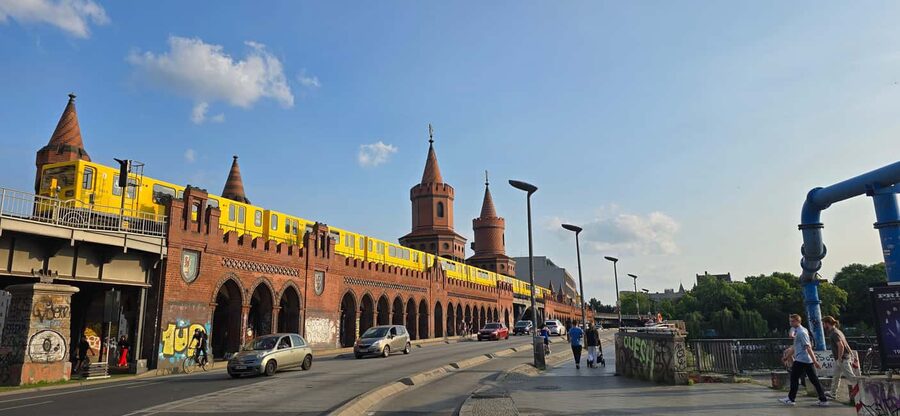
- Cold War history begins early: The route gets into Berlin’s divided past within the first part of the ride.
- The Nazi era is treated directly: You visit the Topography of Terror, the former Führer’s bunker site, and the Holocaust Memorial.
- A 30-minute Tiergarten pause breaks up the ride: You can stop for a drink or snack before continuing.
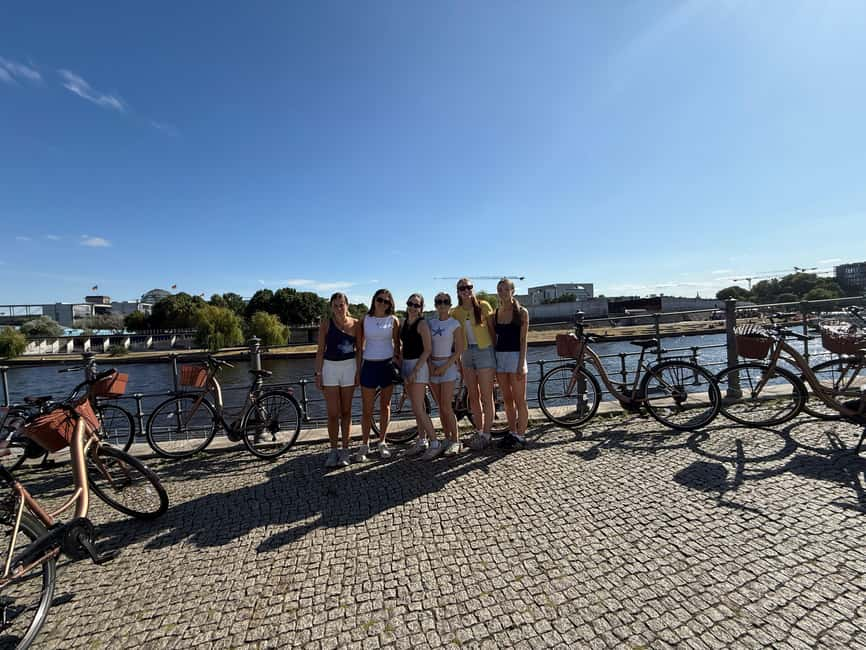
- The government district comes by the Spree: You see Bellevue Palace, the Chancellery, and the Reichstag from the outside.
- Major landmarks arrive one after another: Brandenburg Gate, Museum Island, and Gendarmenmarkt round out the central Berlin route.
- Four guide languages are offered: Tours are available in English, German, Spanish, and Portuguese.
Why a bicycle works so well in central Berlin
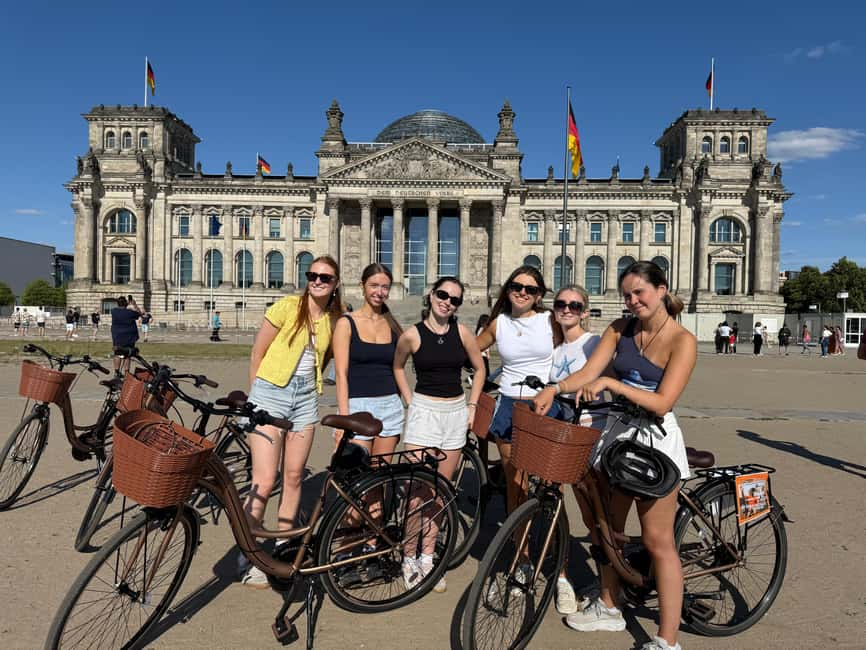
Berlin is broad and spread out. Its important places do not sit in one compact old town, so walking between them can eat up much of your day. A bicycle gives you a useful middle ground: faster than walking, but slow enough to notice the streets, buildings, and open spaces between the major stops.
This is not a strenuous cycling trip in the information provided. The pace is described as leisurely, and the route includes a substantial break. Still, you should be comfortable riding for three hours with stops. Weather can change your comfort level, so wear practical clothing and sturdy shoes. CityRiders can provide an optional helmet, along with rain ponchos and gloves in cold or wet weather.
The meeting point is at City Riders, close to public transportation and easy to find. Arrive 10 minutes before departure. That small cushion matters when you need to collect a bicycle, sort out a helmet, and listen to the opening instructions.
There is no stated group size, so you should not assume a private ride or a tiny group. The personal guide is included, and the route is designed around stops where the guide can explain what you are seeing.
A few more rides around Berlin worth a look
- Berlin Highlights 3-Hour Bike Tour
★ 5.0 · 948 reviews - Berlin Highlights: 3-Hour Bike Tour
★ 4.9 · 809 reviews - 3-Hour Bike Tour of Tiergarten and Berlin’s Hidden Places
★ 5.0 · 26 reviews
Cold War Berlin sets the tone
The tour moves quickly into Berlin’s Cold War story. That is a smart starting point because the city’s recent past explains much of what you see in central Berlin: divided streets, government buildings, memorials, and the way old power centers sit beside modern architecture.
Your guide supplies the connecting story as you ride. This is useful because Berlin’s history can otherwise feel like a string of unrelated monuments. The Cold War portion gives you a frame for understanding how the city was split, how that division shaped daily life, and why reunification remains such a strong theme in Berlin.
The route does not appear to focus on one single Cold War site for a long time. Instead, it uses the bike to connect this period with the Nazi era and the later democratic capital. That broad sweep is one of the tour’s strengths, though visitors wanting a highly detailed study of the Berlin Wall may prefer a tour devoted only to that subject.
The Topography of Terror and the former bunker site
The next section turns to National Socialism at the Topography of Terror. This is one of the more serious stops on the route. The site gives you a direct look at the institutions and crimes of the Nazi regime, rather than presenting Berlin only through its grand buildings and attractive squares.
Your guide’s role matters here. A good explanation can help you understand what happened at the site and why it matters today. The tour promises clear historical context, but the three-hour format means this is an introduction, not a full museum visit. You should not expect to study every display or spend hours inside an exhibition.
Soon afterward, you reach the location of the former Führer’s bunker. It is easy to miss today, which is exactly what makes the stop unusual. The place once functioned as a control center for the Nazi leadership, yet little visible remains to announce its role.
That contrast gives the guide an important job. The value is not in seeing a dramatic ruin. It is in understanding how a seemingly ordinary location can hold a major place in twentieth-century history. If you expect a preserved underground complex, you may find this stop visually modest. If you appreciate historical explanation tied to an unmarked or nearly invisible location, it is likely to stay with you.
The Holocaust Memorial asks for quiet attention
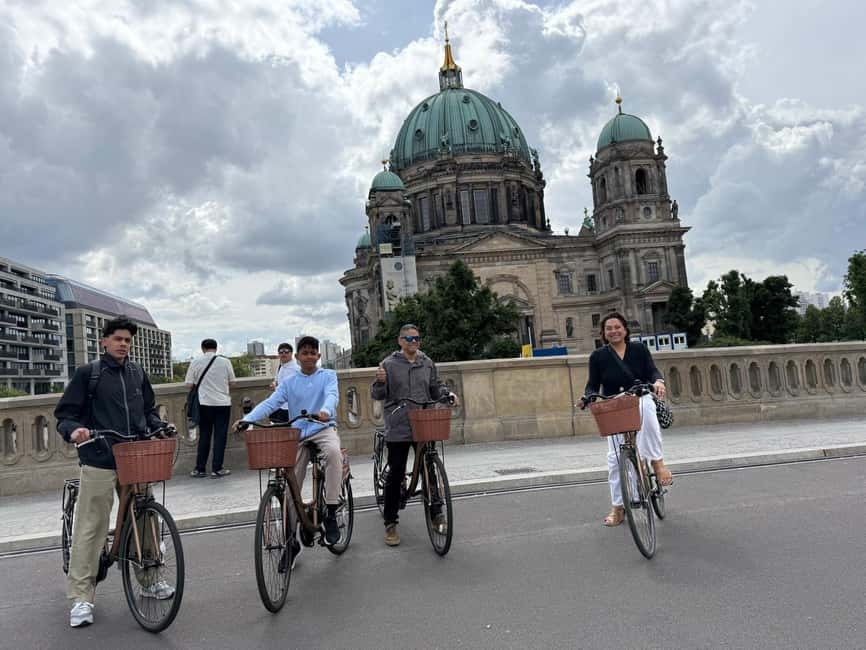
From the bunker site, the ride continues to the Memorial to the Murdered Jews of Europe, commonly called the Holocaust Memorial. The field of concrete blocks creates a powerful setting, but its meaning is not always obvious from a quick photograph.
This is a place where you should slow down and listen. Your guide explains the memorial’s purpose and significance, helping connect its design with the memory of the Jewish victims of the Holocaust. The stop is among the most emotionally serious points on the route, and it may not suit someone looking for a light sightseeing ride.
You will have time to take in the memorial, but the itinerary keeps moving. That balance is practical for a broad city tour, though a visitor seeking extensive Holocaust education should plan a separate visit to a museum or documentation center.
The tour handles this difficult section alongside the other major periods of Berlin’s past. That makes the route useful for first-time visitors who want historical orientation before choosing which museums and memorials deserve a longer visit.
Same handlebars, a completely different route:
- Berlin: Sights and Highlights Bike Tour with a Local Guide
★ 4.8 · 2,698 reviews - Berlin City Bike Tour with Beer Garden Stop
★ 5.0 · 917 reviews - Berlin Highlights Sightseeing Bike Tour in Small Groups
★ 5.0 · 652 reviews - Berlin: The Wall and Third Reich Guided Bike Tour
★ 4.8 · 578 reviews
Tiergarten brings a welcome pause
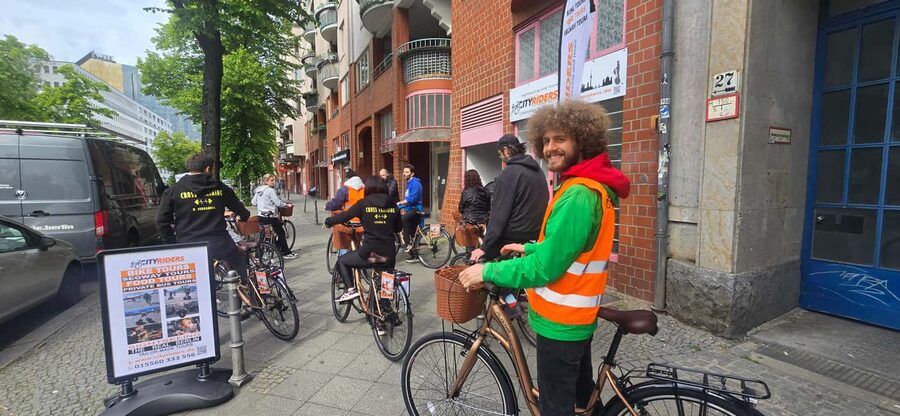
After the dense history of the central memorial sites, the route heads into the Tiergarten. This large city park is Berlin’s green heart and offers a change in pace from monuments, government buildings, and traffic.
The tour includes a 30-minute break here. You can refresh yourself with a drink or snack, though food and drinks are not included. Bring euros, since having cash is advised. The break is long enough to rest your legs and reset your attention before the second half of the ride.
I see this pause as more than a convenience. A three-hour history tour can become a blur if every stop follows immediately after the last one. The Tiergarten break gives you time to absorb the serious subjects covered earlier and enjoy a more open setting.
Do not expect a full meal stop unless you arrange it yourself. The information only promises time to refresh with a drink or snack. Plan accordingly, especially if you are cycling at a time when you normally eat.
Victory Column and Bellevue Palace

After the break, you cycle to the Victory Column, one of Berlin’s familiar landmarks. The golden figure at its top is often called the Golden Else, and the monument provides an easy visual marker in the middle of the Tiergarten.
The stop adds a layer of imperial-era history to the tour. By this point, you have moved from division and dictatorship to memorial culture and then into Berlin’s older national symbols. That range helps explain why the city can feel historically complicated even on a short ride.
The route then passes Bellevue Palace, the official residence of the Federal President. Its position directly beside the Spree links the ceremonial side of the German state with the river and parkland around it.
You should treat both places as viewing and photo stops rather than full interior visits. The tour information does not include entry inside the palace or access to the Victory Column. The benefit is seeing how these landmarks fit into Berlin’s central civic area without spending time waiting for admissions.
The Spree leads into Germany’s democratic center
Cycling beside the Spree brings you toward the government district. This stretch offers a different kind of Berlin experience. Instead of only looking backward, you see the working capital of modern Germany.
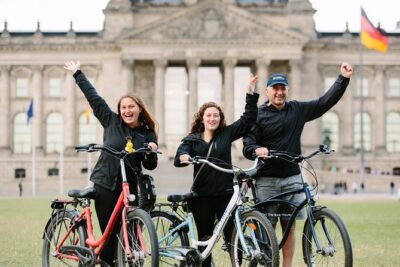
The Chancellery catches the eye with its bold modern design. Then comes the Reichstag, the historic parliament building that now belongs to the Federal Republic’s democratic life. The guide connects the German Empire with the present government, giving you a basic timeline for how German political power changed.
That explanation is valuable because the Reichstag has had several lives. It belongs to the old imperial period, the turbulent twentieth century, and today’s parliamentary democracy. A short stop cannot cover every chapter in detail, but it can help you see why the building matters beyond its familiar dome and photograph-friendly facade.
The ride along the river also gives you a better sense of the government district’s setting. From a bicycle, you can move between older stone buildings, open public spaces, and newer government architecture without treating each place as an isolated sight.
Brandenburg Gate marks the tour’s big photo stop
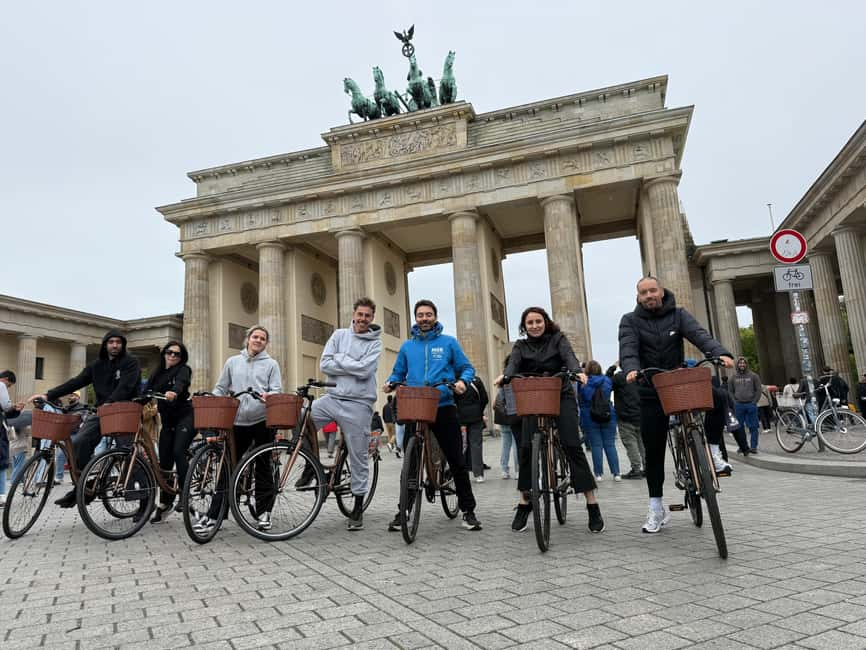
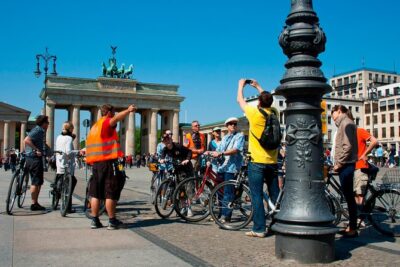
The Brandenburg Gate follows soon after the Reichstag. It is Berlin’s best-known symbol and a natural high point for the route.
The gate once represented a divided city, but today it is closely linked with German unity. Your guide gives you time to take photographs and enjoy the atmosphere rather than treating it as a quick pass-by. That matters because the gate can feel very different when you understand its political history.
This is likely to be one of the busiest areas on the route, although no crowd conditions are promised. Keep your bicycle awareness switched on and follow the guide’s directions around pedestrians. The tour is built for access to the city’s key sights, not for quiet solitude at every stop.
For a first visit, the Brandenburg Gate is essential. For a returning visitor, the guide’s historical explanation may offer more value than another photograph alone.
Museum Island and Gendarmenmarkt finish the route
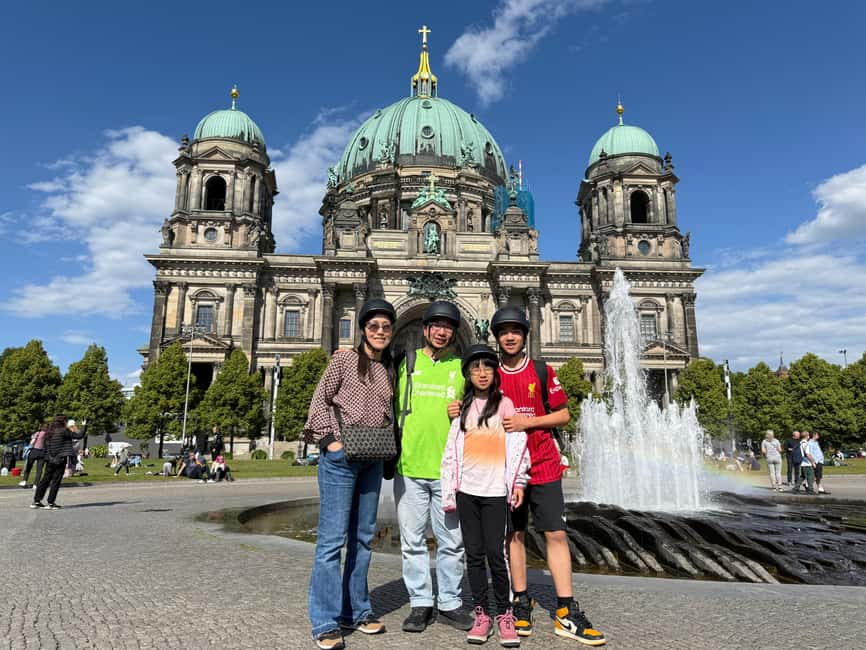
The final section heads to Museum Island, the UNESCO World Heritage Site in the Spree. Five important museums sit on the island, creating one of Berlin’s strongest cultural groups.
You do not go inside the museums on this tour. That is worth noting before you book. The stop focuses on the architecture and the importance of the group as a whole. You get a useful introduction, then can return later if one of the museums catches your interest.
Ending at Museum Island gives the tour another change of subject. After political power, war, dictatorship, division, and democracy, you finish with Berlin’s art and cultural institutions. It is a broad final note, though museum lovers may wish for more time at this stop.
The route ends at Gendarmenmarkt, one of Berlin’s most elegant squares. The German Cathedral, French Cathedral, and Concert Hall frame the space, creating a strong architectural finish to a tour that has covered so many different periods.
Gendarmenmarkt is especially useful as a final orientation point. You can leave with a mental map of several central districts and a list of places to revisit on foot or by public transportation.
What $44 gets you
At $44 per person, the price is reasonable if you want a guided overview of central Berlin rather than a simple bicycle rental. You receive the rental bike, an optional helmet, a personal local guide, the sightseeing route, and planned photo stops.
The value comes from the connections. You are not paying only to reach Brandenburg Gate or the Reichstag. You are paying for someone to explain how Cold War Berlin, Nazi Germany, the Holocaust, imperial Germany, and the modern republic fit into one city.
Food, drinks, souvenirs, and shopping are extra. The 30-minute break gives you a chance to buy a snack, but you should budget separately and carry euros. Rain ponchos and gloves are available in cold or wet weather, which adds some practical protection, but weather-appropriate clothing is still your responsibility.
A full refund is available if you cancel at least 24 hours before the start. You can also reserve now and pay later, which helps if your schedule is still changing.
Who will enjoy this ride most
I would recommend this tour to a first-time Berlin visitor who wants a clear introduction in three hours. It suits you especially well if you prefer seeing many landmarks with context instead of spending an entire morning inside one museum.
It also works for people who like active sightseeing but do not want an intense cycling workout. The pace is leisurely, and the long Tiergarten break gives you a useful rest.
Families and mixed-age groups may appreciate the bike format, though each person should be comfortable cycling and wearing weather-appropriate clothing. History-minded visitors will get the most from the route, particularly if they are willing to spend quiet time at the Holocaust Memorial and listen carefully at the Nazi-era sites.
You may want something else if you dislike cycling, want a private tour, need a precise group size before booking, or want extended museum visits. You should also avoid expecting a light, purely scenic outing. Much of the route deals with war, dictatorship, persecution, and national division.
The guides receive especially strong praise for being informative, friendly, and helpful with photographs. Fais is described as both competent and approachable, while Gio is noted for showing attractive places and taking pictures. The guide you meet may be different, but those qualities are worth looking for when you arrive.
Should you book this Berlin bike tour?
Book it if you want a broad, thoughtful introduction to Berlin and enjoy covering ground by bicycle. The route is well chosen, the price is fair for a guided ride with equipment, and the 30-minute break keeps the three-hour schedule manageable.
Do not book it expecting deep museum time, a private group, or a tour focused on just one historical period. The real strength is the overall view: Berlin’s Cold War divisions, Nazi crimes, memorial culture, royal and imperial landmarks, government district, reunification, and cultural center all appear in one ride.
For many first visits, that is exactly the right use of three hours. You get your bearings fast, learn which places deserve a longer return visit, and see Berlin as a city where the past is never far from the present.
FAQ
How long does the Berlin bike tour last?
The tour lasts three hours.
What is included in the price?
The price includes a local guide, rental bicycle, optional bicycle helmet, city tour, and stops at selected photo locations. Rain ponchos and gloves are available in cold or wet weather.
Which languages are available?
The live tour guide is available in English, German, Spanish, and Portuguese. Some content may be presented in its original language.
Is food included?
No. Food and drinks are not included. The tour has a 30-minute break in the Tiergarten, where you can refresh yourself with a drink or snack.
Where does the tour meet?
You meet at City Riders. The meeting point is close to public transportation and easy to find.
What should I wear?
Wear comfortable, weather-appropriate clothing and sturdy shoes suitable for cycling. You should arrive 10 minutes before the tour starts.
Can I cancel or pay later?
You can cancel up to 24 hours before the tour for a full refund. You can also reserve your place and pay later.
Newly added rides around Berlin
- Potsdam Bike Tour with Rail Transport from Berlin★ 4.5 · 81 reviews
- Berlin: Guided Private Bike Tour to Explore the Highlights★ 5.0 · 12 reviews
- Alternative Berlin Bike Tour – Off the Beaten Tracks in Small Groups★ 5.0 · 99 reviews
- Small-Group Historical Bike Tour in Berlin★ 4.5 · 103 reviews
- Berlin : The best bike tour with a Berlin guide and insider tips★ 5.0 · 14 reviews
- Half-Day Bike Tour of Berlin’s Lesser Known And Historical Sites★ 5.0 · 10 reviews
- Berlin Wall and Cold War Bike Tour in Small Groups★ 5.0 · 114 reviews
- Berlin : Guided Private Sightseeing Tours with Funbikes, Teambikes★ 5.0 · 20 reviews
Berlin Bike Tours, compared.
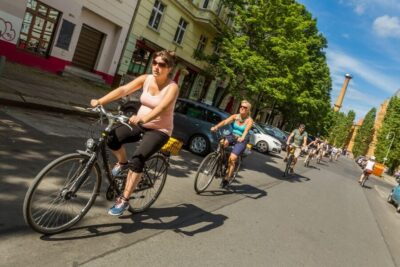
Sights and Highlights Bike Tour with a Local Guide
Read our review →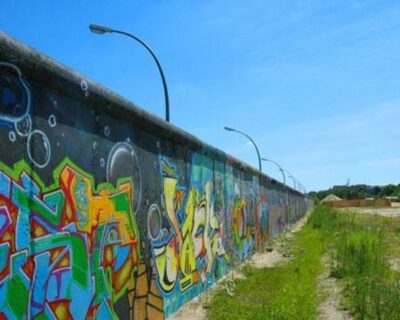
Berlin Highlights Sightseeing Bike Tour in Small Groups
Read our review →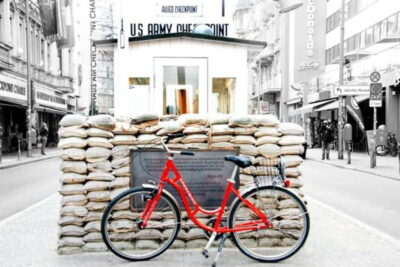
Alternative Bike Tour of Kreuzberg & Friedrichshain
Read our review →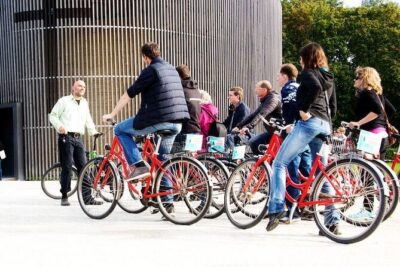
Browse the lists this tour appears in