
REVIEW · BERLIN BIKE TOURS
Berlin: Alternative Bike Tour of Kreuzberg & Friedrichshain
Berlin reveals itself best at street level. This 17-kilometer ride links Prenzlauer Berg, Friedrichshain, and Kreuzberg, giving you far more than a quick look at the city center. I especially like the mix of East German architecture, parks, street art, nightlife districts, and Spree river views. I also like that guides such as Anna, Patricia, Andy, and Oli bring personal stories to the route instead of simply reciting dates. The main drawback is that cycling in a few busier sections can feel tense, especially if you are not used to city traffic.
This is a strong first-day Berlin tour because it helps you get your bearings and shows how the former East and West have changed. The pace is relaxed, with time for photos and questions, but the route covers plenty of ground. One practical note: the activity is described as three hours in one place and three and a half hours elsewhere, so check the booked departure details before you go.
Key points at a glance
- Ride 17 kilometers through four distinct Berlin areas: Start in Prenzlauer Berg, cross Friedrichshain, follow the Spree, and finish in Kreuzberg.
- See the East Side Gallery by bicycle: This is the longest remaining section of the Berlin Wall, covered with large-scale painted works.
- Explore Berlin’s alternative side: Boxhagener Platz, RAW Tempel, Görlitzer Park, back courtyards, and SO36 show a city beyond the classic monuments.
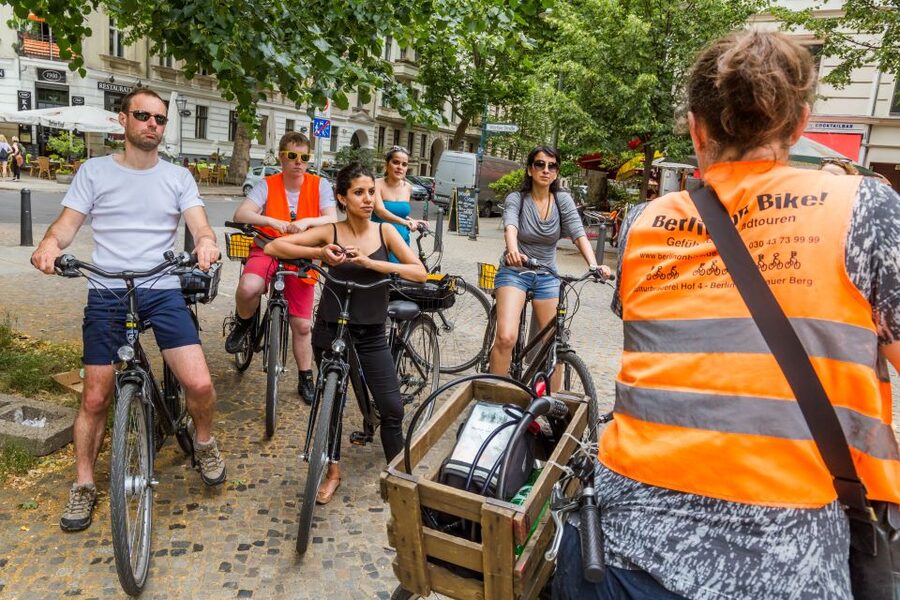
- Travel in a small group: The maximum is 15 people, which leaves room for questions and a more personal feel.
- Choose from English, Dutch, or German tours: Guides including Anna, Patricia, Andy, Oli, Emma, and Phillip have been praised for lively storytelling.
- Expect practical bike support: Baskets, a choice of bicycle sizes, helmets and gloves on request, sunscreen, trouser clips, and rain ponchos are provided.
Why a bike is the right way to see this Berlin
Berlin is spread out. You can walk around one neighborhood for hours, but you will not easily connect Prenzlauer Berg, Friedrichshain, the East Side Gallery, and Kreuzberg in one afternoon. On this ride, the bicycle does the hard work while you watch the city change around you.
I like the way the route moves between major sights and ordinary streets. You get the famous Berlin Wall art, but you also pass courtyards, parks, housing areas, nightlife zones, and places shaped by alternative culture. That mix gives you a better sense of how Berlin works today.
The pace is designed for ordinary cyclists rather than racers. You cover about 17 kilometers, with stops for photographs and explanations. The tour generally uses bike paths and quieter roads, though one past participant noted that Berlin’s cycling infrastructure is not perfect and that some sections involve sharing space with cars. If you are comfortable riding in a city, this should be manageable. If you rarely cycle, stay close to the guide and tell the guide if you need a slower pace.
The small-group limit of 15 is important. A large cycling parade can be hard to manage, but this size allows the guide to keep the group together and learn names. Anna was praised for making a family with teenagers feel included, while Andy was noted for patience with less experienced cyclists.
A few more rides around Berlin worth a look
- Berlin: Sights and Highlights Bike Tour with a Local Guide
★ 4.8 · 2,698 reviews - Berlin Highlights 3-Hour Bike Tour
★ 5.0 · 948 reviews - Berlin City Bike Tour with Beer Garden Stop
★ 5.0 · 917 reviews
Starting at Kulturbrauerei in Prenzlauer Berg
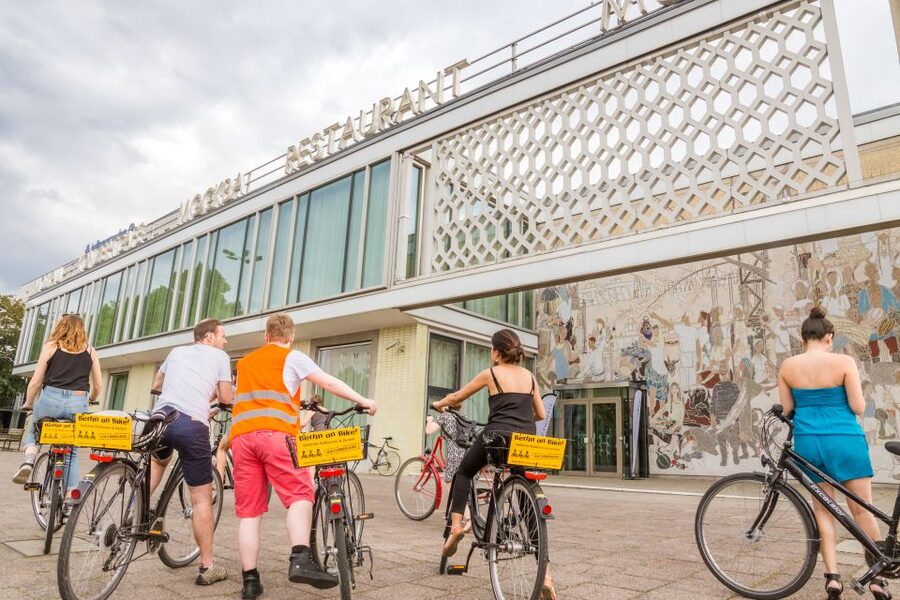
The usual starting point is Kulturbrauerei in Prenzlauer Berg, a former brewery complex now used for cultural events. It is a fitting launch point because the neighborhood combines old industrial buildings, modern city life, and a strong creative streak.
You begin by selecting a bicycle from a large fleet. The bikes have baskets for light bags, and you can choose a model that fits you best. Helmets and gloves are available on request. Sunscreen, trouser clips, and rain ponchos are also supplied, which is useful because Berlin weather can turn quickly.
From here, the route heads toward Volkspark Friedrichshain. This early section gives you a sense of Berlin’s scale and the value of cycling. You are not spending the whole tour waiting for trains or walking between distant stops. You are moving through the city as it really functions.
Wear comfortable clothes and bring only a small bag. The baskets are meant for light items, not large luggage. Alcohol and drugs are not allowed on the tour, a sensible rule when you are riding in traffic.
Volkspark Friedrichshain and Karl-Marx-Allee
Volkspark Friedrichshain provides a change of rhythm. After the urban streets around Prenzlauer Berg, the park offers open space and a chance to see how Berlin residents use green areas for recreation. The guide adds context as the route continues toward Karl-Marx-Allee.
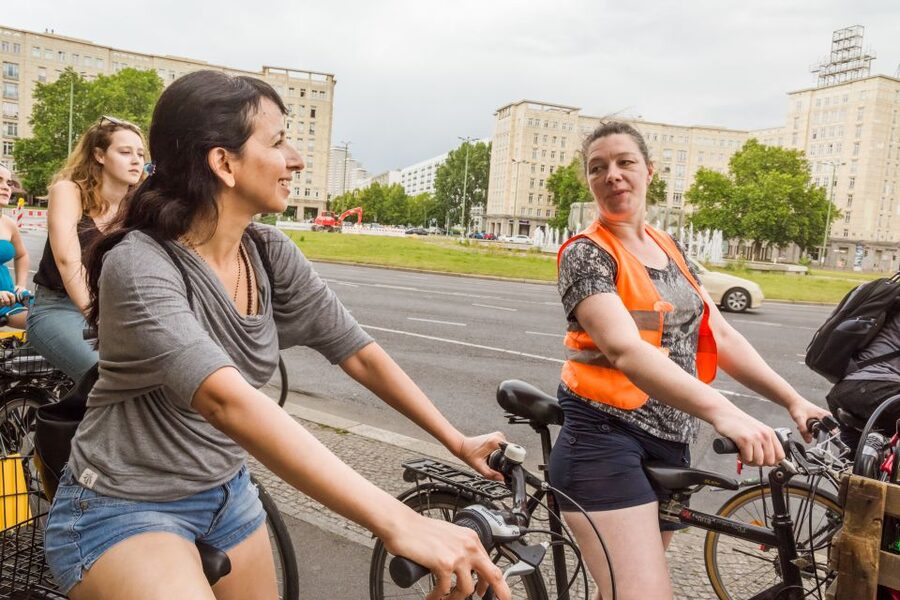
Karl-Marx-Allee is one of the clearest reminders that Friedrichshain was part of East Berlin. Its broad boulevard and monumental architecture reflect the ideals of the former German Democratic Republic. You do not simply look at old buildings here. You see how politics shaped the scale, design, and public image of an entire neighborhood.
This section is valuable because the tour connects architecture with the city’s later changes. Berlin is not a collection of separate historical periods. East German planning, reunification, new businesses, artists, nightlife, and rising rents all exist in the same streets. Guides such as Emma and Oli have been praised for explaining these changes in a clear, personal way.
If you want only medieval buildings or grand museums, this route may not suit you. Its appeal is the living city, including areas that are still changing.
Boxhagener Platz and RAW Tempel
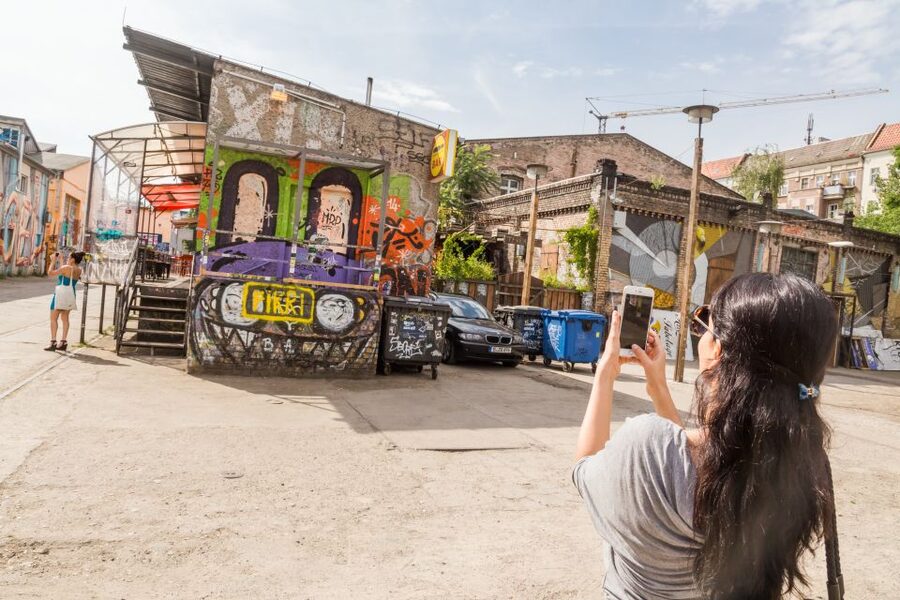
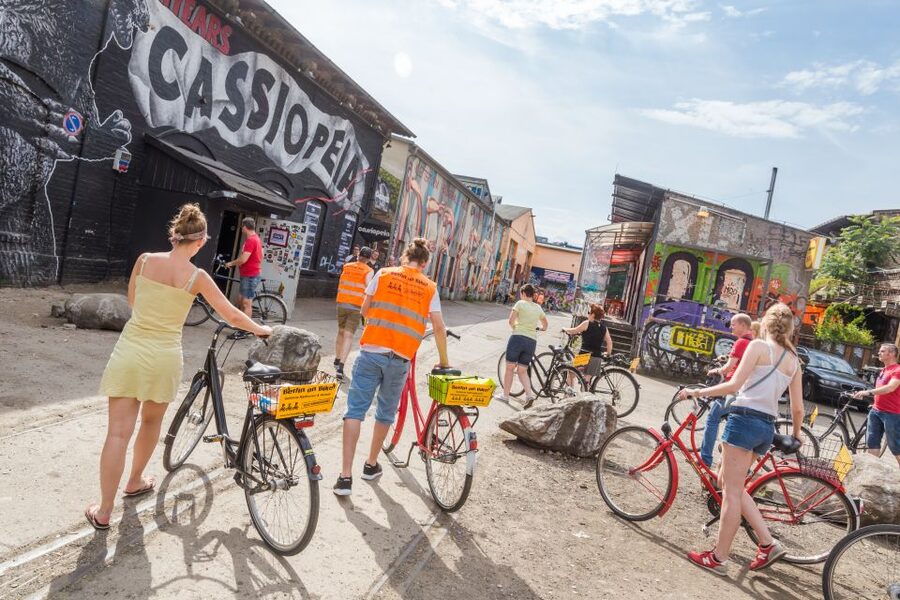
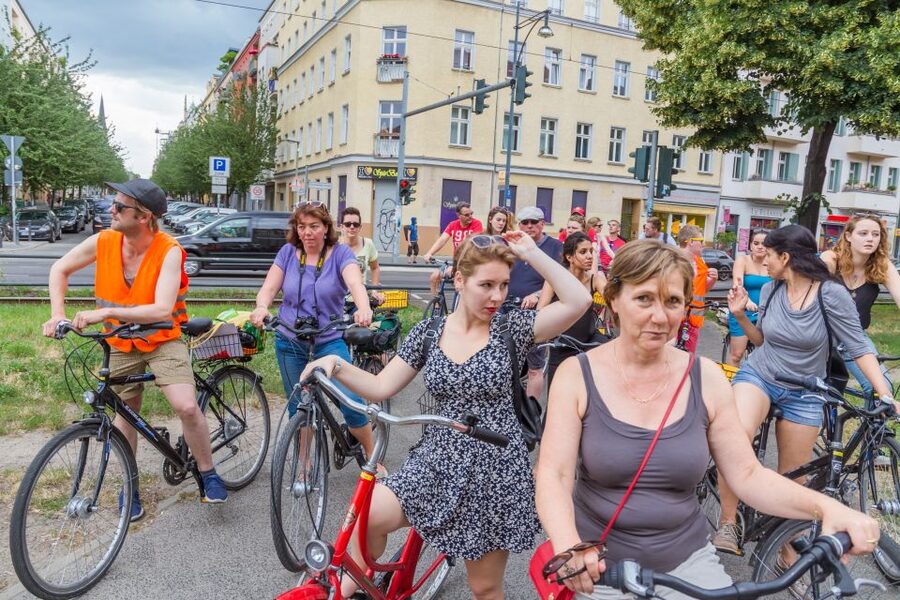
The ride then reaches Boxhagener Platz and the area around RAW Tempel. This is one of the more colorful parts of the route, with a strong connection to nightlife, art, and alternative Berlin.
Boxhagener Platz is useful as a neighborhood stop because it shows daily life rather than a single monument. The surrounding streets offer cafés, bars, and local activity, while the square itself helps you understand why Friedrichshain attracts both residents and visitors.
RAW Tempel adds another layer. The former industrial setting is tied to creative spaces, nightlife, and street art. During the day, you can see the physical character of the area more clearly than you might at night. The tour lets you view this side of Friedrichshain without having to plan a separate evening outing.
The guide’s commentary matters here. Without explanation, alternative spaces can look like a string of painted walls and old buildings. With context, you learn how Berlin’s unused or overlooked spaces became places for art, music, and independent projects. Several guides have been praised for sharing stories and local tips rather than rushing from one photo stop to the next.
Same handlebars, a completely different route:
- Berlin Highlights: 3-Hour Bike Tour
★ 4.9 · 809 reviews - Berlin Highlights Sightseeing Bike Tour in Small Groups
★ 5.0 · 652 reviews - Berlin: The Wall and Third Reich Guided Bike Tour
★ 4.8 · 578 reviews - Berlin: Guided Bike Tour to Explore the Highlights
★ 4.8 · 506 reviews
The East Side Gallery and Oberbaumbrücke
The East Side Gallery is the route’s best-known sight. It is the largest remaining piece of the Berlin Wall and is covered with murals by artists from around the world. Seeing it from a bicycle gives you a useful sense of scale. This is not just one isolated wall fragment. It is a long physical reminder of a divided city.
Allow yourself time to look closely. The paintings are large, but the meaning is not always obvious at a glance. Your guide can connect the artwork to the Wall, reunification, and Berlin’s later identity as a center for creative expression.
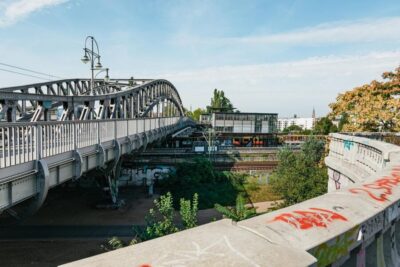
The route then crosses Oberbaumbrücke, one of Berlin’s most recognizable bridges. It links Friedrichshain and Kreuzberg across the Spree and marks the shift from the former East Berlin side into a neighborhood associated with West Berlin’s alternative culture.
This is also one of the places where you should pay attention to the cycling conditions. Keep your hands on the handlebars, follow the guide’s instructions, and do not stop in a way that blocks other riders or pedestrians. The tour is relaxed, but it is still a city ride.
Along the Spree into Kreuzberg
The Spree provides some of the tour’s most pleasant scenery. After the dense streets and wall art, riding beside the river gives you room to breathe and take photographs. I like this part because it shows Berlin as a recreational city, not only a political one.
The river section also helps explain why these neighborhoods are popular. You see how public space, former industrial areas, parks, and cultural venues sit close together. The guide may point out details you would miss from a train or tour bus, since the bicycle keeps you close to the riverbanks and side streets.
Kreuzberg brings a different feel. The route passes through back courtyards, parks, and the SO36 district, an area long linked with migrant communities, protest culture, music, street art, and alternative lifestyles. Görlitzer Park is another major point along the way.
It is worth keeping your expectations realistic. Kreuzberg is not a preserved museum district. It can look rough around the edges, and some areas have social problems. That is part of what makes the ride useful: you see a real neighborhood with contradictions rather than a polished tourist set.
The route’s history of gentrification is also important. Areas once known for low rents and squats now attract cafés, nightlife, creative businesses, and new residents. The tour gives you a way to think about what has been gained and what has been lost as Berlin has changed.
Stories, stops, and the guide’s role
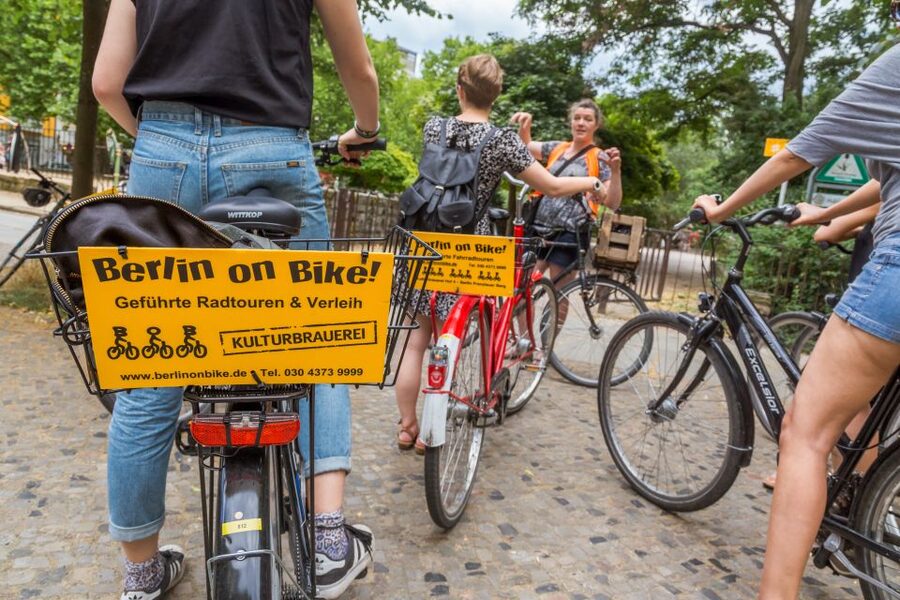
The best part of this activity is not simply the bicycle. It is the guide’s ability to connect places that might otherwise seem unrelated. A strong guide explains why a boulevard looks the way it does, how the Wall shaped neighborhoods, and why certain streets became associated with music or protest.
Past guides have included Anna from Sweden, Patricia, Andy, Oli, Emma, Phillip, and others. Anna was praised for her energy and for making sure everyone felt welcome. Patricia was valued for her stories about alternative Berlin. Andy was noted for patience and humor, while Oli was described as warm and insightful.
You might also hear about music history along the way. One ride included a stop connected with a studio where David Bowie recorded an album. Another route brought the group near places associated with Bowie and Iggy Pop. These details are especially useful if you want more than standard Cold War facts.
The guide can also suggest places to eat or drink after the ride. One practical tip from the route is to keep a little time afterward for Kreuzberg or Friedrichshain. The cycling tour gives you a useful list of areas to explore on foot later.
Is $41 a fair price?
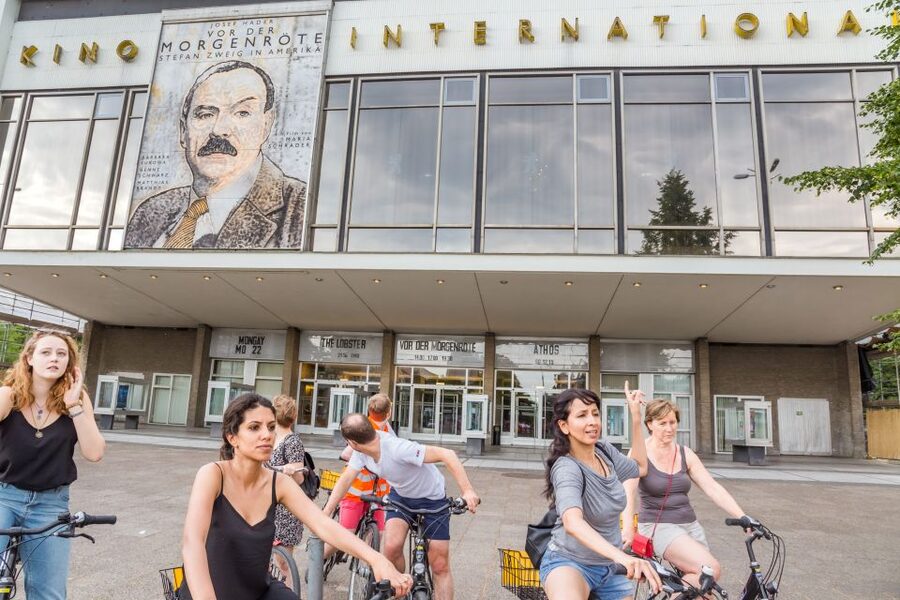
At $41 per person, this is good value if you want an overview of several neighborhoods rather than a single focused attraction. The price includes the bicycle and practical extras, and the small group means you are paying for more than a basic rental.
The value is strongest if you are in Berlin for a short stay. In roughly three to three and a half hours, you cover areas that would take much longer to connect on foot. You also receive background on architecture, the Wall, alternative culture, and neighborhood change.
The price is less compelling if you already know Friedrichshain and Kreuzberg well, own a bicycle, and prefer exploring independently. You will still hear local stories and receive route guidance, but the main benefit is the combination of transport, interpretation, and access to places you might not find on your own.
The tour is also a good choice for families with older children and teenagers. Bikes were available for children aged 9 and 11 on one outing, though you should confirm suitable equipment when booking. Comfortable clothes are essential, and a small water bottle is sensible, since snacks and drinks are not included.
Who should book this ride?
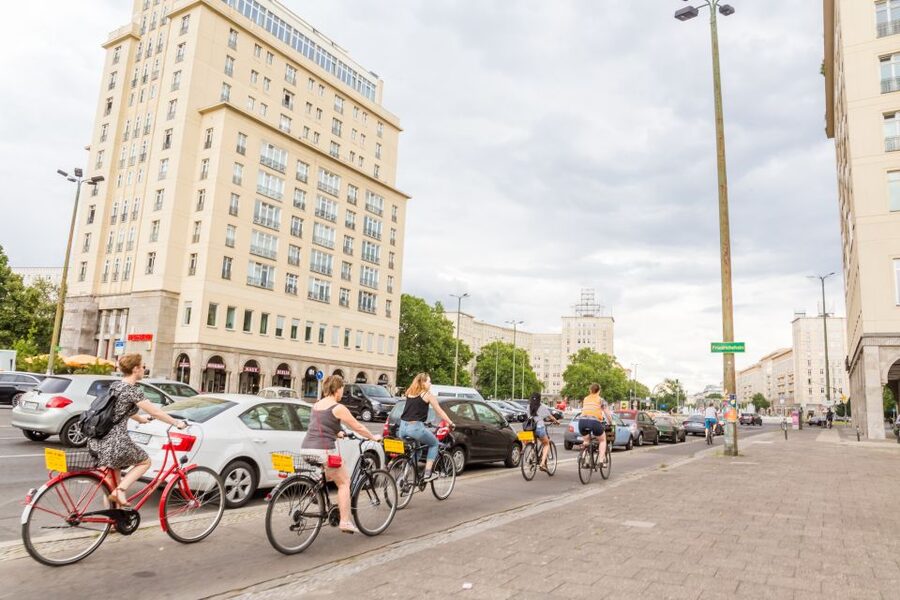
Book it if you want to get your bearings early in your Berlin visit, enjoy cycling at a relaxed pace, and prefer neighborhoods over a checklist of famous monuments. It suits couples, families with cycling-age children, and solo visitors who like meeting a small group.
It is especially useful for anyone interested in Berlin’s divided past and its alternative present. You will see East German architecture, the Wall, post-reunification change, street art, parks, nightlife areas, and river paths in one connected story.
Think twice if you dislike riding near traffic, need frequent food stops, or want a tour focused on major central sights such as the Brandenburg Gate or Museum Island. Those are not the focus here. This is a neighborhood ride, and its reward is the wider view of how Berlin grew and changed.
Free cancellation is available up to 24 hours before the start, and you can reserve now and pay later. Since the meeting point can vary by the option you choose, check the exact details before setting out.
FAQ
How long does the bike tour last?
The activity is listed as three hours, or 210 minutes, while the detailed information describes a three-and-a-half-hour ride. Check the available departure details for the exact timing of your selected option.
How far do you cycle?
You cover about 17 kilometers at a relaxed pace, with time for photographs and questions.
Which neighborhoods does the tour visit?
The route usually begins in Prenzlauer Berg, continues through Friedrichshain, crosses the Oberbaumbrücke, and explores Kreuzberg. Stops and areas include Volkspark Friedrichshain, Karl-Marx-Allee, Boxhagener Platz, RAW Tempel, the East Side Gallery, Görlitzer Park, and SO36.
Is the East Side Gallery included?
Yes. The tour rides along the largest remaining section of the Berlin Wall, known as the East Side Gallery.
What languages are available?
The live tour guide may lead the tour in English, Dutch, or German.
What is included with the bicycle?
A rental bicycle is included. The bicycles have baskets for light bags. Helmets and gloves are available on request, and the provider supplies sunscreen, trouser clips, and rain ponchos for bad weather.
Can I cancel the booking?
You can cancel up to 24 hours in advance for a full refund. You can also reserve your place and pay later, depending on the booking option.
Should you book the Berlin alternative bike tour?
I would book this tour early in a Berlin stay, especially if you want to understand the city beyond its main monuments. The route covers a lot, the pace is friendly, and the best guides turn the ride into a thoughtful look at Berlin’s Wall-era past and changing neighborhoods.
Choose it for the East Side Gallery, Spree scenery, street art, and personal stories from guides such as Anna, Patricia, Andy, or Oli. Skip it only if city cycling makes you uneasy or if you prefer museums and central landmarks. For most active visitors, $41 buys a useful first look at the Berlin you would miss from a sightseeing bus.
Newly added rides around Berlin
- Potsdam Bike Tour with Rail Transport from Berlin★ 4.5 · 81 reviews
- Berlin: Guided Private Bike Tour to Explore the Highlights★ 5.0 · 12 reviews
- Alternative Berlin Bike Tour – Off the Beaten Tracks in Small Groups★ 5.0 · 99 reviews
- Small-Group Historical Bike Tour in Berlin★ 4.5 · 103 reviews
- Berlin : The best bike tour with a Berlin guide and insider tips★ 5.0 · 14 reviews
- Half-Day Bike Tour of Berlin’s Lesser Known And Historical Sites★ 5.0 · 10 reviews
- Berlin Wall and Cold War Bike Tour in Small Groups★ 5.0 · 114 reviews
- Berlin : Guided Private Sightseeing Tours with Funbikes, Teambikes★ 5.0 · 20 reviews
Berlin Bike Tours, compared.
Sights and Highlights Bike Tour with a Local Guide
Read our review →
Berlin Highlights Sightseeing Bike Tour in Small Groups
Read our review →
Cold War & Berlin Wall History Guided Bike Tour
Read our review →Browse the lists this tour appears in