
REVIEW · BERLIN BIKE TOURS
Berlin: Cold War & Berlin Wall History Guided Bike Tour
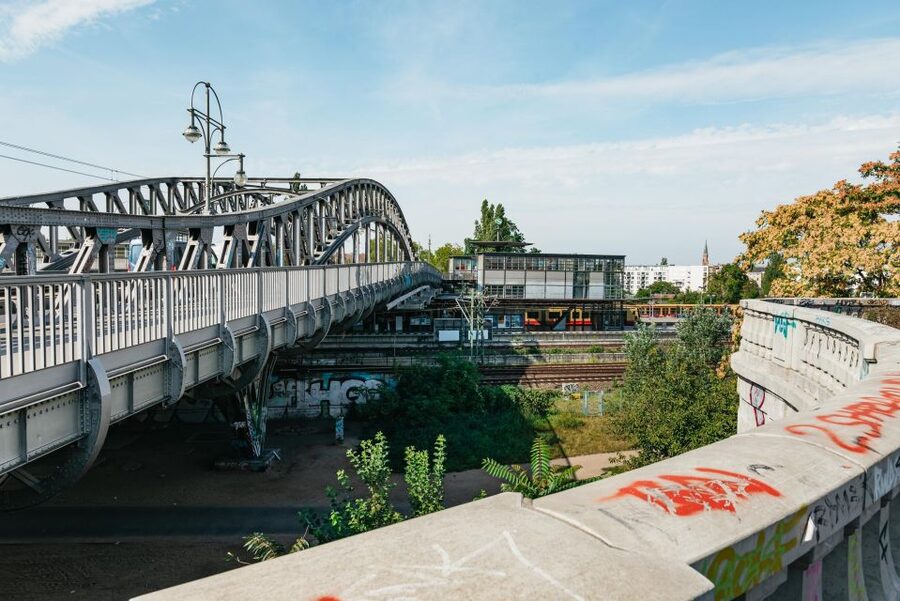
Berlin’s past is best understood on two wheels. This 210-minute ride follows the former border from Prenzlauer Berg to Brandenburg Gate, linking Wall remains, escape stories, and Cold War landmarks in a way that makes the city’s division easier to grasp. I especially like the relaxed 15-kilometer pace and the chance to reach Wall sites that are easy to miss on foot. The main drawback is simple: rain, road closures, or a major event such as the Berlin Half Marathon can force changes to the route.
I also like the wide choice of bicycles and the guide’s role in turning scattered pieces of concrete and empty border space into a clear story. Guides such as Paul, Oleg, Lauren, Anna, Jacob, Isabelle, and Guv have earned praise for strong storytelling, humor, patience, and practical route handling. Just remember that this is still a city ride, so you need comfortable clothes, steady attention, and enough confidence to cycle for several hours.
Key points to know before you book

- 15 kilometers at an easy pace: The route covers a broad slice of Berlin without turning into a race.
- Former border crossings: Bornholmerstraße and Checkpoint Charlie help show how the division worked in daily life.
- A strong historical thread: The guide explains why the Wall went up, how people tried to cross it, and how it fell.
- Good mix of famous and quieter sites: You see Brandenburg Gate and Mauerpark, plus less obvious Wall traces.
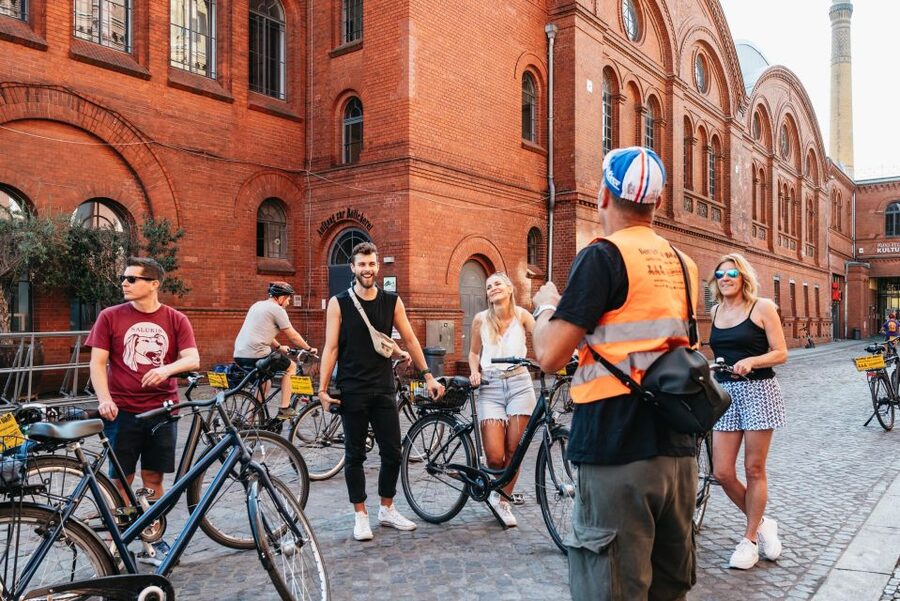
- Kulturbrauerei starting point: The tour begins inside a striking 19th-century brewery complex in Prenzlauer Berg.
- Useful practical support: Bikes, sunscreen, trouser clips, and rain ponchos are provided, with helmets and gloves available on request.
Why a bicycle works so well for Berlin’s Wall story
Berlin’s Cold War sites are spread across a large part of the city. You can visit Checkpoint Charlie on foot, but getting from there to Bernauerstraße, Mauerpark, Bornholmerstraße, and Brandenburg Gate takes time and a fair bit of map work.
A bicycle solves that problem. You cover up to 15 kilometers while staying close to the former border for much of the route. The distance is not meant to test your legs. It gives you the reach to connect places that make more sense together.
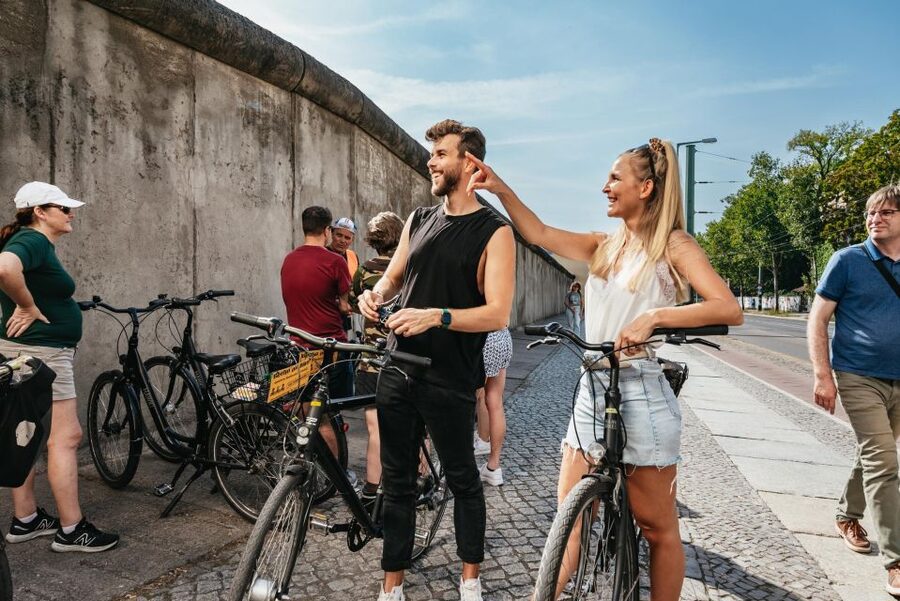
I like the way this tour treats the Wall as more than a preserved strip of concrete. You see physical remains, former crossings, watchtower traces, and open spaces, but the guide also explains the people affected by the barrier. That human angle matters. Without it, Berlin’s Wall sites can feel like isolated memorials rather than parts of one difficult story.
The relaxed pace also leaves room to stop, listen, and ask questions. Several guides have been praised for keeping larger groups together, adjusting routes when needed, and explaining complicated events in plain language. That is useful in Berlin, where a short ride can cross several layers of twentieth-century history.
More Historic Bike Tours in Germany
- Berlin Wall History Small Group Cycling Tour
★ 4.9 · 152 reviews - Small-Group Historical Bike Tour in Berlin
★ 4.5 · 103 reviews - Berlin (E)Bike Tour Historical Highlights in Small groups
★ 4.5 · 24 reviews
Starting at Kulturbrauerei in Prenzlauer Berg
The meeting point is the Berlin on Bike depot inside Kulturbrauerei, a former 19th-century brewery in Prenzlauer Berg. The complex itself gives you an appealing start. Its old industrial buildings now hold cultural spaces, so you are not waiting beside an anonymous rental counter.
From Alexanderplatz, take the red U2 toward Pankow for three stops to Eberswalder Straße. Leave through the exit marked Kulturbrauerei, then walk along Danziger Straße for about 150 meters. Turn right onto Knaackstraße, enter through the large doorway, and follow the yellow signs to the bicycle depot.
Give yourself enough time to find the depot. The directions are clear, but Kulturbrauerei is a large complex, and a calm arrival is better than rushing in at the last minute.
At the depot, you can choose from a large fleet. That is more important than it sounds. A bicycle that fits your height and feels natural under your hands makes a long urban ride much easier. One useful tip comes from a past rider: if you are not used to a coaster brake, choose a bicycle with hand brakes instead. Ask staff to explain the controls before leaving.
Helmets and gloves are available on request. Sunscreen and trouser clips are included, and rain ponchos are available in bad weather. You should still wear comfortable shoes and clothes, since the tour lasts three and a half hours.
Mauerpark and the first Wall traces
The ride heads toward Mauerpark, a well-known public space in Prenzlauer Berg. Its name refers to the former Wall zone, and the park helps you understand how the border once cut through ordinary city districts.
This part of the route is useful because it does not begin with a single grand monument. Instead, you start to see how the border occupied everyday ground. Streets, homes, and neighborhoods once ended at a controlled strip of concrete, fencing, lights, and patrol routes.
Your guide supplies the missing context. The Wall did not appear as a finished barrier all at once. The explanation covers why East Germany built it, how the border developed, and what the division meant for people living on both sides.
Mauerpark can also be lively, so you should expect a city setting rather than a quiet memorial garden. That is part of the point. The former border is now mixed into normal Berlin life, and the contrast between present-day use and past restrictions can be striking.
Bernauerstraße and the human cost of division
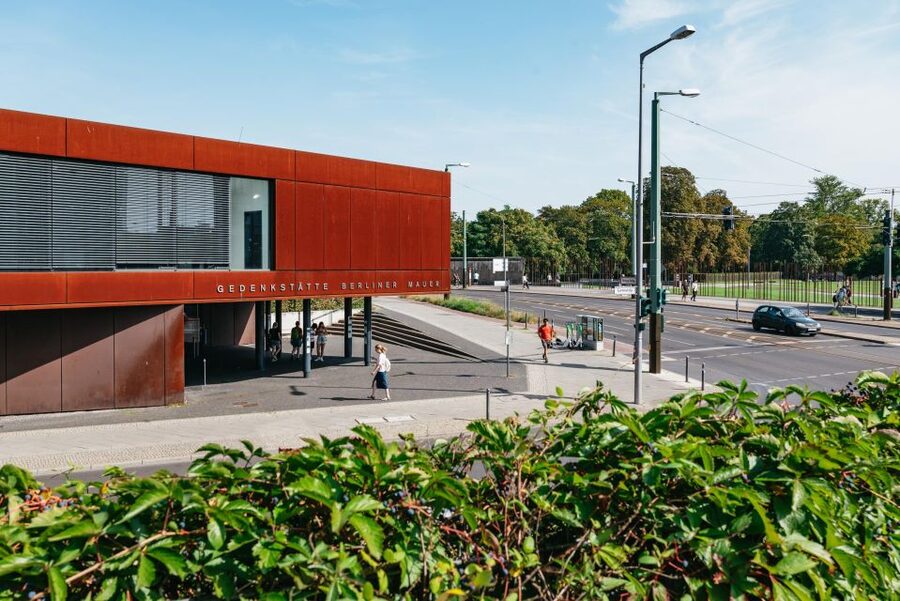
Bernauerstraße is one of the strongest stops on the route. The street became a symbol of division because the border ran directly through a built-up neighborhood. The stories here help put faces and choices to the larger political conflict.
This is where the tour’s storytelling matters most. You hear about successful and tragic escape attempts, not as abstract numbers but as individual efforts shaped by fear, planning, luck, and loss. Guides are encouraged to answer questions, and past groups have singled out their patience and ability to explain difficult material without making the ride feel like a lecture.
The Wall’s impact on Berliners becomes clearer here than at many isolated fragments. Families, neighbors, and streets were divided by a barrier that changed daily routines overnight. The guide also explains how the border system worked, including the role of crossings and watchtowers.
You may have seen photographs of the Wall before arriving in Berlin. Bernauerstraße gives those images a physical setting. The value of a guided visit is that you are not left to guess what a remaining section represents or how the surrounding area changed over time.
More Historic Bike Tours in Berlin:
- Half-Day Bike Tour of Berlin’s Lesser Known And Historical Sites
★ 5.0 · 10 reviews - Historical Singapore Bike Tour on Full-Sized Bicycles
★ 5.0 · 1,421 reviews - Barcelona: 2.5-Hour Bike or E-Bike Historical Tour
★ 4.5 · 1,262 reviews - Asheville Historic Downtown Guided Electric Bike Tour with Scenic Views
★ 5.0 · 1,234 reviews
Bornholmerstraße and the Wall’s sudden collapse
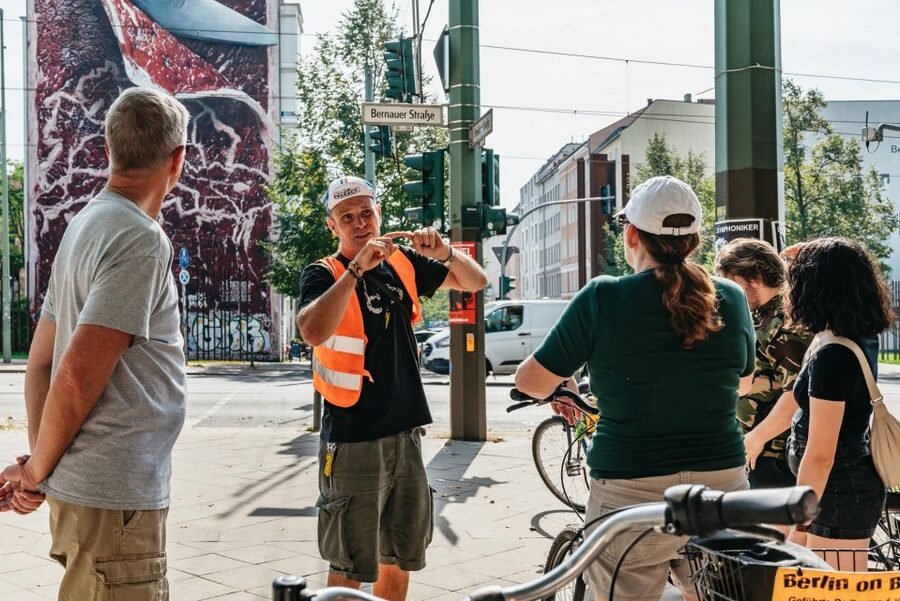
Bornholmerstraße was one of the former border crossings included on the ride. It helps explain that the Wall was not just a line on a map. It was a system of gates, checks, watch positions, and rules that controlled movement between East and West Berlin.
The guide connects this crossing to the events of November 1989, when the Wall opened after almost 30 years. The story of its fall is especially effective by bicycle because you move through the same connected city that had once been split apart.
Expect a clear account of how political pressure, public demonstrations, confusion, and a mistaken announcement helped bring the border down overnight. The tour does not treat the fall of the Wall as a tidy ending. You also hear about its lasting effect on Berliners and the different memories attached to reunification.
That balance is one of the tour’s strengths. It explains the Cold War from a broadly neutral perspective rather than reducing the past to a simple good side and bad side. You get political context, but you also hear about people who had to live with the results.
Checkpoint Charlie and the familiar symbols
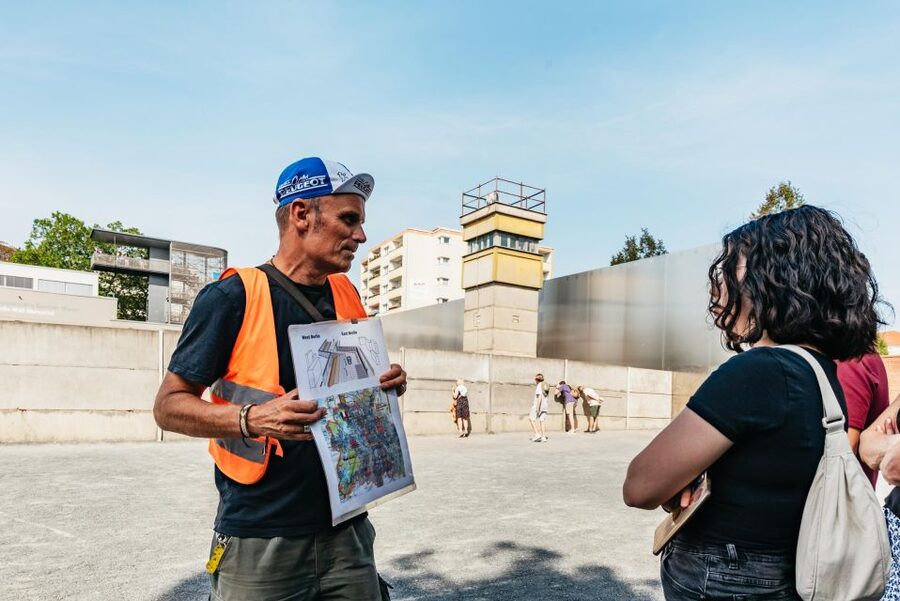
Checkpoint Charlie is Berlin’s best-known Cold War crossing, and it is an obvious stop on a tour about the Wall. Its fame can also make it feel more staged than other sites, so the guide’s explanation is valuable.
Here you learn what the crossing represented and why it became such a powerful symbol of the confrontation between East and West. The surrounding area is busy with visitors and modern businesses, which can make it hard to picture the original border controls without help.
This is one reason I would not use Checkpoint Charlie as your only Wall stop. On its own, it gives you a famous name and a photo opportunity. Set alongside Bornholmerstraße, Bernauerstraße, Mauerpark, and the watchtower, it becomes one part of a much larger story.
The ride also includes one of the last watchtowers. That offers a different view of the border system. Instead of focusing on political speeches or famous images, you see the physical machinery used to monitor movement and prevent escape.
Brandenburg Gate and the final stretch
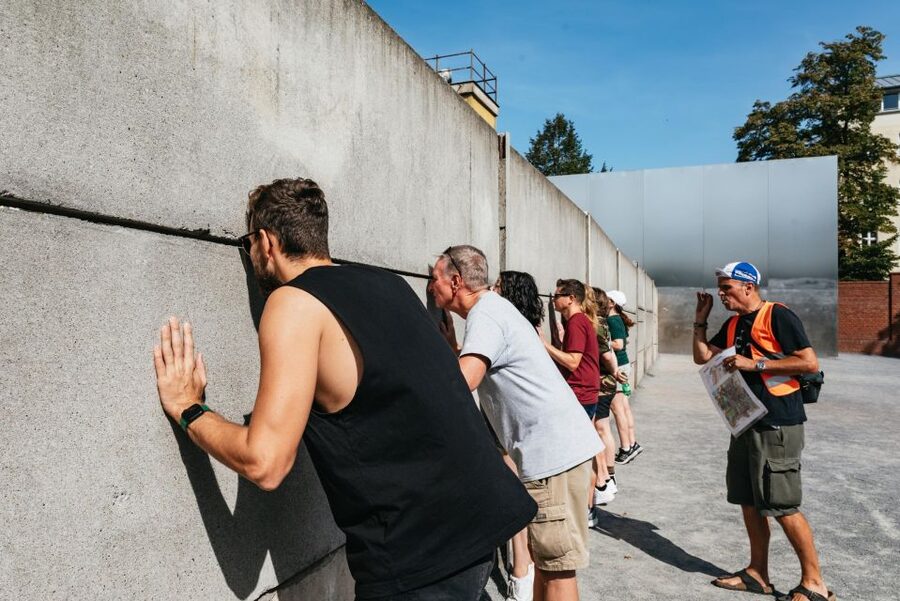
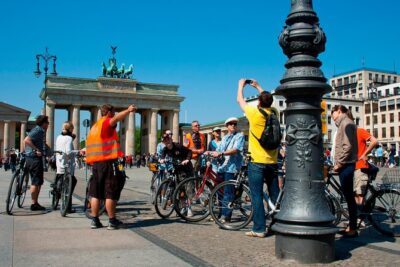
The route continues through Bernauerstraße toward Brandenburg Gate, one of Berlin’s defining landmarks. The gate dates from the 18th century, long before the Cold War, but its location made it a major symbol during the city’s division.
Your guide explains its origins and changing meaning. It began as a royal city gate, later became linked with German national identity, and during the Wall years sat near the border between East and West Berlin. Its story helps place the Cold War inside the longer history of Berlin rather than treating 1989 as an isolated event.
Arriving there by bicycle gives the tour a satisfying sense of connection. You have followed the former border through residential districts, memorial areas, and well-known crossings, then reached the landmark most associated with a reunited Berlin.
Brandenburg Gate is also likely to be crowded. You may not get a long quiet pause, but the stop is still useful because the guide links the monument to the political changes that reshaped the city.
After the gate, you return to the bicycle depot to drop off your bike. The full outing lasts 210 minutes, so you should plan the rest of your day with enough breathing room rather than scheduling another tight appointment immediately afterward.
The guides make the difference
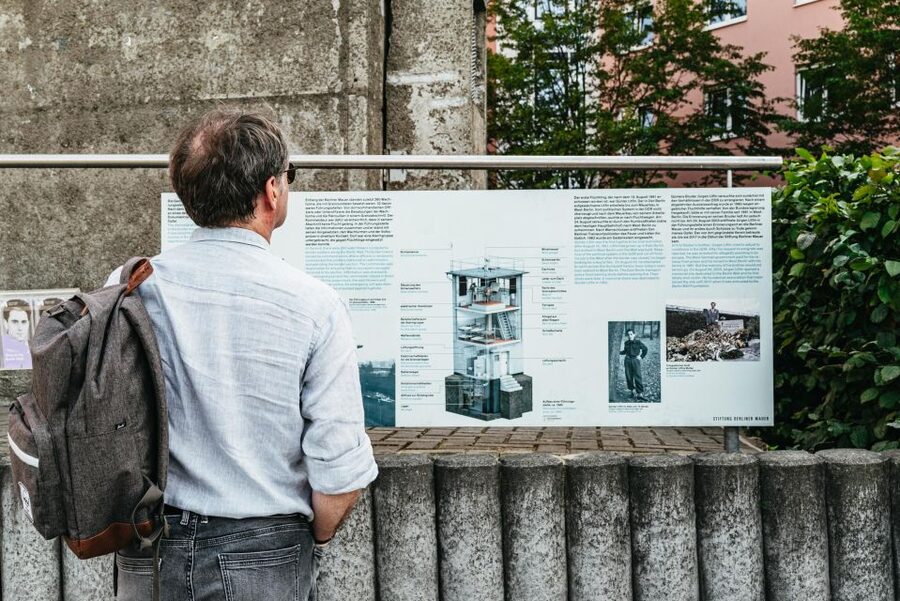
The strongest praise for this experience centers on the guides. Paul has been described as enthusiastic, approachable, funny, and especially good at handling questions. Oleg has earned similar praise for his route knowledge and clear explanations.
Lauren and Anna were singled out for bringing the Wall’s stories to life and adapting the discussion to the group’s interests. Jacob received praise for explaining the causes of the Wall, the people affected by it, and the events that led to its fall. Isabelle was called fantastic, while Guv was appreciated for using bike paths that many visitors would not find alone.
That range of names suggests the quality is not tied to one individual guide. Still, live tours can vary in tone. You might get a more humorous presentation, a more academic one, or a guide who spends extra time on escape attempts and personal stories.
The language choices are English, French, Dutch, and German. If the subject matters deeply to you, the guide’s ability to answer follow-up questions may be more important than the exact route. A good question can turn a passing stop into the most memorable part of the morning or afternoon.
Pace, roads, weather, and practical comfort
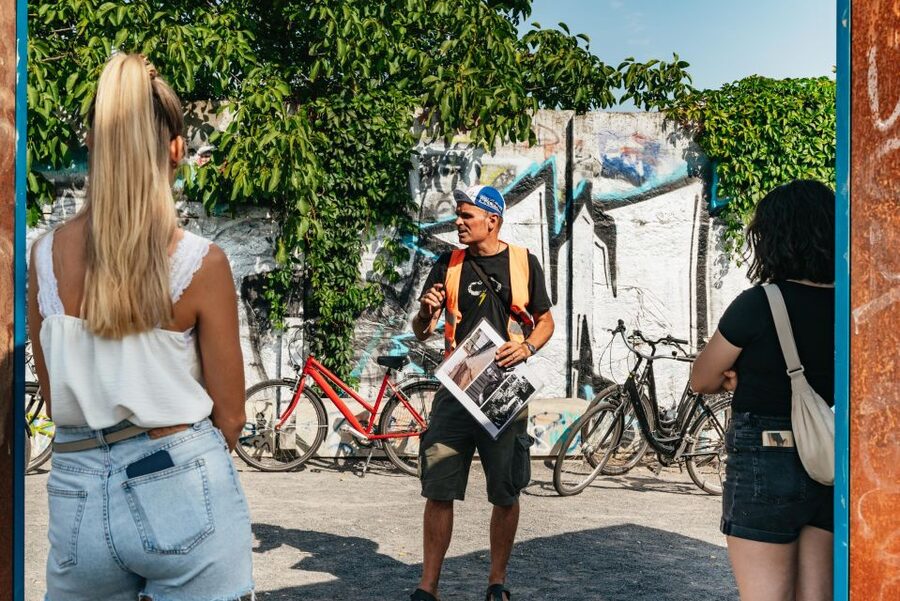
The ride is described as relaxed, but you still need to be comfortable on a bicycle for up to 15 kilometers. Comfortable shoes and clothing are essential. The tour is not suitable for children under eight.
Berlin is well suited to cycling, and several riders praised the easy pace and pleasant riding conditions. Even so, city roads bring normal complications. Construction, public events, traffic, or a race can affect the route. One ride had to work around the Berlin Half Marathon, and the guide adjusted as well as possible.
Rain does not automatically ruin the experience. Rain ponchos are available, and one group still enjoyed its ride in wet conditions. But bad weather can make listening, stopping, and cycling less pleasant, so check the forecast and dress sensibly.
The tour includes sunscreen and trouser clips, practical touches that help on a longer ride. Helmets and gloves are available on request. Alcohol and drugs are not allowed.
Is $41 a good value?
At $41 per person, this is a fair price for a three-and-a-half-hour guided ride with a bicycle included. You are paying for more than bike hire. The useful value comes from the route design, historical explanation, guide support, and access to several separate Wall sites in one outing.
A self-guided visit could cost less if you already have a bicycle and are happy to research the history yourself. The catch is time. You might see Checkpoint Charlie and Brandenburg Gate easily, but connecting those places with Bernauerstraße, Bornholmerstraße, Mauerpark, and the watchtower takes planning.
I think the price makes the most sense early in a Berlin visit. The ride gives you a geographic framework for the city, so later visits to museums and memorials have a clearer setting. It also suits anyone who wants substance without spending several hours indoors.
Free cancellation up to 24 hours before departure and reserve-now, pay-later booking add flexibility. A private group is available if you want a more personal format or have a group with specific interests.
Who should book this Berlin bike tour?
You should book it if you want to understand how the Wall affected real neighborhoods, not just collect photos of famous landmarks. It is especially useful for first-time visitors who want to cover a lot of ground without joining a bus.
The tour fits couples, friends, and families with children aged eight or older who can manage the distance. It also works well for people who enjoy asking questions and hearing several viewpoints on a politically charged subject.
You may want a different experience if you dislike cycling, have difficulty riding for three and a half hours, or prefer a slow indoor museum visit. Checkpoint Charlie alone will not give you the full picture, and this outing asks you to stay engaged while moving between sites.
I would book it for the combination of reach and explanation. The bicycles get you across the city, but the guides give meaning to places you could otherwise pass without noticing. Choose a bike carefully, arrive early at Kulturbrauerei, and leave room in your schedule for the tour to run at its natural pace.
FAQ
How long does the Berlin Cold War bike tour last?
The tour lasts 210 minutes, or three and a half hours.
How far will the group cycle?
The tour covers approximately 15 kilometers at a relaxed pace.
Where does the tour begin?
It begins at the Berlin on Bike Depot inside the Kulturbrauerei complex in Prenzlauer Berg.
How do I reach the meeting point from Alexanderplatz?
Take the U2 red line toward Pankow for three stops and get off at Eberswalder Straße. Use the exit marked Kulturbrauerei, walk about 150 meters along Danziger Straße, turn right onto Knaackstraße, and follow the yellow signs inside the complex.
Which languages are available?
The live guide is available in English, French, Dutch, and German.
Is a bicycle included?
Yes. A bicycle is included, and you can select a suitable bicycle from a large fleet.
Are helmets and gloves provided?
Helmets and gloves are available upon request. Sunscreen and trouser clips are included, and rain ponchos are available in bad weather.
Is the tour suitable for children?
The tour is not suitable for children under eight years old.
Can I cancel or pay later?
You can cancel up to 24 hours in advance for a full refund. Reserve-now, pay-later booking is also available.
More History Tours in Berlin
- Historic Athens: Small Group Electric Bike Tour
★ 4.9 · 966 reviews - Bordeaux: Historic Center & Chartrons District Bike Tour
★ 4.8 · 709 reviews - Intramuros, Manila: Historical Bamboo Bike Tour
★ 4.8 · 583 reviews - Historic Bike Tour in Tucson
★ 5.0 · 553 reviews
Newly added rides around Berlin
- Potsdam Bike Tour with Rail Transport from Berlin★ 4.5 · 81 reviews
- Berlin: Guided Private Bike Tour to Explore the Highlights★ 5.0 · 12 reviews
- Alternative Berlin Bike Tour – Off the Beaten Tracks in Small Groups★ 5.0 · 99 reviews
- Small-Group Historical Bike Tour in Berlin★ 4.5 · 103 reviews
- Berlin : The best bike tour with a Berlin guide and insider tips★ 5.0 · 14 reviews
- Half-Day Bike Tour of Berlin’s Lesser Known And Historical Sites★ 5.0 · 10 reviews
- Berlin Wall and Cold War Bike Tour in Small Groups★ 5.0 · 114 reviews
- Berlin : Guided Private Sightseeing Tours with Funbikes, Teambikes★ 5.0 · 20 reviews
Berlin Bike Tours, compared.
Sights and Highlights Bike Tour with a Local Guide
Read our review →
Berlin Highlights Sightseeing Bike Tour in Small Groups
Read our review →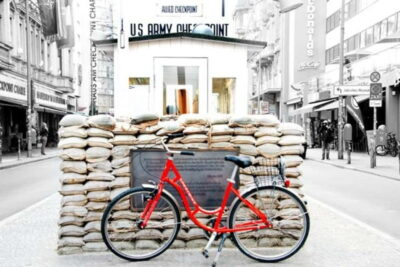
Alternative Bike Tour of Kreuzberg & Friedrichshain
Read our review →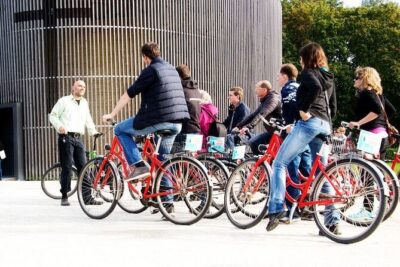
Browse the lists this tour appears in