
REVIEW · NEW YORK CITY BIKE TOURS
NYC: Radical and Weird History Bike Tour of Manhattan
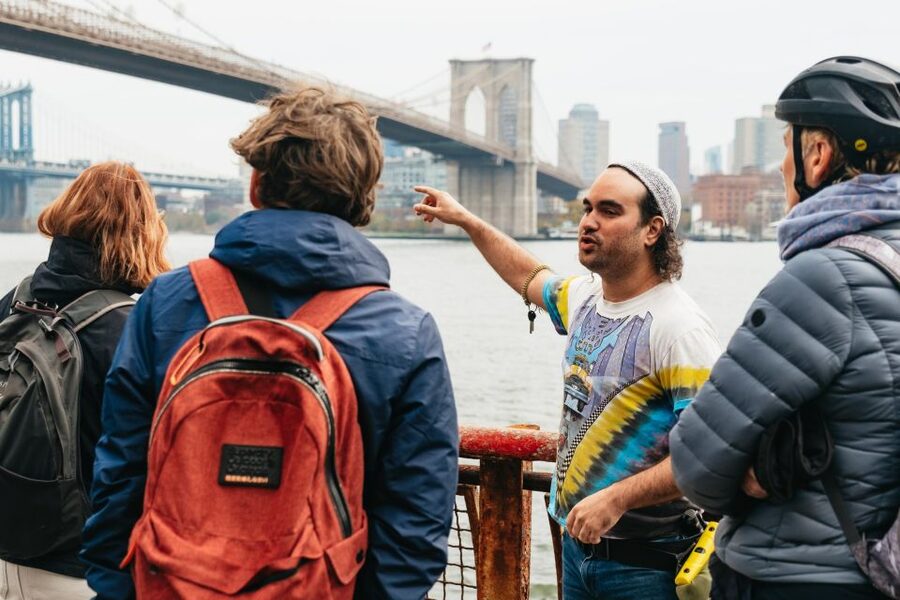
New York has stranger stories than its skyline suggests. This four-hour bicycle tour rolls through Lower Manhattan, linking familiar districts with overlooked places and the stories behind radical politics, counterculture, immigrant life, and local oddities. A working bike messenger helped shape the route, so the focus is not only on what you see, but also on how you move through city traffic.
I like the street-level safety and the way the tour moves beyond standard sightseeing. I also like the personal touch: guides such as Robby, Holden, Robert, and Kevin have been praised for their humor, local insight, and ability to adjust the outing to the group. The main thing to watch is the price structure. The advertised $46 covers the bike rental, while a recommended $40 guide payment is made directly at the end, bringing the expected total to about $86 per person.
Key things to know before you book
- A bike messenger shaped the route: You get practical street sense, not just a string of stops.
- The history is unusual: Expect stories about Beatnik Greenwich Village, Yiddish anarchists, Lenin, and other less familiar chapters.
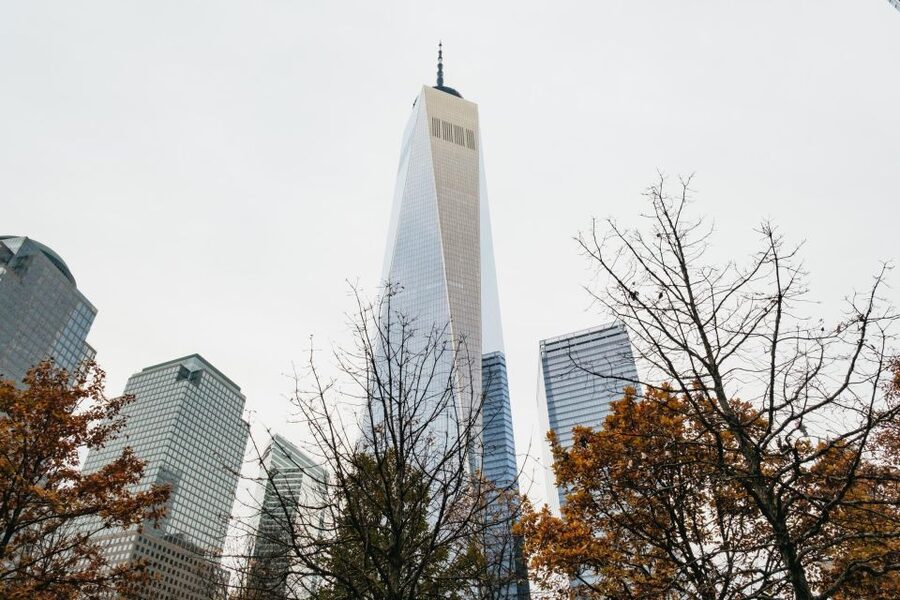
- Lower Manhattan is the main stage: The route begins and ends at 79 Chambers Street in TriBeCa.
- The pace suits mixed abilities: The route is described as safe and suitable for riders of all skill levels.
- A mid-tour snack is listed: Clarify the food arrangement, since one participant reported paying separately for food and drink.
- The guide matters here: Robby, Holden, Robert, and Kevin have all received strong praise for humor, flexibility, or traffic handling.
Why this Manhattan bike ride feels different
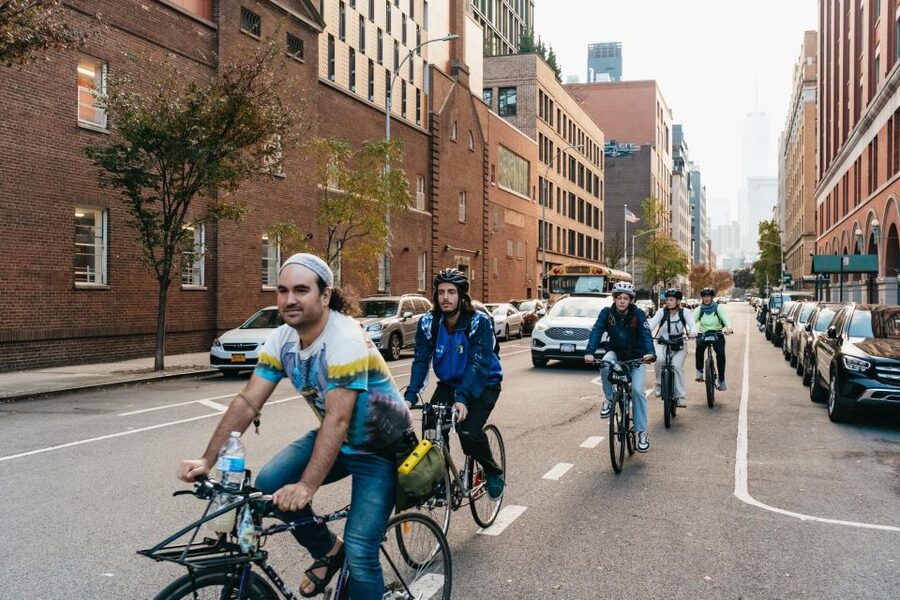
Many Manhattan tours work like a checklist. You pass the big buildings, hear a few famous names, take photographs, and move on. This one uses the city as a set of clues. A side street, an old building, or a strange statue can open a door into a much larger story.
The subject matter is particularly appealing if you already know the basics of New York. Instead of spending four hours on only the Empire State Building, Wall Street, or the Statue of Liberty, you get stories connected to the Beatnik era, the Yiddish anarchist movement on the Lower East Side, and counterculture in Greenwich Village.
That does not mean famous areas disappear. You still ride through TriBeCa, the Lower East Side, East Village, Greenwich Village, the West Village, and the Meatpacking District. The difference is the angle. These districts become places where artists, radicals, immigrants, organizers, and outsiders shaped the city.
The tour also benefits from its guide-led format. Robby was praised for changing the route or emphasis around the interests of the group. One solo participant appreciated that the tour still operated with only one person booked. That flexibility matters on a history outing, since a good guide can spend more time on a subject that catches your attention instead of forcing every group through a rigid script.
More Historic Bike Tours in the USA
- Asheville Historic Downtown Guided Electric Bike Tour with Scenic Views
★ 5.0 · 1,234 reviews - Historic Bike Tour in Tucson
★ 5.0 · 553 reviews - Palm Springs Modernism Architecture & History Bike Tour
★ 5.0 · 359 reviews
Starting in TriBeCa at 79 Chambers Street
The meeting point is Unlimited Biking Brooklyn Bridge, at 79 Chambers Street. The tour begins and ends here, which keeps the logistics simple. You do not need to work out a second pickup point in another neighborhood, and you can plan the rest of your day from the same part of Lower Manhattan.
The opening TriBeCa section lasts about 20 minutes. This gives you time to get comfortable with the bicycle, the group, and the guide before the route becomes more demanding. The exact riding distance and group size are not provided, so I would arrive ready for a city ride rather than a leisurely park outing.
The local guide is central to the experience. Robert could not lead one scheduled outing because he was ill, but he arranged for Kevin, another guide, to take over. Kevin was praised for listening carefully to the group and showing a less familiar side of New York. That is a useful sign of professionalism, though you should understand that your guide may vary by date.
The Lower East Side and its radical past
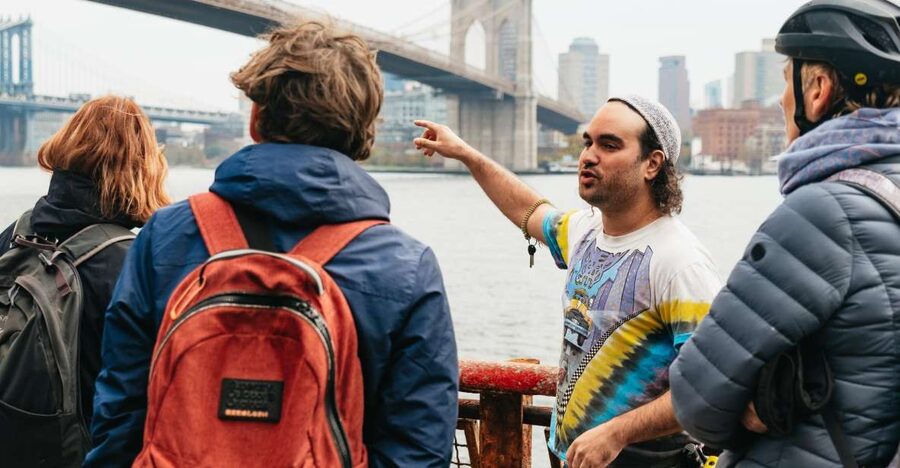
The Lower East Side receives about 45 minutes of guided attention, making it one of the longer sections of the tour. This is where the outing gets much of its political and social character.
You learn about the Yiddish anarchist movement, an important part of the area’s past that is easy to miss if you only focus on food, nightlife, or old tenement façades. The subject gives the neighborhood a wider meaning. It was not simply a place where people arrived and lived. It also became a setting for political debate, organizing, labor activity, and arguments about how society should work.
I like this part because it connects local streets to movements that crossed language and class lines. It also shows why a bicycle is useful here. You can move from one small point to another without spending much of the tour underground or inside a vehicle.
The route then includes two short visits listed as an overlooked place and a secret stop, each about 15 minutes. The specific names are not provided, which is part of the appeal but also means you should not book this expecting a fixed list of famous attractions. These stops seem designed for the guide’s own local stories, so the exact experience may change with the guide and the day.
A pause for a local snack
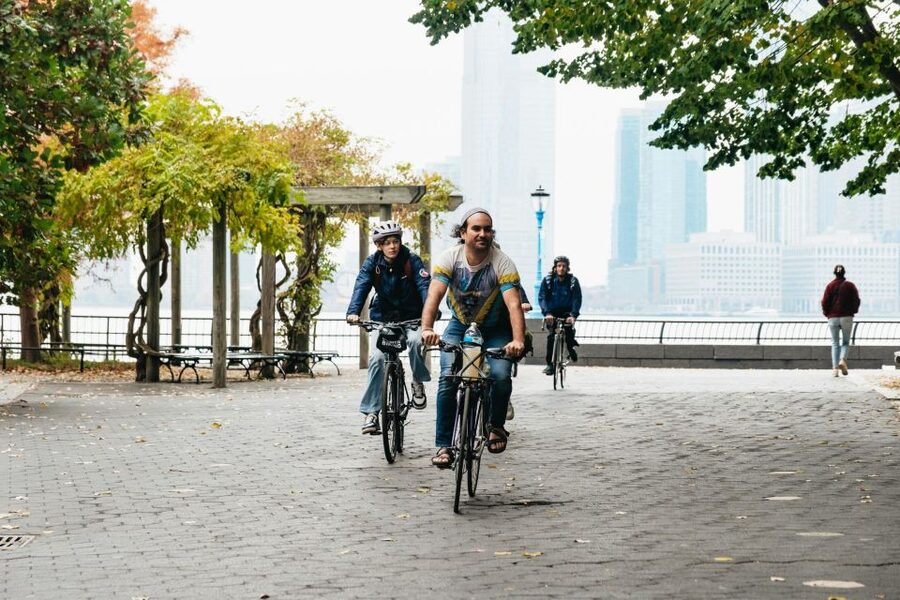
The mid-tour break lasts around 20 minutes and includes local snacks in the tour details. This is a welcome feature on a four-hour ride. You get a chance to rest, eat something, and let the history settle before returning to the bicycle.
There is one important pricing wrinkle. The experience information presents a snack as included, but one participant reported being asked to pay separately for food and drink. I would ask for clarification before setting out, especially if you are trying to keep the total cost exact.
Do not expect this break to function like a full meal. It is best viewed as a short pause within an active tour. If you need a substantial lunch, plan to eat before or after the ride.
More Historic Bike Tours in New York City:
- Historical Singapore Bike Tour on Full-Sized Bicycles
★ 5.0 · 1,421 reviews - Barcelona: 2.5-Hour Bike or E-Bike Historical Tour
★ 4.5 · 1,262 reviews - Krakow: Bike Tour of Old Town, Jewish Quarter and the Ghetto
★ 4.9 · 1,155 reviews - Malaga Bike Tour – Old Town, Marina & Beach
★ 4.7 · 1,150 reviews
East Village: one hour of stories and street life
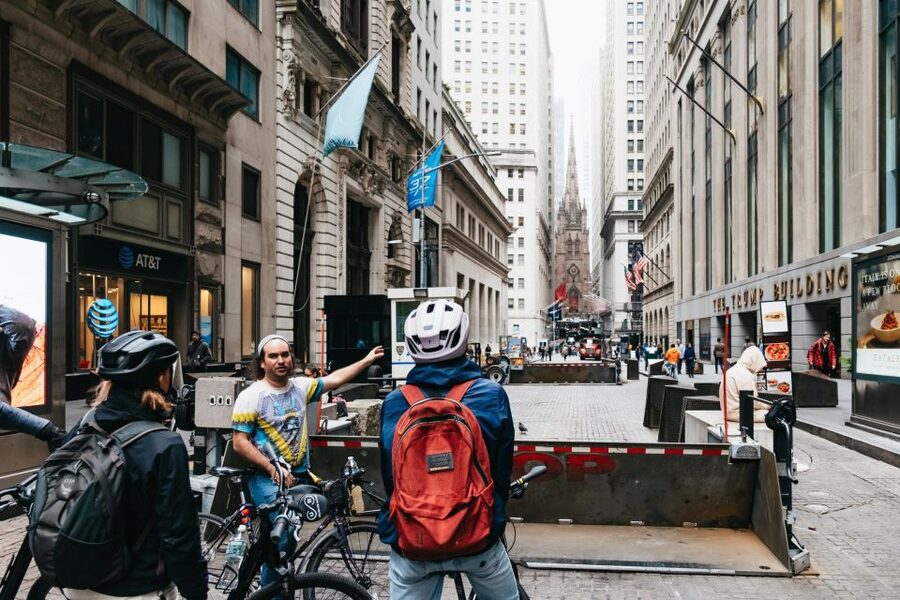
The East Village gets the longest stop, about one hour. That timing tells you something about the tour’s priorities. This is not a quick pass through the neighborhood. You have room for several stories, questions, and short stops.
The district fits the tour’s themes well. It has long been associated with artists, alternative scenes, political activity, and changing immigrant communities. The guide’s personal interests are likely to shape this section, since the tour includes material that goes beyond standard New York history.
One particularly memorable detail from the experience is a Lenin statue on a building and the story attached to it. That kind of stop captures the appeal of the tour. You are not simply looking at an object. You are getting the reason it is there, what it says about the neighborhood, and how it connects to larger political currents.
The East Village portion may be the best match for you if you enjoy odd details more than polished attractions. It also rewards curiosity. Ask questions when a story catches your attention, since guides have been praised for adjusting the tour around the interests of the people riding.
Greenwich Village and the Beatnik era
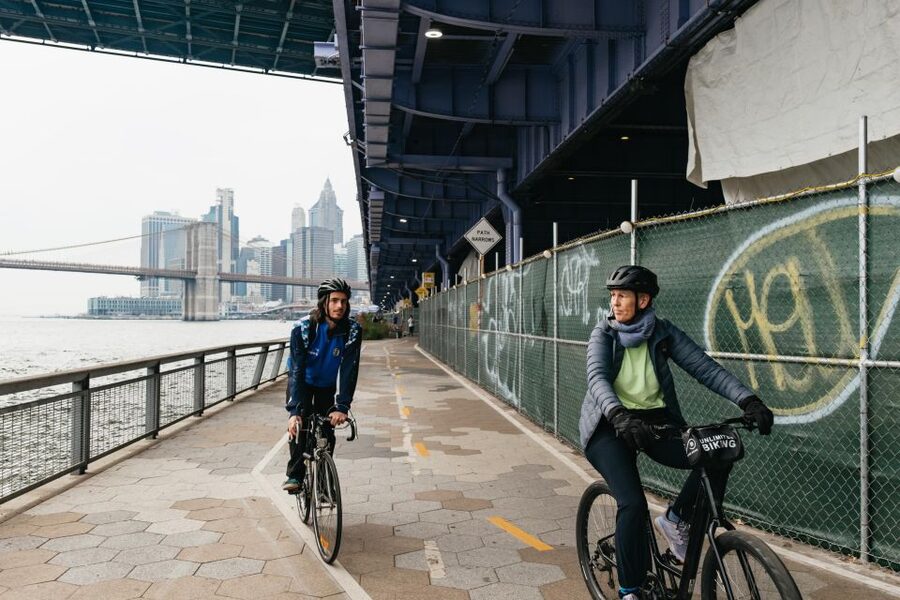
The route continues into Greenwich Village for about 20 minutes. Here the focus shifts toward the Beatnik era and the area’s role as a center for writers, artists, musicians, and nonconformists.
The time is shorter than the East Village section, so you should expect a focused introduction rather than a full survey of Village history. Still, this stop helps connect the tour’s political stories with its cultural ones. The same broad question keeps returning: who gets to shape a city, and how do new ideas find room in old neighborhoods?
Greenwich Village can be crowded and visually distracting, especially around popular streets. A bike tour gives you a different view than a walking route, but it also means you need to stay alert. The guide’s traffic experience is valuable here. Robby was praised for choosing good cycling routes and moving calmly through Manhattan traffic.
West Village and the Meatpacking District
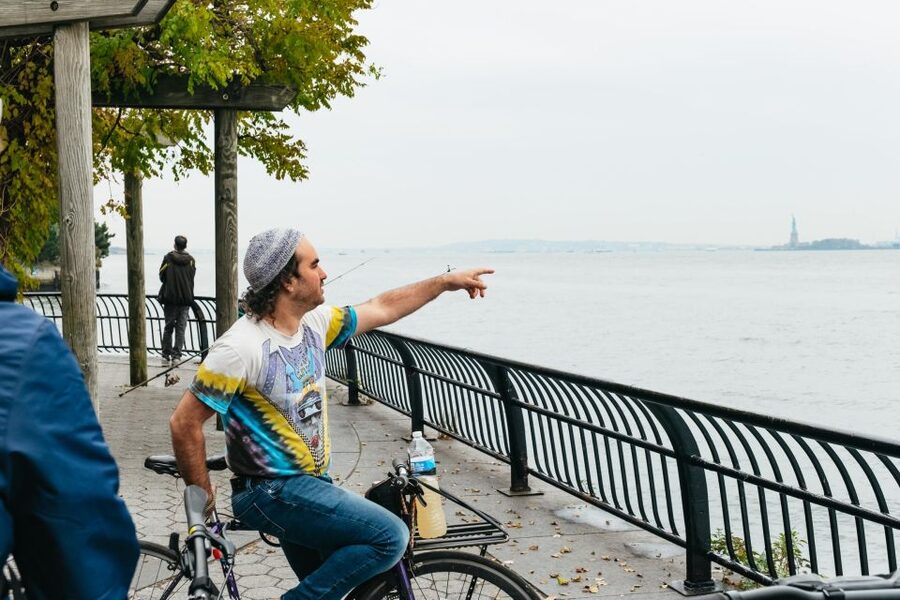
The West Village section lasts about 25 minutes. You can expect more neighborhood history and unusual local details rather than a long stop at one major attraction. The area is visually charming, but the tour’s goal is to explain what lies beneath the familiar streets.
The final guided section is in the Meatpacking District and takes about 10 minutes. This is a brief closing look before the ride returns to TriBeCa. The district is now associated with restaurants, shops, and renovated public spaces, but the tour’s wider approach may place more weight on how the neighborhood changed over time.
Because the route covers several districts, you get a broad sense of Lower Manhattan rather than a full, detailed treatment of every neighborhood. That is a fair trade. You cover more ground and see how different parts of the city connect, but you may leave wanting a longer tour devoted only to Greenwich Village or the Lower East Side.
What the cycling feels like
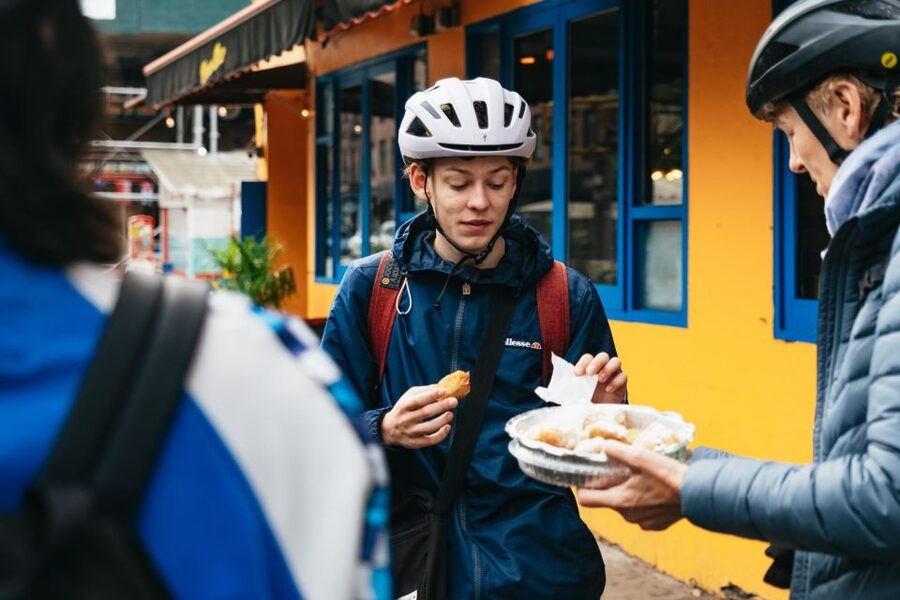
The experience is designed for riders of all skill levels, with routes selected for safety and access. Several strong guide comments focus on traffic handling. Robby was praised for moving safely through the city and finding comfortable cycling routes, while another participant said riding in Manhattan felt surprisingly relaxed under his direction.
That guidance matters more than speed. You are not racing through the city or taking a fitness class. The point is to ride between story stops without turning the outing into a stressful battle with traffic.
Still, you should be comfortable spending about four hours on a bicycle, including stops and breaks. The description does not give the mileage, bike type, or details about electric bicycles, so ask ahead if you have specific equipment needs. The language support is English only, and the live guide speaks English.
The guide can make or break the experience
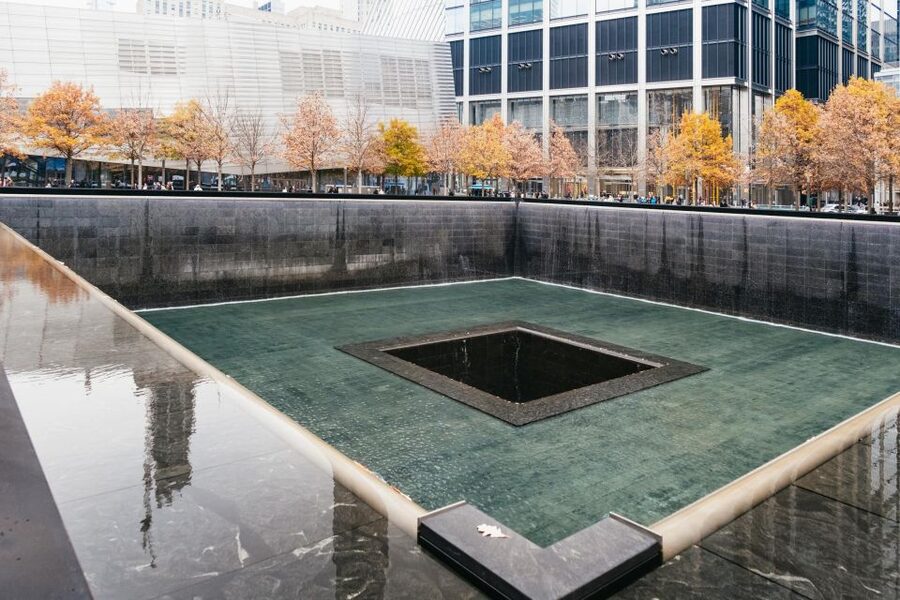
This tour relies heavily on the person leading it. The content is personal, unusual, and flexible, so the guide’s voice matters. Robby received praise for his humor, local knowledge, and ability to tailor the outing. Holden was described as friendly, funny, charming, and a strong cyclist. Kevin earned praise after stepping in for Robert and responding closely to the group’s interests.
That range of comments points to the tour’s main strength: it does not feel like a standard script delivered from a card. It also points to the main uncertainty. Since the exact guide is not guaranteed, the tone and emphasis can vary.
I would book this if you enjoy conversation and are happy to ask questions. If you prefer a carefully timed tour with every stop announced in advance, the flexible format may feel less predictable.
Is the $86 expected cost good value?
The advertised starting price is $46 per person, but that amount covers the bike rental under the newly redesigned pricing arrangement. A guide payment of $40 per person is recommended directly after the tour. In practical terms, you should budget about $86 before considering any separate snack or food charge.
That is not a cheap bicycle rental, but it can be fair value for a four-hour guided experience in Manhattan. You are paying for the bicycle, a local guide, route planning, traffic guidance, and a subject area that is harder to find on your own. The direct guide payment also sends more of your money to the local expert and avoids a service fee.
The confusing part is the presentation. One participant misunderstood the payment arrangement and suggested that a tip or guide amount be made clearer in the initial price. I agree. Treat the $46 as only the starting charge, not the likely final cost.
You also get free cancellation up to 24 hours before the start time and can reserve without paying immediately. Those terms are useful if your New York schedule is still shifting, but they do not remove the need to clarify the final price.
Who should take this tour?
I would recommend it to:
- First-time visitors who want more than famous landmarks
- Repeat visitors who already know central Manhattan
- History fans interested in political movements and counterculture
- Solo riders who appreciate a tour that may still run with one participant
- People who enjoy unusual stops and personal stories
- Cyclists who want a practical way to connect several Lower Manhattan neighborhoods
I would be more cautious if you dislike city cycling, need a fully fixed itinerary, or want a food-focused experience. The route is accessible for riders of different skill levels, but it is still a four-hour bicycle outing in Manhattan. The snack is a small break, not a substitute for a meal.
Final call: book it if you want New York’s stranger side
Book this tour if you want to hear about anarchists, Beatniks, Lenin, and overlooked corners while moving through the city by bicycle. The strongest reasons to go are the unusual subject matter, the guide’s street-level traffic skills, and the chance to shape the conversation around your interests.
Before booking, budget roughly $86 per person, confirm the guide payment, and ask how the snack is handled. If those details are clear and you like history with a slightly unconventional point of view, this is a smart way to spend four hours in Lower Manhattan. If you want a predictable landmark checklist, choose a more traditional city tour instead.
FAQ
Where does the bike tour begin and end?
The tour begins and ends at 79 Chambers Street, at Unlimited Biking Brooklyn Bridge in TriBeCa.
How long does the experience last?
The tour lasts four hours, including guided stops, riding time, and a mid-tour break.
What neighborhoods does the route cover?
The route includes TriBeCa, the Lower East Side, the East Village, Greenwich Village, the West Village, and the Meatpacking District.
What language is the tour conducted in?
The live tour guide speaks English, and English is the listed language.
What does the $46 price include?
The initial $46 fee covers the bike rental. A guide payment of $40 per person is recommended directly to the guide after the tour.
Can I cancel for a full refund?
Yes. You can cancel up to 24 hours in advance for a full refund. You can also reserve now and pay later.
More History Tours in New York City
- Historic Athens: Small Group Electric Bike Tour
★ 4.9 · 966 reviews - Bordeaux: Historic Center & Chartrons District Bike Tour
★ 4.8 · 709 reviews - Intramuros, Manila: Historical Bamboo Bike Tour
★ 4.8 · 583 reviews - Berlin: Cold War & Berlin Wall History Guided Bike Tour
★ 4.8 · 422 reviews
Newly added rides around New York City
- New York City: City Highlights Guided Bike or eBike Tour★ 4.5 · 229 reviews
- NYC: Central Park Guided Bike Tour★ 4.8 · 11 reviews
- From Manhattan: 2-Hour Brooklyn Bridge Sightseeing Bike Tour★ 4.4 · 125 reviews
- NYC: E-Bike Rental for Central Park and Downtown★ 4.3 · 108 reviews
- NYC: English or German Central Park Bike Tour & eBike Option★ 4.6 · 70 reviews
- New York City: Bike Rentals★ 4.5 · 22 reviews
- NYC: Guided Central Park Bike Tour or Electric Bike Tour★ 4.8 · 18 reviews
- New York City: A Day in Manhattan Cycling Tour★ 4.6 · 28 reviews
New York City Bike Tours, compared.
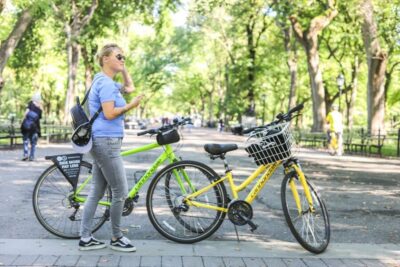


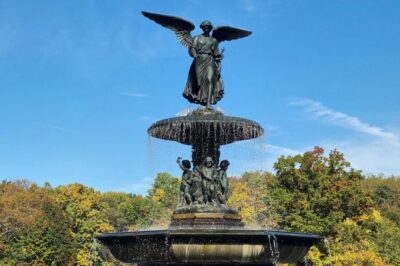

Central Park NYC Highlights Small-Group Bike Tour
Read our review →
Browse the lists this tour appears in