
REVIEW · KYOTO BIKE TOURS
4.5-hr Kyoto Historical Highlights Bike Tour with UNESCO
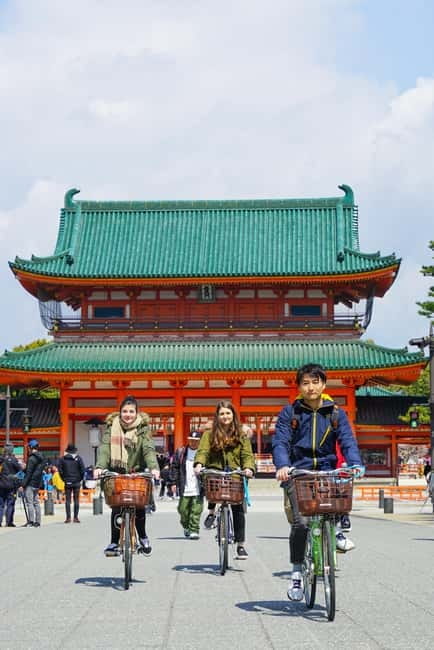
Kyoto feels calmer from a bicycle seat. This small-group ride links the Kamo River, Gion, and two Zen temples with a traditional lunch, giving you a useful mix of famous sights and quieter city streets. I like the easy pace and the fact that bikes, helmets, entrance fees, photos, and lunch are covered in the $96 price. The main catch is that the route is not ideal for anyone under 150 centimeters, wheelchair users, or people who dislike cycling in city traffic.
You should also know that guide volume may vary. Irene from Singapore found her guide soft-spoken while riding beside the road, so stay close when explanations begin. On the other hand, guides such as Woohee, Tobu, and Karin earned warm praise for clear cultural explanations, friendly help, and flexible tours.
Key Points Before You Book
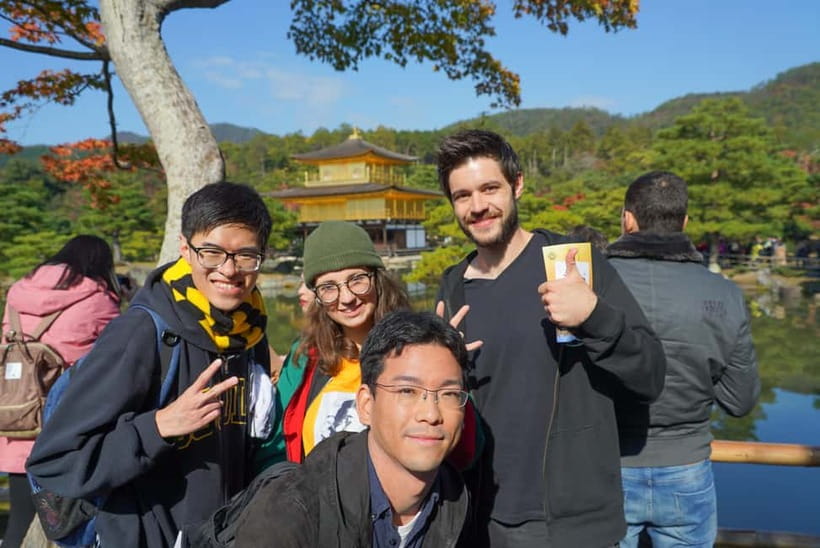
- A five-person maximum keeps the ride personal: The small group makes it easier to hear your guide, ask questions, and keep a steady pace.
- Kennin-ji gives you a proper Zen introduction: You get 75 minutes to see its traditional setting and Karesansui rock garden in Gion.
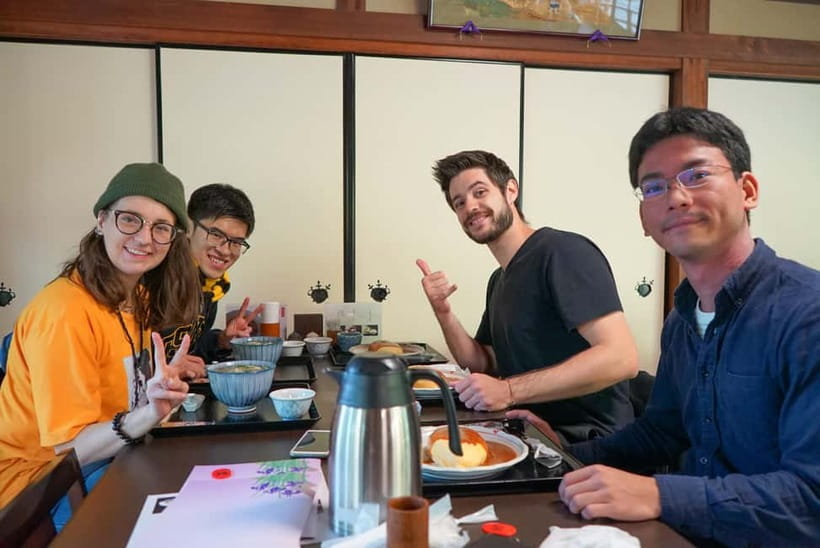
- Lunch is part of the cultural experience: The meal takes place in a traditional Japanese house and includes soba, matcha, mochi, and other local choices.
- The route mixes famous and quieter Kyoto: You visit Gion, Nanzen-ji, and Heian Shrine, then pedal along local streets and the Kamo River.
- The tour is aimed at ordinary cyclists: You do not need to be highly skilled, but you must follow Japanese traffic rules and remain alert.
- The best value comes from the bundle: Bike rental, insurance, helmet, lock, temple entry, lunch, photos, and guiding are included for $96.
Starting Beside Kyoto Station
The meeting point is in front of the 7-Eleven outside Exit Hachijo guchi at Kyoto Station, next to Hotel Via Inn Prime. Look for the guide holding a Magical Trip sign board.
This is a practical meeting point if you arrive by train, but the station has several exits and can feel confusing at first. Give yourself enough time to find Exit Hachijo guchi rather than walking out of the first exit you see. Karin specifically found the meeting area a little confusing, though she arrived before the scheduled start.
The tour includes a rental bicycle, helmet, lock, and bodily injury liability insurance. That saves you the trouble of arranging a separate rental and then finding your way to the first stop. You will also receive tour photos, a small but useful bonus if you want a record of the day without stopping to take pictures constantly.
The group is limited to five people. That matters on a bicycle tour. A large pack can stretch out at traffic lights and make explanations hard to hear. Here, your guide can keep an eye on the group and adjust the pace more easily.
You should be at least 150 centimeters tall, or about 4 feet 11 inches. The tour is not designed only for expert cyclists, but you do need to ride safely in an urban setting. Headphones are not allowed, and using a smartphone while riding is prohibited. You can use your phone once the bicycle is stopped.
More City Bike Tours in Japan
- 5 Top Highlights of Kyoto Full Day Bike Tour (E-bike option)
★ 5.0 · 511 reviews - E-Bike Tours of the highlights of Kyoto!!!
★ 5.0 · 291 reviews - Kyoto: Full-Day City Highlights Bike Tour with Light Lunch
★ 5.0 · 52 reviews
Pedaling Along the Kamo River
The opening ride follows the Kamo River for about 15 minutes. It is a gentle way to get comfortable with the bicycle and see one of Kyoto’s most familiar public spaces.
The riverbanks offer a welcome change from Kyoto’s busy streets. You may see local residents enjoying the water, sunshine, and open space. The ride also gives you an early look at why Kyoto can feel surprisingly peaceful despite having more than 1.4 million people in its wider metropolitan area.
I like this beginning because it is not just transportation between attractions. The river helps you understand Kyoto as a lived-in city, not simply a collection of temples. It also gives your guide a natural chance to explain the city and set the pace before the more structured temple visits.
The river section is short, so do not expect a long waterside ride. Its value is the mood and the easy start. In hot weather, the open route can still feel warm. Anna’s family completed the tour in temperatures around 30 degrees Celsius and enjoyed it, but comfortable clothing and water are sensible choices.
Gion and Kennin-ji: Geisha Culture and Zen
The route continues into Gion, Kyoto’s famous traditional district. Here, your guide introduces the area’s connection with geisha culture and explains how it fits into Kyoto’s broader social and cultural life.
Gion is best experienced with restraint. You are passing through a working neighborhood, not a stage set. Follow local rules, keep your voice down, and avoid treating people or private buildings as photo props. Your bicycle lets you see more of the district than you would on foot, but it also means you need to pay attention to narrow streets and other road users.
The main stop is Kennin-ji, a Zen temple in Gion. You spend about 75 minutes here, enough time to slow down and look carefully rather than make a rushed photo stop.
The temple’s Japanese rock garden, known as Karesansui, is the focus for many visitors. Its arrangement of stones and gravel gives your guide a clear way to explain Zen ideas and the role of quiet observation in Japanese temple culture. The visit is valuable because you are not simply being shown a pretty garden. You are given a framework for understanding why such spaces are designed with so little visual clutter.
Kennin-ji also helps balance the Gion visit. Gion introduces a side of Kyoto associated with performance, hospitality, and traditional entertainment. Kennin-ji shifts the mood toward contemplation and religious practice. Together, the two stops show that old Kyoto culture is not one single thing.
The entrance fee to Kennin-ji is included. That is a small detail, but it keeps the tour moving. You do not need to pause at the gate and sort out separate admission.
Nanzen-ji and the Quiet Side of Temple Kyoto
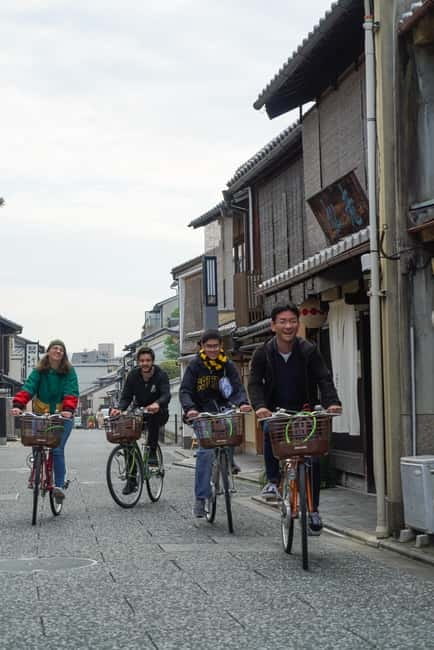
After Kennin-ji, you cycle through more of the city toward Nanzen-ji. The ride itself is part of the appeal. Rather than taking a bus from one major sight to another, you see the spaces between them and get a feel for Kyoto’s local streets.
Nanzen-ji receives about 80 minutes, making it the longest stop of the day. Your guide explains Zen and the older days of Kyoto while showing you photogenic parts of the temple grounds.
The longer visit gives you time to appreciate the setting at a human pace. You can listen, look around, and take photographs without the stop feeling like a quick checklist item. This was one of the reasons the tour received praise for its route and for including a temple that some people may not have seen before.
Nanzen-ji is a good fit for you if you want cultural context along with your pictures. Guides are not just pointing out buildings. They are explaining how Zen culture connects with Kyoto and why temples matter beyond their architecture.
The experience can vary slightly with the guide. Tobu was praised for explaining Kyoto’s history and Shinto shrines, while Woohee was singled out for clear explanations of cultural ideas and temple details. Irene’s note about a soft voice is worth remembering, especially when you are cycling near a road. Stay close to the guide and ask for a repeat if traffic noise gets in the way.
More Historic Bike Tours in Japan
- Historical Kyoto E-Bike Tour
★ 5.0 · 181 reviews - Kyoto: Fushimi Inari Shrine and Tofukuji Temple E-Bike Tour
★ 5.0 · 75 reviews - 5-Hour Osaka Bike Tour to the Neighborhood of Osaka Castle
★ 5.0 · 319 reviews - Half-day Himeji Castle Town Bike Tour with Lunch
★ 5.0 · 81 reviews
Heian Shrine Adds a Different Religious View
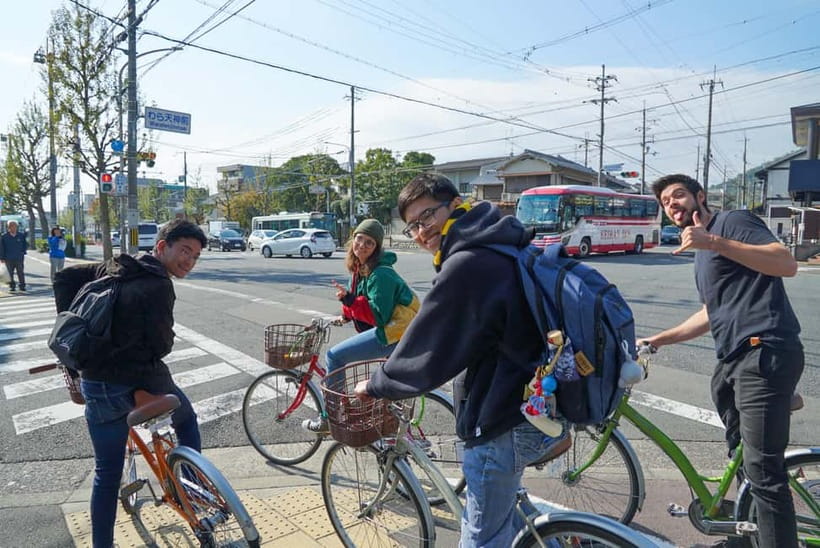
The itinerary includes about 20 minutes at Heian Shrine. This is a shorter stop than the two temples, but it adds an important contrast.
Kennin-ji and Nanzen-ji introduce Zen Buddhist spaces. Heian Shrine gives you a Shinto setting, allowing the tour to place two major parts of Japanese religious culture side by side. You will not have as much time here as at the temples, so think of it as a focused visit rather than a full exploration.
This stop is especially useful if you are new to Japan and want your guide to explain the difference between Buddhist and Shinto traditions. The tour does not treat Kyoto’s sites as isolated monuments. It connects them to the beliefs and customs that shaped the city.
A Traditional Lunch With Soba, Matcha, and Mochi
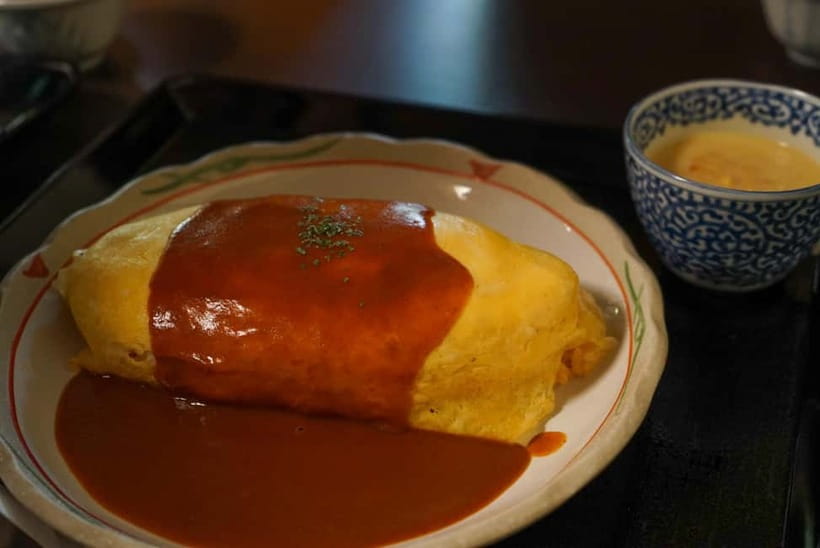
Lunch takes about 45 minutes at a traditional Japanese house. This is one of the tour’s strongest features because it gives you time to sit, eat, and talk with the guide and the other people in your group.
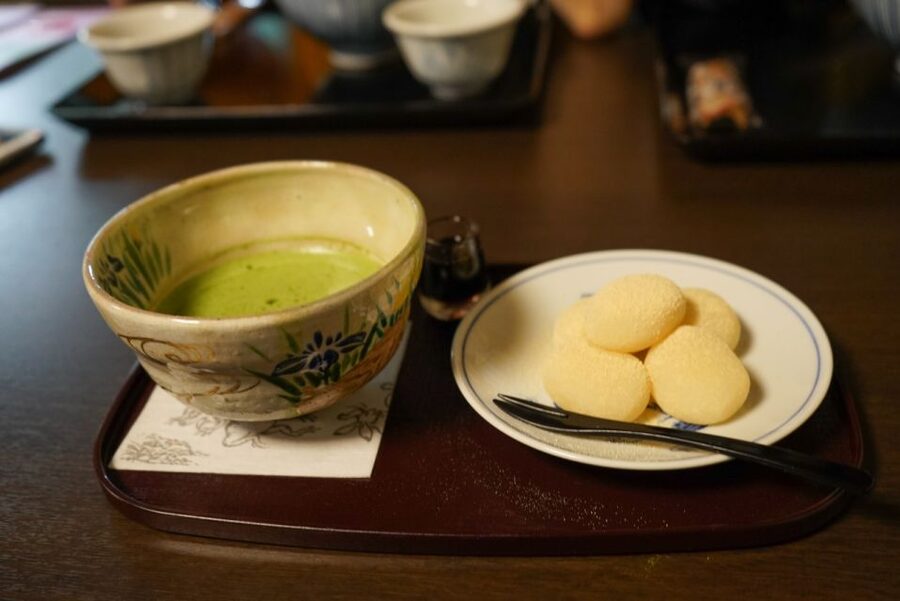
The meal includes several soba options, along with desserts featuring matcha and mochi. A Japanese garden and a souvenir shop are next door, and you may be able to try Yatsuhashi, a well-known Kyoto sweet.
I like this pause because it breaks up the cycling in exactly the right place. Four and a half hours on a bicycle can feel long if you are constantly moving, but a proper meal gives you a chance to rest and take in the morning.
The food arrangement also adds a local touch that a quick convenience-store stop would miss. You are eating in a traditional setting and sampling familiar Kyoto flavors rather than simply grabbing fuel between sights.
Vegetarian and vegan meals are available, but fish stock is still used. You must tell the operator about dietary requests or allergies at least one day before the tour. Requests made on the day cannot be accommodated, and an allergy-free meal or substitution is not guaranteed because the food is prepared in kitchens outside the tour company’s control.
Additional drinks and food are not included, so bring enough money if you want something beyond the provided meal.
The Final Ride and Bicycle Return
After lunch, the route returns toward the rental bicycle shop, Rental Bicycle KYOTO ECO TRIP Flagship shop. This final section takes about 30 minutes and includes a relaxed ride along the Kamo River.
It is a satisfying way to finish. The morning begins beside the river and ends with another look at the same Kyoto oasis after you have visited temples, a shrine, Gion, and a traditional lunch. You may see locals sitting beside the water or enjoying the sunshine, a reminder that the river is part of daily life here.
The ending is less about checking off another sight and more about letting the city settle in. You get a final stretch of easy cycling before returning the bicycle and ending the tour.
Is $96 a Fair Price?
At $96 per person, this is not the cheapest way to see Kyoto. But the price includes more than a bicycle. You receive the rental, insurance, helmet, lock, photos, lunch, entrance to Kennin-ji, and an English-speaking guide for 270 minutes.
If you rented a bicycle separately, paid temple admission, arranged lunch, and tried to connect these sites yourself, the cost difference could become smaller than it first appears. You would also lose the guide’s explanations and the confidence of having someone manage the route.
The value is strongest for a first visit to Kyoto, especially if you want help understanding what you are seeing. It is also good for families with teenagers. Anna found that her teenagers enjoyed the cycling and the Kamo River section, even in very hot weather.
You may find it less worthwhile if you already know Kyoto well, prefer slow temple visits, or dislike cycling near traffic. The tour has a clear schedule, so you will not have unlimited time at every stop.
Who Should Book This Ride?
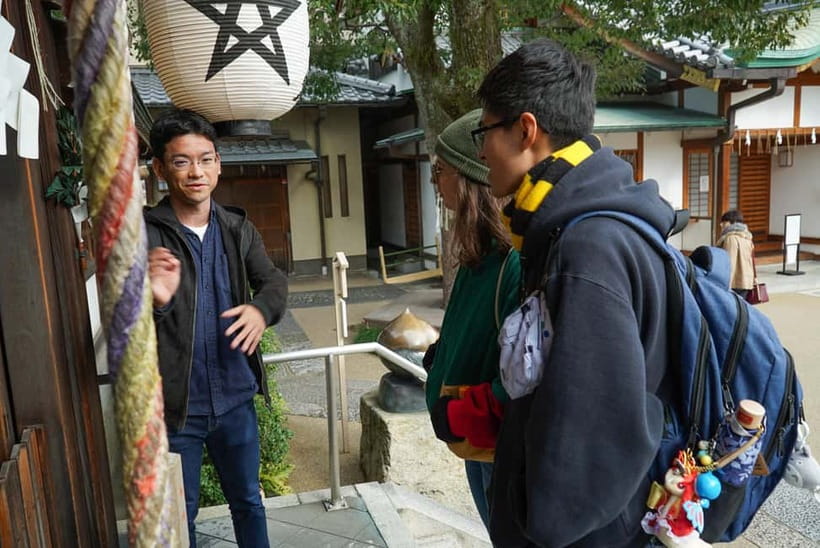
I would choose this tour if you want to cover several important Kyoto sights without spending the whole day on buses and crowded pedestrian routes. It suits people who can ride a bicycle comfortably, enjoy short cultural explanations, and like having lunch built into the day.
It is also a smart option for families and couples who want a change from walking. Karin’s experience shows that the small group can sometimes become even more personal if other bookings do not arrive, though you should book expecting a group of up to five.
I would think twice if you are under 150 centimeters, use a wheelchair, have serious food allergies, or want a completely quiet ride. Cycling requires attention, and Japanese traffic rules are taken seriously. Riding under the influence of alcohol or using a smartphone while moving can bring penalties for you, the bicycle provider, and other people on the tour.
The tour may be cancelled for unsafe weather. That is sensible for a bicycle route, particularly during heavy rain or other conditions that make road riding risky.
Should You Book the Kyoto Historical Highlights Bike Tour?
Book it if you want a well-organized first look at Kyoto with a small group, strong cultural guidance, and a real meal rather than a quick snack. The combination of Kennin-ji, Nanzen-ji, Heian Shrine, Gion, and the Kamo River gives you a broad introduction without feeling like a bus tour.
Before booking, check three things: you are at least 150 centimeters tall, you can cycle safely in city streets, and your dietary needs can be communicated at least one day ahead. If those points work for you, the $96 package offers solid value and an enjoyable way to see Kyoto from a more local angle.
FAQ
Where does the Kyoto bike tour meet?
It meets in front of the 7-Eleven outside Exit Hachijo guchi of Kyoto Station, next to Hotel Via Inn Prime. The guide will hold a Magical Trip sign board.
How long does the tour last?
The tour lasts 270 minutes, or 4.5 hours. Starting times vary, so check availability when booking.
Is bicycle rental included?
Yes. The tour includes a rental bicycle, helmet, bike lock, and bodily injury liability insurance.
What food is included?
Lunch is included at a traditional Japanese house. The meal offers local choices such as soba, matcha, and mochi desserts. Additional drinks and food cost extra.
Are vegetarian or vegan meals available?
Vegetarian and vegan meals are available, but fish stock is still used. You must share dietary requests or allergies at least one day before the tour.
What are the minimum height requirements?
You must be at least 150 centimeters tall, about 4 feet 11 inches, to join. The tour is not suitable for wheelchair users.
What happens if the weather is unsafe?
The tour may be cancelled when weather conditions create a safety problem for cycling.
More City Bike Tours in Kyoto
- Kyoto: Tailored E-Bike Tour to Highlights & Hidden Gems
★ 4.9 · 32 reviews - Lion City Bike Tour of Singapore
★ 5.0 · 6,211 reviews - 3-Hour Porto Highlights on a Electric Bike Guided Tour
★ 5.0 · 4,392 reviews - Porto: City Highlights 3-Hour Guided Electric Bike Tour
★ 4.8 · 3,092 reviews
More Historic Bike Tours in Kyoto
- Historical Singapore Bike Tour on Full-Sized Bicycles
★ 5.0 · 1,421 reviews - Barcelona: 2.5-Hour Bike or E-Bike Historical Tour
★ 4.5 · 1,262 reviews - Asheville Historic Downtown Guided Electric Bike Tour with Scenic Views
★ 5.0 · 1,234 reviews - Krakow: Bike Tour of Old Town, Jewish Quarter and the Ghetto
★ 4.9 · 1,155 reviews
Newly added rides around Kyoto
- Kyoto: City Secrets eBike Tour★ 4.9 · 196 reviews
- Best of Kyoto: Ginkakuji & Path of Philosophy E-Bike Tour★ 4.9 · 79 reviews
- Kyoto: Tailored E-Bike Tour to Highlights & Hidden Gems★ 4.9 · 32 reviews
- Kyoto: Hidden Gems E-Bike Tour with Local Japanese Guide★ 4.9 · 189 reviews
- Kyoto: Hidden Gems E-Bike Tour Through Backstreets & Temples★ 4.9 · 54 reviews
- Kyoto: Half-day Guided Bike Tour with Fushimi Inari★ 4.9 · 21 reviews
- Kyoto: Early Bird E-Bike Tour with Lunch★ 5.0 · 14 reviews
- Kyoto: Full-Day City Highlights Bike Tour with Light Lunch★ 5.0 · 52 reviews
Kyoto Bike Tours, compared.
Arashiyama Bamboo Forest & Hidden Gems Bike Tour (Early Bird)
Read our review →
5 Top Highlights of Kyoto Full Day Bike Tour (E-bike option)
Read our review →
Full Day Biking Tour Exploring the Best of Kyoto
Read our review →

Afternoon Kyoto Bike Tour: Bamboo Forest, Monkeys & Hidden Spots
Read our review →Browse the lists this tour appears in