
REVIEW · KYOTO BIKE TOURS
Kyoto: Memory Kyoto E-Bike Tour
Four Kyoto icons, one powered-up day. This six-hour e-bike tour links Kitano Tenmangu, Kinkakuji, Tenryuji, and Arashiyama Bamboo Forest while using quieter neighborhood streets between the big sights. I like the mix of cycling and guided walks, and I like the small groups, capped at eight people. The tradeoff is simple: you need to feel comfortable riding in city traffic and walking around temple grounds.
The $91 price is fair for a full day that includes the bike, helmet, water, entrance fees, and an English-speaking guide. Guides such as Pohan, Jody, Benjamin, Diego, and Jorge have earned strong praise for keeping the pace relaxed, explaining religious customs clearly, and finding quieter routes. Still, the tour covers a lot of ground, and Kyoto’s heat, humidity, crowds, and occasional rain can affect your comfort.
Key points to know before you book
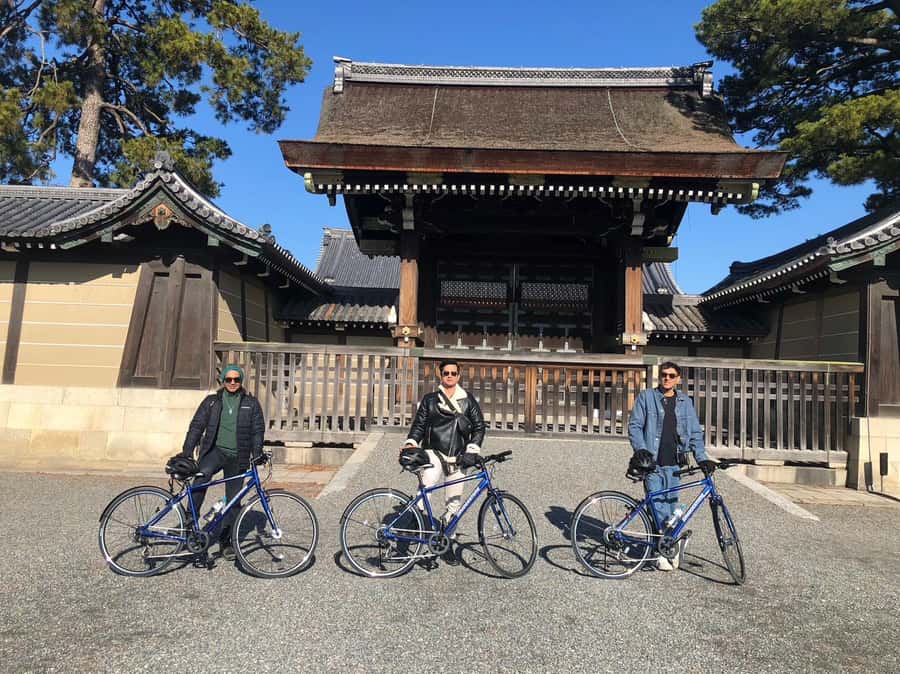
- Four major Kyoto sights in six hours: The route covers Kitano Tenmangu, Kinkakuji, Tenryuji, and Arashiyama Bamboo Forest.
- Electric assistance makes the distance manageable: You pedal through Kyoto without facing the full strain of a standard bicycle.
- Small groups keep the day personal: Groups are limited to eight, making it easier to ask questions and stay together.
- The backstreets are part of the attraction: You see residential lanes and everyday Kyoto between the famous temples.
- Temple visits are guided, not rushed photo stops: You get background on Shinto, Zen Buddhism, local customs, and the sites themselves.
- Lunch is not included in the listed price: Some guides have taken groups to a local diner, but you should plan to pay for food separately.
Why an e-bike works so well in Kyoto
Kyoto is spread out. Its most famous sights sit in different parts of the city, and moving between them by public transportation can eat up time. Walking is pleasant in small doses, but connecting four major stops on foot would be tiring and inefficient.
The electric bicycle solves much of that problem. You still pedal, but the motor takes the sting out of longer stretches and makes the tour friendlier to a range of fitness levels. Several first-time e-bike riders found the bikes easy to use, and older participants in their late 50s and 60s described the day as comfortable and enjoyable.
I would not call this a passive sightseeing trip. You need to watch the road, follow the guide, and remain aware of pedestrians and other bicycles. One useful piece of advice is to be honest about your riding confidence at the start. The guides are praised for safety and patience, but you still need basic bike control.
The route also gives you something a bus cannot. Instead of seeing only the main roads, you pass through residential areas, side lanes, and quieter paths. You get a look at ordinary Kyoto between the temples, which helps the city feel like a place where people live rather than a string of postcard stops.
More E-Bike Tours in Japan
- Hidden Kyoto E-Biking tour
★ 5.0 · 1,843 reviews - 5 Top Highlights of Kyoto Full Day Bike Tour (E-bike option)
★ 5.0 · 511 reviews - E-Bike Tours of the highlights of Kyoto!!!
★ 5.0 · 291 reviews
Starting at Kitano Tenmangu Shrine
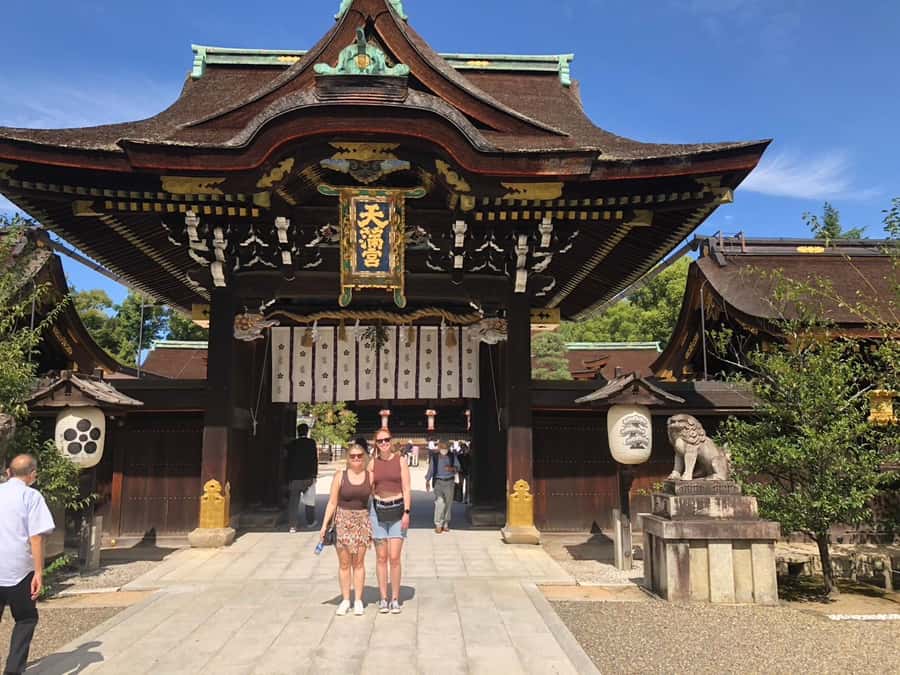
The tour begins at the Memory Kyoto bike tour meeting point, opposite a Kirindo drug store. From there, you visit Kitano Tenmangu Shrine, one of Kyoto’s important Shinto sites.
The shrine is closely linked with Sugawara no Michizane, a respected scholar and political figure who became associated with Tenjin, the Shinto deity of learning. Your guide explains that connection and gives context to the shrine’s customs, rather than leaving you to simply photograph gates and buildings.
The listed shrine visit includes about 30 minutes of guided touring and cycling. That is enough time for an introduction and key details, but it is not an exhaustive visit to every corner. The value here comes from having someone explain why the shrine matters and how its traditions fit into Japanese religious life.
Kitano Tenmangu also gives the day a good opening. You begin with a working shrine and its long traditions before moving to the more instantly recognizable Golden Pavilion. Guides have been praised for explaining religious background at this stage, including the difference between Shinto practices and Buddhist traditions you encounter later.
Kinkakuji, Kyoto’s gold-covered showstopper
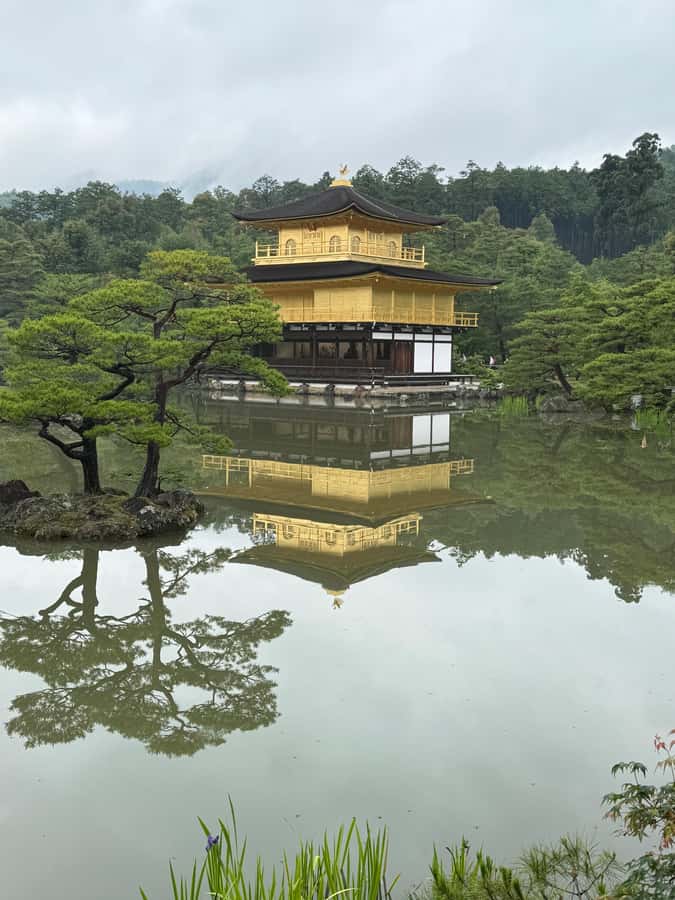
Next comes Kinkakuji, better known as the Golden Pavilion. The temple’s gold-leaf exterior reflects in a pond, making this one of Kyoto’s most recognizable views.
The sight is dramatic, but it can also be busy. You follow a set walking route through the grounds, with the pavilion viewed from across the water rather than entered as an ordinary building. The tour’s 45-minute allocation gives your guide time to explain the site and lets you take photographs without turning the stop into a rushed dash.
I like having the guide here because Kinkakuji can be easy to reduce to one shiny building. Its visual appeal is immediate, but the wider temple grounds and their design make the visit more rewarding. Ask questions if you want more detail about Zen Buddhism, the building’s symbolism, or how the garden frames the pavilion.
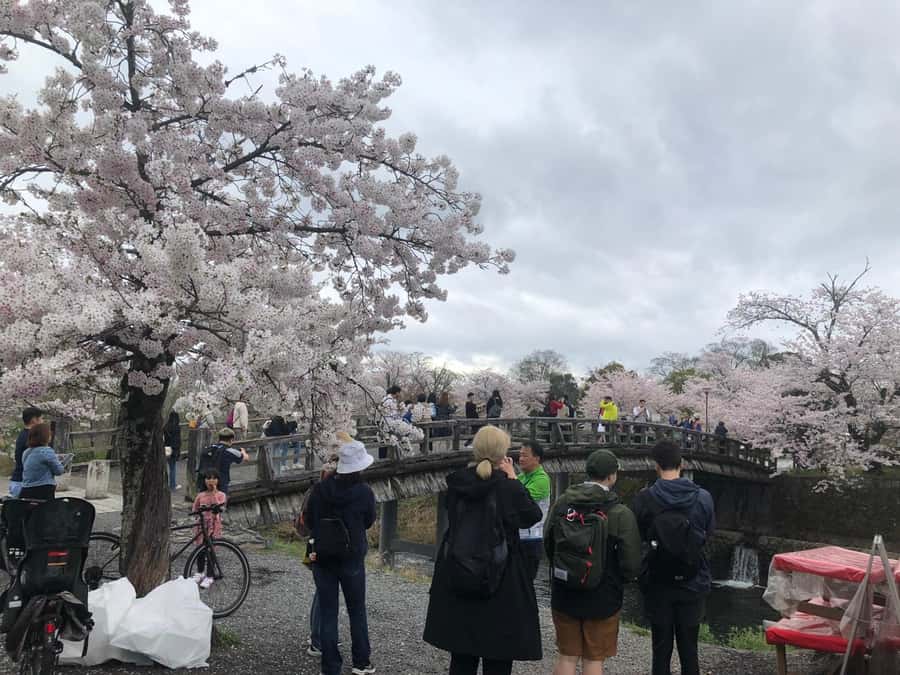
Crowds are a real consideration, especially during cherry blossom season and other busy periods. The bicycle helps with the approach, but it cannot make the temple grounds private. A good guide can help you move efficiently, and several participants praised guides for handling crowded days calmly.
Cycling through Kyoto’s quieter neighborhoods
The stretches between the major sights may become your favorite part of the tour. You ride through quieter streets instead of spending the whole day on major roads. That creates a useful contrast: grand temple entrances on one side of the day, local neighborhoods on the other.
The guides have been praised for choosing routes that feel safe and relaxed. Several people specifically appreciated seeing residential areas and everyday streets. This is a small but important part of the tour because it gives you a sense of Kyoto beyond its famous attractions.
The pace is generally described as easygoing rather than competitive. You are not racing from one photo stop to the next. The group pauses at the sights, walks through temple grounds, and continues when everyone is ready.
Still, six hours on a bike is a long outing. The e-bike reduces effort, but you may still feel the heat or humidity, especially in summer. One participant said the cycling was preferable to walking during hot weather, which is a useful way to think about it. The bike does not remove the weather, but it creates airflow and cuts down the time spent trudging between distant sights.
More E-Bike Tours in Kyoto:
- Kyoto: City Secrets eBike Tour
★ 4.9 · 196 reviews - Kyoto: Hidden Gems E-Bike Tour with Local Japanese Guide
★ 4.9 · 189 reviews - Arashiyama Bamboo Forest E-Biking Tour
★ 5.0 · 183 reviews - Historical Kyoto E-Bike Tour
★ 5.0 · 181 reviews
Arashiyama Bamboo Forest and the surrounding area
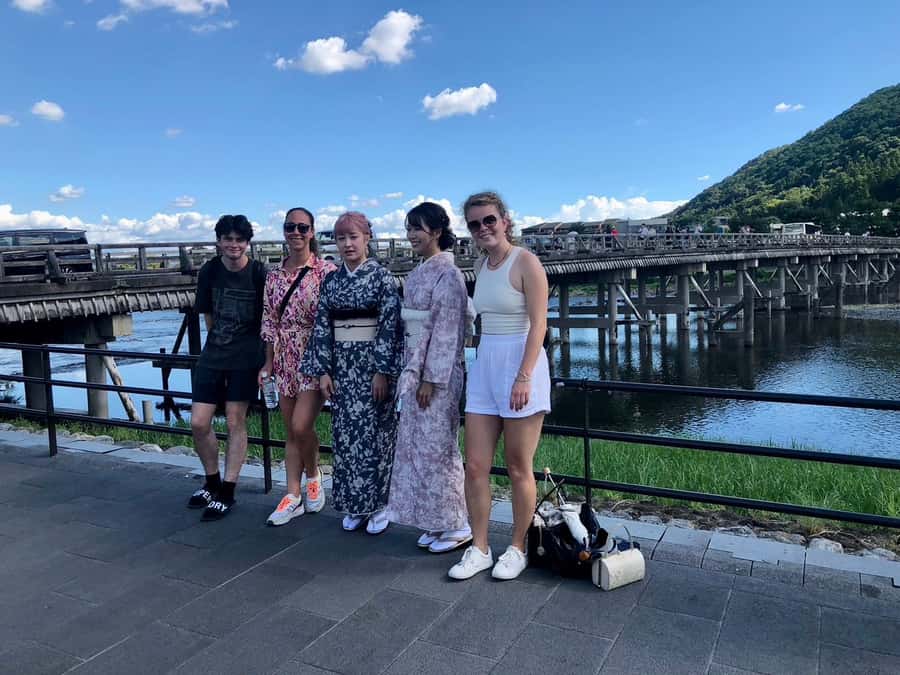
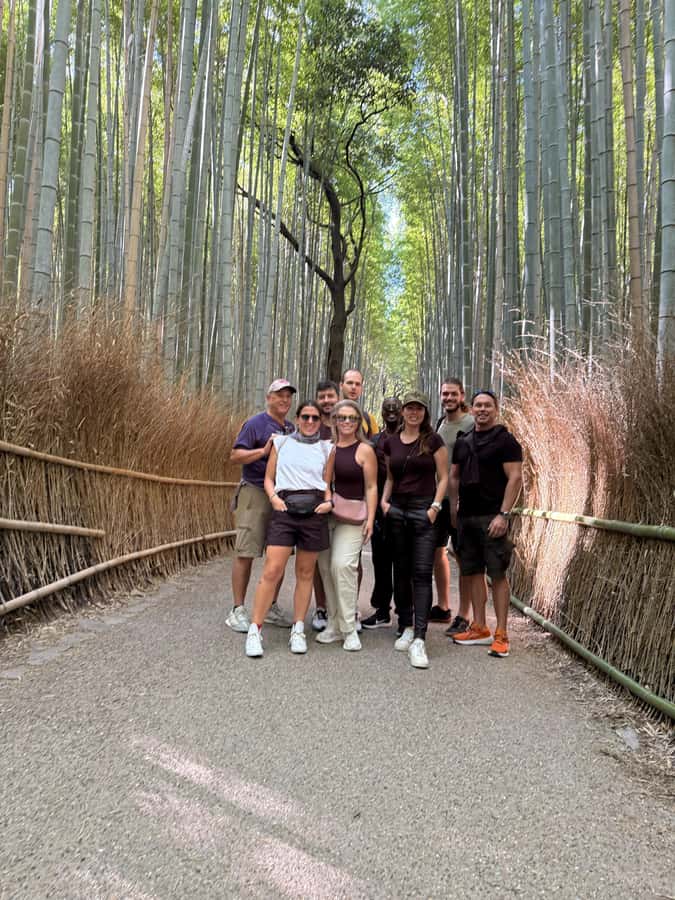
Arashiyama Bamboo Forest is the tour’s most atmospheric stop. Tall bamboo rises on both sides of the path, creating a narrow, green corridor that feels very different from central Kyoto.
The official stop includes a photo break, guided sightseeing, walking, and cycling, with about 45 minutes set aside. That should give you time to walk through a section of the grove and take pictures, but you should not expect extended solitude. The bamboo path is one of Kyoto’s most popular attractions.
The best part of having a guide here is the route around the main attraction. One guide took the group to a lake near the bamboo forest, a quieter view that the group would not have found alone. That detail captures the advantage of the tour: you still see the famous path, but you may also get a nearby setting that feels less crowded.
Arashiyama can be busy, so patience helps. Keep your bicycle with the group and follow instructions about where to ride and where to walk. The tour combines both modes, and the bamboo grove itself is a walking stop rather than a place to pedal freely through the crowds.
Tenryuji’s garden gives the day depth
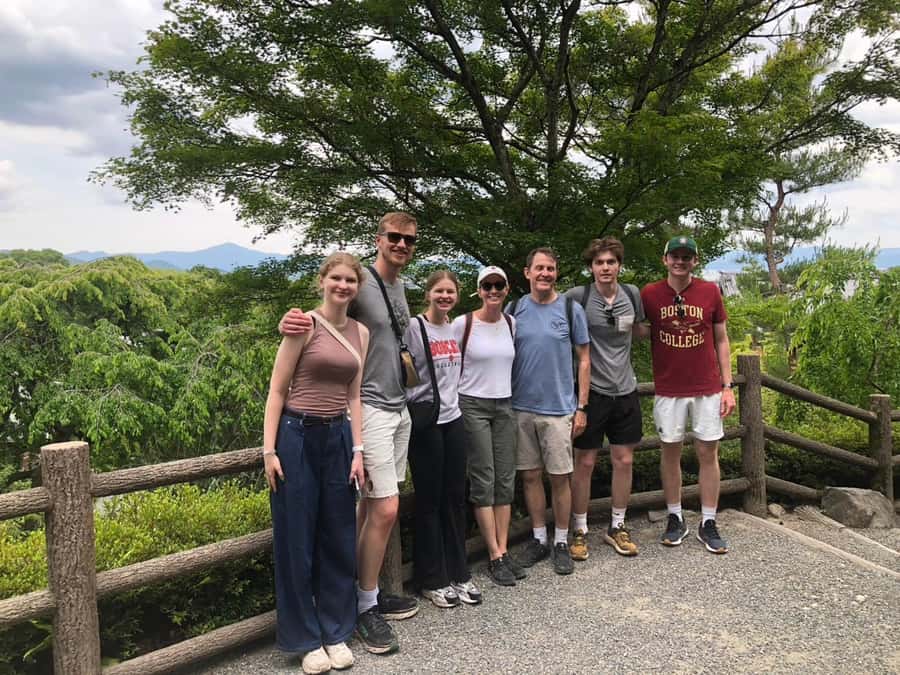
Tenryuji Temple is a UNESCO World Heritage Site and one of the strongest stops for anyone interested in Japanese garden design. Its garden is the reason to slow down here.
The 45-minute visit combines guided explanation, walking, sightseeing, and a photo stop. Tenryuji is more than another beautiful temple building. Its garden uses water, stones, plants, and borrowed views to create a carefully arranged scene that changes as you move through it.
A guide can help you notice details you might otherwise miss. The group receives background on Zen ideas and the relationship between temple architecture and garden design. That makes the stop feel different from Kinkakuji, where the gold-covered exterior dominates your attention.
The order of Arashiyama and Tenryuji may feel close together because both are in the same general area. That is actually useful. You avoid making a separate trip back to Arashiyama and get two related sights in one visit. The limitation is time. If you want to sit quietly in the garden for a long while, the fixed schedule may feel short.
What the guide adds to the day
The guide is the main reason to choose this tour over renting an e-bike on your own. The best guides do three jobs at once: they keep the group safe, explain the sites, and connect the route to everyday Kyoto.
Pohan is praised for handling crowded cherry blossom conditions, finding good photo spots, and even helping with a local diner visit. Benjamin is described as friendly, patient with families, and strong on historical detail. Jody and Jodie are praised for humor, clear explanations, and answering questions. Diego is noted for being warm, informative, and safety-conscious, while Jorge is remembered for bringing local stories and enthusiasm to the ride.
Guide assignments can change, so you should not book expecting one specific person. The consistent pattern is more important: English guidance, a friendly manner, attention to safety, and useful explanations about Shinto, Buddhism, Zen, and Kyoto culture.
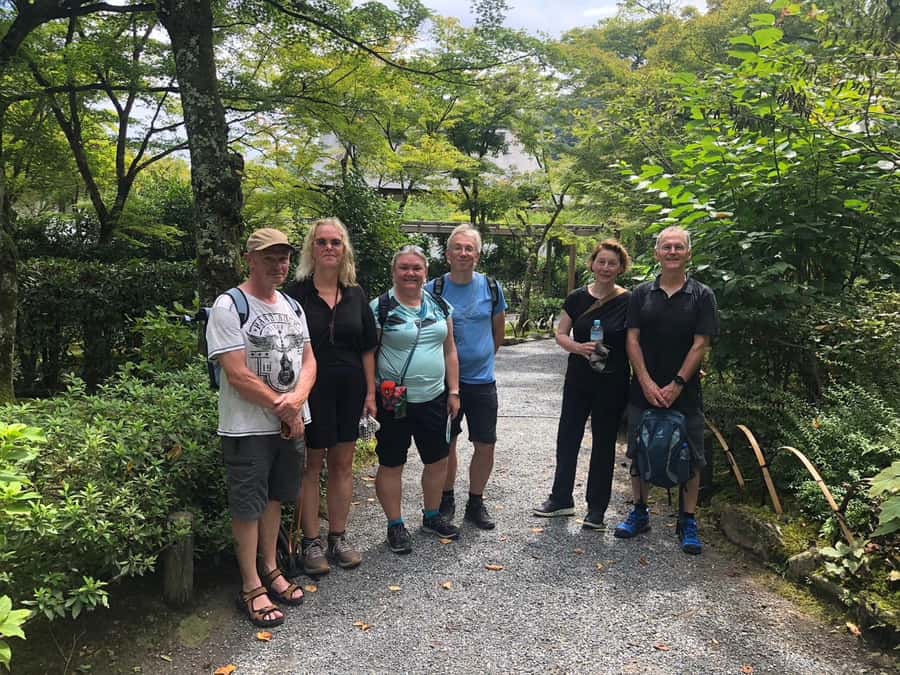
A small group limit of eight matters here. You can ask a question without shouting across a crowd, and the guide can keep an eye on your riding. Small groups also make stops feel less mechanical. The experience is still structured, but it has room for conversation.
Lunch, water, and what the $91 covers
The $91 fee includes the bicycle, helmet, water bottle, entrance fees, taxes, and an English-speaking guide. For six hours and four major sights, that is a reasonable price, particularly if you value historical context and do not want to plan the route yourself.
Lunch is the one point that needs careful reading. The listed inclusions do not include a meal. Some guides have taken groups to a local restaurant or diner, shown them how to order, and helped accommodate different food preferences, but you should expect to pay for that meal separately.
A water bottle is provided, which is useful during warm months. I would still dress for the weather and bring anything else you personally need for a long outdoor day. The tour involves cycling, walking, temple grounds, and time outside in open areas.
The company offers free cancellation up to 24 hours before departure and allows you to reserve without paying immediately. Those policies are helpful if your Kyoto schedule is still shifting, but the more important planning point is weather. Rain has led to schedule changes for some groups, so check the forecast and contact the operator if conditions look poor.
Who will enjoy this Kyoto bike tour most
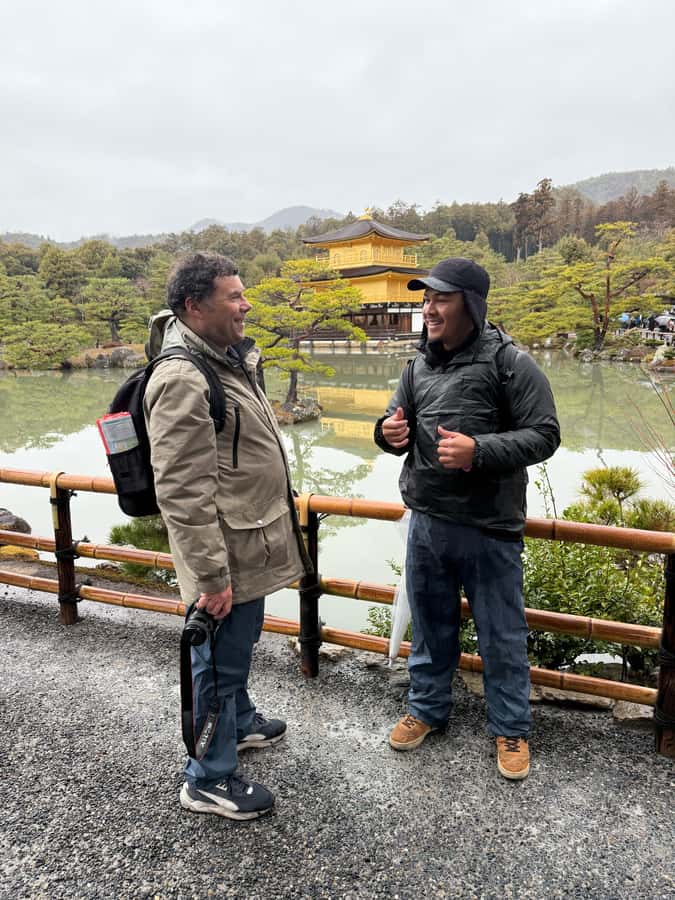
This outing suits you if you want a broad first look at Kyoto and prefer movement to standing around waiting for buses. It is especially useful if you want the famous sights but also care about seeing ordinary streets between them.
Families with older children can enjoy it. One family with boys aged 10 and 14 had a very positive day, and another guide was praised for being patient with children. The minimum age listed is 2, but that does not mean every young child will be comfortable on a six-hour cycling and walking outing. Consider your child’s stamina and road awareness before booking.
It also suits adults who are new to e-bikes. Several first-time riders found the electric assistance made the day easier. If you have concerns about balance, traffic, or physical exertion, ask the operator for current details before reserving.
You may want a different plan if you prefer slow, private temple visits, dislike cycling, or want to spend most of the day inside museums and buildings. This is an active sightseeing day with a fixed route and group timing.
Practical tips for a smoother ride
- Arrive at the meeting point opposite the Kirindo drug store with enough time to get fitted to the bike.
- Wear comfortable clothes and shoes suitable for both cycling and temple walking.
- Bring sun protection and extra water if visiting during hot or humid weather.
- Ask the guide questions early. The tour is built around explanation, and the small group makes conversation easy.
- Expect crowds at Kinkakuji and Arashiyama, especially during cherry blossom season.
- Keep your pace steady and leave room between bicycles.
- Remember that lunch is extra, even if the guide recommends a local place.
- If rain threatens, use the flexible cancellation or rescheduling policy rather than assuming the ride will be comfortable.
Should you book the Memory Kyoto E-Bike Tour?
I would book this tour if you have one full day in Kyoto and want to cover the western and northern highlights without spending the day figuring out trains, buses, and walking connections. The combination of four major sights, quiet streets, temple explanations, and electric assistance gives you a lot for $91.
The strongest reasons to go are the small group, the useful historical context, and the chance to see Kyoto at street level. You are not only collecting photographs. You are learning why Kitano Tenmangu matters, seeing Zen garden design at Tenryuji, and moving through neighborhoods that a standard sightseeing route may skip.
Skip it if cycling makes you uneasy or if your ideal Kyoto day means lingering at one temple for hours. For most active visitors, families with older children, and first-time e-bike riders, this is a practical and enjoyable way to get oriented. Just plan for weather, crowds, and a little effort, and you should finish the day with a much clearer sense of Kyoto.
FAQ
How long does the Kyoto e-bike tour last?
The tour lasts six hours, including cycling, guided visits, walking, and sightseeing at the scheduled stops.
Which sights are included?
The route includes Kitano Tenmangu Shrine, Kinkakuji, Arashiyama Bamboo Forest, and Tenryuji Temple.
Is the tour conducted in English?
Yes. The tour includes a live English-speaking guide.
How many people are in the group?
The tour is limited to eight participants.
Are the bicycle and helmet included?
Yes. The bicycle and helmet are included, along with a water bottle.
Is lunch included in the $91 price?
No. Lunch is not listed among the inclusions. Some guides may take the group to a local restaurant, but you should pay for your own meal.
Can children join the tour?
Children under 2 are not suitable for the activity. Older children have joined successfully, but the tour still requires cycling awareness, walking, and the ability to manage a six-hour day.
Newly added rides around Kyoto
- Kyoto: City Secrets eBike Tour★ 4.9 · 196 reviews
- Best of Kyoto: Ginkakuji & Path of Philosophy E-Bike Tour★ 4.9 · 79 reviews
- Kyoto: Tailored E-Bike Tour to Highlights & Hidden Gems★ 4.9 · 32 reviews
- Kyoto: Hidden Gems E-Bike Tour with Local Japanese Guide★ 4.9 · 189 reviews
- Kyoto: Half-day Guided Bike Tour with Fushimi Inari★ 4.9 · 21 reviews
- Kyoto: Hidden Gems E-Bike Tour Through Backstreets & Temples★ 4.9 · 54 reviews
- Kyoto: Full Day Bike Tour★ 4.9 · 39 reviews
- Kyoto: Early Bird E-Bike Tour with Lunch★ 5.0 · 14 reviews
Kyoto Bike Tours, compared.
Arashiyama Bamboo Forest & Hidden Gems Bike Tour (Early Bird)
Read our review →
5 Top Highlights of Kyoto Full Day Bike Tour (E-bike option)
Read our review →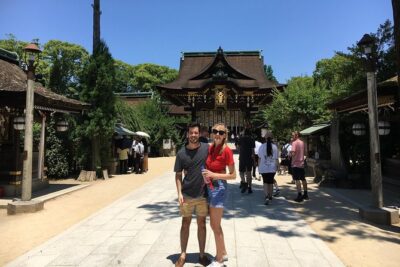
Full Day Biking Tour Exploring the Best of Kyoto
Read our review →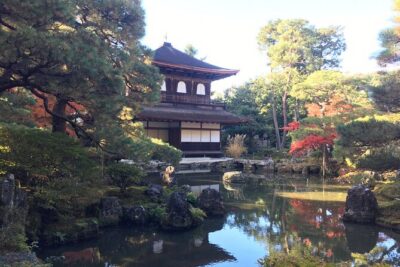

Afternoon Kyoto Bike Tour: Bamboo Forest, Monkeys & Hidden Spots
Read our review →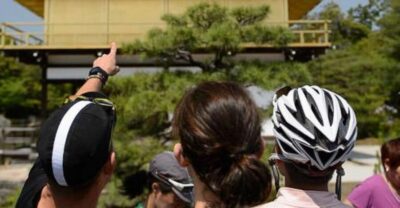
Browse the lists this tour appears in