
REVIEW · KYOTO BIKE TOURS
Full Day Biking Tour Exploring the Best of Kyoto
Kyoto rewards two wheels. This 7 to 8 hour ride links major sights such as Kinkaku-ji, Gion, and Fushimi Inari with quiet lanes, traditional neighborhoods, and places a bus tour cannot reach easily. I like the efficient route and the chance to see Kyoto as a living city rather than a string of famous photo stops.
I also like the small group size, which is capped at eight riders, and the included Japanese lunch. Guides including Karl, Indra, Paul, Juan, Jay, and Jamie have earned especially warm praise for clear explanations, humor, and good route planning. The main drawback is simple: this is a serious day of cycling, often around 18 to 20 miles, with plenty of walking at the temples.
Key points before you book
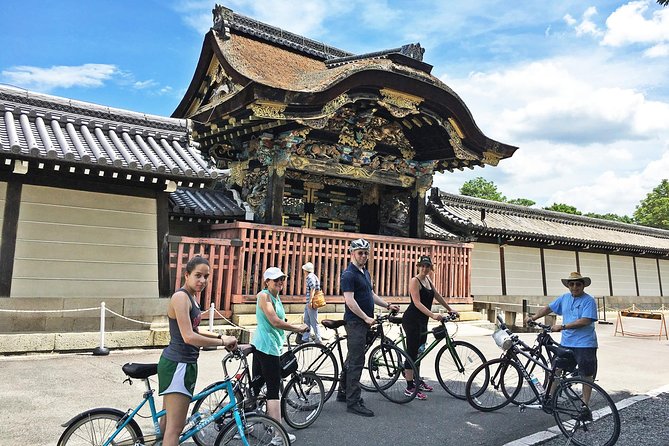
- Expect a full day in the saddle: The route is generally flat, but the distance and temple walking can leave you tired.
- See Kyoto beyond the postcard stops: Quiet backstreets, traditional homes, riverside stretches, and lesser-known religious sites fill the gaps between major attractions.
- Small groups make a difference: With no more than eight people, it is easier to hear the guide and keep the group together.
- Lunch is part of the value: A hearty Japanese meal and bottled water are included, which saves both time and extra expense.
- The bikes are good quality: A Cannondale bicycle and helmet are supplied, with an optional electric-bike upgrade mentioned by the operator.
- You need basic cycling confidence: Riders must be at least 13 and comfortable riding a bicycle in city traffic.
Why a bicycle works so well in Kyoto
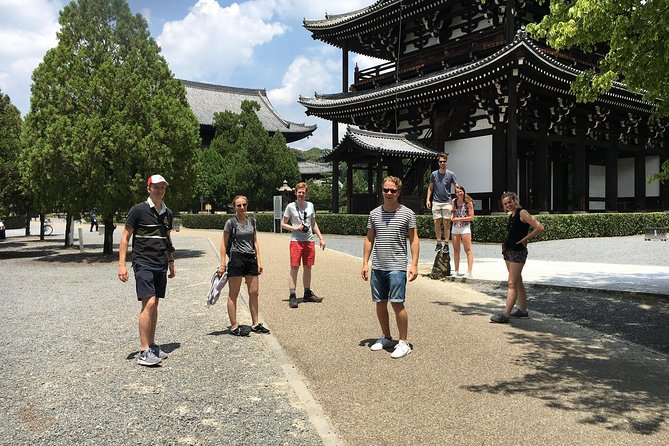
Kyoto is not a tiny temple village. It is a broad, active city, and its most interesting areas are spread across several districts. Walking between the Imperial Palace, Kinkaku-ji, Gion, Tofuku-ji, and Fushimi Inari would take far too long. Public transport helps, but trains and buses do not give you much sense of the neighborhoods between stops.
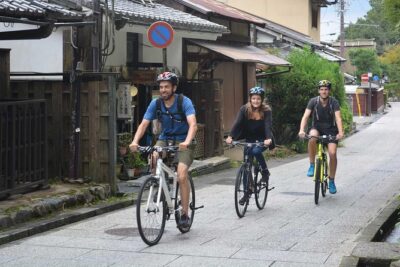
A bicycle fills that gap nicely. You can cover more ground than on foot, then slow down for a quiet lane, a temple gate, or a glimpse of an old wooden house. The route uses smaller streets where possible, and the generally flat terrain makes the ride manageable for anyone who already feels at home on a bicycle.
This is not a gentle two-hour pedal followed by a long café break. The day may cover roughly 18 to 20 miles, and the temple visits add a good deal of walking. Some riders have finished tired after covering around 20 miles and 14,000 steps. That is useful information, especially if you are traveling with teenagers or anyone who does not cycle often.
The reward is a much broader picture of Kyoto. You do not simply arrive at a famous temple, take a photo, and leave. You see how the major sights fit into the city around them.
More Full-Day Trips in Kyoto:
- 5 Top Highlights of Kyoto Full Day Bike Tour (E-bike option)
★ 5.0 · 511 reviews - Kyoto: Full-Day City Highlights Bike Tour with Light Lunch
★ 5.0 · 52 reviews - Kyoto: Full Day Bike Tour
★ 4.9 · 39 reviews
Starting near Kyoto Station
The day begins at Cycle Kyoto, at 7 Higashikujō Nishisannōchō in Minami Ward. The shop is about one block south of Kyoto Station, making it a practical starting point if you are staying near the station or arriving by train.
Allow time to meet the guide and other riders, adjust your bicycle, and put on your helmet. The fitting period is listed at about 15 minutes, so avoid arriving at the last possible moment. This is also the time to raise concerns about the saddle, check the brakes, and make sure your belongings are secure.
The supplied Cannondale bikes are a strong point. One useful warning is storage: the bicycle has only a small front pouch for a phone and wallet. If you bring a backpack, you will carry it for the entire day. Pack lightly, and keep your hands free for riding and temple visits.
An electric-bike upgrade may be available. It is worth asking about if you are worried about the distance, though the standard route is described as mostly flat. The bigger challenge is duration, not steep climbing.
Nishi Honganji and the scale of Kyoto’s temples
The first major stop is Nishi Honganji, one of Kyoto’s largest wooden religious buildings and one of its less visited major sites. The stop is short, around 15 minutes, but it gives you an immediate sense of the scale of Japanese temple architecture.
This is a good early introduction because it is less crowded than the headline attractions. You can take in the broad wooden structures and listen to the guide explain the religious setting without the same level of noise and congestion found at more famous sites.
Do not expect a long, detailed temple visit here. The value is in seeing a vast building that many independent visitors skip. It also sets the tone for the day: the tour is not only about collecting famous names.
Kitano Tenmangu Shrine and local worship
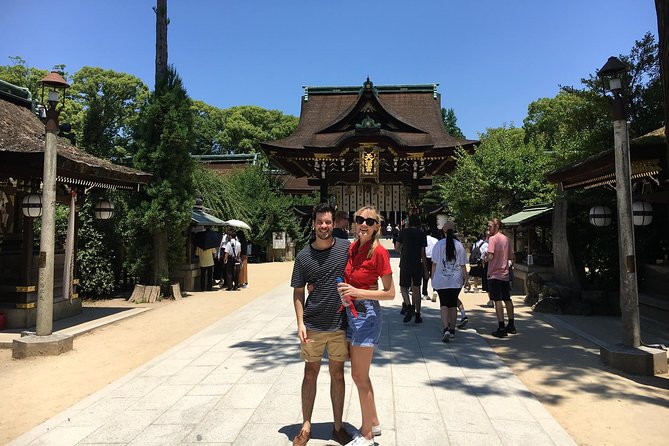
Kitano Tenmangu provides a different mood. The stop lasts about 20 minutes, and the focus is on the shrine’s past, its role in local life, and the people who come to worship there.
The shrine is associated with Tenjin worship, though the depth of the explanation will depend on your guide. Guides such as Indra and Karl have been praised for connecting religious sites with everyday Japanese customs rather than presenting them as dry historical facts. That kind of storytelling matters here, because shrines can otherwise blur together after several days in Kyoto.
This is also a useful pause in the cycling. You get off the bike, walk around, and reset before the busier Golden Pavilion section.
A few more rides around Kyoto worth a look
- Hidden Kyoto E-Biking tour
★ 5.0 · 1,843 reviews - Bike Tour Exploring North Kyoto plus Lunch
★ 5.0 · 1,087 reviews - Arashiyama Bamboo Forest & Hidden Gems Bike Tour (Early Bird)
★ 5.0 · 613 reviews - Kyoto: Memory Kyoto E-Bike Tour
★ 4.8 · 297 reviews
Kinkaku-ji, Kyoto’s famous Golden Pavilion
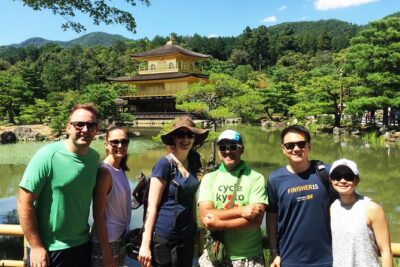
Kinkaku-ji is the visual centerpiece for many people. The Golden Pavilion sits beside a reflective pond, surrounded by carefully arranged grounds. Its gold-covered exterior is striking, but the setting and the short approach through the grounds are just as important.
The visit is listed at around 30 minutes. That is enough to see the pavilion, hear the main story, and enjoy the grounds, but it is not enough for a slow, solitary exploration. This is one of Kyoto’s most visited sights, so expect crowds and a steady flow of people.
The guide adds real value here. A good explanation helps place the pavilion in the story of Kyoto’s rulers, religious institutions, and changing political power. You may also have time for an ice cream, a small but welcome break on a warm day.
Kinkaku-ji is not a quiet stop. If you want long periods of stillness, this may be one of the least peaceful parts of the day. The advantage of arriving by bicycle is that you do not lose time finding parking or waiting for a bus.
The Imperial Palace grounds by bicycle
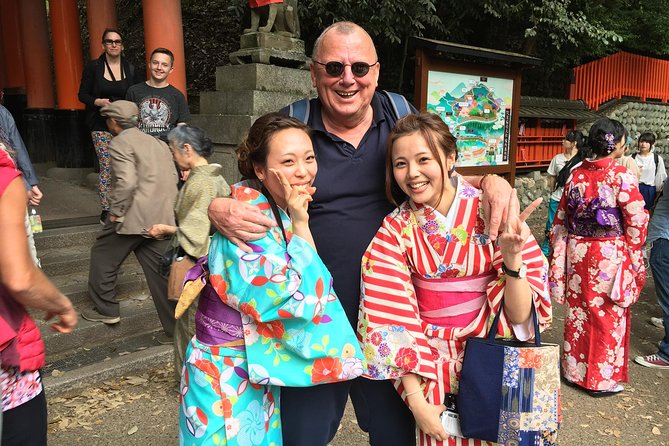
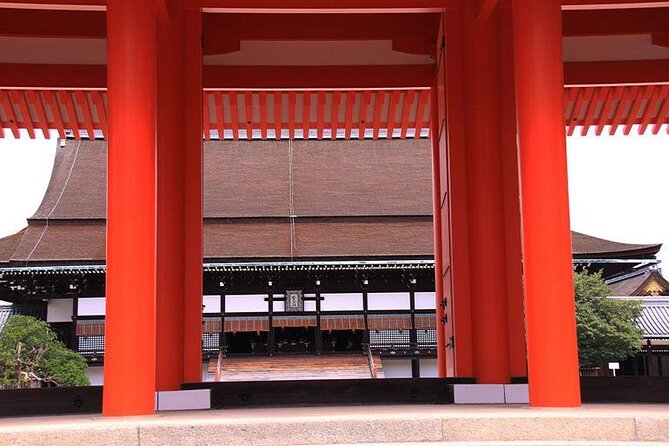
The route also passes through the grounds of the former seat of Japan’s imperial family. The provided details do not give a fixed stop length, but the ride through the grounds offers a welcome change from enclosed temple courtyards.
This section works best as a moving history lesson. You can cover more space while the guide explains how the imperial center shaped Kyoto. The broad grounds also provide a break from the narrow streets and busy visitor areas elsewhere in the city.
Because the day includes many destinations, do not expect an extended palace tour or a long interior visit. The point is to experience the setting and understand its place in Kyoto’s past.
Gion, geisha culture, and the value of restraint
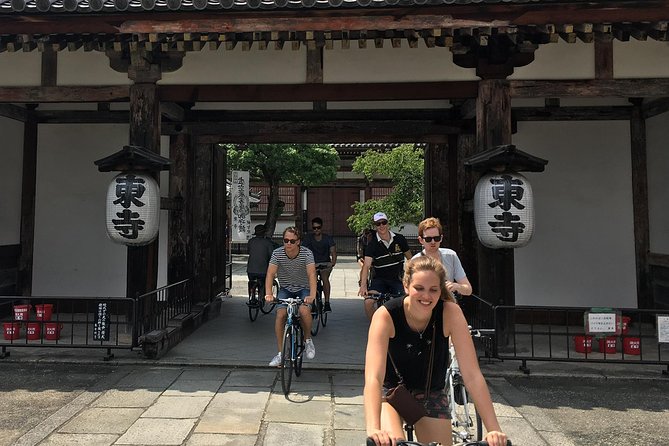
Gion is one of Kyoto’s most famous districts, known for traditional streets and geisha culture. The tour includes a short stop of about 15 minutes, enough to see the area and hear how this carefully protected world works.
You may catch sight of a geisha or maiko, but there is no guarantee. More important is learning how to behave respectfully. Do not block narrow lanes, chase performers, or treat people going to work as photo props. A good guide can explain the difference between a public street and a private cultural space.
One of the strongest parts of this stop is the contrast between Gion’s polished image and the ordinary city around it. You are not simply dropped at a famous lane for a quick picture. The bicycle route helps connect Gion to quieter streets and local businesses.
Lunch is often placed around this part of the day, and several guides have been praised for choosing a traditional family restaurant or noodle house rather than a generic tourist venue. The exact restaurant can vary, so tell the operator about dietary needs in advance.
Tofuku-ji and a brief temple pause
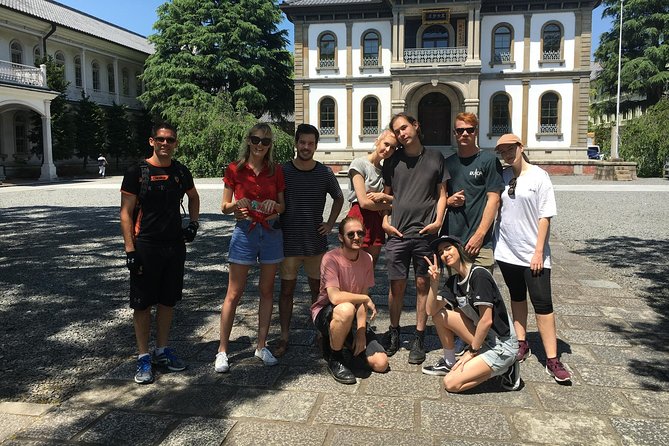
Tofuku-ji receives a short stop of about five minutes, often focused on the bridge and the temple’s spacious surroundings. That may sound too brief, but it works as a scenic pause rather than a full temple visit.
Tofuku-ji is one of Kyoto’s older and larger Zen temples. Its setting gives you a sense of the scale and calm associated with Zen temple grounds, even when the schedule does not allow a full exploration.
The short timing also shows the tradeoff of this tour. You see many important places, but you will not have an hour at each one. If your priority is detailed architecture study or extended meditation in a single temple, a slower walking tour would serve you better.
Fushimi Inari and the red torii gates
The final major stop is Fushimi Inari-taisha, one of Kyoto’s most recognizable sights. Its hillside path is lined with thousands of orange torii gates, and the entrance area can be intensely crowded.
A guide is particularly useful here. The tour is designed to choose a route through the busiest sections so you can get a clearer sense of the shrine without wasting the whole stop in a human traffic jam. Indra has been praised for explaining the meaning and economics behind the torii gates, which adds useful context to an otherwise familiar Instagram image.
The scheduled visit is about 20 minutes. That is enough to enter the shrine area and walk through part of the gates, but not enough to climb the entire mountain route. Wear comfortable shoes because this stop involves walking, steps, and uneven ground.
Fushimi Inari is an energetic finish to a long day. You may be ready to sit down by this point, but the sight is memorable and gives the tour a strong final landmark before you cycle back to the shop.
Lunch, water, and the real value of the price
At $119.38 per person, this is not the cheapest way to see Kyoto. You are paying for a full-day guide, bicycle use, helmet, bottled water, lunch, route planning, and access to several major sights. The question is not simply what the entrance tickets cost. It is how much time and effort the guide saves you.
Kinkaku-ji admission is included, while the other listed stops are generally free to enter. The lunch matters because it avoids losing time searching for a restaurant in the middle of a tightly packed day. A good local meal also makes the experience feel more connected to Kyoto than a rushed convenience-store stop.
The price makes the most sense if you have only a short stay and want a broad first look at the city. It is also good value for active visitors who would otherwise pay separately for bicycle hire, food, and several transport connections.
If you prefer to move slowly, linger at one temple, or spend hours taking photographs, the price may feel less attractive. The tour is built around coverage and context, not leisurely wandering.
What the guides add to the day
Guide quality is central to this experience. The route itself is useful, but the stories turn a long bike ride into a proper introduction to Kyoto.
Karl has been praised for strong historical explanations and for navigating back roads, temples, markets, palaces, and geisha districts with confidence. Indra is noted for connecting Kyoto’s past with culture and religion. Paul is known for a fun manner and clear organization, while Juan has been praised for local history and for helping the day feel relaxed.
Jay has been especially appreciated for keeping the mood light, taking group photographs, and choosing an enjoyable lunch stop. Jamie brings cultural details, humor, and simple Japanese language lessons into the ride. These names are useful to know, but you cannot request a particular guide unless the operator confirms it.
The one weak experience described in the supplied material shows the risk: a great route cannot fully rescue unclear explanations or an awkward guiding style. Most of the praise centers on guides who are warm, organized, and willing to answer questions. That personal attention is one reason the group limit matters.
Fitness, safety, weather, and what to pack
You must be at least 13 years old and comfortable riding a bicycle. The tour requires a moderate level of fitness, and that description should be taken seriously.
The route is generally flat and uses smaller roads where possible, but you will ride for much of the day. You will also walk through temple and shrine grounds, handle city traffic, and remain active in changing weather. Warm seasons can bring sweat, even on an easy route.
Wear breathable clothing, comfortable shoes, and sunscreen. Bring only what you need because the bike storage is limited. A small backpack works, but remember that you will carry it all day.
The experience depends on good weather. If poor conditions cause cancellation, you are offered another date or a full refund. You can also cancel for a full refund up to 24 hours before the start time. Dietary requirements should be provided ahead of time.
Who should book this Kyoto bike tour?
Book it if you want to see a wide slice of Kyoto in one day and enjoy active sightseeing. It suits couples, families with cycling teens, and independent-minded visitors who want more freedom than a bus provides but more structure than renting a bicycle alone.
It is especially useful at the start of a Kyoto stay. The route gives you a citywide orientation, and you can return later to the temples or districts that caught your attention.
Think twice if you dislike cycling in cities, need frequent rest periods, or want long visits at each temple. The distance is the main challenge, not the hills. A shorter bike tour or a walking tour would be a better fit for a slower pace.
Should you book it?
I would book this tour if my Kyoto schedule were tight and I wanted one active day to connect the city’s major sights. The included lunch, quality bicycle, small group, and strong guide emphasis make the $119.38 price reasonable for the right person.
Go in expecting a full workout, not a casual pedal. If you can handle a long, mostly flat ride and several hours on your feet, this is one of the most efficient ways to see Kyoto’s temples, shrines, imperial spaces, Gion streets, and quieter neighborhoods in a single day.
FAQ
How long does the Kyoto bike tour last?
The experience lasts approximately 7 to 8 hours. Some days may run longer depending on the group and the route.
Where does the tour begin and end?
It begins and ends at Cycle Kyoto, located at 7 Higashikujō Nishisannōchō, Minami Ward, Kyoto. The shop is near Kyoto Station and public transportation.
What is included in the tour price?
The price includes use of a Cannondale bicycle, a helmet, bottled water, lunch, and the guided cycling experience. Admission to Kinkaku-ji is included.
How many people are in the group?
The tour has a maximum of eight travelers. This keeps the group small enough for direct contact with the guide.
Is the tour suitable for children?
Riders must be at least 13 years old and comfortable riding a bicycle. A moderate level of physical fitness is required.
What happens if the weather is poor?
The experience requires good weather. If the operator cancels because of poor conditions, you can choose another date or receive a full refund.
Newly added rides around Kyoto
- Kyoto: City Secrets eBike Tour★ 4.9 · 196 reviews
- Best of Kyoto: Ginkakuji & Path of Philosophy E-Bike Tour★ 4.9 · 79 reviews
- Kyoto: Tailored E-Bike Tour to Highlights & Hidden Gems★ 4.9 · 32 reviews
- Kyoto: Hidden Gems E-Bike Tour with Local Japanese Guide★ 4.9 · 189 reviews
- Kyoto: Half-day Guided Bike Tour with Fushimi Inari★ 4.9 · 21 reviews
- Kyoto: Hidden Gems E-Bike Tour Through Backstreets & Temples★ 4.9 · 54 reviews
- Kyoto: Early Bird E-Bike Tour with Lunch★ 5.0 · 14 reviews
- Kyoto: Full-Day City Highlights Bike Tour with Light Lunch★ 5.0 · 52 reviews
Kyoto Bike Tours, compared.
Arashiyama Bamboo Forest & Hidden Gems Bike Tour (Early Bird)
Read our review →
5 Top Highlights of Kyoto Full Day Bike Tour (E-bike option)
Read our review →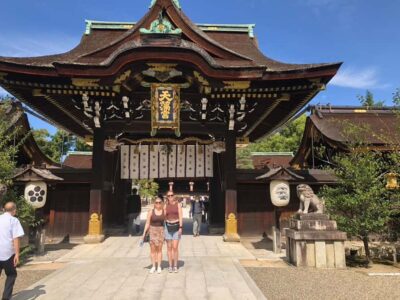

Afternoon Kyoto Bike Tour: Bamboo Forest, Monkeys & Hidden Spots
Read our review →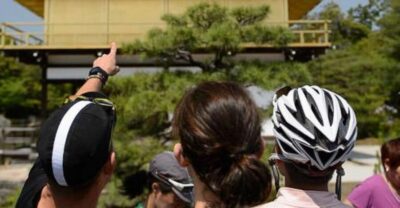
Browse the lists this tour appears in