
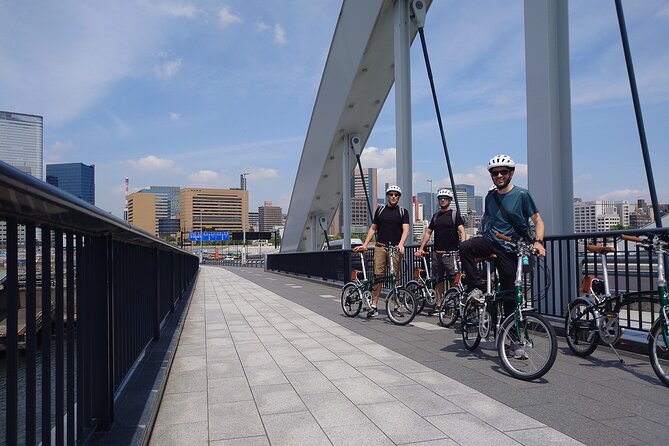
REVIEW · TOKYO BIKE TOURS
3-Hour Tokyo Private E-Bike Tour Starting from Your Hotel
Tokyo is easier on two wheels. This private e-bike ride gives you a practical way to see far more than you could on foot, while an English-speaking guide handles Tokyo’s confusing streets and adjusts the route to your interests. I especially like the hotel pickup and drop-off and the chance to travel through quiet local roads between major sights.
The other strong point is flexibility. You can ask for Tokyo Tower, the Imperial Palace, Shibuya Crossing, parks, shrines, or neighborhood streets, then shape the ride as you go. The main consideration is that the tour lasts only three hours, and not every listed stop fits into every route. Tokyo traffic, heat, and riding rules also mean you need to arrive dressed for cycling, not sightseeing in flip-flops.
Key points to know before booking
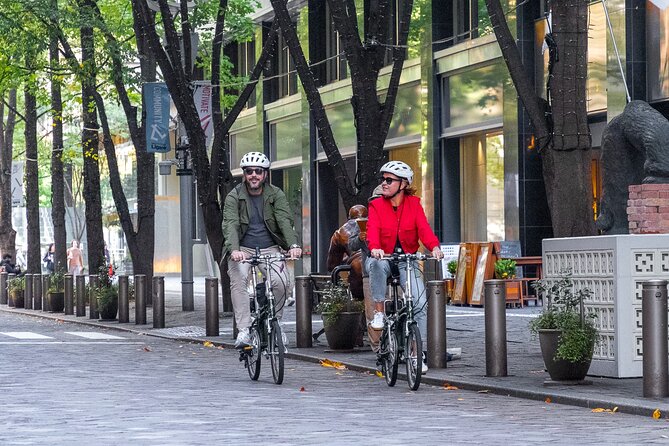
- Hotel-to-hotel convenience: Pickup and drop-off remove the need to find a bike meeting point in an unfamiliar city.
- Kazuma’s personal guiding: Kazuma Naoi is praised for clear English, careful road guidance, cultural explanations, and friendly communication.
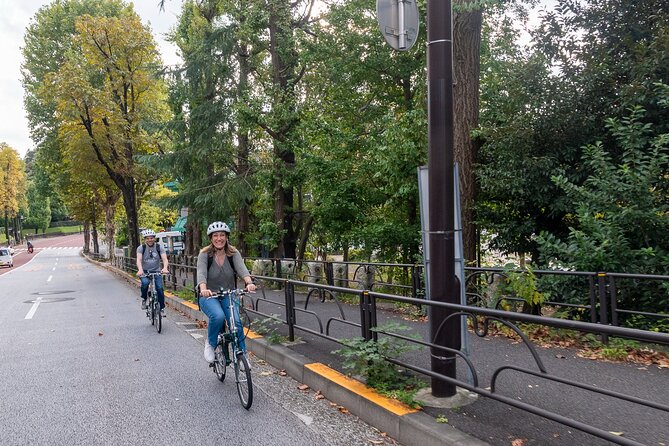
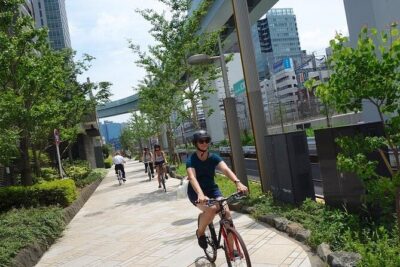
- A real neighborhood view: The ride links famous sights with quiet streets, parks, residential areas, embassies, and local shops.
- Flexible private format: Your group alone participates, so you can request stops, skip places, and adjust the pace.
- E-bike assistance: You still pedal, but motor support makes hills and longer distances much easier.
- Strict clothing and safety rules: No sandals, skirts, high heels, wide pants, wireless earphones, or phone use while cycling.
Why a bicycle works so well in Tokyo
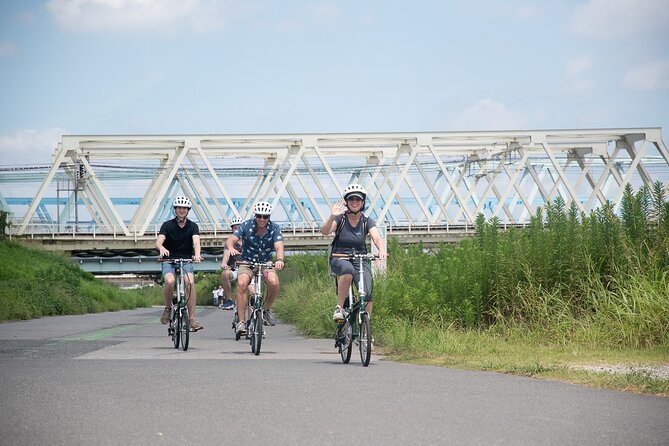
Tokyo is a city of surprising distances. A place that looks close on a map may take time to reach by foot, and subway stations can put you underground just when you want to see the streets. On this ride, you cover ground quickly while staying connected to the city around you.
The e-bike is especially useful because you still get the feel of cycling without having to fight every incline. You pedal, and the electric motor adds power. That matters when the route moves from central government districts toward parks, temples, bridges, and residential streets.
I also like the way this tour treats the route as part of the experience. You are not simply being delivered from one landmark to another. You may pass ministries in Kasumigaseki, embassies around Azabudai, local neighborhoods in Tsukuda, or a small Japanese sweets shop. Those in-between sections help you understand how Tokyo functions beyond its famous photo stops.
The tour is private, so you are not locked into a fixed group pace. If your party wants more photographs, a short convenience-store break, or fewer formal stops, the guide can adjust the ride. Changes to the start or end location, timing, or route can bring an extra charge, so make special requests when you book.
More E-Bike Tours in Japan
- Tokyo Top Highlights 3h Guided E-bike Tour
★ 5.0 · 714 reviews - 3h Tokyo E-Bike Tour: Hidden Gems, and Local Life with guide
★ 5.0 · 670 reviews - Tokyo: 3-Hour Bike or E-Bike City Highlights Tour
★ 4.8 · 435 reviews
Meeting Kazuma and getting comfortable on the bike
Kazuma Naoi, the owner and guide behind Tokyo Bike Bliss, receives especially strong praise for communication and safety. He meets you at your hotel with the bikes, including when the hotel is slightly away from the usual tourist center. That is a useful touch on your first morning in Tokyo, when navigating trains, platforms, and station exits can feel like a full activity by itself.
Before setting off, you receive a short explanation of Japanese road rules. This is important. Tokyo cycling is not a carefree ride through an empty park. You need to pay attention, follow the guide, and respect traffic conditions.
A helmet, bicycle, insurance, and an English-speaking guide are included. The bikes are described as being in excellent condition and easy to use. You cannot use a smartphone while riding, and wireless earphones are not allowed. These rules may feel strict, but they keep your attention on the road.
The stated ideal height range is 145 to 185 centimeters, or about 4 feet 9 inches to 6 feet 1 inch. The weight limit is less than 100 kilograms, or 220 pounds. The recommended minimum age is 10, although the information says ideally 10 or older rather than giving an absolute age rule.
The route is flexible, not a checklist
The advertised stops form a menu of possibilities rather than a guaranteed sequence. Your starting and ending points determine what fits, and the guide asks you to request preferred sights when booking. A three-hour ride cannot reasonably include every location listed below, so think in terms of a focused route with several short visits.
Each stop is generally planned for about 10 minutes. That is enough for a brief explanation and photographs, but not for a long museum visit, extensive shopping, or a slow meal.
Tokyo Tower and Zojoji Temple
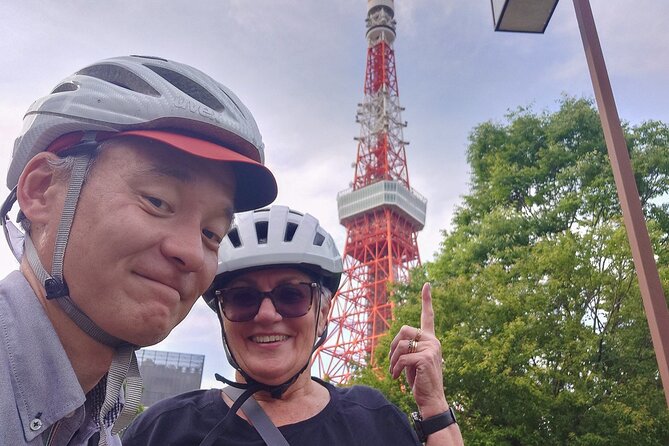
Tokyo Tower is one of the easiest symbols of the city to recognize, and a bicycle gives you more than one way to see it. The guide can take you to familiar photo angles and less obvious viewpoints, depending on the route.
Nearby Zojoji Temple appeared in one detailed ride as part of a route that also included Hibiya Park, the Imperial Palace, and local streets. If Tokyo Tower is high on your list, mention it before the tour so the route can be planned around it.
The limitation is simple: Tokyo Tower may not be included automatically. It depends on your starting point, ending point, and other requests.
More Private Bike Tours in Japan
- Tokyo: 3h Private E-bike Tours, Starting at Your Hotel
★ 5.0 · 36 reviews - Tokyo: Private Cycling Tour with cute E-bike
★ 5.0 · 11 reviews - 1-Day Private Rural E-Bike Tour in Hida
★ 5.0 · 188 reviews - Private Afternoon Cycling Tour in Hida-Furukawa
★ 5.0 · 109 reviews
Imperial Palace and Hibiya Park
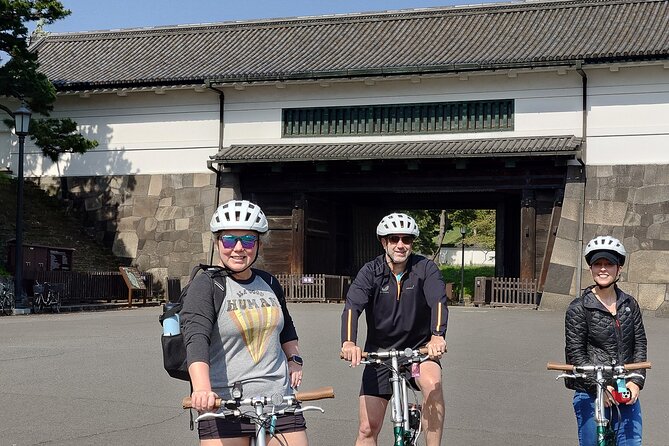
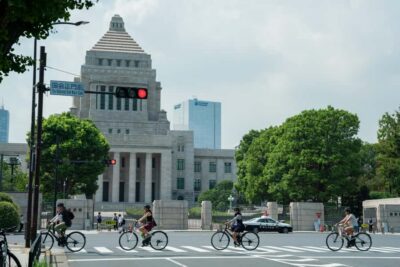
The Imperial Palace area is a good match for this tour because cycling lets you trace sections of the former moats and see the broad streets around the palace grounds. The guide adds context about Japanese history and points out places that many visitors miss when they only follow the standard palace route.
Hibiya Park can fit naturally into an Imperial Palace route. It offers a change of pace from government offices and major roads, with room to enjoy the breeze from the bike. One detailed three-hour route also passed through Kasumigaseki, where many ministries are located, and Toranomon.
This section works well if you want history and civic Tokyo rather than only neon and shopping. It may be less exciting for children who want constant action, since the appeal comes from explanation and atmosphere.
Shibuya Crossing and Yoyogi Park
Cycling through the Shibuya area gives you a different view of the famous crossing than arriving by train and standing at the edge with a camera. You can see the junction as part of the street system, though the actual cycling experience will depend on traffic, road conditions, and the guide’s chosen approach.
Yoyogi Park provides a welcome green pause in a dense city. The ride can take you through the park area so you can enjoy the air and see why this large open space matters to Tokyo residents.
Do not assume that Shibuya Crossing and Yoyogi Park will be combined with eastern Tokyo sights in only three hours. A west-side route may focus on Shibuya, Yoyogi, the Tokyo Metropolitan Government Buildings, and nearby neighborhoods. If you want to cross the city from west to east, ask about the tradeoff before departure.
Tokyo Metropolitan Government Buildings
The twin towers of the Tokyo Metropolitan Government Buildings are a recognizable part of western Tokyo. The guide can show you a good viewing point and explain the role of the metropolitan office.
This stop fits naturally with Shibuya and Yoyogi Park, especially for a route beginning near western Tokyo. It is less practical if your hotel is near Asakusa, Ueno, or Tokyo Bay and you also want eastern sights.
Ueno Park and Kanda Shrine
Ueno Park is one of Tokyo’s large and important public spaces. Cycling through it lets you cover more ground than walking, and the guide can explain why the park matters rather than treating it as just another green patch on the map.
Kanda Shrine adds a spiritual and local perspective. The guide uses the shrine to discuss another side of Japanese life, beyond the business districts and famous towers. This combination suits you if you want parks, traditional culture, and explanations from a local guide.
Again, these stops are conditional. They are not guaranteed on every hotel-based route.
Kaminarimon Gate and Asakusa
Kaminarimon Gate is the dramatic entrance to Senso-ji Temple, marked by its huge red lantern. It is an easy photo stop and one of Asakusa’s most familiar sights.
A bicycle helps you approach Asakusa through the surrounding streets rather than appearing only at the temple entrance by subway. Still, the gate itself can be crowded, and cycling does not mean you can ride freely through every pedestrian area. Expect to park or walk the bike when conditions require it.
Tsukishima Monja Street and Shioiri Park
Tsukishima is associated with monja, a savory Tokyo specialty cooked on a hot griddle. The guide can explain how the food and neighborhood developed, adding a local detail that is easy to miss if you only visit major attractions.
One route also included a Japanese sweets shop in the Tsukishima area, Tsukuda’s residential streets, and Chuo Bridge, where you can see Tokyo Skytree. That combination gives you food, older neighborhood character, and waterway views without spending the whole afternoon in a formal attraction.
Shioiri Park is noted for cherry-blossom views and local history. It is most appealing during blossom season, though the park can still provide a calmer cycling section at other times.
What makes the private format worth the price
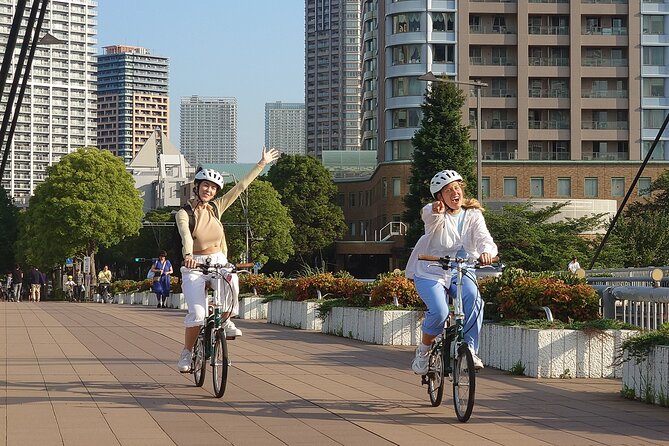
The listed price is $145.35 per person. That is not a budget sightseeing ride, especially if you are traveling alone. For two or more people, the value improves because you are paying for a private guide, e-bike, helmet, insurance, hotel pickup and drop-off, and route planning rather than just a bicycle rental.
I would judge the price by what you want from Tokyo. If you simply want to rent a bike and wander, this costs more than necessary. If you want an English-speaking guide to handle the route, explain landmarks, keep your group together, and adjust the day around your interests, the price is easier to justify.
The private format also saves mental energy. You do not need to work out which roads connect the Imperial Palace to Tokyo Tower, or how to fit a park and a shrine into the same afternoon. The guide has already planned the ride and can make choices as conditions change.
Group discounts are offered, though the actual discount is not specified. Check the final price for your group before booking.
What the best rides seem to do well
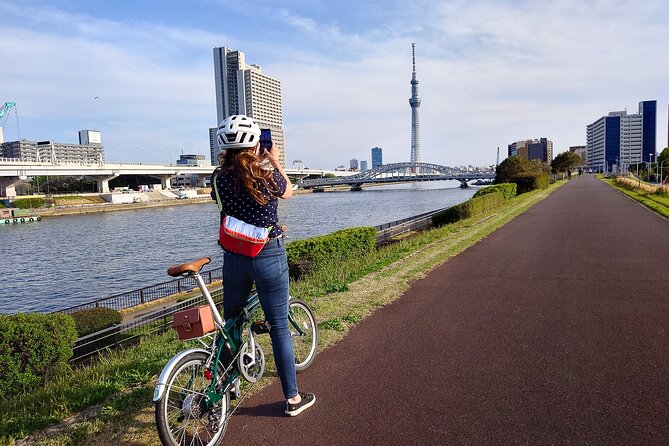
The strongest feature is the guide’s balance of explanation and flexibility. Kazuma is praised for clear English, careful riding instructions, cultural context, and a warm manner. He also takes photographs for the group and shares them afterward, according to one experience.
The ride can cover a surprising amount of Tokyo without making you feel rushed. One three-hour route included the Imperial Palace, Hibiya Park, government districts, embassy areas, Tokyo Tower, a local sweets shop, Tsukuda, and a bridge with a Skytree view.
Breaks can also be built into the day. A convenience-store stop or coffee break may be offered, especially in hot weather. Food and drinks are not included, so carry money and ask for a pause if you need water or a rest.
The practical lesson is to tell Kazuma what matters most. Say if you want major landmarks, quiet streets, food, photography, history, or a gentle pace. Also mention attractions you would rather skip. The route works best when you treat it as a conversation, not a fixed sightseeing conveyor belt.
Comfort, clothing, weather, and timing
Tokyo’s weather can change the feel of the ride. The experience requires good weather, and if poor conditions force cancellation, you can receive a different date or a full refund. Summer heat is still a factor even when the ride goes ahead, though cycling can create a welcome breeze.
Wear closed shoes and practical clothing. Sandals, flip-flops, skirts, high heels, and pants with wide or flared bottoms are not allowed. No alcohol is permitted before or during the tour, and smoking is not allowed.
Bring your own water because bottled water, coffee, tea, lunch, and snacks are excluded. You may be able to stop at a convenience store, but that is not a substitute for planning ahead.
The tour suits most people who can ride a bicycle and follow road instructions. It is best for adults, families with teenagers, couples, and small groups who want a broad introduction to Tokyo. The stated ideal age is 10 or older, and the height and weight limits matter when deciding if the bikes will fit comfortably.
Should you book this Tokyo e-bike tour?
I would book this tour if you want a strong first look at Tokyo and prefer streets, parks, shrines, and local neighborhoods to a full day underground on trains. It is particularly useful on your first day because you can cover several districts, learn how the city fits together, and make a list of places to revisit later.
I would skip it if you dislike cycling in city traffic, need a guaranteed visit to every listed attraction, or want a relaxed indoor activity in hot or uncertain weather. Three hours goes quickly, and the route must be chosen rather than packed with everything.
For the best value, request your top two or three priorities, wear proper cycling clothes, bring water money, and keep your schedule flexible. If you want a safe, personal introduction to Tokyo with a guide who can show you more than the usual station-to-landmark route, this is a smart choice.
FAQ
Is hotel pickup and drop-off included?
Yes. The tour includes pickup and drop-off at your hotel for convenience.
How long does the tour last?
The tour lasts approximately three hours.
Is the tour private?
Yes. Only your group participates in the private activity.
What is included in the price?
The tour includes use of an e-bike, a helmet, insurance, a short explanation of Japanese road regulations, and an in-person English-speaking guide.
Are food and drinks included?
No. Lunch, bottled water, coffee, tea, and snacks are not included.
Can I request specific Tokyo sights?
Yes. You can request places when booking. The final route depends on the starting and ending locations, and route changes may involve an additional charge.
What clothing is not allowed?
Sandals, flip-flops, skirts, high-heeled shoes, and pants with wide or flared bottoms are not allowed. Wireless earphones and smartphone use while cycling are also prohibited.
What happens if the weather is poor?
The tour requires good weather. If it is canceled because of poor conditions, you will be offered another date or a full refund.
More Private Bike Tours in Tokyo
- Barcelona: Private Group Bike Tour
★ 4.8 · 1,420 reviews - Private Self-Guided E-Bike Ride in Tuscany with Vineyard Visit
★ 5.0 · 775 reviews - Bilbao: Guided Highlights Small Group or Private E-Bike Tour
★ 4.8 · 608 reviews - Florence Vintage Bike Tour–guided, small group or private option
★ 4.5 · 524 reviews
More E-Bike Tours in Tokyo
- Tokyo: 3-hour Guided E-Bike Tour of the City’s Hidden Gems
★ 4.8 · 251 reviews - Tokyo: 3-Hour Bike or E-Bike Tour of City’s Hidden Gems
★ 4.7 · 81 reviews - Tokyo Bay Area: Sunset Night View 3h E-bike Guided Bike Tour
★ 5.0 · 11 reviews - 3-Hour Porto Highlights on a Electric Bike Guided Tour
★ 5.0 · 4,392 reviews
Newly added rides around Tokyo
- Tokyo: Private Cycling Tour with cute E-bike★ 5.0 · 11 reviews
- Tokyo Bay Area: Sunset Night View 3h E-bike Guided Bike Tour★ 5.0 · 11 reviews
- Tokyo: West-Side Cycling and Food Tour with Guide★ 5.0 · 37 reviews
- Tokyo: 3h Private E-bike Tours, Starting at Your Hotel★ 5.0 · 36 reviews
- Tokyo: 3-hour Guided E-Bike Tour of the City’s Hidden Gems★ 4.8 · 251 reviews
- Tokyo Bike Tour: Shibuya, Harajuku & Hidden Gems★ 5.0 · 20 reviews
- Tokyo: Hidden Gems Guided Bike Tour with Lunch★ 4.5 · 30 reviews
- Tokyo: 3-Hour Bike or E-Bike Tour of City’s Hidden Gems★ 4.7 · 81 reviews
Tokyo Bike Tours, compared.
3h Tokyo E-Bike Tour: Hidden Gems, and Local Life with guide
Read our review →
3-hour Guided E-Bike Tour of the City’s Hidden Gems
Read our review →
5-Hour Tokyo & Edo Hidden Gem Bike Tour with Lunch
Read our review →
3-Hour Bike or E-Bike Tour of City’s Hidden Gems
Read our review →Browse the lists this tour appears in