
REVIEW · KYOTO BIKE TOURS
Historical Kyoto E-Bike Tour
Kyoto rewards those who keep moving. This six-hour e-bike outing links major sights with quiet backstreets, giving you a practical way to cover western Kyoto without spending the whole day on buses. I especially like the small groups of no more than eight and the chance to see both famous places and ordinary city streets. The main catch is that the ride is not entirely relaxed: you share roads with cars, buses, mopeds, cyclists, and pedestrians.
I also like how much cultural context the guides add. George has been praised for explaining Kyoto’s cycling rules and keeping the group safe, while Jody, Pohan, Diego, Jorge, and Benjamin have each received warm comments for their humor, patience, and clear explanations. The tour includes a bike, helmet, and water, but you should bring yen for lunch and small offerings at shrines.
Key points to know before booking
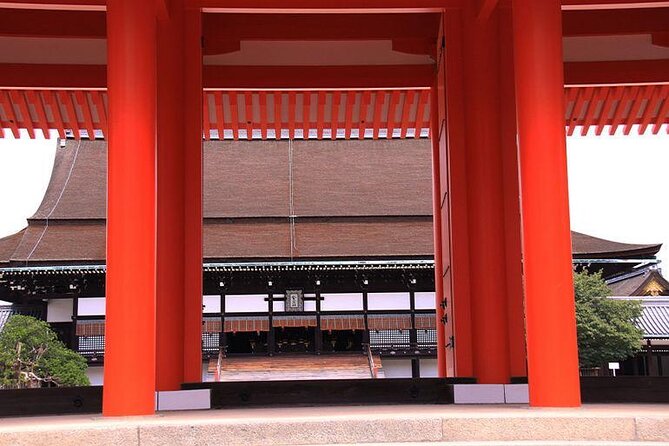
- Four major Kyoto stops in one morning: Visit Kitano Tenmangu, Kinkaku-ji, Arashiyama Bamboo Grove, and Tenryu-ji.
- E-bikes make the distance manageable: You can cover far more ground than on foot, though you still walk at each temple and shrine.
- A genuinely small group: The maximum is eight people, which helps with questions, road crossings, and schedule adjustments.
- Lunch is part of the day: The remaining time includes cycling and a meal, with ramen and food-court options mentioned by past participants. Bring cash.
- The meeting point takes some effort to find: Memory Kyoto Bike Tour is at 8-6 Umaryo-cho in Nishikyo, Nakagyo-ku, and the entrance may not be obvious.
- This suits confident city cyclists: The bikes are easy to pedal, but the route uses public roads rather than only protected cycle paths.
Why an e-bike works so well in Kyoto
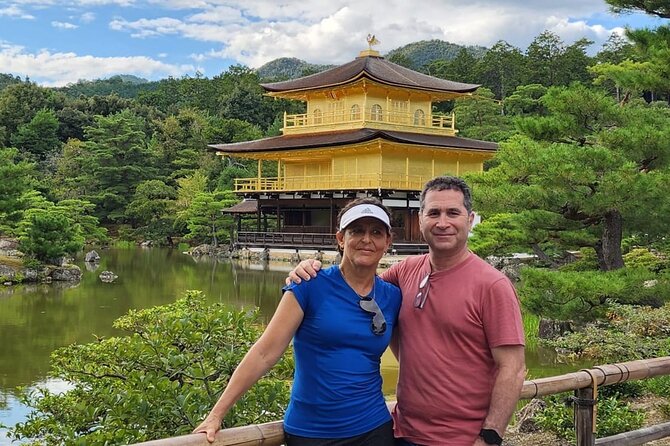
Kyoto’s main sights are spread across a broad area. Kinkaku-ji and Arashiyama are not next door to one another, and a walking route between them would eat up much of your day. Public transport can help, but buses may be slow and crowded, especially around the most popular temples.
The e-bike solves part of that problem. You still pedal, but the electric assistance reduces the effort on longer stretches. Several people found the bikes comfortable and easy to use, and one family described the equipment as being in excellent condition. That matters because a poorly adjusted bicycle can turn a sightseeing day into a battle with the saddle.
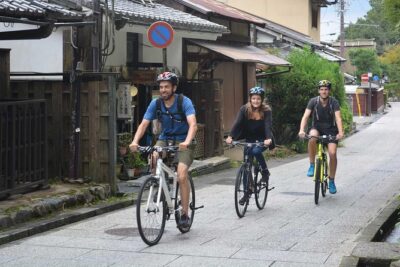
The bike also lets you see Kyoto between the headline attractions. You pass narrow residential streets and quieter routes that a bus tour simply cannot reach. This is one of the strongest reasons to choose this experience. You get a sense of the city as a working place, not only as a string of postcard views.
Still, do not confuse e-bike assistance with a completely carefree ride. You need to pay attention at crossings and intersections. One family with teenagers found the route suitable for proficient cyclists, but noted the mix of traffic and the limited number of designated bike paths. If you are uneasy riding in city traffic, this may feel more demanding than the description suggests.
More E-Bike Tours in Japan
- Hidden Kyoto E-Biking tour
★ 5.0 · 1,843 reviews - 5 Top Highlights of Kyoto Full Day Bike Tour (E-bike option)
★ 5.0 · 511 reviews - Kyoto: Memory Kyoto E-Bike Tour
★ 4.8 · 297 reviews
Starting near the Memory Kyoto Bike Tour shop
The tour begins at 8-6 Umaryo-cho, Nishikyo, Nakagyo-ku, Kyoto City, near public transport. The activity ends at the same meeting point, so plan your return trip from there rather than from Arashiyama.
Finding the start can be the first small challenge. One person described the meeting place as tucked down a back road with little signage, while another found the ticket instructions clear. Give yourself extra time. Arriving late at a bike tour is not ideal, since the group needs to leave together and safety instructions come before sightseeing.
At the start, you receive your bicycle and helmet. A bottle of water is included. The group size is capped at eight, although the exact number on your date may be smaller. A small group is especially useful in Kyoto, where narrow lanes and busy temple approaches can make a large procession awkward.
The guides also appear to take safety seriously. George received particular praise for explaining local cycling laws, road crossings, and how to keep the group together. On one family tour, a guide rode at the front and another at the rear. That arrangement is not promised for every departure, but it shows the kind of care that can make a city cycling route feel more controlled.
Kitano Tenmangu and the plum-tree setting
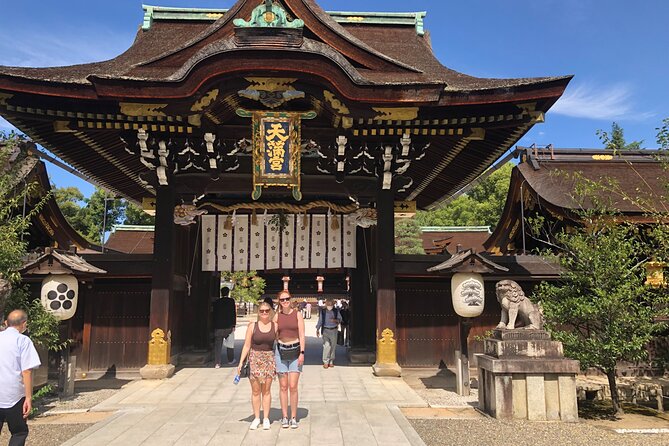
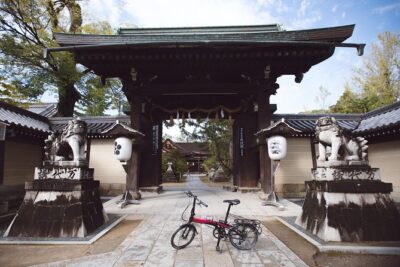
The first listed stop is Kitano Tenmangu Shrine, an important site connected with Sugawara no Michizane, the deity associated with learning. Your guide explains the shrine’s traditions and gives you a chance to understand the religious customs rather than simply photograph the gates.
The shrine is also known for its roughly 1,000 plum trees. Early spring is the special season here, when the blossoms add color and fragrance to the grounds. If your visit falls outside that period, the plum trees will not have the same visual impact, but the shrine still gives the tour an early introduction to Kyoto’s religious culture.
The scheduled stop lasts about 30 minutes, with admission included. That is enough for an overview, but not a slow, detailed exploration of every corner. You should think of this tour as a well-paced introduction. The guide’s explanations do much of the work, especially if you are unfamiliar with Shinto customs or the role of shrines in Japanese life.
Small coins can be useful here. The tour does not cover personal purchases or offerings, and several people advised carrying low-value yen for candles, wishes, or other traditional acts at religious sites. You can enjoy the stop without spending extra, but having coins lets you take part instead of only watching.
Kinkaku-ji, Kyoto’s Golden Pavilion
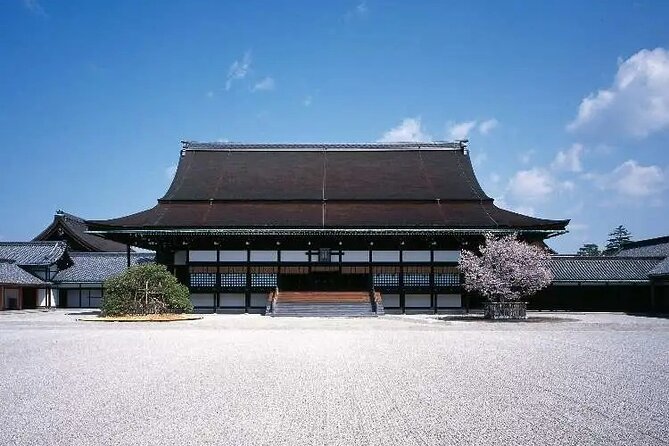
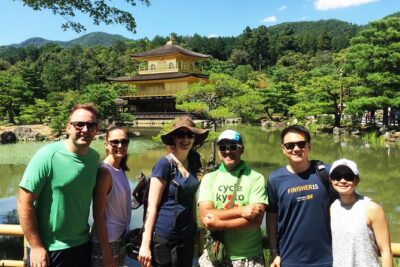
Kinkaku-ji is the visual showstopper. The pavilion is covered in gold leaf and reflected in the pond in front of it. The image is famous for good reason, though the grounds can be crowded and the main view is often shared with plenty of other cameras.
The scheduled visit is about 45 minutes, and admission is included. Your guide provides the background behind the temple and helps put the building in context. That explanation is valuable because Kinkaku-ji can otherwise become a quick stop for one photograph and a short walk around the pond.
The tour’s timing can be especially rewarding in unusual weather. One group visited during heavy snow and found the Golden Pavilion striking against the white surroundings. Of course, weather cannot be ordered from a menu, but the example shows why flexibility matters. Guides have adjusted the order of stops when rain or snow affected the day.
The drawback is crowding. Kinkaku-ji is one of Kyoto’s most visited sights, so the e-bike does not remove the crowds once you arrive. What it does is get you there without spending a long stretch waiting on public transport. You also leave the bicycle outside the sightseeing areas and walk through the temple grounds, so comfortable shoes still matter.
More Historic Bike Tours in Japan
- Kyoto: Fushimi Inari Shrine and Tofukuji Temple E-Bike Tour
★ 5.0 · 75 reviews - 4.5-hr Kyoto Historical Highlights Bike Tour with UNESCO
★ 4.7 · 13 reviews - 5-Hour Osaka Bike Tour to the Neighborhood of Osaka Castle
★ 5.0 · 319 reviews - Half-day Himeji Castle Town Bike Tour with Lunch
★ 5.0 · 81 reviews
Riding toward Arashiyama Bamboo Grove
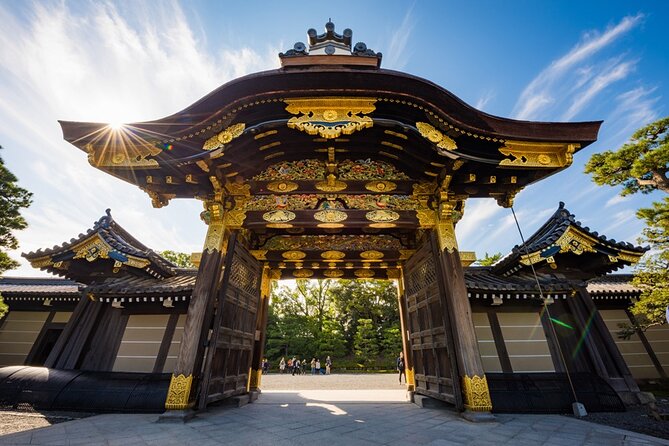
The route then heads toward Arashiyama, one of Kyoto’s best-known districts. This is where the e-bike earns its keep. You cover a substantial distance while avoiding the feeling that your day has been reduced to a series of bus transfers.
The ride is not just a connection between attractions. Guides point out streets, customs, and local details along the way, and several people especially liked the quieter back roads. One family said their guide showed them streets they would never have found on their own. That is the sort of benefit you cannot get from simply hiring a bicycle and following a map.
You should also expect some walking. One person described the day as roughly 75 percent walking and 25 percent biking, while another found there was quite a lot of walking at the sites. Those figures are personal impressions rather than a fixed promise, but they make an important point: this is a sightseeing tour with cycling between stops, not a nonstop bike ride.
The Bamboo Forest Trail takes about 45 minutes. The tall bamboo creates a striking corridor, and even a short walk here can be memorable. It is also one of Kyoto’s most photographed places, so quiet solitude is not guaranteed. Your guide may offer some flexibility about where you finish the walk in Arashiyama, based on the group’s needs and the conditions that day.
Tenryu-ji and Arashiyama’s garden
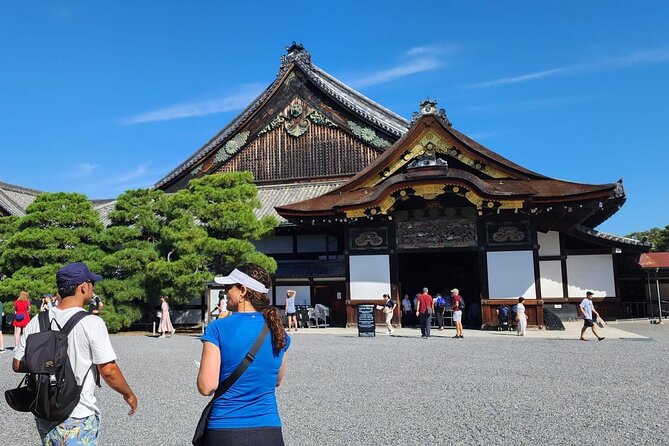
Tenryu-ji adds a calmer note after the bamboo path. The temple is a UNESCO World Heritage Site, and the garden is the main reason to spend time here. The design frames ponds, trees, rocks, and borrowed views in a way that rewards a slower pace than the bike ride.
The scheduled visit is about 45 minutes, with admission included. Your guide explains the temple and its place in Japanese religious culture, then gives you time to look around. Several people valued the chance to learn how shrine and temple customs differ, as well as how to participate respectfully.
Tenryu-ji is a useful counterpoint to Kinkaku-ji. The Golden Pavilion gives you a bold architectural image. Tenryu-ji gives you a garden and a quieter sense of proportion. Together, the stops provide more variety than a tour focused only on famous buildings.
Depending on the day’s route, you may also see the Kimono Forest near Arashiyama after the bamboo visit. That extra stop has been included for some groups, but it is not listed as one of the four main itinerary stops, so treat it as a possible addition rather than a guarantee.
Lunch, local food, and the cash question
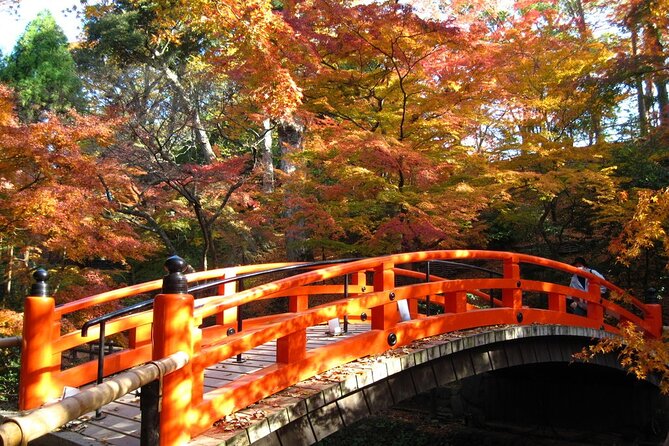
Lunch is included in the day’s schedule, but the food itself is not included in the tour price. This distinction matters. Bring yen, preferably some smaller bills and coins, because the lunch stop may be cash only.
Ramen has been a popular choice, and one person called the ramen stop excellent. Other groups ate at a food court with many options, while another lunch took place at a local Japanese restaurant with a wide selection and robot carts delivering food. The exact venue can change, so you should not book this tour expecting one fixed restaurant.
The meal adds useful breathing room. A six-hour bike and sightseeing outing would feel rushed without time to sit down. It also gives you a chance to try a local lunch rather than grabbing something quickly at a station.
Dietary needs can be discussed with the guide. Jody was praised for paying attention to requests and dietary needs for a group of eight. Still, you should raise any concern before ordering, since the tour description does not promise a particular menu or specific dietary accommodations.
What the guides add to the day
The guide can make or break an outing that combines traffic, temples, and a tight schedule. Here, the strongest praise centers on the human side of the experience. George was described as friendly and careful with road safety. Pohan has been praised for adapting to snow and rain, explaining customs, and offering useful context at each stop.
Jody and Jodie have received praise for humor, patience, and practical advice about Japan. One guide had lived in Japan for more than 20 years and had previously worked as a teacher, which helped turn cultural explanations into clear, engaging stories. Diego was praised for fun facts, a friendly manner, and a good feel for photo stops. Benjamin was described as entertaining and well prepared, even when one participant became separated from the group.
Guide assignments vary, so you cannot select a particular person from the information provided. What you can expect is a tour built around explanation rather than silent transport. The best guides help you understand why a ritual matters, how to behave at a shrine, and what you are seeing beyond the obvious gold, bamboo, and garden views.
Is $99.49 a fair price?
At $99.49 per person, this is not the cheapest way to see Kyoto. You are paying for the bike, helmet, water, a small group, several admissions, and a guide for roughly five to six hours. Lunch is extra, and you need to cover your own food purchases.
The value improves if you have limited time in Kyoto. Reaching Kitano Tenmangu, Kinkaku-ji, Arashiyama, and Tenryu-ji independently can require careful planning, transfers, and patience with crowded buses. The tour trades some freedom for a clear route and local instruction.
I think the price is easier to justify for a first visit, especially if you want history and culture explained as you go. It is also useful early in a Kyoto stay, since guides may offer practical advice that helps with the rest of your trip. If you already know these sights well, or if you prefer slow, unstructured temple visits, the cost may feel less worthwhile.
The included admissions add real value, but lunch and optional religious offerings are separate. Keep a little extra yen in your pocket so the meal does not become an awkward end to an otherwise well-organized day.
Who should book this Kyoto bike tour?
This is a strong fit for adults, older children, and teenagers who are comfortable riding bicycles on city streets. One family felt their 12 and 14-year-olds managed well because they were confident riders, but suggested the route is best for teens and older rather than young children.
You should also be comfortable walking for extended stretches. The bicycle reduces the distance between sights, but it does not replace temple paths, garden walks, or the Bamboo Forest Trail.
I would choose this tour if you want to see a lot in one day and prefer a guide who explains culture instead of simply pointing out buildings. I would skip it if traffic makes you nervous, if you want a completely private itinerary, or if your priority is spending long, quiet periods at one temple.
Free cancellation is available up to 24 hours before the start time for a full refund. Changes or cancellations inside that window are not accepted, so keep the local cut-off time in mind when making plans.
Should you book it?
Book this tour if you want an active, efficient introduction to Kyoto’s western sights, with a small group and plenty of cultural explanation. The e-bike lets you move between distant areas, while the walking stops give you time with the places that matter.
The best reason to go is the combination of famous sights and everyday streets. You see the Golden Pavilion and bamboo grove, but you also learn how Kyoto works between them. Just arrive early at the meeting point, bring cash for lunch and offerings, wear comfortable shoes, and be honest about your cycling confidence.
If those conditions suit you, $99.49 buys a full and varied day, not just a bicycle rental.
FAQ
How long does the Historical Kyoto E-Bike Tour last?
The tour lasts approximately five to six hours. The time includes sightseeing, cycling between locations, and lunch.
Where does the tour begin?
It begins at Memory Kyoto Bike Tour, 8-6 Umaryo-cho, Nishikyo, Nakagyo-ku, Kyoto City, Japan.
Where does the tour end?
The tour ends back at the meeting point.
What sights are included?
The main stops are Kitano Tenmangu Shrine, Kinkaku-ji Temple, the Arashiyama Bamboo Forest Trail, and Tenryu-ji Temple.
Is lunch included in the price?
Lunch is part of the schedule, but the food is not included in the tour price. Bring yen for the meal.
Are admission tickets included?
Admission tickets are included for the listed sightseeing stops.
How many people can join the tour?
The maximum group size is eight people.
Is an e-bike provided?
Yes. Each participant receives an e-bike and helmet. A bottle of water is also included.
Can most people participate?
Most people can participate, but you should be comfortable riding a bicycle on city streets and walking at the temples and shrine.
What is the cancellation policy?
You can cancel up to 24 hours before the experience starts for a full refund. Cancellations or changes made less than 24 hours before the start time are not accepted.
More Historic Bike Tours in Kyoto
- Historical Singapore Bike Tour on Full-Sized Bicycles
★ 5.0 · 1,421 reviews - Barcelona: 2.5-Hour Bike or E-Bike Historical Tour
★ 4.5 · 1,262 reviews - Asheville Historic Downtown Guided Electric Bike Tour with Scenic Views
★ 5.0 · 1,234 reviews - Krakow: Bike Tour of Old Town, Jewish Quarter and the Ghetto
★ 4.9 · 1,155 reviews
More E-Bike Tours in Kyoto
- E-Bike Tours of the highlights of Kyoto!!!
★ 5.0 · 291 reviews - Kyoto: City Secrets eBike Tour
★ 4.9 · 196 reviews - Kyoto: Hidden Gems E-Bike Tour with Local Japanese Guide
★ 4.9 · 189 reviews - Arashiyama Bamboo Forest E-Biking Tour
★ 5.0 · 183 reviews
Newly added rides around Kyoto
- Kyoto: City Secrets eBike Tour★ 4.9 · 196 reviews
- Best of Kyoto: Ginkakuji & Path of Philosophy E-Bike Tour★ 4.9 · 79 reviews
- Kyoto: Tailored E-Bike Tour to Highlights & Hidden Gems★ 4.9 · 32 reviews
- Kyoto: Hidden Gems E-Bike Tour with Local Japanese Guide★ 4.9 · 189 reviews
- Kyoto: Half-day Guided Bike Tour with Fushimi Inari★ 4.9 · 21 reviews
- Kyoto: Hidden Gems E-Bike Tour Through Backstreets & Temples★ 4.9 · 54 reviews
- Kyoto: Early Bird E-Bike Tour with Lunch★ 5.0 · 14 reviews
- Kyoto: Full-Day City Highlights Bike Tour with Light Lunch★ 5.0 · 52 reviews
Kyoto Bike Tours, compared.
Arashiyama Bamboo Forest & Hidden Gems Bike Tour (Early Bird)
Read our review →
5 Top Highlights of Kyoto Full Day Bike Tour (E-bike option)
Read our review →
Full Day Biking Tour Exploring the Best of Kyoto
Read our review →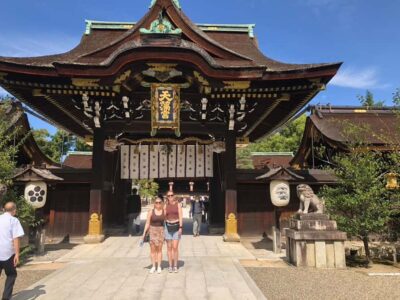

Afternoon Kyoto Bike Tour: Bamboo Forest, Monkeys & Hidden Spots
Read our review →Browse the lists this tour appears in