
REVIEW · TOKYO BIKE TOURS
3h Tokyo E-Bike Tour: Hidden Gems, and Local Life with guide
Tokyo makes you work for its best moments. This three-hour e-bike tour helps you cover far more ground than you could on foot, while still slipping through small streets and local neighborhoods that trains cannot reach. I especially like the combination of major sights, such as Tokyo Station and the Imperial Palace, with everyday corners around Kanda, Ginza, and Nihonbashi. The electric-assist bikes also take much of the strain out of riding a large city.
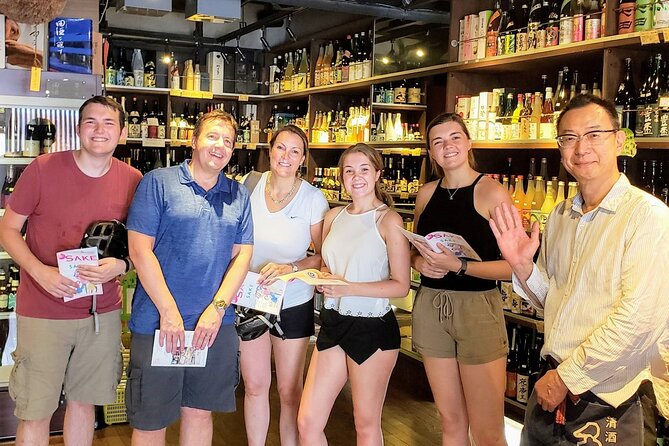
I like the small groups, capped at six people, and the chance to ride with guides such as Yo, Take, Jenny, Kazu, Ted, and Ninja, who bring different personal touches to the route. The main consideration is traffic: you need to be comfortable cycling on busy Tokyo streets, stay close to the guide, and handle a bicycle confidently. At $63.01 per person, the tour offers good value if you want an efficient introduction to central Tokyo, but it is not a relaxed park ride.
- Two different routes: Morning rides focus on Tokyo Station, the Imperial Palace, Ginza, Tsukiji, and local streets. Afternoon rides head toward Akihabara, Kappabashi, Asakusa, Ryogoku, and Nihonbashi.
- Small-group format: With no more than six people, guides can keep an eye on the group and answer questions.
- Simple starting point: The shop is one minute from the west exit of JR Kanda Station, with a restroom, waiting area, and luggage storage.
- Practical riding help: E-bike rental, helmet, insurance, simple rain gear, and seasonal items are included.
- A strong first-day activity: The ride helps you understand the shape of central Tokyo and identify places to return to later.
- Weather matters: Rain can cancel the tour, and extreme summer heat can also lead to a cancellation or early return.
Why an E-Bike Works So Well in Tokyo
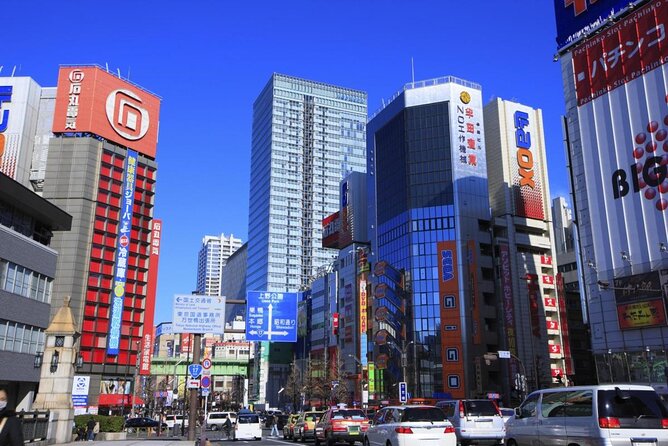
Tokyo is huge, and its rail system is superb, but trains do not show you how one neighborhood changes into another. On a bicycle, you move from office towers to narrow residential lanes, from luxury shopping streets to old food stalls, and from imperial grounds to working districts in a matter of minutes.
The electric assist is the practical reason this tour works. You still pedal, but the motor helps with effort, distance, and Tokyo’s summer heat. Several routes cover enough ground to give you a broad look at the city without leaving you exhausted after every stop.
You should not expect a race or a free-form ride. The guide leads the group, and you need to keep pace. One useful warning is easy to overlook: it is possible to fall behind if you stop concentrating, especially when the group moves through side streets or intersections.
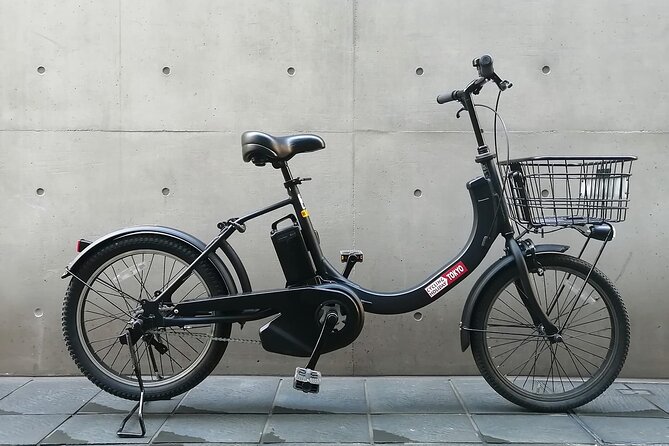
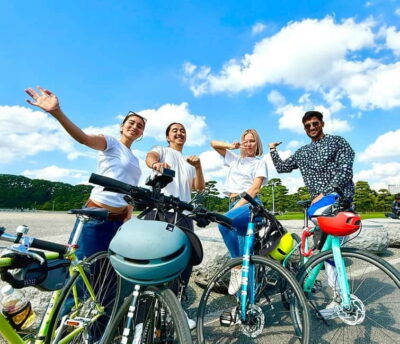
The bikes have front baskets, which are handy for water, a small bag, or sunscreen. Helmets are supplied and must be worn. You also receive insurance, basic rain gear, winter gloves, and cooling products in summer.
Starting in Kanda, Tokyo’s Working Core
The tour begins at Cycling Holiday Tokyo, at 3-chome-8-6 Uchikanda. The shop is near Kanda Station, just a one-minute walk from the JR station’s west exit. That location matters because it keeps the start simple, even if you are still learning Tokyo’s rail system.
Kanda is a useful first stop because it feels more like a working neighborhood than a sightseeing zone. Small Japanese-style bars line the area, serving office workers after the day’s work. Your guide introduces the district before the group gets moving, giving you an early look at a side of Tokyo that is easy to miss from a train window.
You can leave luggage at the shop, except for valuables. The restroom and waiting room are useful extras, especially if you arrive early or have just checked out of a hotel.
More E-Bike Tours in Japan
- Tokyo Top Highlights 3h Guided E-bike Tour
★ 5.0 · 714 reviews - Tokyo: 3-Hour Bike or E-Bike City Highlights Tour
★ 4.8 · 435 reviews - Tokyo: 3-hour Guided E-Bike Tour of the City’s Hidden Gems
★ 4.8 · 251 reviews
The Morning Ride: Imperial Views, Ginza, and Tsukiji
The morning route is the better choice if you want Tokyo’s major civic sights and a taste of older commercial districts. It begins with central business streets and modern buildings, then moves toward Tokyo Station and the Imperial Palace.
Tokyo Station and Marunouchi
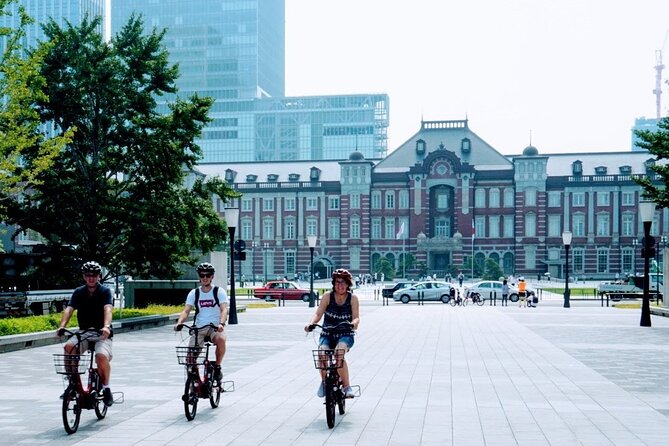
At Tokyo Station’s Marunouchi side, you stop near Gyoko-dori Street for a view of the station building. The guide explains the station’s history while you take photos. The stop itself is short, about five minutes, but the setting gives you one of Tokyo’s clearest contrasts: a grand historic station fronted by a polished business district.
This is not a long architectural visit. You will not go inside for an extended look. Instead, you get a quick orientation and a photo stop before continuing.
Imperial Palace and Otemon Gate
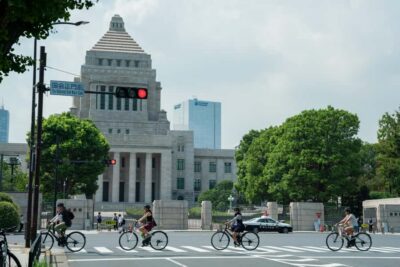
The route then reaches Otemon Gate, where you look across the moat toward Fujimi-yagura Tower. The view is a compact lesson in old castle defenses and imperial Tokyo. It is also a welcome break from the hard edges of the financial district.
The ride includes the Imperial Palace East Garden area, a large open park of about 200,000 square meters next to the palace. The gardens offer room to slow down and notice flowers, walls, gates, and open space in the middle of the city.
At Sakuradamon, you pass through one of the traditional castle gates. These stops are brief, but the guide’s explanations help turn a photo opportunity into a clearer picture of how Tokyo developed around the palace grounds.
More E-Bike Tours in Tokyo:
- 3-Hour Tokyo Private E-Bike Tour Starting from Your Hotel
★ 5.0 · 117 reviews - Tokyo: 3-Hour Bike or E-Bike Tour of City’s Hidden Gems
★ 4.7 · 81 reviews - Tokyo: 3h Private E-bike Tours, Starting at Your Hotel
★ 5.0 · 36 reviews - Tokyo: Private Cycling Tour with cute E-bike
★ 5.0 · 11 reviews
Ginza’s Main Streets and Back Lanes
The route through Ginza can change according to traffic, pedestrians, and road conditions. You may ride along the main streets, or slip into back lanes near the luxury stores.
That flexibility is a strength. Ginza is famous for high-end shopping, but its side streets can feel more local and less polished. The e-bike makes it possible to connect these small roads without the long walks required to see them on foot.
If your main aim is shopping, this tour will not give you enough time to browse. If you want to understand how the expensive central district sits beside ordinary streets, the ride gives you a useful quick look.
Tsukiji Outer Market
The morning route reaches Tsukiji Outer Market, where small, old-fashioned food shops line the streets. You have about ten minutes here, so think of it as an introduction rather than a full food visit.
Food and drinks are not included, and any purchases are your responsibility. If you see something you want to try, ask your guide how much time is available before buying. The short stop is best for taking in the atmosphere and noting places you may want to return to later.
After Tsukiji, the guide takes you through local streets and routes that are practical on an e-bike. This is where the morning ride becomes more than a checklist of famous sights. You see ordinary Tokyo life between the landmarks, with the guide explaining the neighborhood and pointing out places that are easy to miss.
The Afternoon Ride: Akihabara, Asakusa, and Sumo Country
The afternoon route has a different personality. It focuses more on Tokyo subcultures, traditional shopping streets, temples, and the district associated with sumo.
Akihabara and Tokyo’s Subculture
Akihabara is the city’s center for youth and geek culture. You stop for about five minutes, enough for an introduction and a look at the district’s distinctive identity.
The guide may explain more than the familiar maid-cafe image. Akihabara is useful as a quick cultural stop because it shows a modern side of Tokyo that feels very different from the palace grounds or old market streets.
Do not expect a long shopping session. The tour is about seeing the district in context, not spending an afternoon inside electronics or hobby shops.
Kappabashi Tool Street
Kappabashi Street, also called Kappabashi Dogugai, is one of the afternoon route’s most practical stops. Shops sell kitchen utensils, professional cooking tools, Japanese knives, and other equipment used by restaurants.
You have around ten minutes, with some opportunity to look around or shop. That is enough to browse, but not enough for a careful knife purchase if you need time to compare products, arrange shipping, or ask detailed questions.
This stop works well for anyone interested in Japanese food culture. Even if you buy nothing, the shop windows show the tools behind the restaurants you will visit during your stay.
Asakusa and Tokyo’s Oldest Famous Temple
Asakusa is the afternoon route’s major sightseeing stop. The district is known for its old temple, and it gives you one of the clearest chances to see traditional Tokyo in a concentrated area.
The stop lasts about ten minutes. You will have time for photos and a basic explanation of temple customs and rituals. One guide received particular praise for explaining those customs in a way that helped participants during the rest of their time in Japan.
If you want to explore the temple grounds, shops, and nearby streets at an unhurried pace, return later on foot. The bike tour gives you the orientation, not the complete Asakusa visit.
Ryogoku and the Sumo Connection
The route continues to Ryogoku, the district associated with sumo wrestling. If timing is lucky, you might see real sumo wrestlers near the arena.
That possibility is not guaranteed, but it adds a bit of fun to the ride. Ryogoku also gives you a look at a district with a strong local identity, rather than another generic commercial center.
Nihonbashi and the Ride Back to Kanda
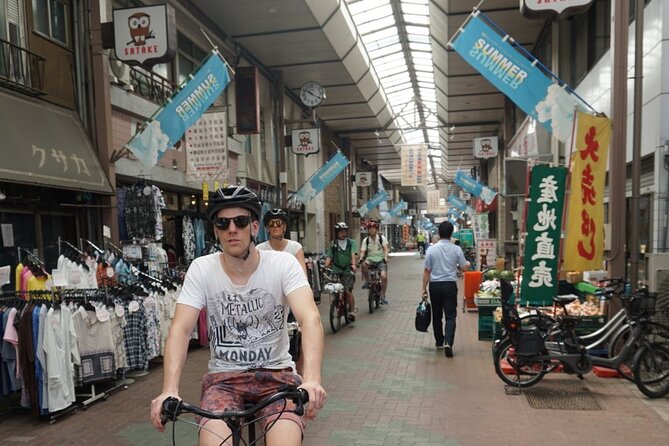
Both morning and afternoon routes include Nihonbashi Bridge. The bridge is an important geographic marker because road-distance measurements in Japan traditionally begin there.
The stop lasts about five minutes, so the value is mainly orientation and context. It helps connect the places you have seen and shows how old transportation routes still shape the modern city.
The tour ends back at the Kanda meeting point. That makes planning easier because you do not need to find a new station or arrange a pickup in an unfamiliar neighborhood.
Guides, Group Size, and the Feel of the Ride
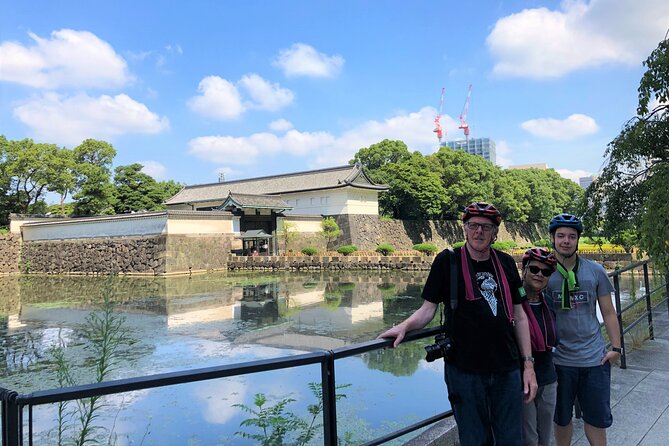
The guide is a major part of the experience. Yo is praised for a friendly, patient manner. Ted is noted for answering questions and keeping the ride safe. Take mixes history, food information, and humor, while Jenny is good at offering a choice between more famous sights and quieter back streets.
Kazu and Ninja are also mentioned for making the ride informative and easygoing. These names matter because the experience is not simply a bike rental with a map. The guide controls the pace, chooses safe routes, explains local customs, and helps you make sense of what you are seeing.
Groups are limited to six people per booking, though other participants may join. The minimum is two people, but someone booking alone may still participate if another booking fills the tour.
The format suits families with children aged 12 and older, couples, friends, and solo visitors who want company. One family with children aged 12 and 15 found the ride manageable, while several parents appreciated guides who were patient and safety-focused.
Heat, Rain, and the Real Riding Conditions
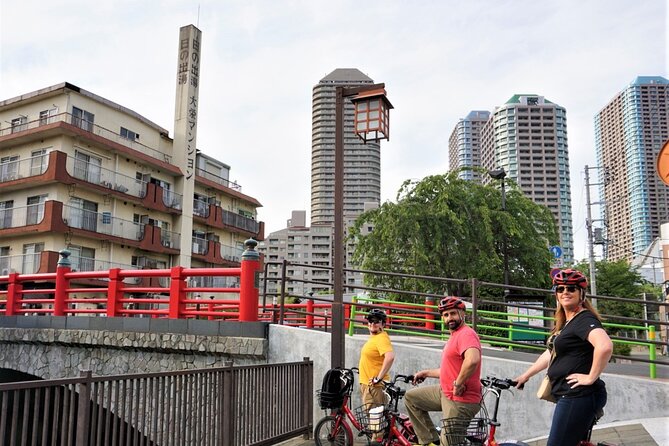
Tokyo can be very hot and muggy in July and August. Bring water, sunscreen, and a small towel. An electrolyte drink is a sensible choice on very hot days, especially because you may spend three hours riding and stopping in open areas.
The operator watches the heat-stress index and may cancel if conditions are dangerous. If the guide decides during the ride that the weather is unsafe, the group may return to the starting point, with the tour fee refunded in that situation.
Rain is another concern. The tour can be canceled if the forecast is poor, and basic rain gear is supplied if conditions change. Still, rain can make glasses, hands, and road surfaces less comfortable, so bring suitable personal clothing if showers are possible.
Winter riders should bring warm clothes. Simple gloves are supplied in winter, but you should dress for a moving bicycle rather than a slow walk.
The tour requires a minimum height of 147 centimeters and a minimum age of 12. You must already know how to ride a bicycle. The e-bike makes pedaling easier, but it does not remove the need to steer, brake, watch traffic, and follow the guide.
Is $63.01 Good Value?
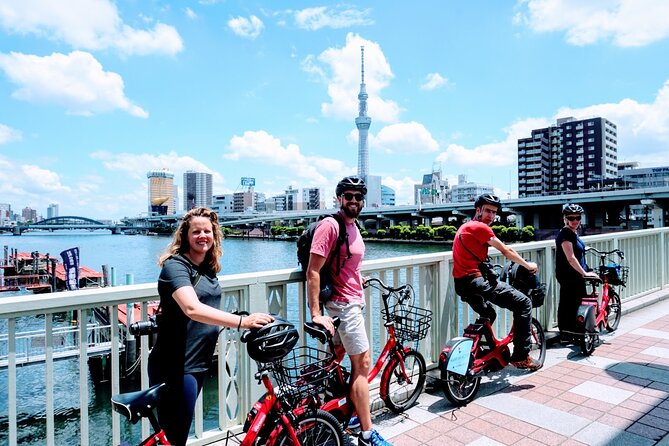
At $63.01 per person, I consider this a fair price for a three-hour guided ride with an e-bike, helmet, insurance, seasonal supplies, luggage storage, and an English-speaking guide.
The value is strongest on your first morning or afternoon in Tokyo. You can cover several districts, learn how they connect, and mark places for a later visit. The experience also saves you from planning a route through unfamiliar streets.
The price is less compelling if you already know central Tokyo well, dislike urban cycling, or want long visits inside temples, markets, or shops. This is a moving orientation tour with short stops, not a full guided visit at each location.
The excellent rating of 4.9 from 670 reviews and a 98 percent recommendation rate support the idea that the format works for most people who arrive prepared for city riding. The praise centers on the guides, easy-to-use bikes, safety, and the amount of Tokyo covered in three hours.
Should You Book This Tokyo E-Bike Tour?
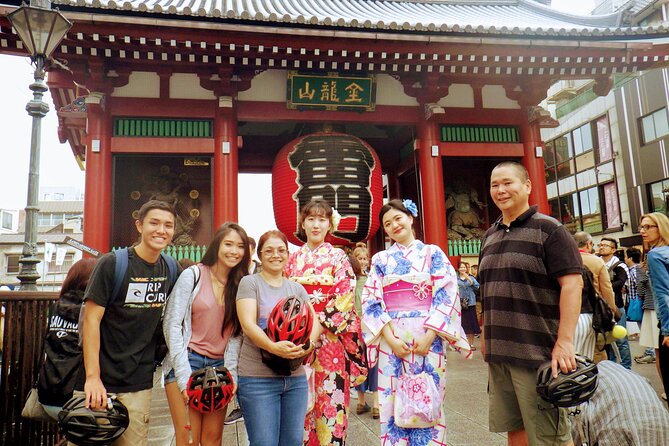
Book it if you want a lively first look at Tokyo, enjoy cycling, and value local explanation over a rigid sightseeing checklist. I would choose the morning route for the Imperial Palace, Tokyo Station, Ginza, and Tsukiji. Choose the afternoon route for Akihabara, Kappabashi, Asakusa, and the possibility of seeing sumo wrestlers in Ryogoku.
Skip it if you cannot ride confidently, prefer quiet traffic-free paths, or need long, leisurely time at every attraction. Also think carefully about July and August heat.
For most active visitors, this is a smart use of three hours. You get major sights, ordinary streets, helpful local context, and a clearer sense of Tokyo’s shape. Book at least 24 hours ahead if possible, and remember that cancellation is free up to 24 hours before the start time. If bad weather cancels the ride, you can choose another date or receive a full refund.
FAQ
Where does the Tokyo e-bike tour start?
It starts at Cycling Holiday Tokyo, 3-chōme-8-6 Uchikanda, Chiyoda City, Tokyo. The shop is about one minute from the west exit of JR Kanda Station.
Where does the tour end?
The tour ends back at the same meeting point in Kanda.
How long does the experience last?
The tour lasts approximately three hours.
What is included in the price?
The price includes an electric-assist bike, helmet, English guide, insurance, simple rain gear, luggage storage for non-valuables, winter gloves, and summer cooling products.
Are food and drinks included?
No. Food and drinks are self-pay at the shop or during stops.
What are the age and height requirements?
The minimum age is 12, and the minimum height is 147 centimeters. You must also be able to ride a bicycle.
What happens if it rains?
The tour may be canceled because of poor weather. You can receive a full refund or choose another date. If rain begins during the ride, the guide decides whether it is safe to continue.
Can I cancel for a full refund?
Yes. You must cancel at least 24 hours before the local start time for a full refund. Cancellations or changes made less than 24 hours before the start are not accepted for a refund.
More 3-Hour Experiences in Tokyo
- Tokyo Bay Area: Sunset Night View 3h E-bike Guided Bike Tour
★ 5.0 · 11 reviews - 3-Hour Porto Highlights on a Electric Bike Guided Tour
★ 5.0 · 4,392 reviews - 3-hour Complete Prague Bike Tour
★ 5.0 · 3,674 reviews - Porto: City Highlights 3-Hour Guided Electric Bike Tour
★ 4.8 · 3,092 reviews
Newly added rides around Tokyo
- Tokyo Bay Area: Sunset Night View 3h E-bike Guided Bike Tour★ 5.0 · 11 reviews
- Tokyo: West-Side Cycling and Food Tour with Guide★ 5.0 · 37 reviews
- Tokyo: Private Cycling Tour with cute E-bike★ 5.0 · 11 reviews
- Tokyo: 3h Private E-bike Tours, Starting at Your Hotel★ 5.0 · 36 reviews
- Tokyo: 3-hour Guided E-Bike Tour of the City’s Hidden Gems★ 4.8 · 251 reviews
- Tokyo Bike Tour: Shibuya, Harajuku & Hidden Gems★ 5.0 · 20 reviews
- Tokyo: Hidden Gems Guided Bike Tour with Lunch★ 4.5 · 30 reviews
- Tokyo: 3-Hour Bike or E-Bike Tour of City’s Hidden Gems★ 4.7 · 81 reviews
Tokyo Bike Tours, compared.
3-hour Guided E-Bike Tour of the City’s Hidden Gems
Read our review →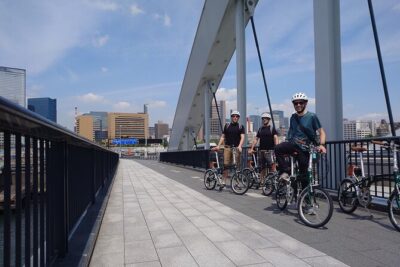
3-Hour Tokyo Private E-Bike Tour Starting from Your Hotel
Read our review →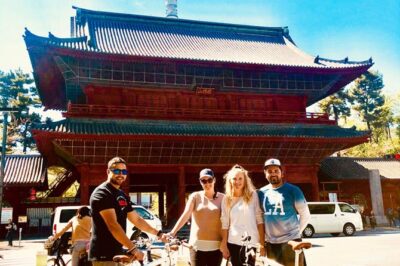
5-Hour Tokyo & Edo Hidden Gem Bike Tour with Lunch
Read our review →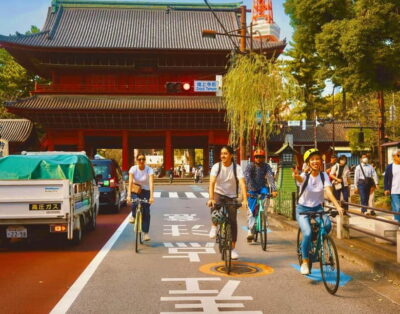
3-Hour Bike or E-Bike Tour of City’s Hidden Gems
Read our review →Browse the lists this tour appears in