

REVIEW · JAPAN BIKE TOURS
E-Bike Nara Highlights – Todaiji, Knives, Deer, Shrine
Nara is easier on two wheels. This 3.5-hour e-bike tour links Todaiji Temple, feeding deer, Kasuga Taisha, and a historic knife shop without asking you to walk the whole park. I like the efficient route and the mix of major sights with local shopping. The main caution is that the cycling pace can be fairly brisk, and the tour may feel expensive if you only want a short visit to the deer and temple.
The e-bikes are a real help in Nara Park, especially in hot weather or on the gentle slopes near Mt. Wakakusa. Guides such as Chris, Remi, Robert, Melody, and Elodie have earned praise for clear explanations, patience, safety, and help with photographs. Still, check your comfort on a bike before booking, since bicycle insurance is not included and the bikes are not always a perfect fit for taller riders.
Key points to know before you book
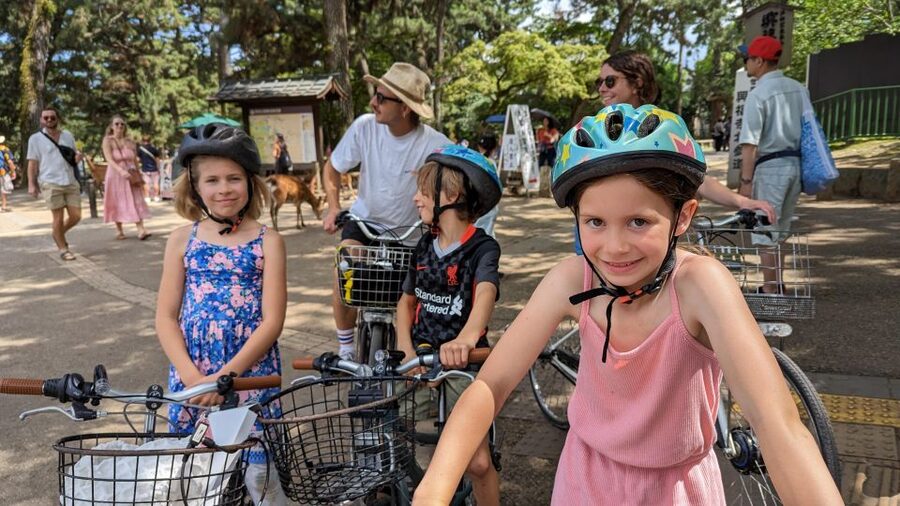
- You cover a lot in 210 minutes: The route reaches Nandaimon Gate, Todaiji, Mt. Wakakusa, Kikuichimonjushirokanenaga honten, Kasuga Taisha, and Ukimido.
- The deer stop comes with a lesson: You receive deer crackers and learn how to feed the animals in the Nara way, rather than simply waving food at them.
- The knife visit adds something different: Kikuichimonjushirokanenaga honten introduces Japanese cutlery and its connection to traditional sword-making.
- The meeting point is convenient: The bike base is less than five minutes from Kintetsu Nara Station, not JR Nara Station.
- The ride is active, not a slow pedal: The electric assist helps with hills, but the group may move at a forward pace.
- The best fit is a short-stay visitor: If you have only one day in Nara, this tour helps you see more with less foot fatigue.
Why an e-bike works so well in Nara Park
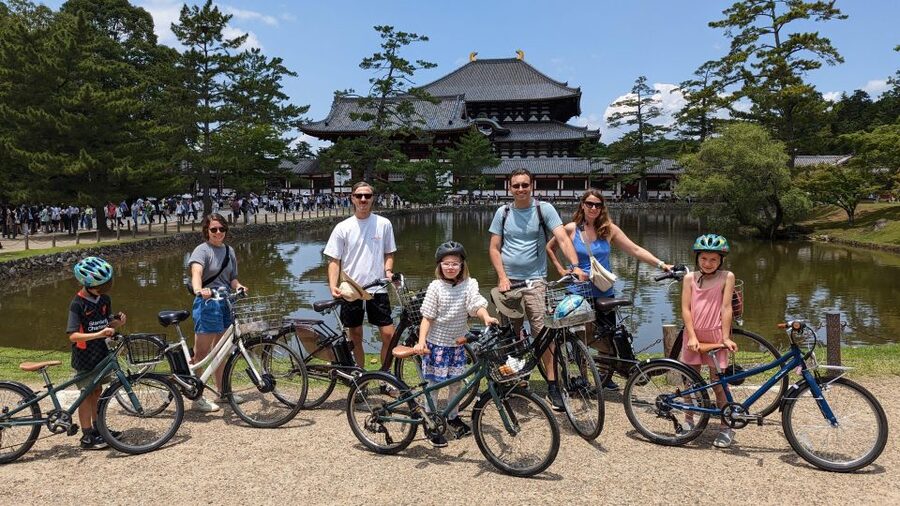
Nara Park looks compact on a map, but its sights are spread across a large area. Todaiji is one direction, Kasuga Taisha lies farther east, and Ukimido sits in another part of the park. Walking between every stop can eat much of your day.
An e-bike changes the calculation. You still stop to walk through temple grounds, look at lanterns, feed deer, and browse knives, but the transfers between sights take less time. I like this balance because you get the feel of being outdoors rather than sitting in a bus or taxi.
The route also includes some gentle uphill riding around Mt. Wakakusa. Several riders in their 60s found the electric assistance useful, and one visitor described making it comfortably despite being out of shape. That does not mean you can skip basic cycling ability. You need to steer, brake, ride in a group, and manage the bike around other people.
The cycling sections are not always leisurely. A rainy-day group found the bikes in good condition and appreciated the efficient pace, but noted that the tour moved forward rather than at a slow, casual speed. If you picture a relaxed bicycle stroll with long pauses, you may find the pace more energetic than expected.
More City Bike Tours in Japan
- Tokyo Top Highlights 3h Guided E-bike Tour
★ 5.0 · 714 reviews - 5 Top Highlights of Kyoto Full Day Bike Tour (E-bike option)
★ 5.0 · 511 reviews - Tokyo: 3-Hour Bike or E-Bike City Highlights Tour
★ 4.8 · 435 reviews
Starting near Kintetsu Nara Station
The meeting point is at 16-1 Takamaichicho, in front of Building LIFE 21, at the bike base. It is a short walk from Kintetsu Nara Station, and the operator says it is less than five minutes from the station.
This location matters. Kintetsu Nara is the useful arrival point for this experience, while JR Nara Station is farther away. Do not follow directions to the wrong station and assume you can arrive at the last moment. Plan to be there 15 minutes before departure.
Look for the guide in a navy cap and red polo shirt with the JTA uniform. After meeting, you will collect your e-bike and can request a helmet, subject to availability. The bikes have received especially strong praise for their condition, though one rider found a bike less suitable for taller people. If you are tall or have particular bike needs, raise that before setting off.
The tour is offered in English and French. French is not guaranteed on a shared tour, even though French-speaking guides are available. Contact the operator ahead of time if a French-speaking guide is essential.
Nara Park and the polite way to feed deer
The ride into Nara Park begins the wildlife portion of the experience. Deer move freely through the park, so you will likely see them before reaching the main temple stops. The attraction is not simply spotting an animal behind a fence. You are moving through a public park where deer are part of the daily scene.
The tour includes deer crackers, known as shika senbei. Your guide explains how to offer them properly, including the familiar bowing behavior that makes the encounter feel distinctly Nara. You should follow the guide’s instructions and keep extra food out of sight once the crackers are gone. Additional crackers cost extra.
This stop can be especially good for families. Children get a clear activity rather than only a photo opportunity, and the e-bike helps keep younger riders from tiring during the longer route. Child seats can be provided for riders under 10, with one child seat per e-bike.
Keep in mind that deer are still animals. They can be eager when they see food, and the experience may feel more crowded around popular feeding spots. The guide’s instruction is valuable here because it helps you handle the encounter calmly and respectfully.
Nandaimon Gate and the scale of Todaiji
Nandaimon Gate is a powerful introduction to Todaiji. The large wooden entrance gives you a strong sense of the temple’s scale before you even reach the main hall. You get a photo stop, guided information, time to walk, and the chance to look at deer in the surrounding grounds.
This is one place where a guide adds more than directions. The gate, the temple approach, and the surrounding park can blur together when you are moving through them on your own. A good guide can give the setting a clear shape, explain what you are looking at, and keep the group moving without turning the visit into a lecture.
At Todaiji, you have about 45 minutes for a visit, sightseeing, and some free time. Admission is included, which makes the $90 price easier to assess. You are not paying only for bicycle rental. The fee also covers the guide, temple entrance, deer crackers, and a planned route through several major sites.
The temple visit is partly guided and partly self-directed. That suits me. You get context from the guide, then have room to look around, take photographs, and spend time where your interest lies. You should not expect a long, unhurried temple study, though. Forty-five minutes goes quickly, especially if the grounds are busy.
More E-Bike Tours in Japan
- Hidden Kyoto E-Biking tour
★ 5.0 · 1,843 reviews - 3h Tokyo E-Bike Tour: Hidden Gems, and Local Life with guide
★ 5.0 · 670 reviews - Kyoto: Memory Kyoto E-Bike Tour
★ 4.8 · 297 reviews - E-Bike Tours of the highlights of Kyoto!!!
★ 5.0 · 291 reviews
Mt. Wakakusa and the advantage of electric assistance
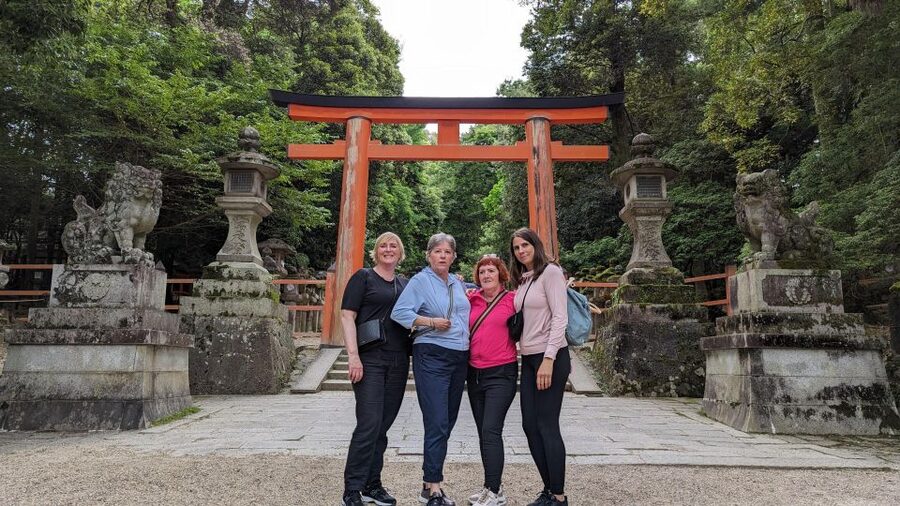
The route passes Mt. Wakakusa, with time for photographs and scenic views along the way. You do not spend the tour hiking up the mountain, but the pass-by gives you a change from temple buildings and crowded approaches.
This section also shows why the e-bike matters. The park is not completely flat, and the electric motor makes the small climbs easier. A father riding with his 14-year-old son specifically appreciated how the bikes handled the hills. You still pedal and remain active, but you are less likely to arrive at the next stop already worn out.
Weather will shape this part of the ride. Summer can be hot, and one rider was glad not to walk around Nara all day. Winter can be cold, while rain can make the cycling less comfortable even when the tour still operates. Wear comfortable clothes and shoes, and bring cash for extra food or purchases.
Japanese knives at Kikuichimonjushirokanenaga honten

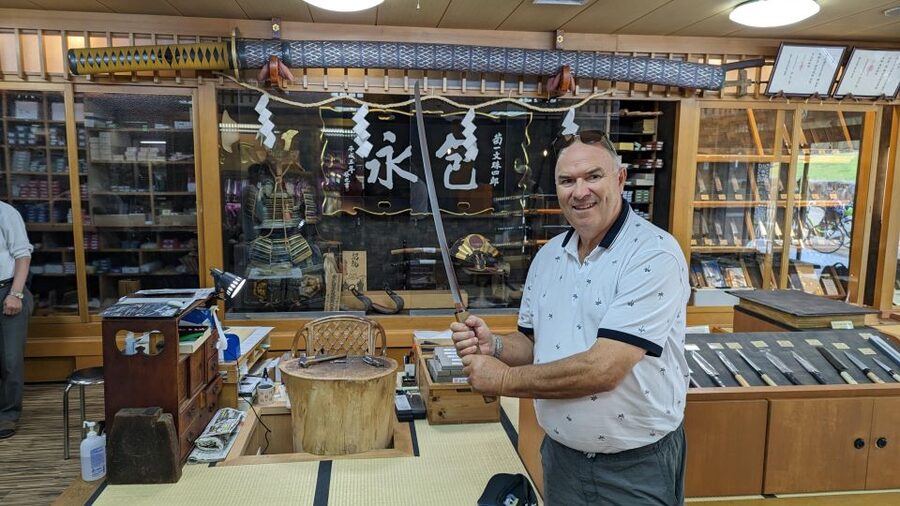
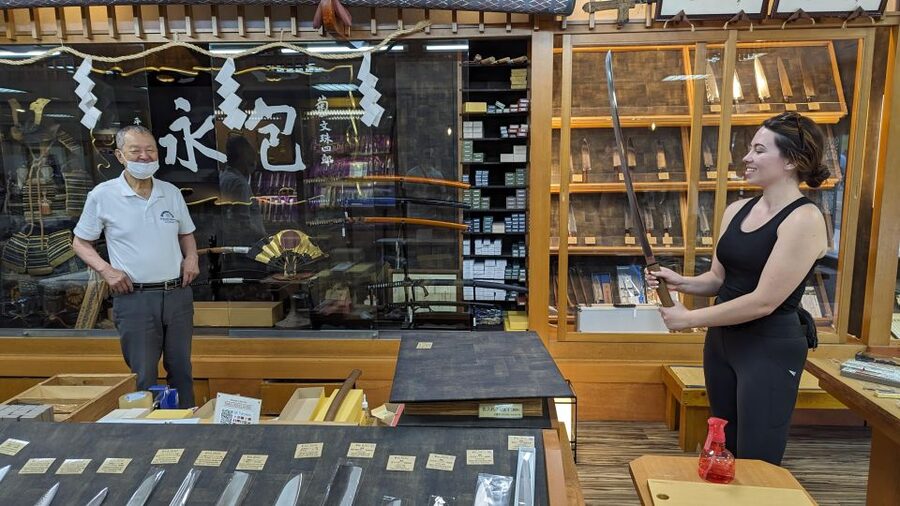
The knife stop is the tour’s most unusual feature. At Kikuichimonjushirokanenaga honten, you get an introduction to Japanese cutlery, its craft, and its connection to a family tradition associated with sword makers.
You have about 30 minutes here for a break, photographs, snacks, shopping, and an arts-and-crafts visit. The guide can assist if you want to buy a knife or souvenir. This help has practical value because choosing Japanese cutlery can raise questions about blade type, use, sharpening, and transporting the purchase home.
The included snack is one Japanese treat called Kanoko. It is a small touch, but it gives the stop a local flavor without adding a full meal to the schedule. Extra food and drinks are not included, so bring cash if you want more.
You should also know your own shopping habits. One rider arrived determined not to buy a knife and left wishing they had bought a set or several gifts. That is a fair warning: this stop can turn into an unplanned purchase. I would decide before the tour whether you are browsing only or have room in your luggage for a useful souvenir.
Kasuga Taisha and its rows of lanterns
Kasuga Taisha brings a different mood from Todaiji. The shrine is known for its many lanterns, and the route gives you about 30 minutes for a visit, photographs, sightseeing, and deer viewing.
The guide can help explain the difference between the Buddhist temple setting at Todaiji and the Shinto setting at Kasuga Taisha. Several guides have been praised for putting temples, shrines, Shinto practice, Buddhism, Zen ideas, gardens, and Japanese culture into a clear story rather than treating each stop as an isolated photo background.
Thirty minutes is enough to appreciate the setting and see the key areas included in the route. It is not enough for a slow inspection of every lantern or a long, quiet visit. If Kasuga Taisha is your main reason for coming to Nara, you may want extra time there on another visit.
This is also a spot where the guide’s local familiarity helps. The tour provider says it includes places you may not think to visit on your own, and guides such as Robert and Remi have been praised for adding less obvious viewpoints and cultural details. The exact guiding style will vary by person, but the strongest part of the experience is the human connection between the stops.
A quieter finish at Ukimido
After cycling through Nara Park again, the tour reaches Ukimido for about 15 minutes. This is a photo and scenic-view stop, with time to walk and take in the setting before returning to the bike base.
Ukimido gives the itinerary a change of rhythm. Much of the tour features famous landmarks and animals, while this stop is more about views and a pause. It is short, so think of it as a pleasant final scene rather than a full sightseeing visit.
The last return through Nara Park takes about 10 minutes before arriving back at the starting point. If the group runs over, leave some flexibility in your schedule. One rainy-day group said its tour lasted longer than planned and was happy with that, but you may have a train, dinner reservation, or another timed booking afterward.
Guides, group size, and the personal feel
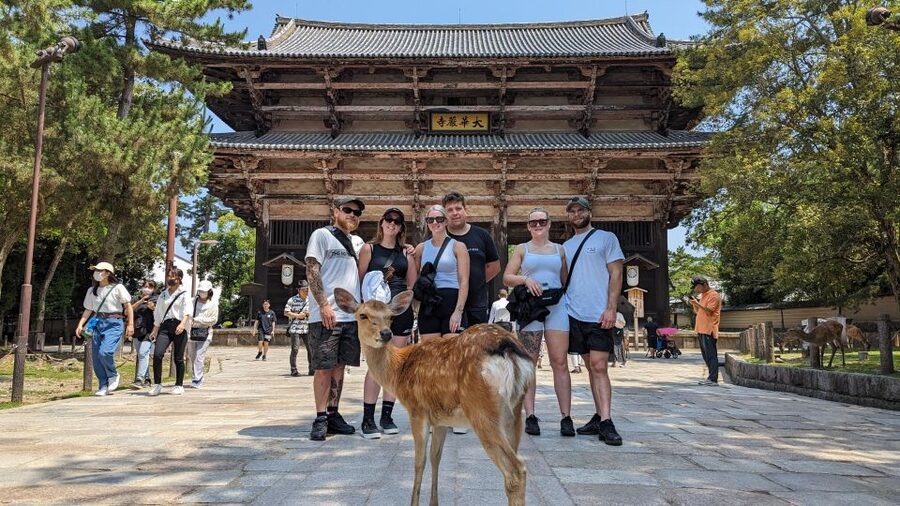
The tour is available as a private or small-group experience. A shared tour can include different nationalities, and English becomes the main language when French and English speakers are mixed. A private booking gives you more control over pace and questions, but the supplied feedback also shows that small groups can feel almost private on quiet dates.
Guides are the strongest part of this experience. Chris has been praised for being friendly, patient, and flexible. Remi is noted for broad insight into Japanese culture and for taking time to make the outing meaningful. Robert is often singled out for detailed explanations and a good sense of safety. Melody and Elodie have also been praised for patience, care, and clear guidance.
Photography is another useful guide service. Several guides help take pictures, and one guide shared candid photos afterward. That is not listed as a formal guarantee, so treat it as a pleasant possibility rather than something promised on every departure.
There is a two-person minimum for the tour to operate. A solo booking is allowed, but the session may be canceled if no second participant joins. In that case, you will be offered a new date or a full refund. This matters most if your Nara schedule is tight.
Is $90 a fair price?
At $90 per person, this is not the cheapest way to see Nara Park. You could walk through parts of the area independently for much less, especially if you skip paid entry, shopping, and a guide.
The value improves if you care about time and context. The price includes the e-bike, Todaiji admission, deer crackers, a bilingual local guide, the Kanoko snack, and help with knife or souvenir shopping. You also cover in about three and a half hours what could take much longer on foot.
I see the best value for a first visit, a short stay, a family that wants help with the route, or anyone visiting during hot weather. It is less compelling if you already know Nara well, prefer long quiet temple visits, or want to set your own pace. One person felt it was slightly overpriced compared with similar tours, and that is a reasonable concern.
Cancellation is free up to 24 hours before departure, and you can reserve now and pay later. Those policies help if your Japan schedule is still moving, but the more important practical question is whether you can ride confidently.
What to bring and what to expect
Bring your passport, comfortable shoes, comfortable clothes, and cash. Extra deer crackers, food, drinks, and shopping are not included. Tips are not required, though the operator says they are appreciated.
Pets, alcohol, drugs, and audio recording are not allowed. Bicycle insurance is also excluded, so you should be comfortable riding before booking.
The activity is not designed as a fully accessible sightseeing vehicle. You will ride, park, walk through temple and shrine areas, and handle a fairly full schedule. Child seats are available for young riders under 10, with one seat per e-bike, but the provided information does not specify other mobility arrangements.
Should you book this Nara e-bike tour?
I would book it if you have one day in Nara and want the main sights without spending the entire day on foot. The route is broad, the guides add real context, and the knife visit gives you a memorable experience beyond the usual deer photographs.
I would skip it if you dislike cycling in a group, need a very slow pace, or want to spend most of your time inside Todaiji or Kasuga Taisha. Arrive early at the Kintetsu Nara meeting point, confirm the language you need, allow extra time after the tour, and approach the knife shop with a spending plan. For the right rider, this is a smart, active way to see a lot of Nara in a short window.
FAQ
How long does the Nara e-bike tour last?
The tour lasts 210 minutes, or about three and a half hours.
Where does the tour meet?
The meeting point is at 16-1 Takamaichicho, in front of Building LIFE 21, at the bike base near Kintetsu Nara Station. It is not at JR Nara Station.
How early should I arrive?
You should arrive 15 minutes before departure to avoid delays.
Is Todaiji admission included?
Yes. The entrance fee for Todaiji Temple is included.
Are deer crackers included?
Yes. Deer crackers are included for feeding the deer. Extra crackers cost more.
What languages are available?
The listed tour languages are English and French. French-speaking guides are available, but French is not guaranteed on a shared tour. Contact the operator ahead of time to request a French-speaking guide.
Can children ride on the tour?
Child seats can be provided for young riders under 10, with up to one child seat per e-bike. A two-person minimum is required for the tour to operate, and solo bookings may be canceled if no second participant joins.
Newly added rides around Japan
- Private E-MTB guided cycling around Mt. Aso volcano & grasslands★ 5.0 · 16 reviews
- Tokyo: Private Cycling Tour with cute E-bike★ 5.0 · 11 reviews
- Tokyo Bay Area: Sunset Night View 3h E-bike Guided Bike Tour★ 5.0 · 11 reviews
- Tokyo: West-Side Cycling and Food Tour with Guide★ 5.0 · 37 reviews
- Tokyo: 3h Private E-bike Tours, Starting at Your Hotel★ 5.0 · 36 reviews
- Tokyo: 3-hour Guided E-Bike Tour of the City’s Hidden Gems★ 4.8 · 251 reviews
- Tokyo Bike Tour: Shibuya, Harajuku & Hidden Gems★ 5.0 · 20 reviews
- Tokyo: Hidden Gems Guided Bike Tour with Lunch★ 4.5 · 30 reviews
Japan Bike Tours, compared.
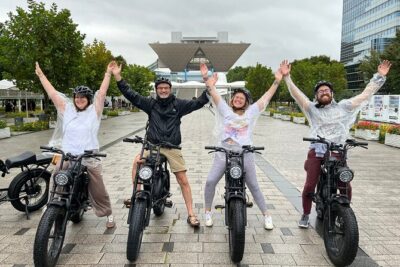

3h Tokyo E-Bike Tour: Hidden Gems, and Local Life with guide
Read our review →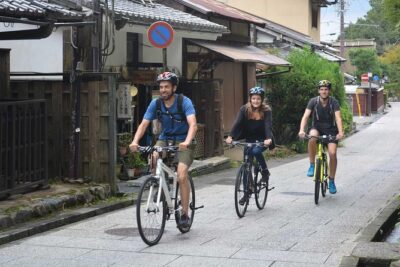
Arashiyama Bamboo Forest & Hidden Gems Bike Tour (Early Bird)
Read our review →
Hiroshima in a Nutshell: Morning Bike Adventure
Read our review →Browse the lists this tour appears in