
REVIEW · JAPAN BIKE TOURS
Nara: City Highlights Shared Group or Private Bike Tour
See Nara faster, without rushing. This three-hour bike tour links Nara Park, Tōdai-ji, and Kasuga Taisha with quieter streets and scenic paths that can be hard to cover on foot. I like the relaxed pace and the chance to learn about Buddhism, Shinto, Japanese history, and traditional cutlery from a local guide. The main drawback is the meeting point, which sits away from the central railway stations and may require a bus or taxi.
I also like that the tour includes the bike, helmet, water, and entrance fees, so the $70 price is fairly easy to understand. You will cover a lot in 210 minutes, but this is still an active outing, with some cycling and a few climbs. If you want a gentle sightseeing ride and do not mind working a little, it offers a strong first look at Nara.
Key points to know before you book
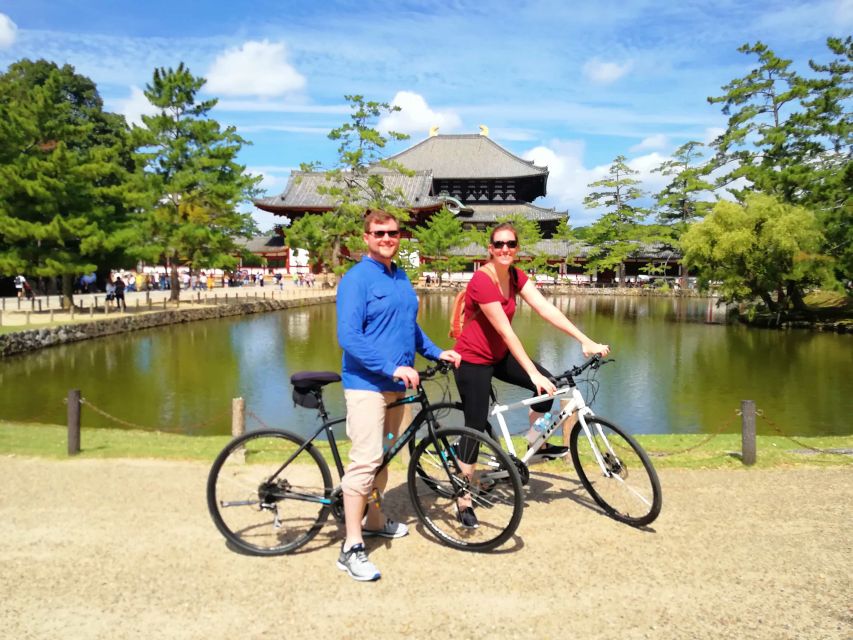
- A compact route with major sights: You visit Nara Park, Nandaimon Gate, Tōdai-ji, Kasuga Taisha, and Kikuichi in one morning or afternoon.
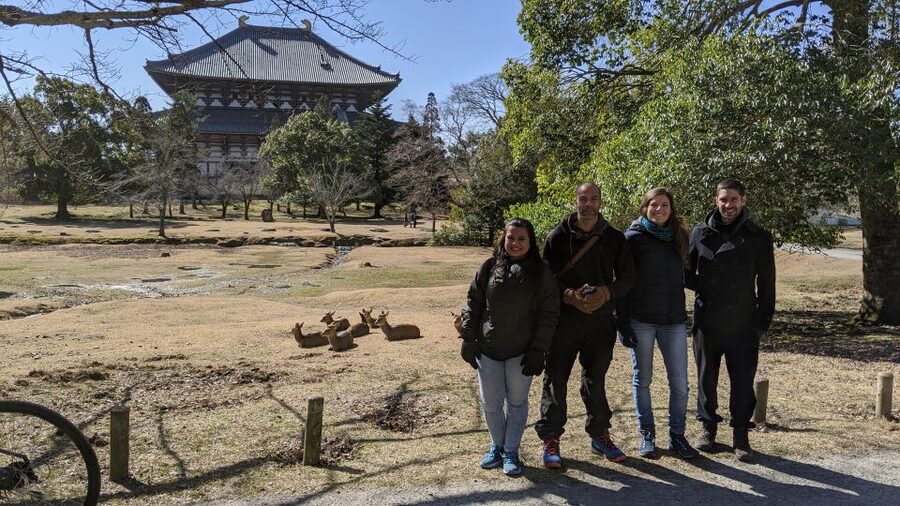
- Deer are part of the ride: Nara’s free-roaming deer appear along the park route, adding a memorable wildlife element to the sightseeing.
- The 15-meter Buddha is the centerpiece: Tōdai-ji provides the tour’s biggest visual moment, with time to walk through the temple grounds.
- Kikuichi adds a local craft stop: The high-end knife shop gives the outing a practical connection to Japanese cooking and traditional metalwork.
- The meeting point needs planning: You meet near the Toichi Shougakko bus stop, not directly at JR Nara Station or Kintetsu Nara Station.
- The tour needs at least two people to operate: A solo booking is possible, but the session may be canceled if no second participant joins.
Why a bike works well in Nara
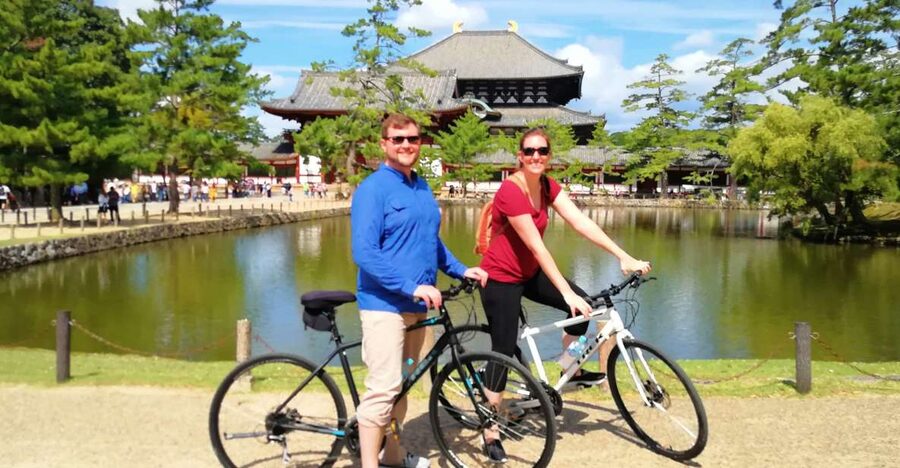
Nara’s key sights are close enough to connect, but spread out enough that walking between them takes time. A bicycle gives you more reach without turning the day into a race. You can move from the quiet waterside setting of Ukimido to the deer-filled paths of Nara Park, then continue toward the major temples and shrines.
I like this format for a first visit because your guide handles the route while you focus on the surroundings. You are not simply being dropped at a temple and left to find your way around. The ride connects the sites into one story, moving from park scenery to Buddhist architecture, Shinto worship, and Japanese craftsmanship.
The pace is described as relaxed, though the experience is not completely effortless. One participant found there were a few climbs, and another described feeling tired by the end. That is useful information: you do not need to be a serious cyclist, but you should be comfortable riding for several hours and stopping for short walks.
The group can be private or small, and guiding is available in English, French, or Japanese. A smaller group should make it easier to hear explanations and ask questions, while a private version may suit you if your schedule or interests need more flexibility.
More City Bike Tours in Japan
- Tokyo Top Highlights 3h Guided E-bike Tour
★ 5.0 · 714 reviews - 5 Top Highlights of Kyoto Full Day Bike Tour (E-bike option)
★ 5.0 · 511 reviews - Tokyo: 3-Hour Bike or E-Bike City Highlights Tour
★ 4.8 · 435 reviews
Starting near Toichi Shougakko
The meeting point is by the bike base near the Toichi Shougakko bus stop, written in Japanese as 東市小学校. Search for Japan Tour Adventure in Nara on Google Maps, and use the provided video instructions if you are coming from JR Nara Station or Kintetsu Nara Station.
This is the least convenient part of the experience. The start and finish are not at the main railway stations, so you need to allow extra time for a bus or taxi. The location is explained clearly, but it is not the kind of meeting point you can casually find after stepping off the train.
Arrive ready to ride. Comfortable clothes and shoes matter, and a camera is useful. A passport is also listed among the items to bring. The operator supplies the bicycle, helmet, and a bottle of water, but food and additional drinks are your responsibility.
After a short introduction and safety briefing, you put on your helmet and set off. The exact starting time depends on availability, so check the schedule before building the rest of your Nara day around it.
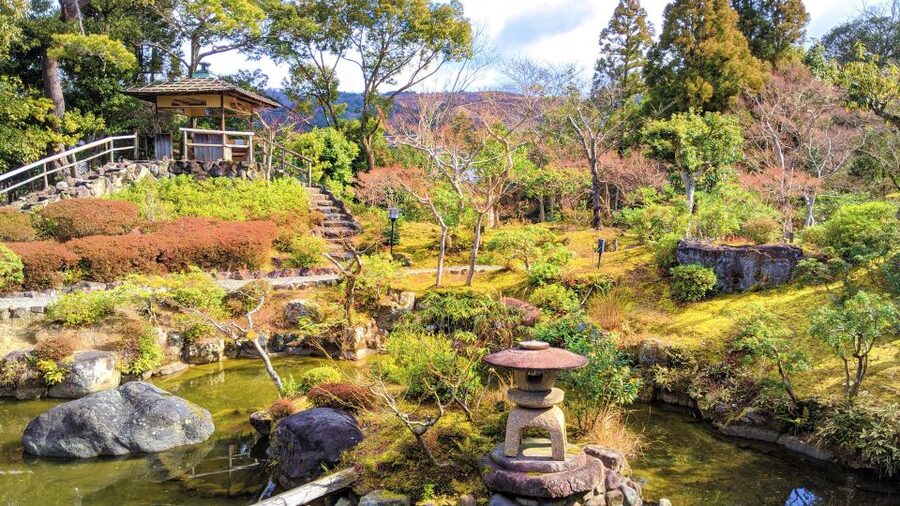
Ukimido and the opening ride
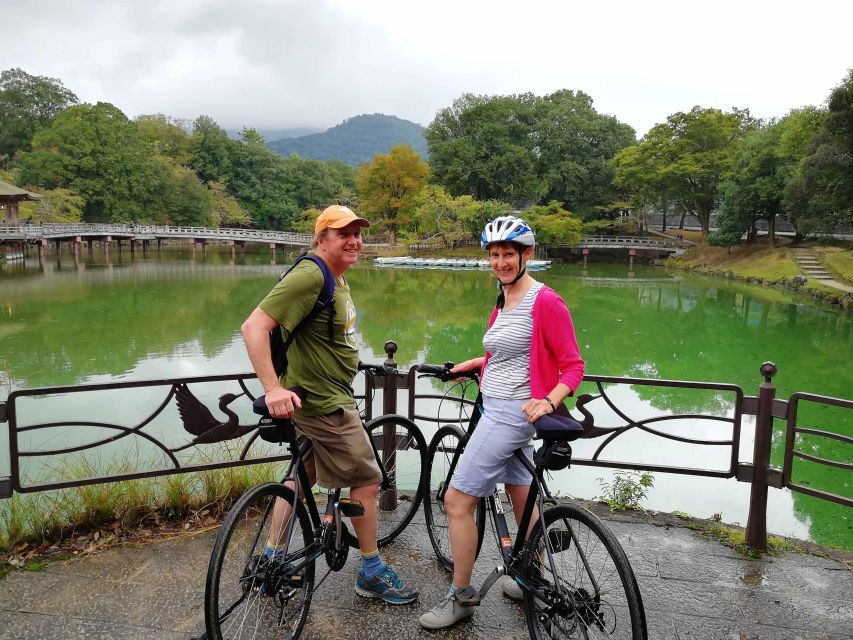
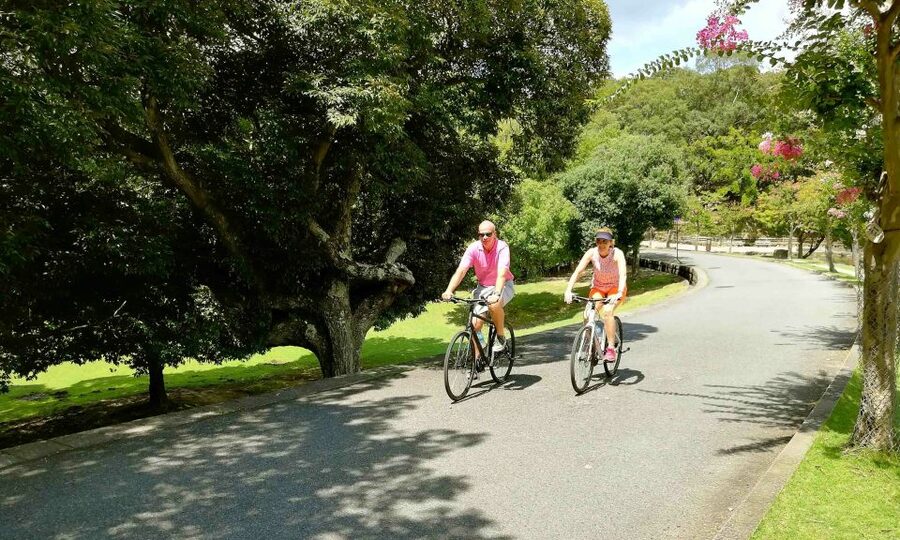
The first cycling section takes about 30 minutes and includes Ukimido. This is a calm way to begin, giving you time to settle onto the bicycle before the major temple stops.
Ukimido is associated with the scenic side of Nara, and the route here helps set the tone for the tour. You are not rushing straight into a crowded entrance gate. Instead, you get an early stretch of riding where the surroundings and the guide’s introduction can frame what you will see later.
I find this opening useful because it lets you get comfortable with the bike and the pace. If you are not used to cycling in a new city, the first part gives you time to listen, watch the route, and learn how the group moves.
Riding through Nara Park with the deer
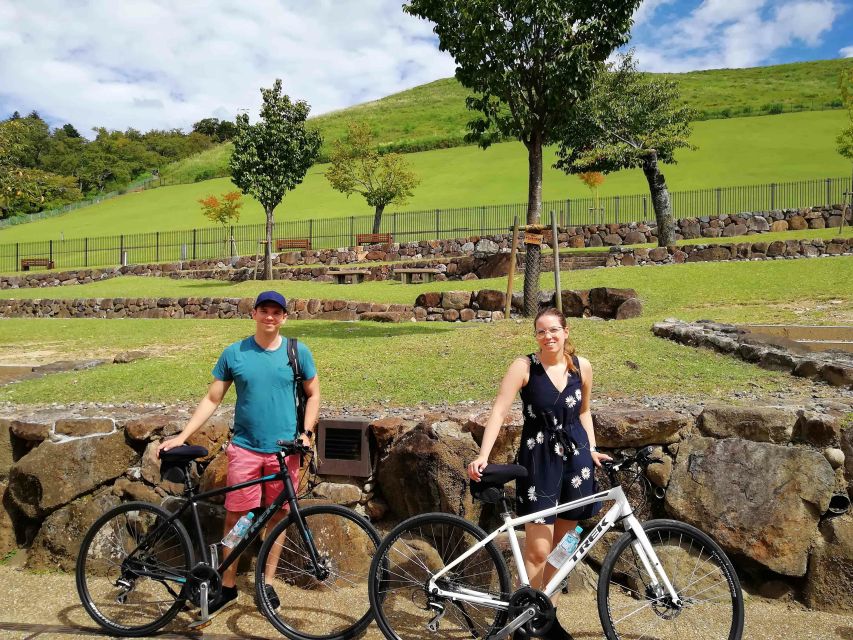
The route then enters Nara Park for roughly 30 minutes of cycling and wildlife viewing. This is the part most people picture when they think of Nara: open park surroundings, carefully maintained paths, and deer roaming freely.
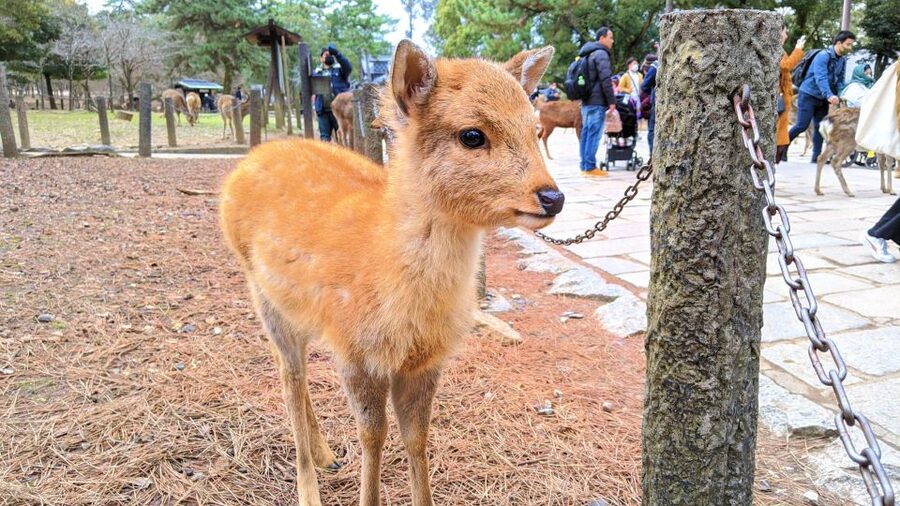
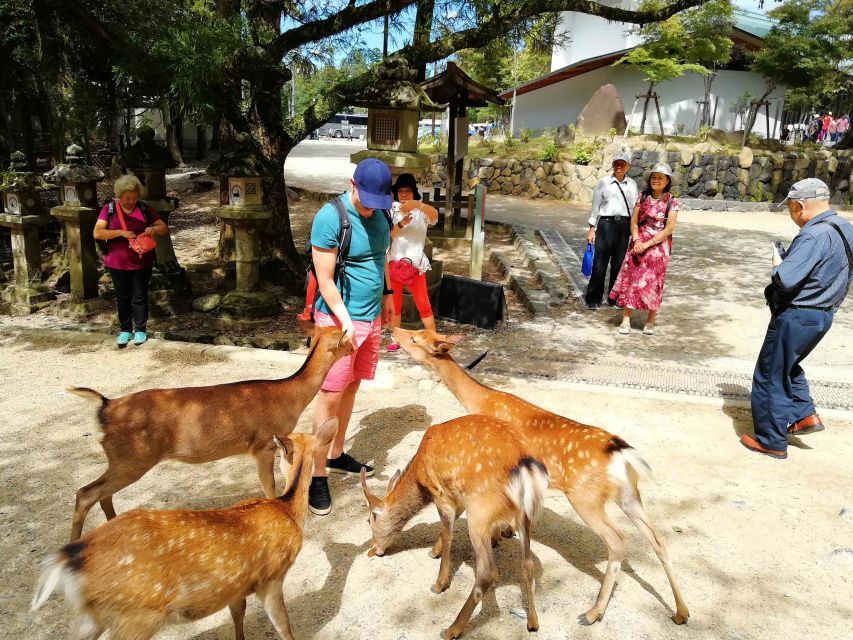
The deer are not a staged attraction. They are part of the public park experience, which makes the ride feel distinctly Nara. You will want your camera ready, but keep your attention on the path and the people around you while cycling. Your guide can help you understand the setting and point out the best parts of the route.
The park section is valuable because you see more than the main temple approach. A walking visit often concentrates on the busiest paths near Tōdai-ji. By bicycle, you may reach quieter areas and cover ground faster. One participant especially appreciated seeing parts of Nara that many visitors miss.
Do not expect the entire park section to be empty or silent. Nara Park is one of the city’s central attractions, and conditions can change by time of day and season. The benefit of this tour is not avoiding every other person. It is having a guide and bicycle to make better use of the available space.
More Private Bike Tours in Japan
- 1-Day Private Rural E-Bike Tour in Hida
★ 5.0 · 188 reviews - 3-Hour Tokyo Private E-Bike Tour Starting from Your Hotel
★ 5.0 · 117 reviews - Private Afternoon Cycling Tour in Hida-Furukawa
★ 5.0 · 109 reviews - Private-group Morning Cycling Tour in Hida-Furukawa
★ 5.0 · 105 reviews
Nandaimon Gate and the approach to Tōdai-ji
The next stop is Nandaimon Gate, with about 20 minutes for photos, sightseeing, and walking. This large gate creates a powerful approach to Tōdai-ji, and it gives you time to take in the scale of the temple complex before going inside.
I like having a separate stop here rather than treating the gate as a quick pass-through. The gate is an important part of the arrival sequence, and a guide can explain its place in the temple grounds and Buddhist tradition. You also get a natural pause after the first longer ride.
This is one of the points where the tour balances cycling with walking. You park the bicycle, stretch your legs, and spend time looking rather than simply moving from one location to the next. That makes the experience feel like sightseeing, not just transportation.
Tōdai-ji and the giant Buddha
Tōdai-ji receives about 45 minutes, making it the longest stop on the route. You have time to visit, walk through the grounds, take photos, and see the famous Buddha statue.
The giant Buddha is about 15 meters tall, and its scale is the reason this stop deserves a generous portion of the tour. Even if you have visited large temples elsewhere in Japan, the size of the statue and the building around it create a striking moment.
Your guide discusses Buddhism and Shinto culture here, giving the architecture and religious objects more context. I value that kind of explanation because Tōdai-ji is easy to treat as a quick photo stop. A few facts about the temple’s role and the difference between Buddhist and Shinto traditions can make the visit much easier to understand.
Forty-five minutes is enough for a focused visit, but it is not an unlimited temple exploration. You will not have several hours to inspect every corner of the complex. If Tōdai-ji is your main reason for coming to Nara, you may want to return independently later. If your goal is to see several major sites in one outing, the timing is sensible.
Kikuichi and the practical side of Japanese craft
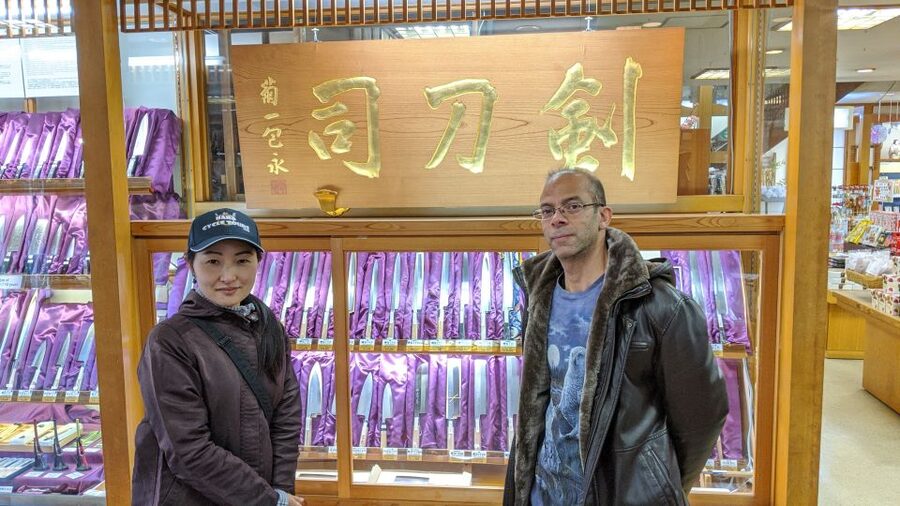
After Tōdai-ji, the tour continues to Kikuichi, a high-end Japanese cooking knife retailer. This stop lasts about 30 minutes and includes shopping and an arts and crafts element.
Kikuichi adds a different subject to the tour. After Buddhist sculpture, temple grounds, and deer, you get a look at a traditional product connected to daily Japanese life. Your guide can explain the background of Japanese cutlery, which gives the shop visit more purpose than a simple retail detour.
You do not need to buy anything for the stop to be worthwhile. If you are interested in cooking, Japanese craftsmanship, or useful souvenirs, you may find this the most practical part of the day. If shopping is not your thing, thirty minutes could feel longer than the temple visits, though the cultural explanation helps give it context.
Remember that food and drinks are not included, but the tour does provide a bottle of water. The knife shop is not presented as a meal stop, so plan food separately if you are cycling around lunchtime.
Kasuga Taisha and its lanterns
Kasuga Taisha comes later, with around 30 minutes for photos, free time, sightseeing, and views along the approach. The shrine is known for its many lanterns, and the lantern-filled setting gives you a clear change from Tōdai-ji’s Buddhist atmosphere.
This is a good place to compare the two traditions discussed during the tour. Tōdai-ji introduces Buddhist culture, while Kasuga Taisha offers a Shinto setting. Having both on the same route helps you see that Nara’s religious identity is not limited to one tradition.
The thousand lanterns are the visual focus, but the approach matters too. You cycle and walk through the surrounding area rather than appearing at the shrine with no sense of its setting. The route includes scenic views on the way, and your guide can connect the shrine to the history and customs of Nara.
Thirty minutes gives you a useful introduction, not a full independent exploration. If you are determined to study every detail of the shrine grounds, you may want additional time afterward. For a three-hour tour covering several major sights, the stop is well judged.
The return through Nara Park
The final cycling section takes about 20 minutes and returns through Nara Park to the starting point. This gives you another look at the park from a slightly different part of the route and lets the day end outdoors rather than with an abrupt transfer.
By this stage, you may feel the effort of the ride. The cycling is not described as highly demanding, but the route includes some climbs, and the full outing combines riding with temple and shrine walking. One participant called the tour physically manageable but still tiring by the end, which seems like a fair expectation.
The return is also useful for anyone who wants a last chance to photograph the park or deer. Keep your schedule flexible after the tour, especially if you plan to eat or visit another major attraction. The official duration is 210 minutes, but transport from the meeting point and time spent getting settled can make the wider appointment take longer.
Is $70 a fair price?
At $70 per person, the value depends on how much structure you want. The fee includes the guide, bicycle, helmet, all entrance fees, and a bottle of water. You are paying for a planned route, local explanation, and the ability to cover several sights without arranging the sequence yourself.
Compared with visiting each place independently, the tour may not be the cheapest option if you already know Nara and are happy to walk or use public transport. The price makes more sense if you want to fit the main sights into one compact outing and prefer guidance in English, French, or Japanese.
I also think the private or small-group option matters. A small group should feel more personal than a large bus tour, and a private booking may be worth considering if you want more control over the pace. The activity has an overall rating of 4.9 from 34 reviews, and the strongest praise focuses on the guide, the bikes, the amount covered, and the quieter sections of the city.
The main value is not simply the number of attractions. It is the connection between them. You see deer, Buddhist architecture, Shinto lanterns, city scenery, and Japanese knives in one coherent route.
Who should book this Nara bike tour?
I would choose this tour if you:
- Want to see several Nara highlights in three hours
- Enjoy cycling but do not want a hard athletic ride
- Prefer a guide who explains culture instead of only naming buildings
- Like combining famous sights with quieter areas
- Want the bike, helmet, and entrance fees handled in one booking
- Are comfortable arranging your own transport to the meeting point
I would think twice if you have mobility limitations, use a wheelchair, or dislike cycling and hills. The tour is specifically not suitable for people with mobility impairments or wheelchair users. It also may not be right if you want a slow, temple-focused day with lots of unstructured time.
Single visitors can book directly, but the tour requires at least two participants to operate. If you are alone, the session may be canceled and you will be offered a new date or a full refund. The operator can also cancel when the Japan Meteorological Agency forecast gives more than a 60 percent chance of rain. You are notified by email the evening before, so check your messages.
Should you book it?
Book this tour if you want an active, well-organized introduction to Nara and like the idea of reaching the main sights by bicycle. The strongest parts are the guide-led explanations, the deer-filled park route, the giant Buddha at Tōdai-ji, and the contrast between Tōdai-ji and Kasuga Taisha.
The meeting point is the one real nuisance, and three hours is not enough for an unhurried look at every temple detail. Still, for $70, the included equipment and entry fees make the price reasonable, especially if you value local guidance and want to see a lot in a short time. I would book it early in a Nara visit, then return independently to whichever temple or shrine deserves more time.
FAQ
How long does the Nara bike tour last?
The tour lasts three hours, or 210 minutes.
What sights are included?
The route includes Ukimido, Nara Park, Nandaimon Gate, Tōdai-ji, Kikuichi, and Kasuga Taisha. You also return through Nara Park before finishing at the bike base.
Is the giant Buddha at Tōdai-ji included?
Yes. The tour includes a visit to Tōdai-ji, where you can see the famous Buddha statue, which is about 15 meters tall.
Are bikes and helmets provided?
Yes. The bike tour, bicycle, helmet, guide, entrance fees, and one bottle of water are included.
Where do I meet the guide?
Meet by the bike base near the Toichi Shougakko bus stop, written as 東市小学校. Search for Japan Tour Adventure in Nara on Google Maps for the meeting point.
What languages are available?
The live guide service is available in English, French, and Japanese.
Can the tour be canceled because of weather?
Yes. The tour may be canceled if the Japan Meteorological Agency forecast gives more than a 60 percent chance of rain. You should check your email the evening before the tour.
Newly added rides around Japan
- Private E-MTB guided cycling around Mt. Aso volcano & grasslands★ 5.0 · 16 reviews
- Tokyo: West-Side Cycling and Food Tour with Guide★ 5.0 · 37 reviews
- Tokyo: Private Cycling Tour with cute E-bike★ 5.0 · 11 reviews
- Tokyo Bay Area: Sunset Night View 3h E-bike Guided Bike Tour★ 5.0 · 11 reviews
- Tokyo: 3h Private E-bike Tours, Starting at Your Hotel★ 5.0 · 36 reviews
- Tokyo: 3-hour Guided E-Bike Tour of the City’s Hidden Gems★ 4.8 · 251 reviews
- Tokyo Bike Tour: Shibuya, Harajuku & Hidden Gems★ 5.0 · 20 reviews
- Tokyo: Hidden Gems Guided Bike Tour with Lunch★ 4.5 · 30 reviews
Japan Bike Tours, compared.


3h Tokyo E-Bike Tour: Hidden Gems, and Local Life with guide
Read our review →
Arashiyama Bamboo Forest & Hidden Gems Bike Tour (Early Bird)
Read our review →
Hiroshima in a Nutshell: Morning Bike Adventure
Read our review →Browse the lists this tour appears in