
REVIEW · JAPAN BIKE TOURS
Nara: Bike Tour in Ancient Capital UNESCO World Heritage
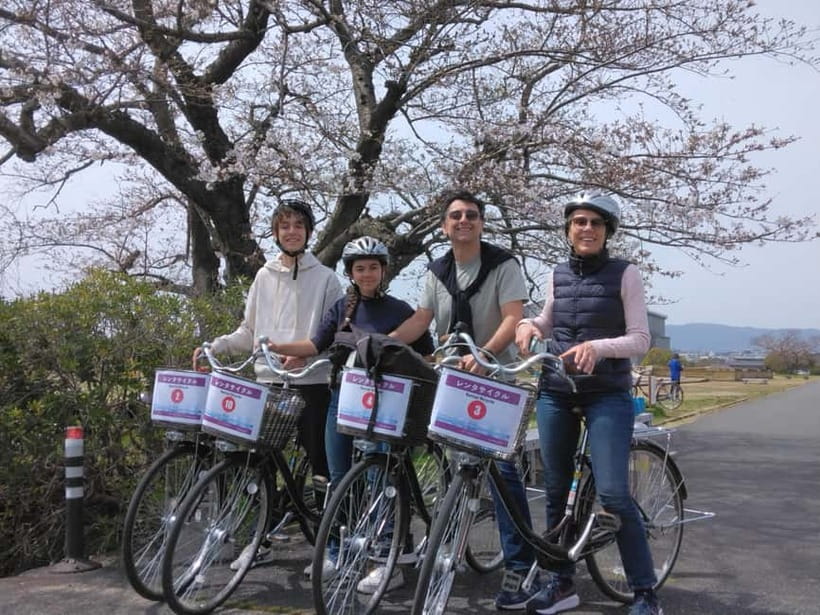
Nara’s ancient capital is best seen on two wheels. This two-hour bike tour covers the broad Heijo Palace site, where a national government licensed guide connects reconstructed gates, gardens, excavation remains, and quiet ponds to Japan’s Nara period. I especially like the calm ride around the palace grounds and the chance to see a side of Nara far from the deer and crowds of Nara Park.
I also like the value: $22 includes the bike, helmet, guide, admissions, and traditional costume experience. Guide Kay receives especially warm praise for her patience with children, clear English, and careful answers. The main consideration is the site itself. Some buildings are reconstructed, while other places show only foundations or excavation holes, so visitors expecting a fully intact ancient palace may find two hours a little long.
Key points to know before you book
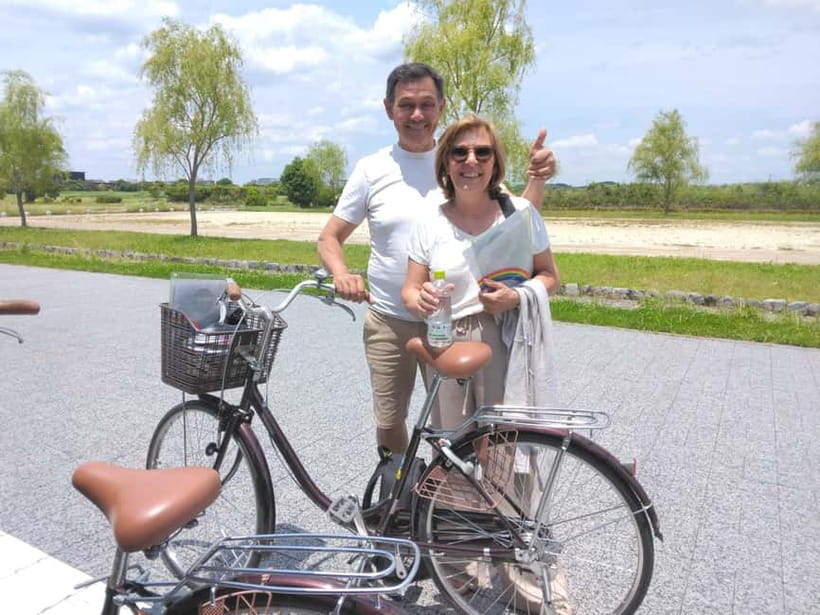
- Kay sets a friendly, easy pace: Her patient approach works well for families and for anyone who wants time to ask questions.
- The bike makes a huge site manageable: Heijo Palace is spread out, and cycling lets you reach gates, museums, gardens, a pond, and a tomb in one short outing.
- The focus is Nara’s imperial past: This is a history and archaeology tour, not a deer tour or a ride through the old merchant quarter.
- The quiet scenery is part of the appeal: Minakami Pond brings birds, ducks, turtles, and a welcome breeze.
- The $22 price covers a lot: Rental bike, helmet, guide, entry fees, and Tenpyo costume use are included.
- Summer heat matters: August can be very hot, and there is limited shade across such a large open site.
Why Heijo Palace is worth two hours
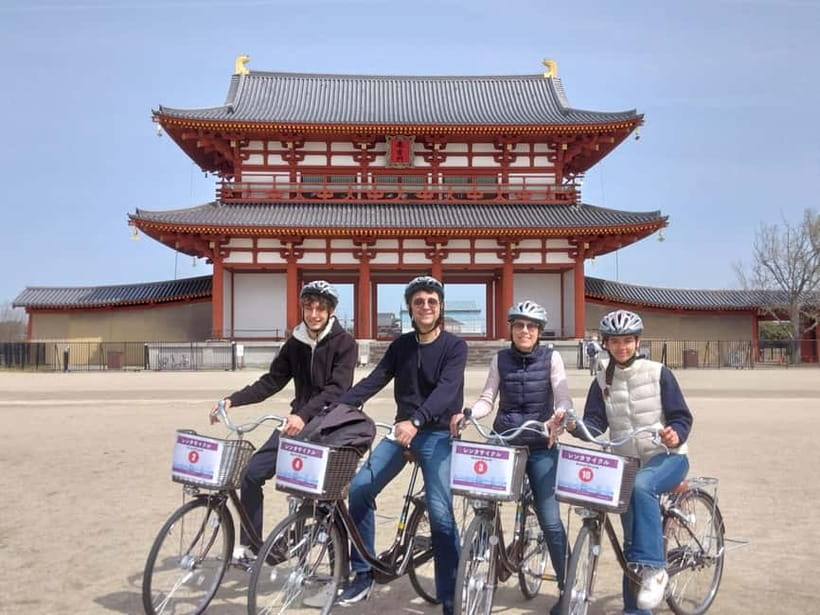
Heijo-kyo, the capital associated with Japan’s Nara period, was built on a grand scale. Today, the former palace grounds form a wide World Heritage site with open spaces, rebuilt structures, archaeological remains, museums, gardens, and water features.
That scale is exactly why a bicycle helps. On foot, you would spend much of a two-hour visit simply crossing the grounds. By bike, you can stop at several major points without turning the outing into a tiring march.
I would choose this tour for the story it tells. Nara is often reduced to temples, lanterns, and friendly deer. Heijo Palace offers a different view: this was the center of government, ceremony, and court life during a key period in Japanese history. The guide helps you understand how the gates, halls, gardens, and administrative spaces fitted together.
The experience is also pleasantly quiet compared with the busiest parts of central Nara. You may see local people enjoying the park, seasonal flowers, or an ordinary weekend afternoon. That everyday atmosphere adds something that a quick visit to a major temple often lacks.
More Historic Bike Tours in Japan
- 5-Hour Osaka Bike Tour to the Neighborhood of Osaka Castle
★ 5.0 · 319 reviews - Historical Kyoto E-Bike Tour
★ 5.0 · 181 reviews - Half-day Himeji Castle Town Bike Tour with Lunch
★ 5.0 · 81 reviews
Starting at Suzaku Gate in Suzaku Square
The meeting point is the rental bike reception counter at Miharashi-Kan in Suzaku Square. You should arrive 10 minutes before the start time, since the group needs to collect bikes and helmets before setting off.
Suzaku Gate is the natural opening chapter. It was the main entrance to Heijo Palace, and its size gives you an immediate sense of the courtly world that once occupied this area. It is also a strong photo stop, with the gate framed by the open grounds and surrounding greenery.
Allow about 15 minutes here. That is enough time for an introduction to the palace site, a few photographs, and an explanation of why the gate mattered. The value of having a guide becomes clear early: a large reconstructed gate can otherwise feel like an impressive but isolated building.
The tour is limited to eight people. That small group size should make it easier to stay together and ask questions, though you still need to ride at a pace suitable for the group.
To-in Garden shows the polished side of court life
From Suzaku Gate, you cycle to To-in Garden, also called East Palace Garden. This is one of the tour’s most graceful stops, with bridges, rocks, water, and buildings arranged in the style of a formal Japanese garden.
The garden was connected with the East Palace and served as a setting for state guests. That purpose gives the design more meaning. You are not simply looking at attractive rocks and bridges. You are seeing how gardens helped present power, order, and refinement at the imperial court.
The stop lasts about 10 minutes, so expect a focused visit rather than a long garden walk. I like that balance. The tour gives you the garden’s role and visual details, then keeps moving before the schedule becomes slow.
This is also one of the better spots for photographs. The garden gives you a change from the massive gates and open fields, and the water and carefully placed structures create a more intimate scene.
Excavation remains reveal what reconstruction cannot
The Nara Palace Site Museum and Excavation Site Exhibition Hall provide two different ways to read the past. At the excavation hall, remains are preserved and displayed in the same condition in which they were found.
That raw quality is important. Reconstructed gates and halls help you picture the palace, but excavation remains show the actual evidence beneath the picture. You can see how archaeology works, rather than receiving only a polished version of history.
The visit is scheduled for about 10 minutes. That may sound brief, but it keeps the museum stop crisp. If you enjoy archaeology, you may wish you had more time. Still, the guide can point out what matters most and explain how the discoveries support the reconstruction of the old capital.
The Nara Palace Site Museum adds ancient roof tiles, wooden tablets, and models. These objects are small compared with a palace gate, but they often make the period easier to understand. Tiles show construction methods, wooden tablets offer clues about administration, and models help you picture buildings that no longer survive.
The museum is described as the oldest museum on the Heijo Palace site. Together, these two stops give the tour a useful balance: one presents the physical evidence as found, and the other places objects and models in a wider story.
Same handlebars, a completely different route:
- Hidden Kyoto E-Biking tour
★ 5.0 · 1,843 reviews - Tokyo Guided Small-Group Biking Tour
★ 5.0 · 1,250 reviews - Bike Tour Exploring North Kyoto plus Lunch
★ 5.0 · 1,087 reviews - Tokyo Great Cycling Tour
★ 5.0 · 811 reviews
A peaceful ride beside Minakami Pond
The ride around Minakami Pond, also called Mizukami Pond, is the most relaxed section of the experience. You can feel the breeze, listen for birds, and watch for ducks and turtles.
This part matters because the palace site is not only an archaeological zone. It is also a broad outdoor place where nature and local daily life continue around the historic remains. The pond gives you a break from dates and buildings, and it lets the bike tour feel like a pleasant outing rather than a succession of museum stops.
Several people particularly value this peaceful ride. I can see why. The pond adds rhythm to the tour: history at a gate, design in a garden, archaeology in a museum, then open air and water.
You should also treat the pond ride as a reminder to pace yourself. The tour is easygoing, but you are still outdoors on a bicycle. In hot weather, the heat can become the main story. One participant found an August ride extremely hot, even while enjoying the route and guide. If you have a choice, a cooler morning should be more comfortable.
Hishiage Kofun gives the route an older perspective
Hishiage Kofun is an ancient tomb, visited for around 10 minutes. Its presence broadens the historical frame. Heijo Palace belongs to the Nara period, but the tomb points toward an even earlier chapter of Japanese history.
The stop includes a look at grave goods and the tomb itself. I like this addition because it prevents the tour from becoming only a palace reconstruction visit. You get a sense that the area’s importance did not begin with the imperial capital. People used and shaped this part of Japan long before the palace was built.
Expect a concise explanation and a photo stop rather than a long walk through a large burial complex. The tomb works best as part of the sequence, linking earlier customs with the later capital.
The Imperial Audience Hall is the visual high point
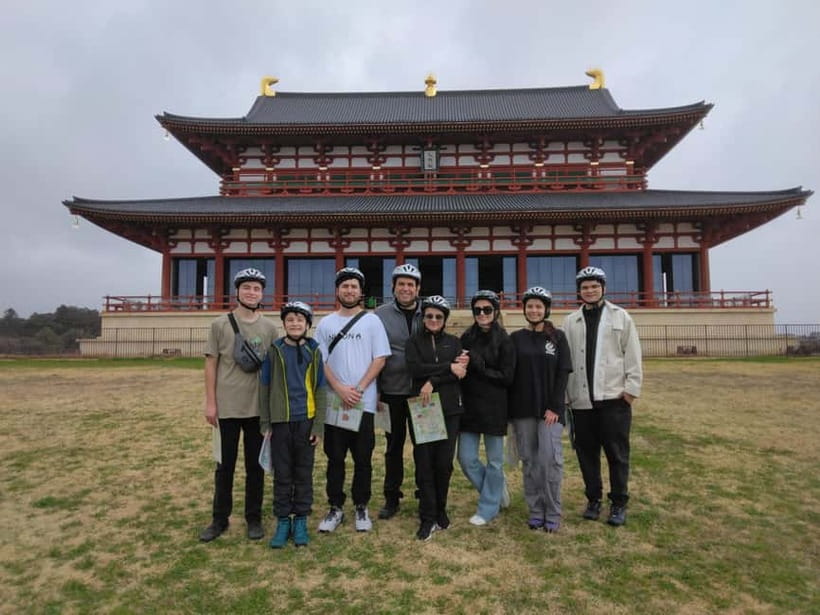
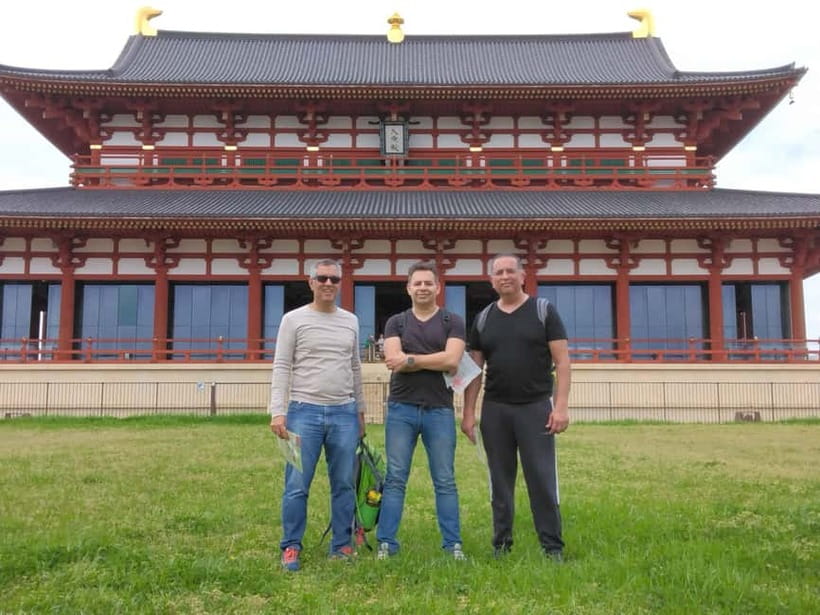
Daiichiji Daigokuden, the First Imperial Audience Hall, is the grandest reconstructed building on the route. It was used for special ceremonies and offers one of the clearest images of the imperial palace as a working center of government.
Inside, you can see paintings, ornaments, and other displays. The building’s scale and decoration help explain how ceremony shaped political life in the Nara period. It is easier to picture a formal court gathering here than when looking at foundation stones alone.
The scheduled visit lasts about 15 minutes. That is enough for the main points, photographs, and a look at the displays. The guide also brings you to the South Gate, or Nammon, of the First Imperial Audience Hall complex. This shorter five-minute stop helps you understand the relationship between the hall and its entrance.
One useful detail is the view across the palace site. From the audience hall, the broad grounds make more sense. You can see why a bicycle is practical here: the complex is too spread out to feel compact, but the bike connects its main pieces efficiently.
Still, keep expectations realistic. The audience hall is a reconstruction, not an untouched Nara-period building. That does not make it worthless, but it changes the experience. You are looking at a carefully researched attempt to show the original form, supported by archaeological evidence and historical study.
The traditional costume adds a lighthearted finish
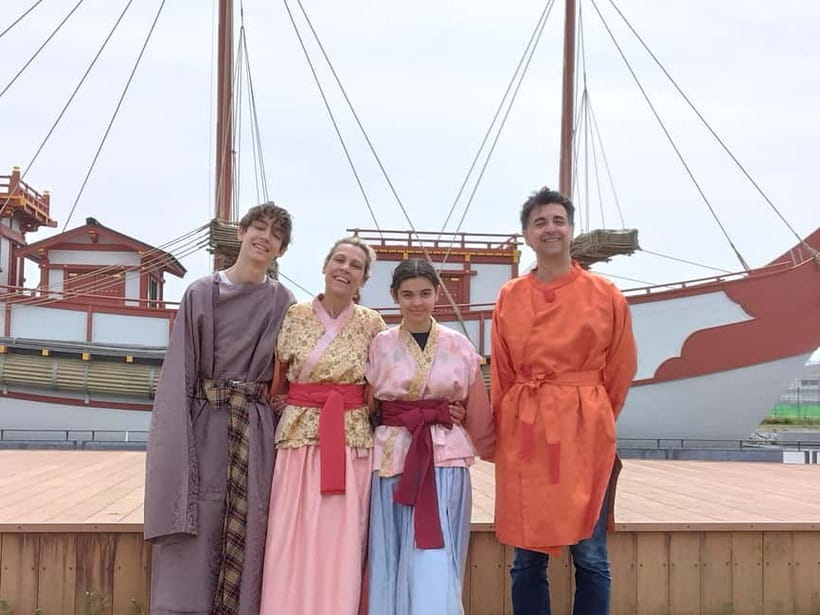
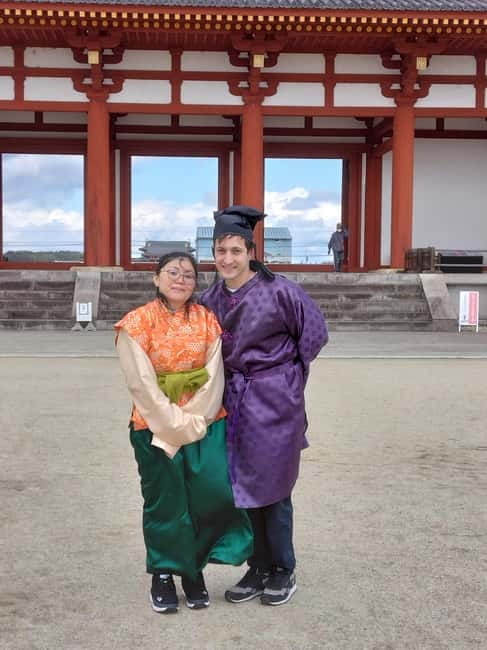
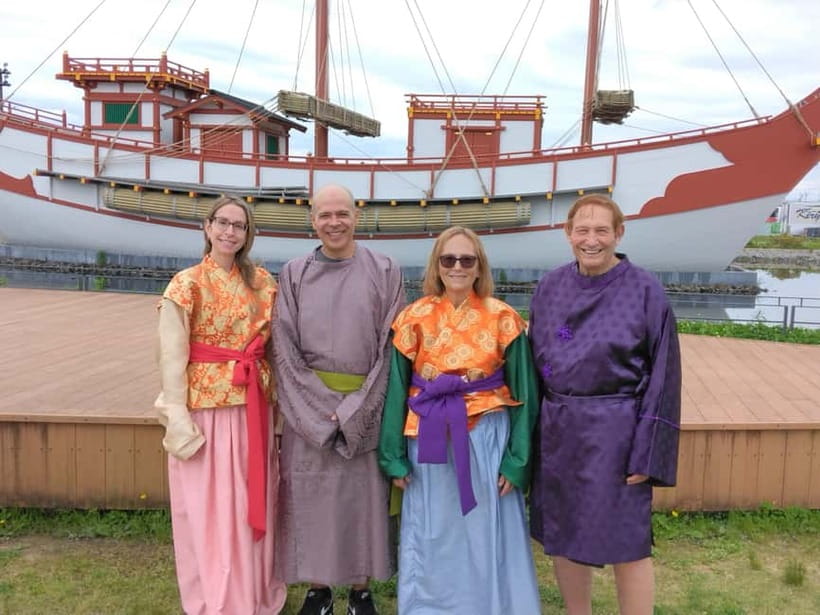
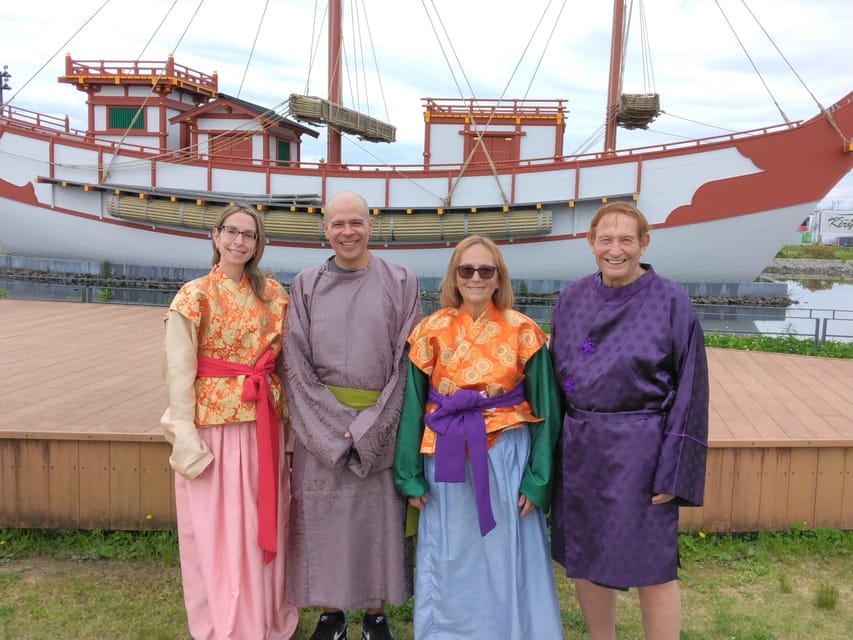
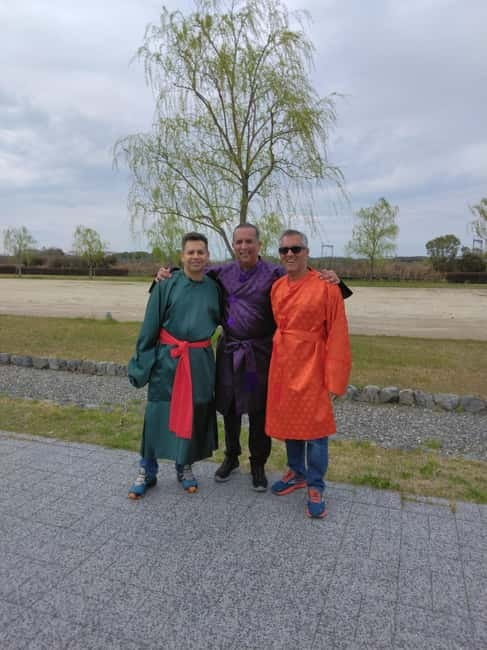
The Tenpyo costume experience is included in the price. You can wear traditional Nara-period clothing and take photographs, creating a memorable souvenir that is quite different from ordinary sightseeing pictures.
This portion will appeal most to families, couples, and anyone who enjoys a visual connection with the period. A six-year-old particularly enjoyed collecting stamps during one family outing, and the guide’s patience with children is a real strength of this experience.
The supplied schedule does not specify exactly where the costume experience fits into the route or how long it lasts. I would treat it as an added activity rather than plan the tour around a long costume session. If photographs are important to you, ask the guide at the start when the costume portion will happen.
Who will get the most from this bike tour?
I would recommend it most strongly to:
- First-time visitors to Nara who want context before visiting other sites.
- History and archaeology fans interested in the Nara period, palace remains, and ancient tombs.
- Families with children who can ride a bicycle and prefer movement to a long indoor museum visit.
- Repeat visitors who have already seen Nara Park and want a quieter area.
- Couples looking for an easy outdoor activity with good photo stops.
- Small groups who value the chance to ask a guide questions.
This is less suitable if your main goal is deer, the famous temples around Nara Park, or a dense old-town atmosphere. It is also not suitable for pregnant people, wheelchair users, visually impaired people, or anyone who cannot ride a bike.
The tour is in English and Japanese. Kay’s English is praised for being clear, and her style appears especially helpful for families and visitors who want explanations without a lecture at every stop.
What $22 really gets you
At $22 per person, this is strong value. You receive the rental bicycle, helmet, guide, all admissions, and the Tenpyo costume experience. You also avoid the time and uncertainty of working out how to move between the palace site’s far-flung points by yourself.
The price is not paying for a luxury vehicle or a long full-day excursion. It is paying for access, transport across a large site, and a guide who turns separate attractions into one connected story.
You still need to pay for your own food and drinks, and bike insurance is not included. Hotel pickup is also not provided. Those exclusions are minor for a two-hour activity, but you should bring water, especially in warm weather, and arrange your own route to the meeting point.
From Kintetsu Nara Station, the bus ride to Suzakumon-hiroba-mae takes about 16 minutes, followed by a five-minute walk north. From Kintetsu Yamato-Saidaiji Station, the bus takes about 10 minutes, with another five-minute walk. From JR Nara Station’s West Exit, the bus also takes about 10 minutes, followed by the same five-minute walk.
You can also walk about 20 minutes from the South Exit of Kintetsu Yamato-Saidaiji Station or about 20 minutes from Shin-Omiya Station. Do not arrive at the last moment. Missing the tour is nonrefundable.
Timing, weather, and the small drawbacks
Two hours is a sensible length for most people. It gives you a broad introduction without taking over your day, and you can still visit Nara’s other sights afterward.
The pace is described as easy, with frequent stops. Even so, this is an active outing. You need to feel comfortable riding a bicycle, stopping, starting, and staying with a small group.
Weather is the main practical risk. The operator can cancel for heavy rain, storms, or other bad weather, with a full refund. If the tour runs in hot conditions, the open grounds can feel demanding. A morning departure is likely the better choice when available, though you should check the exact starting time before booking.
The other drawback is interpretive. If you are not interested in ancient Japanese culture, reconstructed buildings and archaeological traces may not hold your attention for the full two hours. One participant found the site underwhelming for that reason. I would not choose this tour as a general introduction to every side of Nara. I would choose it for the palace, its history, and the quiet ride.
Should you book the Heijo Palace bike tour?
Book it if you want an affordable, well-organized introduction to Nara’s ancient capital, especially if you have already seen the deer park or prefer a calmer setting. The bicycle solves the problem of distance, and the route gives you a good mix of gates, gardens, museums, excavation remains, a tomb, a pond, and a reconstructed audience hall.
I would be particularly happy recommending it to families and first-time visitors because Kay’s patience and friendly manner add real value. Bring water, allow time to reach Miharashi-Kan, and choose cooler weather if possible.
Skip it if you cannot ride, dislike outdoor heat, or want only intact historic buildings. For everyone else, $22 is a modest price for a thoughtful two-hour look at the political and ceremonial heart of ancient Nara.
FAQ
How long does the Nara bike tour last?
The tour lasts two hours. The route includes several guided stops around the Heijo Palace site before returning to the rental bike reception counter.
What is included in the price?
The price includes the bike tour, guide, rental bicycle, helmet, all admissions, and the traditional Tenpyo costume experience.
Is the tour available in English?
Yes. Live guiding is available in English and Japanese.
Where does the tour meet?
Meet at the rental bike reception counter at Miharashi-Kan in Suzaku Square. The listed coordinates are 34.68628944048124, 135.7926401146025.
How early should I arrive?
You should arrive at the rental bike reception 10 minutes before the scheduled starting time.
What happens if the weather is bad?
The supplier may cancel the tour because of heavy rain, storms, or other severe weather. If the supplier cancels, you receive a full refund.
Is the tour suitable for everyone?
No. It is not suitable for pregnant people, wheelchair users, visually impaired people, or anyone who cannot ride a bicycle.
More History Tours in Japan
- Shuri+Naha: Cycling Tour Explore Water Heritage with E-Bike
★ 4.9 · 22 reviews - 4.5-hr Kyoto Historical Highlights Bike Tour with UNESCO
★ 4.7 · 13 reviews - Historical Singapore Bike Tour on Full-Sized Bicycles
★ 5.0 · 1,421 reviews - Barcelona: 2.5-Hour Bike or E-Bike Historical Tour
★ 4.5 · 1,262 reviews
Newly added rides around Japan
- Private E-MTB guided cycling around Mt. Aso volcano & grasslands★ 5.0 · 16 reviews
- Tokyo: Private Cycling Tour with cute E-bike★ 5.0 · 11 reviews
- Tokyo Bay Area: Sunset Night View 3h E-bike Guided Bike Tour★ 5.0 · 11 reviews
- Tokyo: West-Side Cycling and Food Tour with Guide★ 5.0 · 37 reviews
- Tokyo: 3h Private E-bike Tours, Starting at Your Hotel★ 5.0 · 36 reviews
- Tokyo: 3-hour Guided E-Bike Tour of the City’s Hidden Gems★ 4.8 · 251 reviews
- Tokyo: Hidden Gems Guided Bike Tour with Lunch★ 4.5 · 30 reviews
- Tokyo Bike Tour: Shibuya, Harajuku & Hidden Gems★ 5.0 · 20 reviews
Japan Bike Tours, compared.

3h Tokyo E-Bike Tour: Hidden Gems, and Local Life with guide
Read our review →
Arashiyama Bamboo Forest & Hidden Gems Bike Tour (Early Bird)
Read our review →
Hiroshima in a Nutshell: Morning Bike Adventure
Read our review →Browse the lists this tour appears in