
REVIEW · HIROSHIMA BIKE TOURS
Hiroshima 2hr Peace Cycling Tour with Local Guide
The best way to see Hiroshima is slowly. This two-hour electric-bike tour combines the main Peace Memorial Park monuments with lesser-seen city streets, giving you more context than a quick walk between the A-Bomb Dome and museum. I especially like the local guides, including Shin and Kana, who bring family memories and personal stories to the history. I also like the easy pace and flat streets, though two hours can feel short if you want a fuller look at Hiroshima.
The tour is limited to 10 people, which keeps the group manageable and makes questions easier. The one thing to remember is that this is a serious experience, not simply a sightseeing ride. Hiroshima’s wartime story is painful, and the guide’s words can make the visit more emotional than you expect.
Key points to know before you book
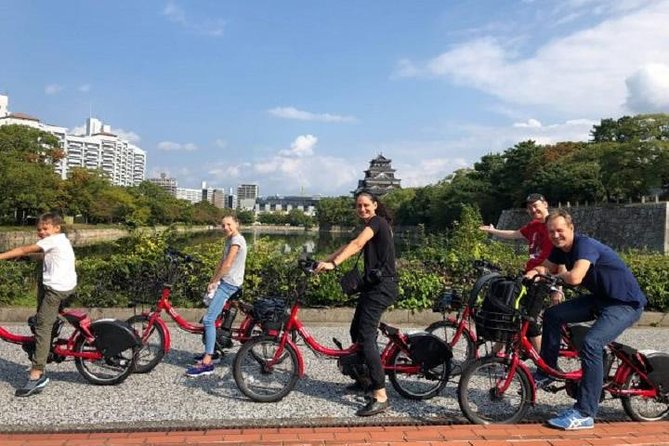
- Electric bikes make the route easy: Hiroshima is flat, and the bikes require little effort.
- Local guides add personal meaning: Shin and other guides share family accounts, community memories, and stories of recovery.
- You see more than the Peace Park: The route includes city streets, surviving streetcars, and views of the A-Bomb Dome away from the usual paths.
- The group is capped at 10 people: That is small enough for a more personal experience.
- Rain does not always cancel the day: The bike route can change to a walking route focused on the hypocenter and nearby memorial sites.
- The $59.69 price buys access and context: It is good value if you want history explained while covering more ground than you could on foot.
Why a bike works so well in Hiroshima
Hiroshima is a good cycling city for this kind of tour. The streets are generally easy to navigate, the terrain is flat, and the electric assistance removes most of the physical worry. You do not need to be a serious cyclist. One older participant described the ride as manageable despite not being a regular bike rider, and that matches the tour’s gentle character.
The bikes also solve a practical problem. The Peace Memorial Park is walkable, but Hiroshima’s story reaches beyond the park. A bike lets you connect the memorial grounds with the rebuilt city, suburban streets, and surviving reminders of the bombing without spending much of your limited sightseeing time on foot.
You should still be comfortable riding a bicycle in a city. The tour moves through public streets and shared areas, though the pace is adjusted if someone in the group is less confident, especially children. That is considerate, but it also means the ride may move more slowly than a private cycling trip.
A few more rides around Japan worth a look
- Tokyo Guided Small-Group Biking Tour
★ 5.0 · 1,250 reviews - Tokyo Top Highlights 3h Guided E-bike Tour
★ 5.0 · 714 reviews - 3h Tokyo E-Bike Tour: Hidden Gems, and Local Life with guide
★ 5.0 · 670 reviews
Meeting at the Peace Park Rest House
The tour begins at the Hiroshima Peace Memorial Park Rest House, with departures listed at 11:00 and 15:00. You return to this same point at the end, making the tour easy to fit around other plans in central Hiroshima.
Arrive early. The late policy is strict: if you miss the meeting time without advance notice, the tour can be canceled with no refund. Even contacting the operator in advance does not guarantee that a late arrival can join, since the group schedule may need to continue.
There is no luggage storage at the Rest House. If you have bags, use the coin lockers at the Hiroshima Peace Memorial Museum or the International Conference Center Hiroshima, both about a six-minute walk away. This is worth arranging before the start rather than trying to solve it at the last minute.
The Peace Memorial Park in 55 thoughtful minutes
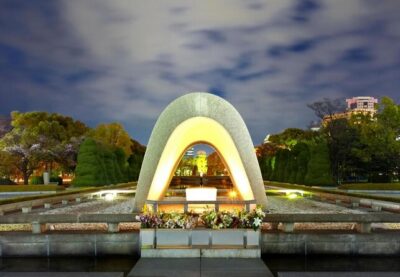
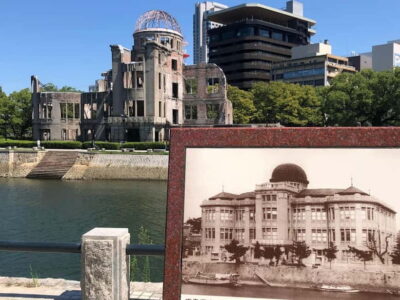
The first major part of the ride takes place in Peace Memorial Park. You visit the Atomic Bomb Dome, the Cenotaph for the A-Bomb Victims, the Children’s Peace Monument, and the Peace Bell. These are not just photo stops. The guide explains what each place represents and how the park holds memories of the bombing and its victims.
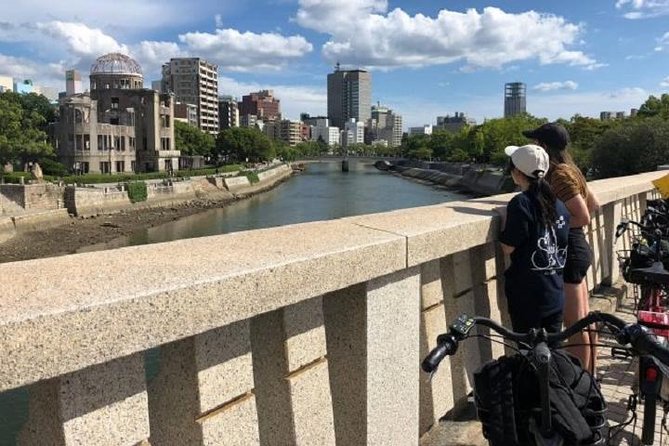
The A-Bomb Dome is familiar from photographs, but seeing it from different city viewpoints changes the experience. The tour takes you away from the standard approach so you can understand how the ruined building relates to the surrounding city. It is a useful reminder that the dome is not an isolated monument. It remains part of an active, rebuilt urban center.
The Cenotaph provides a quieter moment. The guide explains its purpose and the idea of remembering those who died while working toward peace. At the Children’s Peace Monument, the story becomes especially personal, with its connection to young victims and the paper cranes associated with the memorial.
The Peace Bell adds another layer. You are not simply collecting famous sights. You are learning how Hiroshima has chosen to present its past, honor the dead, and speak about peace today. A good guide gives these places room to breathe, and Shin, Kana, Bella, Tomas, and other guides have been praised for balancing facts with warmth and personal stories.
The Peace Museum is not part of the cycling route, and admission costs are not included in the tour price. I would consider visiting the museum separately if you have time. The bike tour works best as a city-based introduction, while the museum gives you a more detailed and concentrated account of the bombing.
Beyond the monuments, seeing the rebuilt city
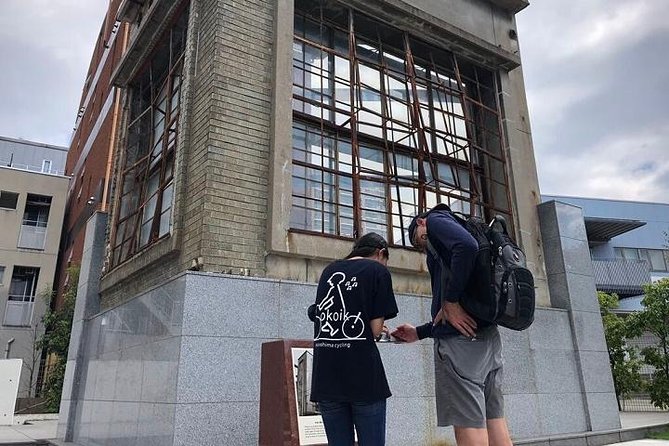
After roughly 55 minutes in the park, the route moves into Hiroshima itself for about an hour. This is the part I find most useful. The memorial grounds are essential, but Hiroshima is also a living city, and you need to see its ordinary streets to understand the scale of its recovery.
The guide points out the A-Bombed Streetcars, trains that survived the atomic bombing and still run today. Details like this can be more affecting than another formal monument because they connect the past with daily life. A streetcar is not preserved behind glass. It remains part of the city’s transport system.
The route also includes views and places that are easy to miss if you only follow a standard walking map. You ride through parts of Hiroshima beyond the central park and learn about the city before the war, the destruction caused by the bomb, and the long rebuilding process afterward. The exact route can change according to conditions on the day.
This section is also where the bike earns its price. At $59.69 per person, you are paying not only for an electric bicycle but for a guide who can connect separate sites into one story. A self-guided walk costs less, of course, but you would need to research the locations yourself and would probably cover less ground.
Same handlebars, a completely different route:
- Hidden Kyoto E-Biking tour
★ 5.0 · 1,843 reviews - Bike Tour Exploring North Kyoto plus Lunch
★ 5.0 · 1,087 reviews - Tokyo Great Cycling Tour
★ 5.0 · 811 reviews - Arashiyama Bamboo Forest & Hidden Gems Bike Tour (Early Bird)
★ 5.0 · 613 reviews
Guides who make the history personal
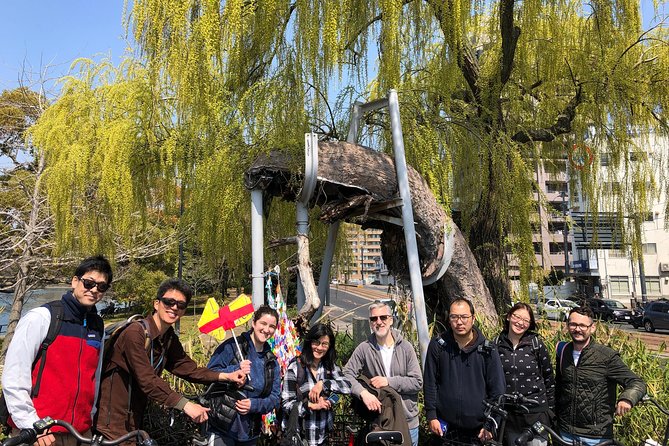
The strongest feature of this tour is the guide. Shin has been praised for sharing family accounts, including stories connected to survivors. One especially moving detail is that his mother was in utero when the bomb fell, and his grandparents lived through the bombing. That kind of family connection gives his explanations a human scale without turning the tour into a performance.
Kana has also received strong praise for her clear English, energy, and careful explanations. She has guided families through the park, answered detailed questions, and offered useful restaurant suggestions. Bella is described as warm and passionate, with an ability to point out places beyond the main memorial route. Tomas has been remembered for combining personal storytelling with practical advice for the rest of a Japan trip.
You may not receive the same guide on every departure, and not every guide has a direct family story connected to the bombing. That is an important distinction. The tour’s value does not depend entirely on ancestry. It depends on the guide’s ability to explain the sites with care, accuracy, and respect.
Expect a serious conversation. Some people have cried during the tour, while others have found the mix of history, cycling, and human stories uplifting. The mood is not gloomy for two straight hours, but the subject cannot be separated from grief, loss, and the continuing call for peace.
Electric bikes, family rules, and the pace
Adult electric bicycles are available for people at least 145 centimeters tall. Children between 110 and 145 centimeters can use one of two children’s cross bikes available for a booking, and children under 15 can use either children’s or adult bikes at the child rate.
Electric bicycles with child seats are available for children under 22 kilograms and under 115 centimeters. If you are booking for a family, check these limits carefully. The operator may adjust the pace when children or less experienced riders are present.
The tour includes bicycle accident insurance. That is reassuring, but it does not remove the need to ride carefully. Hiroshima is not described as heavily congested as Tokyo or Osaka, and the flat streets make cycling comfortable, but you are still riding in a city.
No Wi-Fi is provided at the meeting point. Hiroshima Free Wi-Fi is available around the city, but it is best not to depend on a connection for the meeting details. Save the booking information and address before you set out.
What happens in bad weather
This is a weather-dependent activity. If rain makes cycling unsafe, you may be offered another date, a refund, or a rainy-day walking route. The walking option is not merely a shortened bike ride.
The Rainy Day Route visits Peace Memorial Park, the A-Bomb Dome, the hypocenter, the Former Bank of Japan, Fukuromachi Elementary School, and the main street. It is scheduled to finish at the same 13:00 or 17:00 times as the regular tour.
The walking route also focuses on the hypocenter, the spot where the bomb exploded and the surrounding area that was reduced to scorched ground. This can be an intense visit, but it gives the day a clear historical focus when cycling is not safe.
Bring suitable clothing if the forecast looks uncertain. The tour has operated in heavy rain as a walking experience, and guides have worked to keep the day worthwhile, but the cycling element is not guaranteed in poor weather.
Is two hours enough?
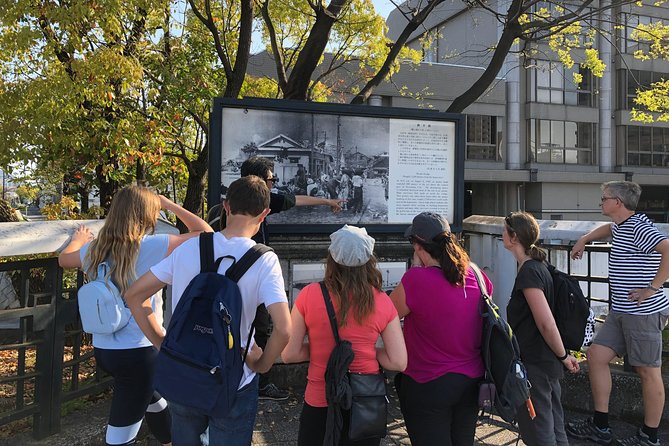
Two hours is enough for an introduction, not a complete study of Hiroshima. The schedule divides time sensibly: about five minutes to gather, 55 minutes in the Peace Memorial Park, and one hour on the city route.
You will see the principal memorials and gain a feel for the wider city. You will not have unlimited time at every monument, and you should not expect long stops for quiet reflection at each one. If you like to read every plaque or spend an hour in the museum, add separate time before or after the ride.
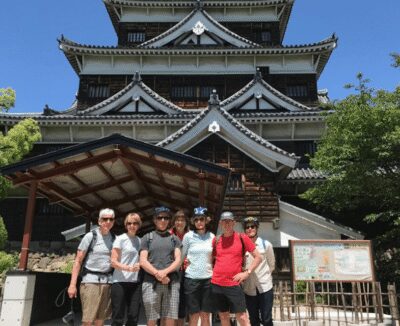
The three-hour version adds Hiroshima Castle and more detail about the city before the war and its postwar recovery. Choose the longer option if you want extended conversations with the guide or a broader history lesson. Choose this two-hour version if you have a busy schedule, are visiting Hiroshima for a short time, or want a first orientation before exploring alone.
Who will get the most from this tour?
I would recommend it to first-time visitors who want the major memorials explained rather than simply photographed. It also suits families, couples, and older visitors who want to cover more ground without a demanding ride.
It is a good choice after visiting the Peace Museum, since the bike route adds places and city views that a museum visit cannot provide. It also works before the museum, giving you a human and geographic framework for what you will later see inside.
You may prefer a walking tour if you dislike bicycles, have mobility concerns that make mounting a bike difficult, or want to move at your own pace. You may prefer the three-hour option if Hiroshima is a main focus of your Japan trip. For everyone else, the electric bikes make this a practical middle ground between a short park walk and a full-day history tour.
Should you book the Hiroshima Peace Cycling Tour?
Book it if you want Hiroshima explained by a local guide while you move through both the memorial park and the rebuilt city. The electric bikes are easy, the group size is limited to 10, and the route reaches places you might miss on foot.
At $59.69, the tour offers good value when you count the bicycle, insurance, guide, and time saved between sites. I would book it early if your schedule is tight, then visit the Peace Museum separately for a fuller account.
Skip it if you need a private, unhurried visit or if you are uncomfortable cycling in city streets. For most visitors, though, this is a thoughtful and efficient way to meet Hiroshima: serious where it needs to be, personal without being theatrical, and active enough to help you understand the city beyond its best-known monument.
FAQ
Where does the Hiroshima Peace Cycling Tour begin?
It begins at the Hiroshima Peace Memorial Park Rest House in Nakajima-cho, Naka Ward, Hiroshima.
What time does the tour depart?
Departure times are scheduled for 11:00 and 15:00. The timetable can change depending on conditions that day.
Where does the tour finish?
The tour returns to the Hiroshima Peace Memorial Park Rest House, the same place where it begins.
How many people can join the tour?
The shared tour has a maximum of 10 participants.
Are electric bicycles provided?
Yes. Adult electric bicycles are provided for participants at least 145 centimeters tall. Children’s bicycles and electric bicycles with child seats are also available within the stated height and weight limits.
What happens if it rains?
The cycling route may be canceled for safety. You can choose another date, a full refund, or a rainy-day walking route visiting sites including the Peace Memorial Park, A-Bomb Dome, hypocenter, Former Bank of Japan, and Fukuromachi Elementary School.
Can I cancel for a full refund?
Yes, if you cancel at least 24 hours before the experience start time. Cancellations or changes made less than 24 hours before the start are not refunded or accepted.
Newly added rides around Japan
- Private E-MTB guided cycling around Mt. Aso volcano & grasslands★ 5.0 · 16 reviews
- Tokyo: West-Side Cycling and Food Tour with Guide★ 5.0 · 37 reviews
- Tokyo: Private Cycling Tour with cute E-bike★ 5.0 · 11 reviews
- Tokyo Bay Area: Sunset Night View 3h E-bike Guided Bike Tour★ 5.0 · 11 reviews
- Tokyo: 3h Private E-bike Tours, Starting at Your Hotel★ 5.0 · 36 reviews
- Tokyo: 3-hour Guided E-Bike Tour of the City’s Hidden Gems★ 4.8 · 251 reviews
- Tokyo Bike Tour: Shibuya, Harajuku & Hidden Gems★ 5.0 · 20 reviews
- Tokyo: Hidden Gems Guided Bike Tour with Lunch★ 4.5 · 30 reviews
Hiroshima Bike Tours, compared.
Hiroshima in a Nutshell: Morning Bike Adventure
Read our review →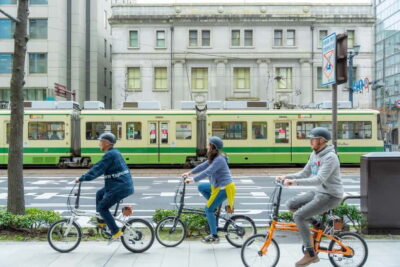
Peace Park, Castle, and Mitaki Temple E-Bike Tour
Read our review →Browse the lists this tour appears in