
REVIEW · HIROSHIMA BIKE TOURS
Hiroshima and Miyajima by Bike and Boat
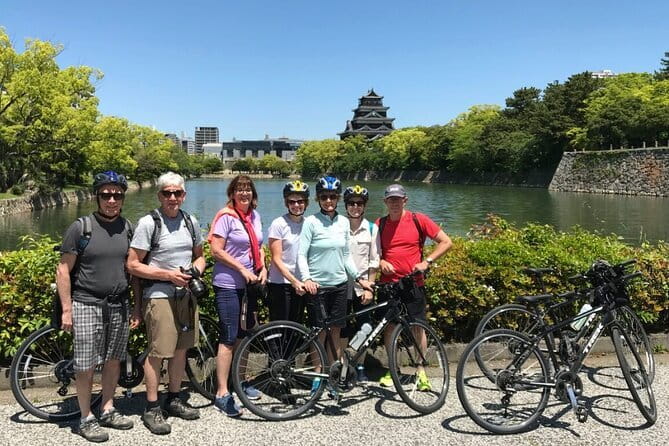
Two wheels change your view of Hiroshima. This full-day outing links Hiroshima’s rivers, Peace Memorial Park, Hiroshima Castle, and Miyajima by bike, train, and ferry, with a local lunch in the middle. I like the small group of no more than eight and the way several forms of transport turn a wide-ranging day into one connected experience.
I also like the guides’ personal touch. Aimee, Alex, Ihsan, Sage, Melissa, and James are repeatedly praised for clear explanations, humor, flexible pacing, and thoughtful handling of Hiroshima’s difficult past. The main drawback is time: the day can stretch to 10 hours, and the Peace Memorial Museum is not included, so some people may find the Hiroshima portion rushed.
Key points at a glance
- A rare three-part day: Cycle through Hiroshima, ride the JR ferry, and return by train and bike.
- Eight-person maximum: A small group makes it easier to ask questions and adjust the pace.
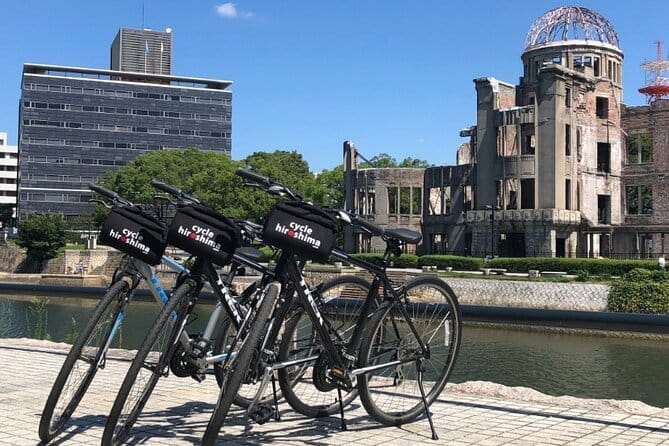
- Peace Park with context: The guide explains the memorials, Cenotaph, and surrounding sites with care.
- Miyajima and Itsukushima Shrine: See the famous orange shrine buildings, island streets, and local deer.
- Lunch is included: Expect regional food, with vegetarian choices available if requested.
- Good value at $142.05: The price covers the bike, train, ferry, lunch, fees, and a full day of guiding.
Why this route works so well
Hiroshima and Miyajima are often treated as separate stops. That can make for a hectic day of maps, tickets, and backtracking. This experience connects them in a sensible way, using a bicycle for the city, public transport for the island crossing, and a final bike ride back to the starting point.
I like the change of pace. Cycling along rivers and through neighborhoods gives you a feel for modern Hiroshima before the day turns toward memorials and wartime history. Then the ferry adds a pleasant break before Miyajima’s shrines, deer, shops, and wooded slopes.
The group limit matters, too. Eight people is small enough for a guide to check bike sizes, answer questions, and adjust the day when needed. Several guides have been praised for fitting guests to suitable Trek bikes, setting a gentle pace, and adding breaks during hot or humid weather.
The tour begins at 9:30 a.m. at Cycle Hiroshima, at 4-chōme-5-4 Ōtemachi. It lasts about seven to eight hours on paper, though you should keep extra time free. One outing ran close to 10 hours after a long lunch and extended time on Miyajima.
More Bike and Boat Tours in Japan:
- Hiroshima: City and Miyajima Bike and Boat Tour
★ 5.0 · 20 reviews - From Perth: Rottnest Island Full-Day Bike and Ferry Trip
★ 4.7 · 2,548 reviews - Ninh Binh Day Trip: Hoa Lu-Trang An/Tam Coc-Mua Cave-Cycling-Boat
★ 5.0 · 1,886 reviews
Cycling Hiroshima before the memorials
The first ride follows rivers, parks, and city neighborhoods. This is not simply transport between sights. It helps you understand Hiroshima as a living city rather than only as a place associated with 1945.
A bicycle also gives you more range than walking. You can cover ground without spending the morning on buses or taxis, while still moving slowly enough to notice canals, bridges, parks, and ordinary streets. The ride is described as manageable for most people, and guides have adjusted their speed for different fitness levels.
You do need to be ready for a physically active day. You will cycle, walk around Peace Memorial Park, ride a ferry, walk around Miyajima, and cycle again at the end. Heat can make the schedule feel longer, especially in summer. The guides have responded well to this, with extra water, cooling strips, shade breaks, and slower riding when needed, but bring a hat and water-friendly clothing.
At the starting point, you can choose from available bicycles. One guest who is 159 centimeters tall was fitted with a Trek bike that worked well. That is useful reassurance, though you should still tell the operator about your height or any cycling concerns before the day begins.
Peace Memorial Park and the Cenotaph
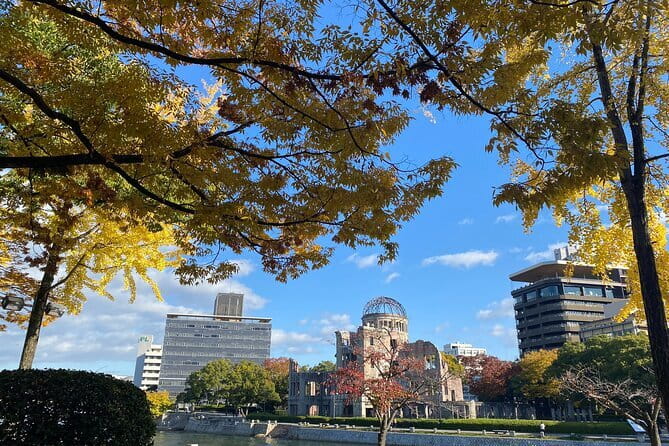
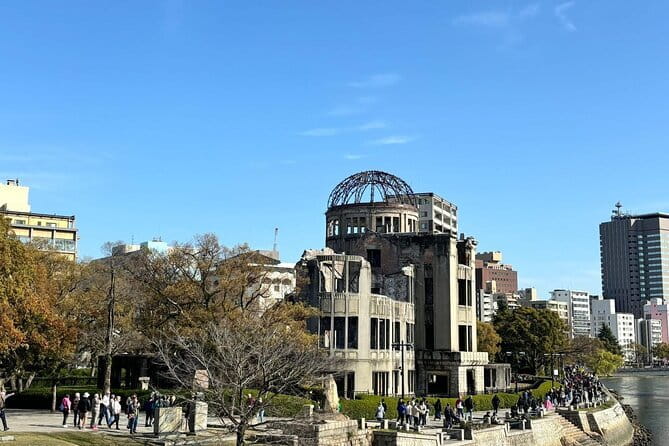
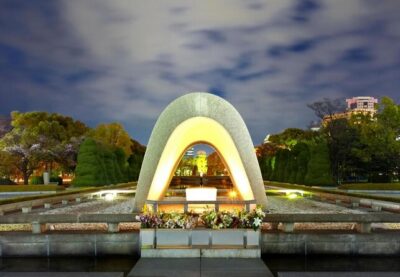
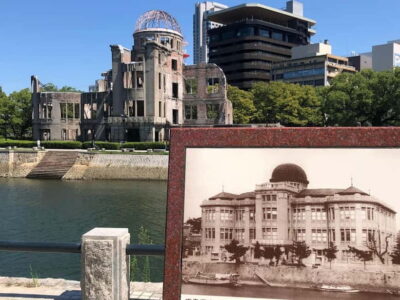
The Hiroshima section becomes more serious at Peace Memorial Park. Your guide leads you through the park’s memorials and explains the events before and after the atomic bombing.
This is where guide quality matters most. The best guides have offered careful, balanced explanations without turning the subject into a lecture. James, Alex, Ihsan, Aimee, and Melissa are especially praised for combining historical detail with a respectful tone. Aimee has also been singled out for handling the sadness of the subject while keeping the group engaged and comfortable.
The Cenotaph for the Atomic Bomb Victims is given a short, quiet stop of about 15 minutes. You have time to look closely, listen, and pause before moving on. The brevity can feel appropriate, but it also means you should not expect a long period of private reflection at every monument.
A key point: the Peace Memorial Museum is not part of the tour. If the museum matters to you, plan another visit or ask whether the guide can help arrange tickets. Some people have returned later to see the museum and spend more time with monuments they passed during the ride.
The order can change. On some days, the group visits Miyajima first and the memorial sites later. That may be helpful if you want to reach the island before the busiest part of the day, but it can also mean the Hiroshima memorials are seen later than expected. Ask at the start how your guide plans to divide the hours.
Hiroshima Castle and a glimpse of feudal Japan
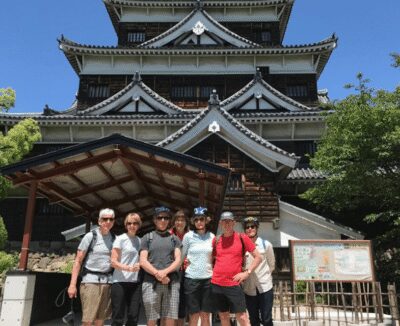
Hiroshima Castle provides a useful contrast to Peace Park. The tour moves from twentieth-century war history to the city’s earlier political and military past.
You have around 30 minutes to see the restored castle, its moats, grounds, and main tower. It is a compact stop, suited to photographs and an introduction rather than a long museum visit. The castle helps place Hiroshima within Japan’s feudal period, but anyone wanting a detailed castle museum visit may find the time limited.
That contrast is one of the day’s strengths. The tour does not reduce Hiroshima to one historical chapter. You see the city before the bombing, the destruction and remembrance that followed, and the modern city that grew around those memories.
A few more rides around Japan worth a look
- Hidden Kyoto E-Biking tour
★ 5.0 · 1,843 reviews - Tokyo Guided Small-Group Biking Tour
★ 5.0 · 1,250 reviews - Bike Tour Exploring North Kyoto plus Lunch
★ 5.0 · 1,087 reviews - Tokyo Great Cycling Tour
★ 5.0 · 811 reviews
The JR Miyajima Ferry
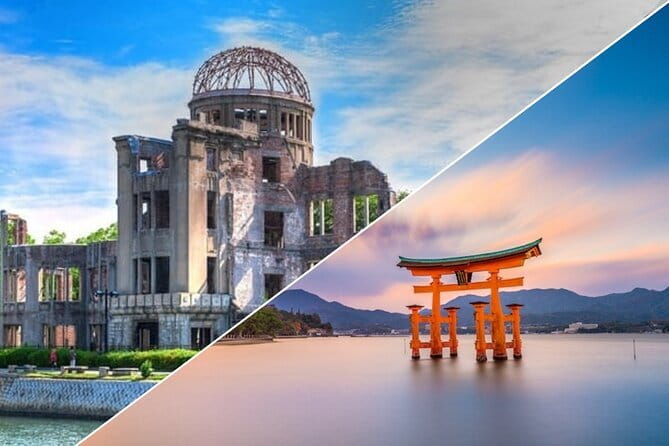
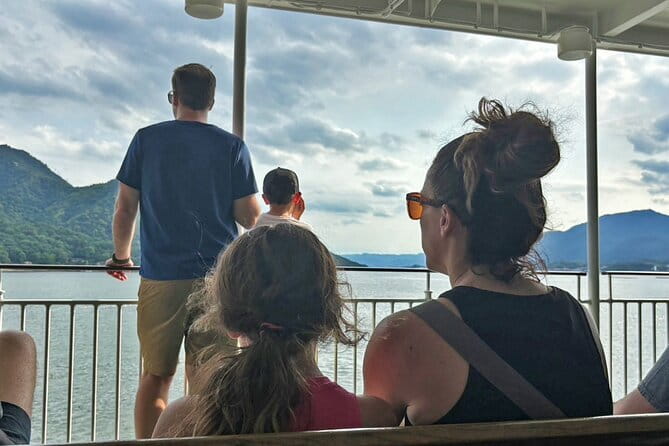
The JR Miyajima Ferry is included in the price, so you do not need to handle a separate fare during the tour. The crossing takes about 30 minutes and provides a welcome rest after the first cycling and walking sections.
The ferry is also part of the experience, not just a practical transfer. You move from the urban center toward an island known for its shrine, deer, orange buildings, and wooded surroundings. It gives the day a clear change of setting without requiring you to organize another ticket or route.
After reaching Miyajima, the tour later retraces the ferry and train route back toward Hiroshima. That return journey is built into the day, although the exact timing depends on group pace, lunch, weather, and how long the guide spends at each stop.
Miyajima’s streets, deer, and Itsukushima Shrine
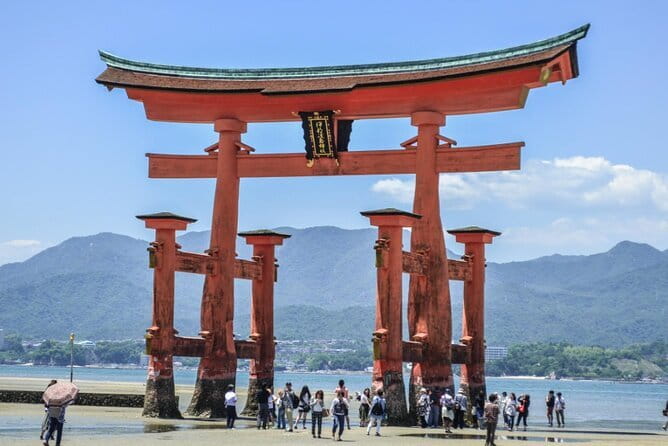
Miyajima receives about an hour and a half of guided exploration, followed by another hour and a half around Itsukushima Shrine and lunch. This is the part of the tour that many people find most scenic and relaxed.
Your guide leads you through the island streets, pointing out the orange buildings, local traditions, and stories connected with the island. The deer are part of the fun, but the island is more than a photo stop. You get a chance to see how religious sites, shops, food, and wildlife share the same compact setting.
Itsukushima Shrine is the central sight. The orange buildings and famous torii gate create the classic Miyajima view, though the exact appearance can depend on tide, weather, and restoration work. The tour description promises views of the shrine and surrounding monuments, but it does not promise a particular tide level or a full interior visit.
Lunch is served at a nearby restaurant and features local dishes. Hiroshima-style okonomiyaki is specifically praised as a highlight, while another outing included a satisfying ramen meal. The precise restaurant and dish may vary, but the point is clear: you are eating regional food rather than stopping for a generic packed meal.
Vegetarian options are available. For other dietary restrictions, contact the operator before the tour. Do not wait until lunchtime, since the meal is part of a group schedule.
Miyajima is also where the day can run long. One group felt it spent too much time walking on the island and not enough time at Peace Park and the castle. If Hiroshima’s wartime history is your main reason for booking, tell your guide early. If Miyajima is your priority, the generous island time may feel just right.
The final ride and what the price covers
After the island, you return by ferry and train, then cycle back to the base. The final bike section takes about 20 minutes. You can collect any luggage stored at the starting point and ask your guide for suggestions for the rest of your visit.
At $142.05 per person, this is not a cheap city tour. I think the price is fair if you value the convenience of one guide, a small group, bicycle use, the train and ferry fares, lunch, and all listed fees. Buying each element separately could cost less, but you would spend more time planning connections and deciding how to fit Hiroshima and Miyajima together.
The value is strongest for a first visit with limited time. You see a broad range of places in one day, and the guide adds context at sites that can otherwise blur together. It is less suitable if you prefer long museum visits, unstructured photography time, or a slow lunch without a fixed schedule.
What the guides add
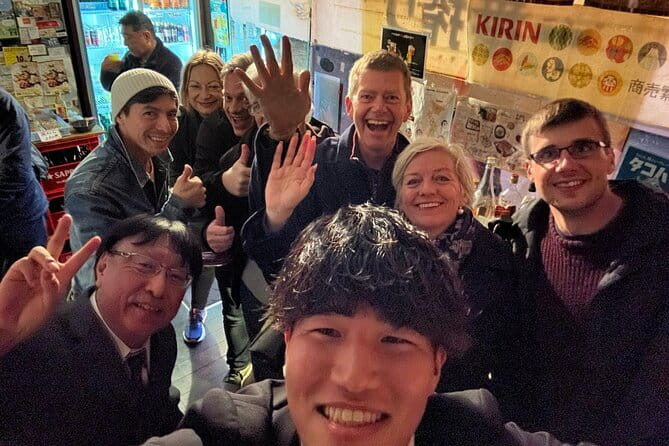
The guide is the main reason this experience works. The strongest feedback centers on clear English, warmth, humor, and flexibility.
Aimee is praised for turning small groups into friendly day outings, adjusting plans in heavy rain, keeping people hydrated in intense heat, and adding interactive touches such as folding paper cranes at the Children’s Peace Monument. Alex is praised for long experience in Japan and for explaining places that are easy to pass without noticing.
Ihsan is described as able to discuss the war from several viewpoints while keeping the day friendly and easy to follow. Melissa has been praised for a clear speaking style and a good balance between light conversation and the seriousness of Hiroshima’s past. James is noted for his language skills, careful bike fitting, and close attention to photos, food, and questions.
Guide style can vary. One less positive outing felt that the wartime discussion was too light and that the day gave too much time to Miyajima. That is a useful warning: ask for the balance you want. A small group gives you a better chance to shape the day, but the guide still has to manage transport, lunch, opening times, and the needs of everyone present.
Who should book this experience?
I would choose this tour if you want to see both Hiroshima and Miyajima in one day, enjoy moderate cycling, and prefer a guide to explain what you are seeing. It suits first-time visitors, couples, small families, and solo visitors who want company without joining a large coach group.
It is also a good match for people who like variety. You are not stuck on one bus all day. You ride beside rivers, stop at memorials, visit a castle, cross by ferry, walk through an island town, eat local food, and return by train and bike.
I would hesitate if the Peace Memorial Museum is essential to your day, if you dislike heat or extended walking, or if you want several hours at one major sight. The advertised seven to eight hours may expand, so do not schedule a tight evening train immediately afterward.
Book at least 24 hours ahead if you need the option of a full refund. Cancellations made less than 24 hours before the start are not refunded, and poor weather can lead to a new date or a full refund. The tour needs a minimum number of participants, and most people can take part, but you should raise any mobility or dietary concern before booking.
Should you book Hiroshima and Miyajima by Bike and Boat?
Yes, if you want an active, well-guided introduction to both places and can accept a packed day. The combination of bike, ferry, and train is practical and memorable, while the small group creates room for questions and personal adjustments.
For the best result, tell your guide that the Peace Memorial Museum is not included and say how much time you want for Hiroshima compared with Miyajima. Bring water, sun protection, comfortable shoes, and enough flexibility for the schedule to run long. At $142.05, the tour earns its price through convenience, transport, lunch, and the quality of the guiding, especially when you get a guide such as Aimee, Alex, Ihsan, Melissa, or James.
FAQ
What time does the tour start?
The tour starts at 9:30 a.m. at Cycle Hiroshima, located at 4-chōme-5-4 Ōtemachi, Naka Ward, Hiroshima.
Where does the tour finish?
The activity ends back at the Cycle Hiroshima meeting point.
How long does the experience last?
The stated duration is approximately seven to eight hours. You should allow extra time because one outing lasted about 10 hours.
Is lunch included?
Yes. Lunch featuring local Hiroshima dishes is included, and vegetarian options are available. Contact the operator before the tour about other dietary restrictions.
Are the train and ferry fares included?
Yes. The listed inclusions cover the train and JR Miyajima Ferry ride, along with bicycle use, lunch, fees, and taxes.
Does the tour visit the Peace Memorial Museum?
No. The tour includes Peace Memorial Park and the Cenotaph for the Atomic Bomb Victims, but the museum is not included.
What happens if the weather is poor?
The experience requires good weather. If it is canceled because of poor weather, you will be offered another date or a full refund.
Newly added rides around Japan
- Private E-MTB guided cycling around Mt. Aso volcano & grasslands★ 5.0 · 16 reviews
- Tokyo: West-Side Cycling and Food Tour with Guide★ 5.0 · 37 reviews
- Tokyo: Private Cycling Tour with cute E-bike★ 5.0 · 11 reviews
- Tokyo Bay Area: Sunset Night View 3h E-bike Guided Bike Tour★ 5.0 · 11 reviews
- Tokyo: 3h Private E-bike Tours, Starting at Your Hotel★ 5.0 · 36 reviews
- Tokyo: 3-hour Guided E-Bike Tour of the City’s Hidden Gems★ 4.8 · 251 reviews
- Tokyo Bike Tour: Shibuya, Harajuku & Hidden Gems★ 5.0 · 20 reviews
- Tokyo: Hidden Gems Guided Bike Tour with Lunch★ 4.5 · 30 reviews
Hiroshima Bike Tours, compared.
Hiroshima in a Nutshell: Morning Bike Adventure
Read our review →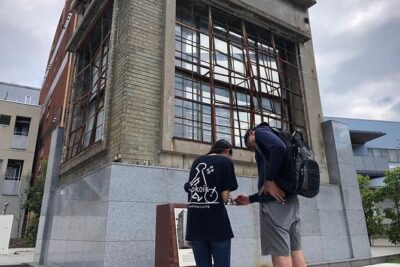
Hiroshima 2hr Peace Cycling Tour with Local Guide
Read our review →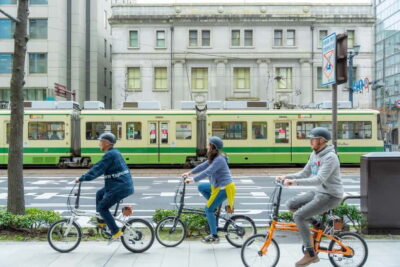
Peace Park, Castle, and Mitaki Temple E-Bike Tour
Read our review →Browse the lists this tour appears in